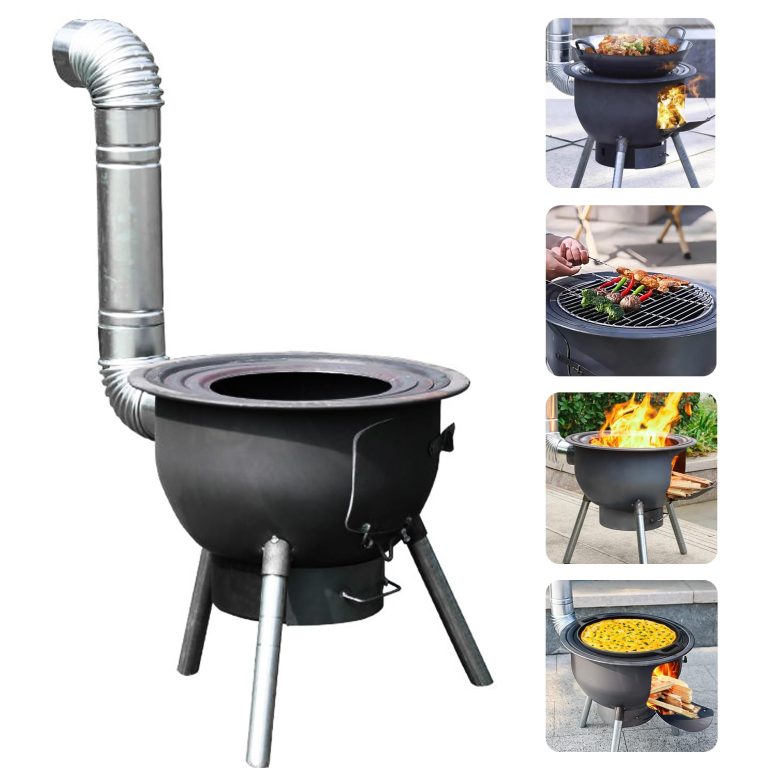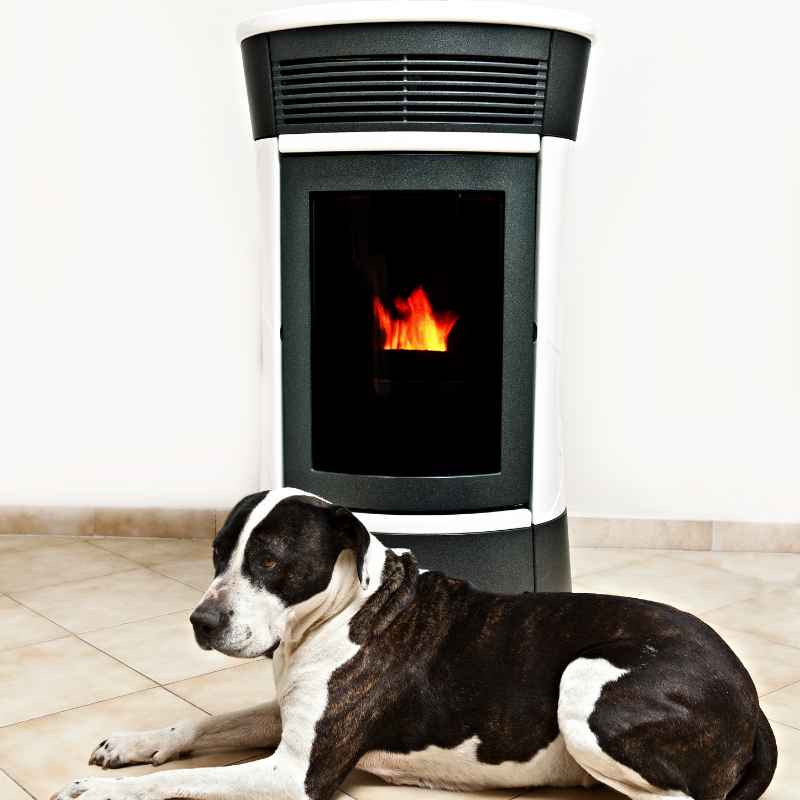
Portable Indoor Wood Stove: Best Options For Small Spaces
Finding a good way to warm up your home when space is tight can feel like a big puzzle. You want that cozy glow and comforting heat from a wood stove, but your home just isn’t built for a giant fi
This guide will help you find the best portable indoor wood stove for small spaces. We cover what makes a stove suitable for compact areas, safety needs, and some popular choices that offer warmth and style without taking over your room.
What is a Portable Indoor Wood Stove?
A portable indoor wood stove is basically a smaller, often lighter version of a traditional wood stove. They are designed to be placed more flexibly within a room. Unlike the large, fixed stoves, these are built with efficiency and a smaller footprint in mind.
Think of them as a smart solution for places that can’t handle a full-size model.
The main idea behind these stoves is to bring the warmth and ambiance of wood heat to areas where space is very limited. They often use different venting systems. Some connect to a chimney or flue, while others might use specialized direct vent kits.
This adaptability is key for apartments or homes without existing fireplace structures.
These stoves are not meant for constant, heavy-duty use like a main heating source in a huge house. Instead, they offer supplemental heat. They’re great for taking the chill off a specific room.
They can also add that lovely, rustic feel many people love about wood fires.
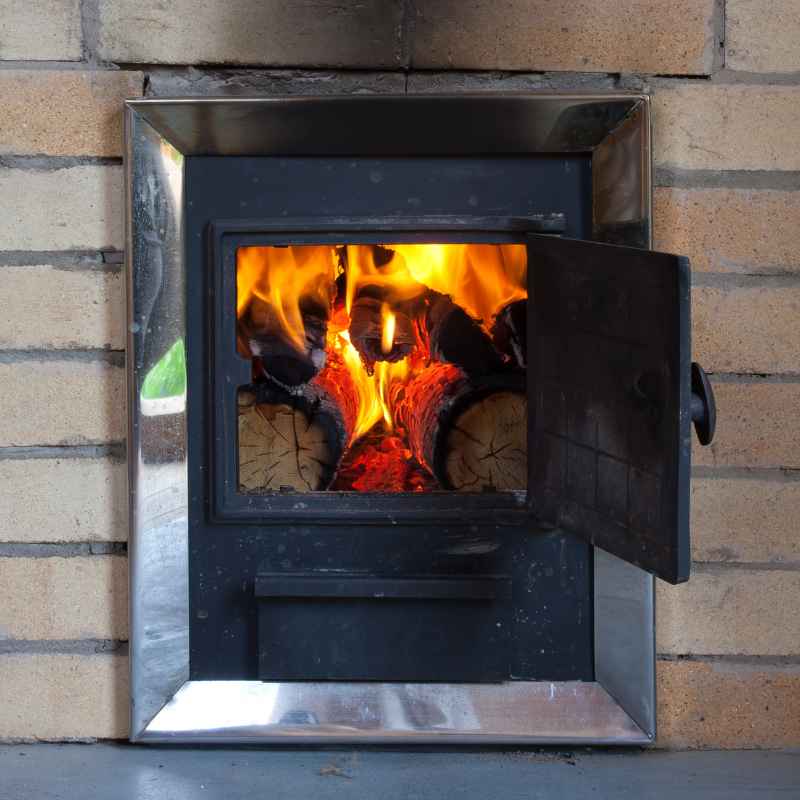
Why Consider a Portable Wood Stove for Small Spaces?
Many of us dream of a warm, inviting home, especially when the weather turns cold. A wood stove adds a special kind of comfort. It’s that flickering fire and the gentle warmth that just feels right.
But in smaller homes, finding room for a big stove can seem impossible.
This is where portable indoor wood stoves shine. They are designed to be more compact. They don’t need as much floor space.
This means you can enjoy the benefits of wood heat without sacrificing precious room. They can fit into corners or smaller living areas. They don’t overpower the space.
They also offer a way to save on heating bills. Using a wood stove for supplemental heat can lower your reliance on electric or gas heating. This can lead to real savings over time.
Plus, the ambiance they create is unmatched. It’s a warm, cozy feeling that makes a house feel more like a home.
Key Features of Wood Stoves for Small Spaces
When you’re looking for a wood stove for a small place, certain features become super important. It’s not just about picking any stove; it’s about finding one that fits your specific needs. The size is, of course, the first thing to check.
You need a stove that won’t feel too big for your room.
Look for models that have a smaller overall width, depth, and height. They should also have a compact hearth pad requirement. This is the protective base the stove sits on.
Less space needed for the stove itself means more living space for you.
Another feature is the BTU output. This tells you how much heat the stove can produce. For small spaces, you don’t want a stove that’s too powerful.
An overheated room is uncomfortable and can be unsafe. A lower BTU output, perhaps in the 5,000 to 20,000 range, is often ideal. This ensures gentle, controllable warmth.
Also, consider the size of the logs it can take. Smaller stoves usually burn smaller logs. This can be a good thing in a small space.
You won’t need a huge stockpile of wood. You can manage your wood supply more easily. This makes them practical for apartment dwellers or those with limited storage.
Finally, think about the aesthetics. Many portable stoves come in sleek designs. They can add to your home’s decor.
Some even offer large glass doors. This lets you enjoy the view of the fire. Look for clean lines and finishes that match your style.
Safety First: Essential Considerations for Indoor Wood Stoves
Safety is the most important thing when using any wood stove, especially indoors and in small spaces. These stoves get very hot. They produce smoke and exhaust.
Proper installation and use are absolutely critical. You don’t want to invite warmth and accidentally create danger.
First, always follow the manufacturer’s instructions to the letter. They know their product best. This includes the required clearances.
These are the safe distances the stove must be from walls, furniture, and anything flammable. For small spaces, these clearances can seem large. But they are non-negotiable for fire prevention.
You’ll need a proper hearth pad. This is a non-combustible material under and around the stove. It protects your floor from heat and stray embers.
Materials like brick, stone, or tempered glass are common. Ensure it extends far enough on all sides.
Venting is another huge safety concern. Most indoor wood stoves need to vent exhaust gases outside. This is usually done through a chimney or a specialized vent system.
Improper venting can lead to dangerous levels of carbon monoxide (CO) in your home. Ensure the vent pipe is correctly installed and sealed. Check it regularly for any damage or blockages.
Carbon monoxide detectors are a must-have. Install them on every level of your home, especially near sleeping areas. Test them regularly.
Also, have smoke detectors in place. Make sure they are working and have fresh batteries.
Regular maintenance is also key. This includes cleaning the stove and the chimney or vent pipe. Creosote, a flammable substance, can build up in the chimney.
If it ignites, it can cause a dangerous chimney fire. Have your chimney inspected and cleaned by a professional at least once a year.
Never use accelerants like gasoline to start a fire. Use proper fire starters or kindling. Make sure the stove door is closed when the stove is in use, unless you are adding wood.
Keep children and pets away from the hot stove. A safety gate can be a good idea.
Types of Portable Indoor Wood Stoves
When you start looking for a portable wood stove, you’ll see a few different types. Each has its own way of working and its own set of needs. Understanding these differences will help you pick the best one for your home.
Traditional Wood Stoves (Small Scale)
These are the closest to what you might imagine. They burn seasoned firewood. They need to be vented outside through a chimney or flue pipe system.
They often have a classic look with cast iron or steel construction. Because they are smaller, they produce less heat than their full-size counterparts. This makes them suitable for smaller rooms.
They require a hearth pad and proper clearances to combustible materials. You’ll need to manage wood storage and ash removal. These are great if you already have a chimney or can install one safely.
Gas Stoves (Propane or Natural Gas)
While not technically wood stoves, gas stoves offer a similar aesthetic and warmth without the mess of wood. They burn propane or natural gas. They are often designed to look like wood stoves.
They usually have realistic-looking logs and flames. They require a gas line connection and venting.
They are very easy to use – just turn a knob. They offer instant heat and easy temperature control. However, they don’t provide the same rustic feel as a real wood fire.
They also rely on gas, which has its own costs and availability concerns.
Electric Stoves (Flame Effect)
These are the simplest to install and use. They plug into a standard electrical outlet. They produce heat using an electric element.
Many have a flame effect that mimics a real fire. They don’t require any venting or special installation, making them ideal for apartments where venting is impossible.
However, their heating capacity is often limited. They are best for supplemental heat or for warming very small areas. The electricity cost can add up.
They offer the look and some warmth but lack the authentic wood-burning experience.
Pellet Stoves
Pellet stoves are a bit more advanced. They burn compressed wood pellets. These pellets are made from sawdust and other organic materials.
They are fed into the stove automatically from a hopper. They require electricity to run their fans and augers. Most pellet stoves need to be vented.
They are very efficient and produce less ash and smoke than traditional wood stoves. They offer good temperature control. However, they are often larger than small wood stoves.
They also require a consistent supply of pellets. They can be more complex to maintain.
For the purpose of this article, we are focusing on small portable indoor wood stoves that burn actual wood. These offer the true wood-burning experience and ambiance. They are the best choice if you want that authentic feel and have the ability to vent safely.
Understanding BTU Output
BTU (British Thermal Unit) is a measure of heat energy. For wood stoves, it tells you how much heat the stove produces.
- Low BTU (Under 10,000): Best for very small rooms or supplemental heat.
- Medium BTU (10,000 – 20,000): Good for small to medium-sized rooms.
- High BTU (Over 20,000): Typically for larger spaces or primary heating.
For small spaces, aim for a stove with a BTU output that matches your room size. Too much heat can be uncomfortable.
How to Choose the Right Portable Wood Stove
Picking the right stove involves looking at a few key things. It’s about balancing your needs with what’s available. Think about your home, your budget, and what you want from the stove.
Room Size and Heating Needs
The first step is measuring your space. How big is the room you want to heat? A tiny studio apartment needs a much smaller stove than a larger living room.
Check the stove’s recommended heating area. This is often given in square feet. Make sure it matches your room size.
Also, consider if this will be your main heat source or just for adding comfort. If it’s supplemental, you can go with a slightly smaller unit. If you’re relying on it more, ensure it can handle the job without running constantly.
Venting Requirements
This is a big one, especially for apartments or older homes. Does the stove require a chimney? If so, do you have one?
If not, can you safely install a vent system? Some stoves are “vent-free,” but these are less common for wood stoves and can have air quality concerns.
For a true wood stove, you’ll need a way to get the smoke and gases outside. This is usually a Class A chimney or a double-wall stovepipe system. Check local building codes.
They will have rules about installations. Getting this wrong is dangerous.
Fuel Type and Storage
Most portable wood stoves burn seasoned firewood. This means the wood must be dried for at least six months. Wet wood burns poorly and creates more smoke.
You’ll need a place to store your firewood. In a small space, this can be tricky. Consider getting a small wood rack for outside or a compact indoor rack.
Think about how much wood you’ll use. A small stove burning small logs will require less storage than a large stove burning big logs. Buying seasoned wood can also be a good option if you don’t have space to dry your own.
Budget
Portable wood stoves vary in price. Simple models can be quite affordable. High-end stoves with advanced features and decorative elements will cost more.
Don’t forget to factor in the cost of installation. This can include vent pipes, hearth pads, and professional labor if needed.
You also need to budget for ongoing fuel costs. The price of firewood can vary by location. Then there’s the cost of maintenance, like chimney sweeping.
Design and Aesthetics
These stoves can be functional art for your home. They come in many styles. Some are very modern and minimalist.
Others have a rustic, cast-iron look. Consider how the stove will fit with your existing decor. Do you want a large glass door to see the flames?
What finish would look best?
The size and shape of the stove matter for its visual impact. A tall, narrow stove might fit a corner better than a wide, deep one. Think about the overall feel you want to create in the room.
Quick Scan: Stove Features for Small Spaces
| Feature | Why It Matters for Small Spaces |
| Compact Size | Fits into tight layouts, saves floor space. |
| Lower BTU Output | Prevents overheating, provides gentle warmth. |
| Small Log Capacity | Easier wood management, less storage needed. |
| Efficient Burn | Maximizes heat from wood, less ash. |
| Clearance Requirements | Must be manageable in your room dimensions. |
Popular Portable Wood Stove Models (Examples)
When you start shopping, you’ll find many brands and models. Some are designed with small spaces specifically in mind. I’ve seen a few that really stand out for their efficiency and size.
Jotul
Jotul is a well-respected name in wood stoves. They offer some compact models that are great for smaller homes. Their stoves are known for their durability and excellent design.
The Jotul F 3 TD is a classic that, while not tiny, offers good efficiency and can work in moderately sized rooms. Some of their newer models are even more compact and efficient.
They often feature clean lines and high-quality cast iron. The burn efficiency is usually very good. This means you get more heat from your wood.
They are an investment, but they last a long time.
England Stove Works (Pleasant Hearth)
England Stove Works makes a range of stoves, and their Pleasant Hearth line often includes more budget-friendly options. They have models that are quite compact. For example, the EPA-certified 1,800 sq.
ft. wood burning stove (though this may be too large for very small spaces) shows their range. They also have smaller units designed for supplemental heat.
These stoves are often made of steel. They are known for being reliable. They offer good value for the price.
They are a solid choice if you need a functional stove without a huge price tag. Check their specifications carefully for the exact BTU output and dimensions.
HearthStone
HearthStone stoves are known for their soapstone construction. This material holds heat for a long time and releases it slowly. They offer some smaller models that are quite efficient.
The HearthStone Green Mountain 60 is an example of a compact, highly efficient stove. It’s designed for clean burning and excellent heat radiation.
These stoves are premium products. They are built to last and provide excellent heating performance. The soapstone adds a unique look and feel.
If you want top-tier efficiency and heat retention, HearthStone is worth a look.
Vogelzang
Vogelzang offers a variety of wood stoves, often including models suitable for smaller spaces. They tend to be durable and reasonably priced. Models like the Vogelzang Performer Series can be quite compact.
They provide good heating performance for their size. They often have a traditional look that many people appreciate.
They are built with steel or cast iron. They meet EPA requirements for clean burning. They are a good balance of cost, performance, and durability for those looking for a reliable, smaller wood stove.
Important Note: Always check the exact dimensions, BTU output, and clearance requirements for any stove you are considering. Manufacturers update models regularly. What fits one small space might not fit another.
Also, research local dealers who can offer support and installation advice.
Real-World Example: The Tiny House Decision
I remember talking to a friend who built a tiny house on wheels. Space was the biggest challenge. She wanted a wood stove for cozy winter nights.
We looked at many options. She finally settled on a very small, EPA-certified steel stove. It had a compact footprint and a low BTU output.
She had to build a custom hearth pad. She also carefully planned her vent pipe route. It worked perfectly for her small space.
It provided heat and that wonderful ambiance without overwhelming her home.
Installation and Venting: The Critical Steps
Getting your portable wood stove installed correctly is not something to take lightly. It impacts safety, efficiency, and performance. If you’re not comfortable with DIY, hire a professional.
A certified chimney sweep or installer is your best bet.
Hearth Pad Requirements
Every wood stove needs a non-combustible hearth pad. This protects your floor from the intense heat of the stove and any embers that might escape. The size of the hearth pad depends on the stove’s dimensions and its heat output.
Manufacturers will specify the minimum required size.
Common materials include brick, stone, tile, or tempered glass. Ensure it’s rated for high temperatures. The pad needs to extend a certain distance in front of the stove (for where ashes might be dumped) and to the sides and back.
In a small space, finding room for the required pad can be part of the challenge.
Clearances to Combustibles
This is perhaps the most crucial safety aspect. Stoves radiate heat. The stovepipe carrying exhaust gases gets very hot.
You MUST maintain specific minimum clearances between the stove, the stovepipe, and any combustible materials like wood walls, furniture, or curtains. These clearances are determined by the stove’s design and the type of venting used.
Always refer to your stove’s manual. It will have detailed diagrams showing the required distances. If your room is small, you might need to get creative with furniture placement or even consider heat shields.
Heat shields are non-combustible panels that can be mounted on walls to reduce the required clearance.
Venting Options
For a real wood stove, venting is non-negotiable. You need to get the smoke and carbon monoxide safely outside.
- Class A Chimney: This is a specially insulated chimney pipe designed for wood stoves. It can often be run through ceilings and roofs. It’s a safe and permanent solution.
- Double-Wall Stovepipe: This is a metal pipe used to connect the stove to a chimney or vent it directly through a wall (with proper wall thimble and exterior termination). It’s insulated to prevent it from getting too hot near combustible surfaces.
- Direct Vent Systems: Some modern stoves use direct vent systems. These use a sealed combustion chamber. They draw outside air for burning and vent exhaust gases outside through a coaxial pipe (one pipe inside another). This is often used for gas stoves but is becoming more common for wood in specific applications.
For a portable wood stove, you are most likely looking at Class A chimney or double-wall stovepipe. You will need to carefully plan the path of the pipe. It must go vertically as much as possible.
Horizontal runs should be minimized and kept short. All connections must be sealed properly with high-temperature sealant.
Always check local building codes. They will dictate exactly what type of venting is allowed and how it must be installed. Improper venting is a major fire and carbon monoxide hazard. It can also void your home insurance.
Vent-Free vs. Vent-Limited
Vent-Free: These stoves burn fuel and release exhaust gases directly into the room. They are typically gas appliances. While they don’t require a vent, they consume oxygen and can release moisture and combustion byproducts into the air.
For wood stoves, vent-free options are extremely rare and often not recommended due to safety and air quality concerns.
Vent-Limited (Direct Vent): These stoves use a sealed system to draw combustion air from outside and vent exhaust gases directly outside. They are generally safer than vent-free and improve indoor air quality. Most portable wood stoves are not vent-limited; they require traditional venting.
Operating Your Portable Wood Stove Safely and Efficiently
Once your stove is installed, learning how to use it properly is key. This ensures you get the most heat with the least amount of smoke and the highest safety.
Choosing and Preparing Firewood
The best fuel for your stove is seasoned hardwood. Seasoned means the wood has been dried for at least six months to a year. Its moisture content should be below 20%.
Wet or “green” wood will not burn well. It creates a lot of smoke and creosote buildup.
Hardwoods like oak, maple, or ash burn longer and hotter than softwoods like pine or fir. Softwoods can be good for starting a fire but aren’t ideal for sustained heat. Always cut your wood to a size that fits easily into the firebox.
Starting a Fire
Start with small pieces of dry kindling and some paper or natural fire starters. Place them in the center of the firebox. Light the kindling.
Once the kindling is burning well, gradually add slightly larger pieces of seasoned wood. Leave the air control open to allow plenty of oxygen for ignition.
As the fire grows stronger, you can add larger logs. Don’t overload the stove. Overfilling can lead to uncontrolled burning and excessive heat.
Managing Airflow and Heat Output
Wood stoves have air controls (dampers) that regulate the amount of air entering the firebox. For starting a fire, you want maximum airflow. As the fire gets going, you can reduce the airflow to slow the burn and increase efficiency.
This is how you control the heat output.
For a steady, warm fire, find a setting where the flames are active but not roaring. You want the wood to burn completely. Reducing the air too much can cause smoldering, which produces smoke and creosote.
Most modern stoves have secondary combustion systems that burn off smoke for a cleaner, hotter burn.
Ash Removal and Cleaning
As wood burns, it leaves ash. You’ll need to remove the ash regularly. Let the ashes cool completely in the stove before removing them.
Use a metal shovel and place them in a metal container with a tight-fitting lid. Store the container away from the house until you are sure the ashes are cold.
Ash buildup can reduce airflow to the fire. It also makes it harder to load new wood. Keep the firebox relatively clean for best performance.
The exterior of the stove can be wiped down with a damp cloth. Check the glass door for soot and clean it with a specialized stove glass cleaner.
Regular Inspections
Periodically inspect the stove and the venting system. Look for any signs of damage, rust, or loose connections. Check the door gasket to ensure it’s creating a good seal.
A worn gasket can lead to air leaks, reducing efficiency and allowing smoke to escape.
More importantly, have your chimney or vent system inspected and cleaned annually by a professional. This is vital for preventing chimney fires and ensuring safe operation.
What is Creosote and Why is it Dangerous?
Creosote is a black, tar-like substance that forms when wood doesn’t burn completely. It’s a byproduct of smoke that condenses on the cooler surfaces of your chimney or vent pipe.
- Flammable: Creosote is highly flammable.
- Chimney Fires: If creosote builds up too much, it can ignite. This causes a dangerous chimney fire that can spread to your home.
- Prevention: Burning only seasoned wood and ensuring a hot, complete burn with proper airflow helps minimize creosote. Regular cleaning removes it.
When Is It Normal and When Should You Worry?
Understanding what’s typical for a wood stove and what signals a problem is crucial for safe operation.
Normal Stove Behavior
A properly functioning wood stove will emit some smoke when you open the door to add wood. This is temporary and should dissipate quickly once the door is closed and the fire is established. You should see a steady flame and feel consistent warmth.
A small amount of soot on the stove glass is also normal, especially when starting a fire or if you’ve banked the fire for the night. A small amount of ash in the firebox after a burn is expected.
When to Worry
Excessive Smoke: If your stove is smoking constantly, even when the door is closed and the fire is burning well, there’s a problem. This could be an issue with your venting system (blockage, improper draft) or the stove’s air controls. This is a sign of poor combustion and can release dangerous gases into your home.
No Draft / Backdrafting: If smoke is entering your room instead of going up the chimney, you have a backdrafting problem. This is extremely dangerous. It means carbon monoxide could also be entering your home.
Causes can include a blocked chimney, negative pressure in the house (from exhaust fans or leaks), or a poorly designed venting system.
Strange Noises: While some crackling and popping are normal, loud banging, hissing, or roaring sounds can indicate a problem. A roaring sound might mean the fire is too hot. Hissing could indicate leaks or moisture.
Overheating: If your stove is getting too hot to touch, or the room temperature is becoming uncomfortably high very quickly, the stove might be too large for your space or you’re burning too much wood. Reduce the fuel load and the airflow.
Smell of Gas: If you smell gas (like rotten eggs), turn off the stove immediately, open windows, and leave the house. Call your gas company or 911 from a safe location. This is particularly relevant if you have a gas stove or if there’s any possibility of gas leaks near your wood stove installation.
Soot Buildup Quickly: If your stove glass gets black with soot very rapidly, it often means the wood is too wet or the fire isn’t burning hot enough. This also leads to faster creosote buildup.
If you notice any of these “worrying” signs, stop using the stove. Investigate the issue. For safety concerns like smoke entering the room or suspected carbon monoxide, evacuate your home and call for professional help.
Carbon Monoxide (CO) Danger
Carbon monoxide is a colorless, odorless gas produced by burning fuels. It is highly poisonous.
- Sources: Faulty furnaces, blocked chimneys, running cars in garages, and improperly used wood stoves.
- Symptoms: Headaches, dizziness, nausea, confusion, chest pain, and in high concentrations, death.
- Prevention: Always use CO detectors. Ensure proper ventilation and stove maintenance.
Maintenance for Longevity and Safety
Proper maintenance keeps your portable wood stove working well and safely for years. It’s like taking care of a car; regular tune-ups prevent bigger problems.
Annual Professional Inspection and Cleaning
This is non-negotiable. Hire a certified chimney sweep or wood stove technician at least once a year. They will inspect your entire system: the stove, the stovepipe, the chimney, and the hearth.
They will clean out any creosote buildup in the chimney and vent pipes.
This inspection is also a good time to check for any wear and tear on the stove itself. They can spot potential issues before they become serious safety hazards.
Regular User Maintenance
Beyond the annual professional check, there are things you should do regularly.
- Ash Removal: As mentioned, remove ashes when they are cool.
- Glass Cleaning: Clean the glass door periodically with a specialized cleaner to maintain visibility of the fire.
- Gasket Check: Inspect the door gasket. If it feels brittle or looks worn, it may need replacing to ensure a good seal.
- Stove Exterior: Wipe down the exterior to keep it clean and dust-free.
- Burn Proper Fuel: Always burn dry, seasoned hardwood. This is the single best thing you can do for efficient burning and less creosote.
Taking these steps helps your stove operate at its best. It ensures you get the most heat. It also significantly reduces the risk of fires and carbon monoxide issues.
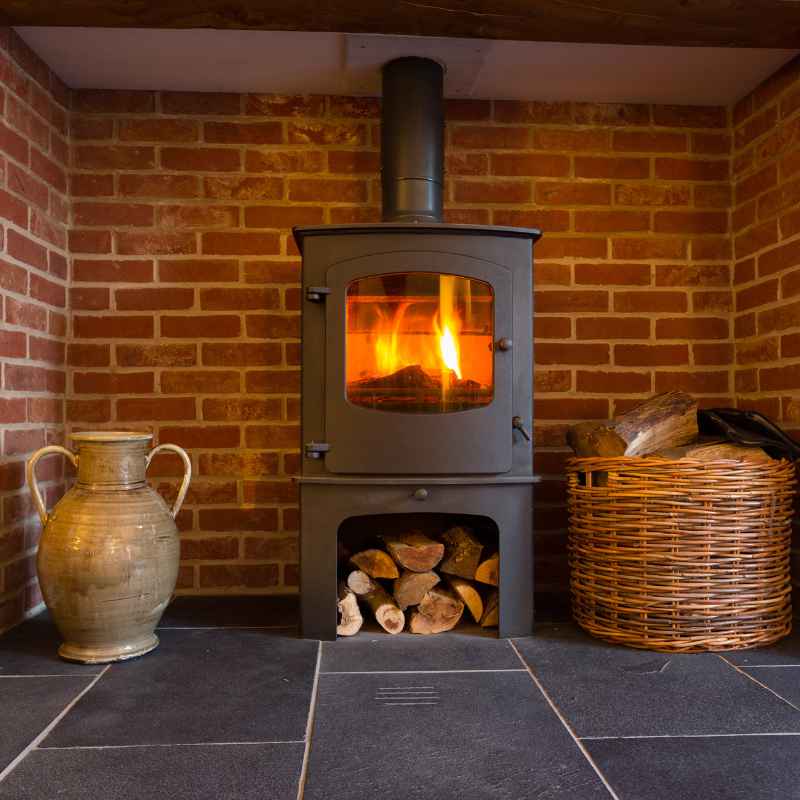
Frequently Asked Questions
Can I use a portable wood stove in an apartment?
Using a wood stove in an apartment is often restricted due to fire codes and venting requirements. You would need specific permission from your landlord or building management, and a safe way to vent the stove outside, which is usually very difficult in apartment buildings. Always check your lease and local fire regulations.
What is the smallest portable wood stove available?
The smallest portable wood stoves are often called “micro” or “tiny” wood stoves, typically designed for RVs or very small cabins. They usually have very low BTU outputs (under 10,000) and require extremely careful installation and venting. Brands like Dwarf Stoves or specific RV models are examples.
Do I need a permit to install a wood stove?
In most areas, yes, you will need a permit to install a wood stove and its venting system. Local building codes dictate safety standards for installation. A permit ensures the installation is inspected and meets all safety requirements.
Check with your local building department.
How much wood does a small wood stove use per hour?
A small wood stove might use between 2 to 5 pounds of wood per hour, depending on the stove’s efficiency, the type of wood, and how hard you are running the fire. A very small stove might use even less.
Can I vent a wood stove through a wall?
Yes, you can vent a wood stove through a wall, but it requires specific components like a wall thimble. This is a special insulated sleeve that passes the hot stovepipe through the wall safely. The pipe then needs to terminate correctly outside, away from windows and doors.
This requires careful planning and adherence to strict safety codes.
Is it safe to leave a wood stove burning overnight?
It can be safe to leave a wood stove burning overnight if it is installed correctly and you are using seasoned wood. You should reduce the airflow to slow the burn, creating coals rather than active flames. However, always ensure your smoke and carbon monoxide detectors are working.
It’s a good idea to check on it periodically if possible, especially if you’re new to using it.
Conclusion
Finding the right portable indoor wood stove for a small space is totally achievable. It just takes a little research and attention to safety. These stoves can bring that wonderful warmth and cozy atmosphere to even the snuggiest homes.
By understanding your room’s needs, prioritizing safety, and choosing a model that fits your lifestyle, you can enjoy the charm of wood heat without the bulk.