Roberts Vinyl Floor Cutter: Is It Worth Buying In 2025?
Finding the right tool for cutting vinyl flooring matters. Roberts vinyl floor cutters are popular. This guide explains if they are a good buy for you in 2025. We look at their uses and if they fit your needs.
What is a Vinyl Floor Cutter?
A vinyl floor cutter is a tool made just for cutting vinyl flooring. This includes LVP (luxury vinyl plank) and LVT (luxury vinyl tile). It can also cut sheet vinyl.
These cutters are different from utility knives. They often use a long blade. This blade slides along the vinyl.
It makes a clean, straight cut.
Most cutters work by scoring the vinyl. This means they make a deep line on the surface. Then, you can snap the vinyl along that line.
It’s like cutting thick paper. This method avoids the dust and noise of saws. It also gives a very neat edge.
Many people find them easier than using a knife.
Why Use a Specialized Cutter?
Using a special cutter offers clear benefits. First, it helps you make perfect, straight lines. This is very important for a good-looking floor.
Wobbly cuts look bad. They also can cause gaps between planks. These gaps let dirt and water in.
A good cutter helps avoid these problems.
Second, they are often safer. Utility knives have sharp blades that can slip. A vinyl cutter guides the blade.
This reduces the chance of cuts. Third, they are much faster. Scoring and snapping is quicker than using a knife.
This saves you time on big projects. This is especially true for DIYers.
Finally, they create less mess. Sawing vinyl makes a lot of fine dust. This dust gets everywhere.
It’s bad for your lungs. A vinyl cutter makes almost no dust. It’s a cleaner way to work.
This makes cleanup much easier later.
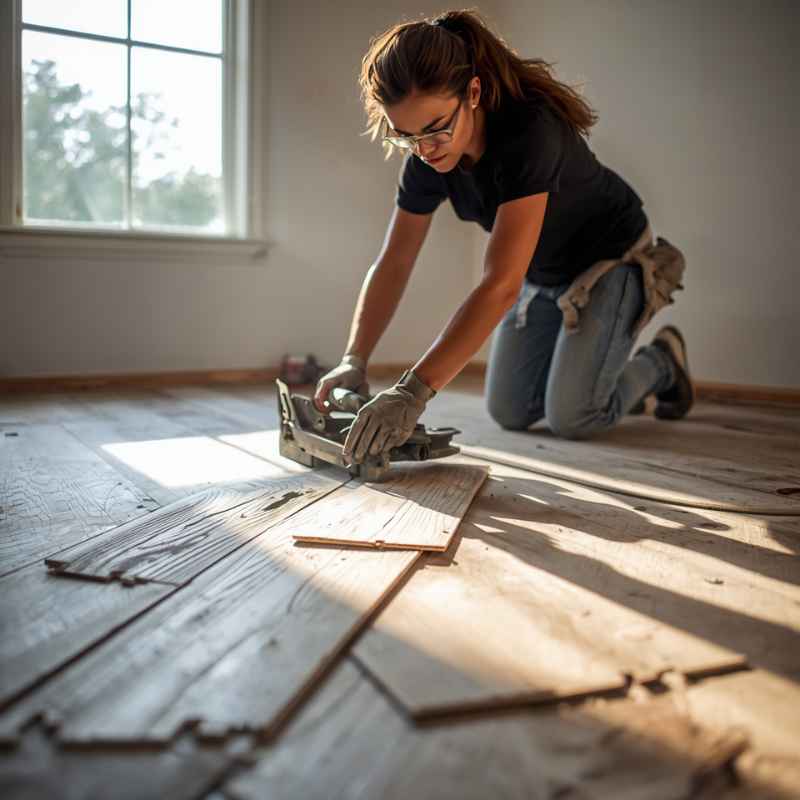
My Own Vinyl Cutting Nightmare
I remember my first big LVP project. It was in my old rental apartment. I thought I could just use my trusty utility knife.
I had a fresh blade. I watched a few videos online. It looked easy enough.
I laid down a plank. I scored it carefully. Then I tried to snap it.
The snap wasn’t clean at all. It tore the vinyl. The edge was rough and jagged.
I tried again. Same result. I started to panic.
The sun was setting. I had a whole room to cover. I ended up buying a cheap jigsaw.
That was even worse. Sawdust flew everywhere. The cuts were better but still not perfect.
I was so frustrated. My hands were sore. I felt defeated.
That’s when I decided I needed better tools.
Types of Vinyl Floor Cutters
Lever-Style Cutters: These have a long handle you push down. It scores and snaps the vinyl in one move. They are great for straight cuts.
They work well for planks and tiles.
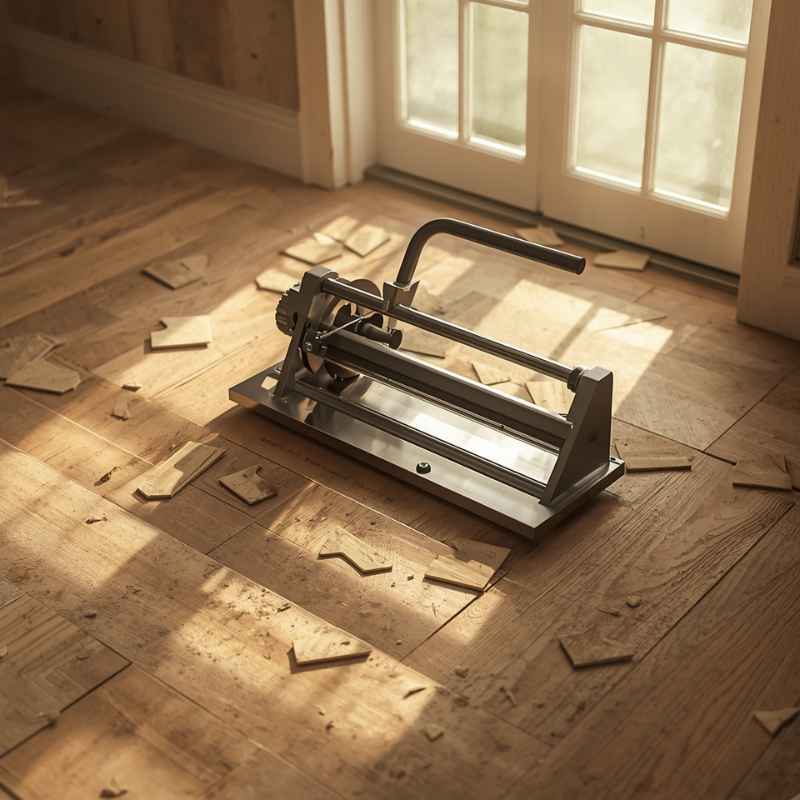
Guillotine-Style Cutters: These look like a small paper cutter. You place the vinyl under the blade. You then pull a lever.
This cuts the vinyl cleanly. They are good for very precise cuts.
Rotary-Cutters: Some tools use a spinning blade. You push it along a guide. This gives a smooth, clean cut.
They are good for long, straight lines.
The Roberts Brand: A Look at Their Tools
Roberts is a well-known brand in flooring tools. They make many products for installing floors. This includes tools for cutting, measuring, and laying.
Many pros and DIYers trust Roberts. They are known for making durable and reliable tools. This gives confidence when buying their products.
Roberts offers several types of vinyl cutters. Some are basic models for home use. Others are more heavy-duty for professionals.
They often have ergonomic designs. This means they are comfortable to hold and use. This is important for long jobs.
Their blades are usually made of good steel. This helps them stay sharp longer.
When looking at Roberts cutters, check the model number. Each one is designed for different tasks. Some are better for thicker vinyl.
Others work best for narrower planks. Reading reviews can help you find the right one. Many users praise Roberts cutters for their performance and lifespan.
Roberts Vinyl Cutter Models (Common Examples)
Model 10-94: A popular lever-style cutter. Good for LVP and LVT. It offers straight, clean cuts.
It’s often recommended for DIYers.
Model 10-95: A heavier-duty version. It can handle thicker vinyl. It has a longer base for more stability.
Model 10-98: A scoring cutter. This model scores a line. You then snap the vinyl.
It’s good for very precise work.
Model 10-70: A basic scoring knife. It’s simple and less expensive. Good for small jobs or touch-ups.
Is a Roberts Vinyl Floor Cutter Worth Buying in 2025?
The question is, are they worth the cost? For many people, yes. If you plan to install vinyl flooring yourself, a good cutter saves a lot of headaches.
Think about the time and frustration saved. Also, consider the cost of wasted material. A few bad cuts can cost more than a decent cutter.
Roberts cutters are a good investment. They are built to last. They perform well.
They make the job much easier. For a one-time project, you might think twice. But if you do flooring often, or want a really professional finish, it’s a smart buy.
Many DIYers find they pay for themselves quickly. This is through better results and less stress.
Consider the type of vinyl you are using. Some vinyl is thicker or has a tough backing. A more robust cutter will handle this better.
For thin vinyl, a simpler model might be enough. Always check the product details. It tells you what types of flooring the cutter is best for.
Comparing Cutters to Other Methods
Let’s compare these cutters to other ways of cutting vinyl. The simplest method is a utility knife. As I learned, this can be tricky.
It requires skill to get a straight line. It can also tear the material. The cuts might not be perfectly square.
Jigsaws and circular saws are other options. They make clean cuts. But they create a lot of dust.
They can also be noisy. You need to be careful with safety. These tools are usually for more complex cuts, like around doors or pipes.
For simple, straight cuts, they are often overkill.
Electric vinyl cutters are also available. These are more expensive. They offer speed and precision.
But for most home projects, a manual cutter is sufficient. Roberts cutters offer a good balance. They are not too expensive.
They are easy to use. They give great results for most tasks.
Quick Scan: Cutter vs. Knife vs. Saw
| Method | Ease of Use | Cut Quality | Speed | Mess | Cost |
|---|---|---|---|---|---|
| Roberts Cutter | High | Very High | High | Low | Medium |
| Utility Knife | Medium | Medium | Medium | Medium | Low |
| Jigsaw/Circular Saw | Medium-Low | High (with practice) | High | High (dust) | Medium-High |
Real-World Scenarios Where a Cutter Shines
Imagine you’re installing a new kitchen floor. You have many planks to cut. A Roberts cutter makes this go much faster.
You can cut several planks in minutes. This means you finish the job sooner. You can get back to enjoying your new kitchen.
Consider a bathroom remodel. Bathrooms often have tight spaces. You need precise cuts to fit around toilets and vanities.
A good cutter allows for these accurate measurements. This ensures a snug fit. It also helps prevent water damage.
Even small projects benefit. If you’re just replacing a few tiles in a hallway, a cutter is still useful. It provides a clean edge.
It makes the new tiles look seamless with the old ones. It’s about getting that professional touch without hiring someone.
When to Use a Cutter vs. Other Tools
Use a Cutter For:
- Straight cuts on LVP, LVT, sheet vinyl.
- Many cuts in a large room.
- Avoiding dust and noise.
- Beginner DIYers.
Consider a Saw For:
- Complex shapes or curves.
- Cutting through very thick or dense materials.
- Small number of cuts where dust isn’t an issue.
Use a Knife For:
- Very small touch-up cuts.
- When no other tool is available.
- Very thin, flexible vinyl.
What This Means for Your Project
If you’re planning a DIY flooring project, a good cutter is a game-changer. It simplifies the process. It improves your results.
It reduces stress. For Roberts cutters, in 2025, they remain a solid choice. They offer a blend of quality, ease of use, and price.
The key is choosing the right model for your specific needs. Look at the thickness of your vinyl. Look at the size of your planks or tiles.
Check the cutter’s specifications. This will help you find the best fit. Don’t be afraid to spend a little more for a better tool.
It will likely save you money and frustration in the long run.
Think about the total cost of your flooring project. The flooring itself, underlayment, adhesive, and trim all add up. A cutter is a small part of that cost.
But its impact on the final look is huge. A beautiful floor starts with good cuts. A Roberts cutter helps you achieve that.
Quick Tips for Using Your Cutter
Here are some tips to get the most out of your vinyl cutter. Always measure twice and cut once. This is an old saying, but it’s true!
Mark your cut line clearly. Make sure the vinyl is flat on the floor or a stable surface.
For plank vinyl, ensure the cutter is aligned with the plank edge. This gives a straight cut. For sheet vinyl, use a straight edge or a guide if your cutter has one.
This helps keep your line perfect. After scoring, apply even pressure to snap the vinyl.
Keep your cutter clean. Dust and debris can affect its performance. Store it properly.
Blades can get dull. Replace them when they stop cutting cleanly. This is vital for good results.
A sharp blade makes a huge difference.
Maintaining Your Roberts Cutter
Keep it Clean: Wipe down the cutter after each use. Remove any vinyl dust or debris. This prevents buildup.
Blade Care: Most Roberts cutters use replaceable blades. When cuts become rough, it’s time for a new blade. Check the manual for how to change it safely.
Lubrication: Some models may benefit from a light lubricant on moving parts. Consult your product manual for recommendations.
Storage: Store the cutter in a dry place. Protect the blade from damage. A protective cover is ideal.
Frequently Asked Questions About Vinyl Floor Cutters
Can any Roberts cutter cut luxury vinyl plank (LVP)?
Most Roberts vinyl floor cutters are designed to cut LVP. However, it’s important to check the specific model’s specifications. Thicker or denser LVP may require a more heavy-duty cutter.
Models like the 10-95 are often recommended for thicker materials.
How do I ensure a straight cut with a vinyl cutter?
For plank vinyl, ensure the plank is straight against the cutter’s guide. For sheet vinyl, use a measuring tape and chalk line. If your cutter has a guide, use it carefully.
Always score along your marked line consistently.
Are vinyl cutters safe to use?
Yes, vinyl cutters are generally very safe. They are designed to score and snap the material. This is much safer than using a sharp utility knife that can slip.
Always follow the manufacturer’s instructions for safe operation.
How often do I need to replace the blade on a Roberts cutter?
The frequency depends on how much you use the cutter and the type of vinyl. A good rule of thumb is to replace the blade when cuts start to look ragged or require more force. For heavy use, you might replace it after a large room.
For small projects, it might last for years.
Can I use a vinyl cutter for laminate flooring?
Generally, vinyl cutters are not suitable for laminate flooring. Laminate is much harder and denser. It requires a different type of cutting tool, like a laminate cutter or a saw.
Always use the correct tool for the material you are working with.
What is the difference between a scoring cutter and a snap cutter?
A scoring cutter makes a deep line on the surface of the vinyl. You then snap the vinyl along this line. A snap cutter scores and snaps in one motion.
Both methods aim for a clean break. Scoring cutters can offer more precision for some users.
Final Thoughts on Roberts Vinyl Cutters
In 2025, Roberts vinyl floor cutters remain a solid and reliable choice. They significantly improve the ease and quality of vinyl flooring installation. For anyone tackling a DIY project, investing in a good cutter like a Roberts model is highly recommended.
It prevents frustration, saves material, and ensures a professional-looking finish. Consider your project needs and choose the model that fits best.