Best Table Saw: 8 Top Picks Compared by Specs and Reviews (2026)

A table saw is the anchor tool of most woodworking shops — the machine that breaks down sheet goods, rips boards to width, and cuts joinery more accurately than almost anything else in the shop. But “best table saw” means something very different depending on whether you’re working out of a truck on a job site, setting up a first shop in a garage, or running a production cabinet shop. This guide compares eight current, widely available table saws across the specs that actually determine what you can cut — rip capacity, dado capacity, fence system, motor power, and safety technology — and cross-references manufacturer data against verified buyer and reviewer sentiment from Amazon, major retailers, and independent tool-review outlets to sort out which saw fits which shop.

Picks were chosen by comparing published rip capacity, dado capacity, and power specs side-by-side, then weighing that against aggregated buyer sentiment on retailer listings and professional tool-review sites — not in-house lab testing. If you’re still deciding which category of saw fits your shop at all, our guide to table saw types is a useful starting point before diving into specific models below.

Quick Picks

Best Overall

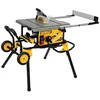
DEWALT DWE7491RS

the most complete jobsite package here — the biggest rip capacity of the portable saws and a track record as one of the best-selling jobsite saws for over a decade.

Best Value / Budget Pick

SKIL TS6307-00

it undercuts the DEWALT above by roughly $270 while keeping a genuine rack-and-pinion fence and a folding stand included.

Best Cordless

Bosch GTS18V-08N

it matches a 25″ corded jobsite rip capacity while running entirely on Bosch’s 18V CORE battery platform.

$469 (bare tool; kit pricing varies)

See why →

Best for Safety

SawStop CTS-120A60

its flesh-detection blade brake is a fundamentally different safety category from every other saw in this guide.

How These Table Saws Are Grouped

Rather than ranking eight table saws on a single scale, we grouped them by the situation each one actually fits best, since the right table saw depends heavily on whether you need job-site portability, cordless freedom, maximum rip capacity, flesh-detection safety, or true cabinet-saw precision. The eight categories below span that full range, from a $329 portable saw to a $4,353 cabinet saw:

  • Best Overall: DEWALT DWE7491RS
  • Best Value / Budget Pick: SKIL TS6307-00
  • Best Cordless: Bosch GTS18V-08N
  • Best for Safety: SawStop CTS-120A60
  • Best Rip Capacity: Metabo HPT C10RJS
  • Best Cordless Value: Ryobi ONE+ HP 18V Table Saw Kit
  • Best Contractor Saw: SawStop Contractor Saw CNS175-PFA30
  • Best Cabinet-Grade Precision: SawStop PCS31230-ATGP36

Looking to expand your knowledge on Table Saw? You’ll find this post helpful. Table Saw Gripper: What It Is and How It Stops Kickback

Table Saw Comparison Table

Rip capacity and dado capacity are the two specs that most directly determine what a table saw can actually do in a shop, so both get their own column below alongside motor power, weight, and price. Prices are approximate and reflect typical online pricing at the time of research — check current listings before buying.

Model Type Rip Capacity Dado Capacity Motor Arbor Weight Price Cost / Amp or HP* Verdict
DEWALT DWE7491RS
Best Overall
Jobsite (portable) 32-1/2″ right 13/16″ (8″ dado stack) 15A, 4,800 RPM 5/8″ ~90 lbs (with stand) $599 $39.93/Amp The benchmark jobsite saw: the widest rip capacity of any true jobsite model here, plus a built-in rolling stand and a fence that stays parallel to the blade.
SKIL TS6307-00
Best Value / Budget Pick
Jobsite (portable) 25-1/2″ right Requires separate SKIL dado insert plate (STA6307) 15A, 24-tooth carbide blade 5/8″ Foldable integrated stand $329 $21.93/Amp Real rack-and-pinion accuracy and a built-in folding stand for roughly half the price of the class leader.
Bosch GTS18V-08N
Best Cordless
Cordless portable 25″ right / 12″ left Supports Bosch TS0801 dado insert (sold separately) 18V BITURBO brushless 5/8″ 44 lbs $469 (bare tool) N/A — battery-powered Corded-saw rip capacity without a cord — 25″ to the right of the blade running entirely on Bosch’s 18V CORE battery platform.
SawStop CTS-120A60
Best for Safety
Benchtop / compact 24-1/2″ right / 9-1/2″ left Not compatible with dado blades (per SawStop) 15A 5/8″ 68 lbs (saw body) $974 $64.93/Amp The only saw in this guide that can stop and retract its own blade on contact with skin, in a genuinely portable compact body.
Metabo HPT C10RJS
Best Rip Capacity
Jobsite (portable) 35″ right / 22″ left 8″ x 13/16″ (native, no separate accessory needed) 15A, 4,500 RPM 5/8″ 96 lbs $598 $39.87/Amp The widest rip capacity of any saw in this comparison, corded or cordless, on a table large enough to actually support what you’re cutting.
Ryobi ONE+ HP 18V Table Saw Kit
Best Cordless Value
Cordless compact 12″ right / ~7-1/4″ left Not published by manufacturer — confirm before buying if needed 18V brushless, up to 4,500 RPM 5/8″ $349.99 N/A — battery-powered The most affordable route into a cordless table saw, with enough runtime for a full day of cutting and a battery platform most DIYers already own into.
SawStop Contractor Saw CNS175-PFA30
Best Contractor Saw
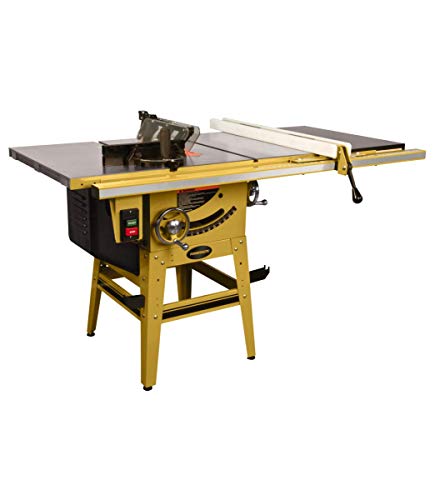
Contractor (stationary, cast-iron) Up to 30″ right (with 30″ Premium Fence) 8″ diameter, max 29/32″ width (requires separate dado brake cartridge and insert) 1.75HP, 120V, 14A (field-configurable to 220V) 5/8″ ~280 lbs shipping weight $2,249 $1,285.14/HP Cast-iron contractor-saw stability plus flesh-detection braking, at a lower cost and footprint than a full cabinet saw.
SawStop PCS31230-ATGP36
Best Cabinet-Grade Precision
Cabinet saw 36″ right (with 36″ T-Glide fence) 8″ stacked dado sets, max 13/16″ width 3HP, max 4,000 RPM 5/8″ 335 lbs (saw body); ~426 lbs assembled with 36″ fence $4,353 $1,451.00/HP Full cabinet-saw mass and a 3HP motor for woodworkers who’ve outgrown a contractor saw’s capacity and want the most cutting authority available.

All eight saws in this comparison use the same 5/8″ arbor (confirmed against manufacturer and distributor spec sheets), so blade and dado-stack compatibility comes down to bore fit on any of them — the real differentiator is capacity and dado support, not arbor size. The “Cost / Amp or HP” column is a computed figure, not a published spec, and it deliberately isn’t one consistent scale: amps and horsepower measure different things and aren’t directly interchangeable, despite how often they get treated as equivalent in tool marketing. For the six 120V corded saws, it’s current price ÷ rated amps (e.g. the DEWALT’s $599 ÷ 15A = $39.93/Amp), which lets you compare corded saws to each other. For the two stationary SawStop saws, it’s current price ÷ the manufacturer’s stated continuous-duty horsepower (the $2,249 Contractor Saw ÷ 1.75HP = $1,285.14/HP). Don’t compare a $/Amp figure to a $/HP figure as if they’re on the same scale — a 15A nameplate rating on a universal motor is not the same measurement as an induction motor’s rated horsepower. The two cordless saws don’t publish a comparable amp-draw or HP figure, so they’re marked N/A rather than estimated.

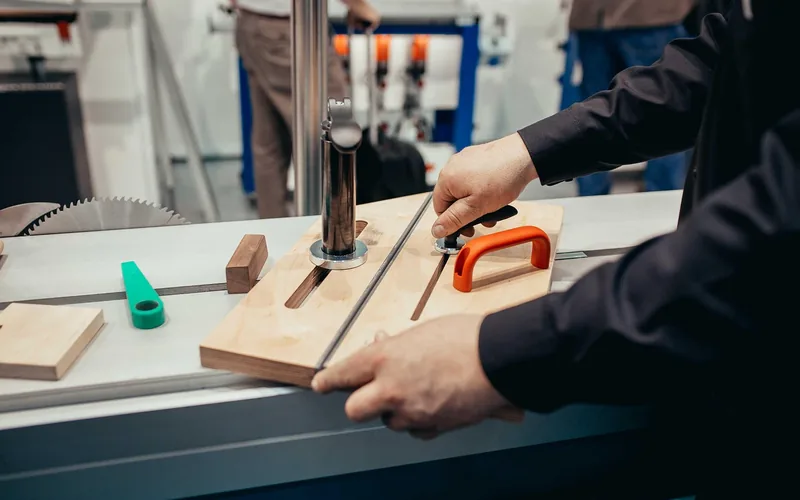
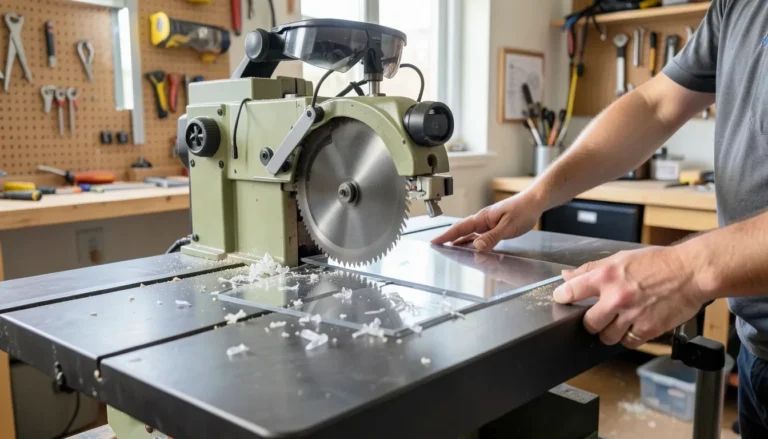
hands adjusting a jig on a sliding table saw table
Rip capacity and dado capacity determine what a table saw can handle before you even look at the motor.

Want more in-depth information on Table Saw? Don’t miss this article. Table Saw Miter Gauge: What It Is & How to Calibrate It

Full Reviews: 8 Table Saws Worth Buying

Best Overall: DEWALT DWE7491RS

Best Overall • Approx. $599

DEWALT DWE7491RS 10-Inch Jobsite Table Saw with Rolling Stand

DEWALT DWE7491RS 10-Inch Jobsite Table Saw with Rolling Stand

Type Jobsite (portable)
Rip Capacity 32-1/2″ right
Dado Capacity 13/16″ (8″ dado stack)
Motor 15A, 4,800 RPM
  • Widest rip capacity of any true jobsite saw in this guide at 32-1/2″
  • Rack-and-pinion fence stays parallel to the blade and locks down fast without drifting
  • Integrated rolling stand folds flat for transport and sets up without tools
  • 15-amp motor at 4,800 RPM has power to spare for ripping 2x lumber and sheet goods
  • At roughly 90 lbs with the stand, it’s not a one-person carry up a flight of stairs
  • Relies on a conventional blade guard and anti-kickback pawls rather than a flesh-detection system

Check Price on Amazon

The DWE7491RS has been one of the best-selling jobsite table saws for over a decade, and it earns the top spot here for the same reason it’s stayed popular: it doesn’t force a trade-off between portability and capacity. A 32-1/2″ rip capacity is wide enough to break down a full sheet of plywood without repositioning, which is more than most portable saws in this price range offer, and the rack-and-pinion fence is the same style used on cabinet saws costing far more.

Owners and reviewers consistently point to the fence as the standout feature — it telescopes for wide rips, locks down without walking out of parallel, and doesn’t need the periodic re-calibration that cheaper cam-lock fences do. The 15-amp motor at 4,800 RPM handles dimensional lumber and manufactured sheet goods without bogging down, and the rolling stand means it can move from truck to job site without a second person.

Its real limitations are size and safety technology: at around 90 lbs assembled, it’s a two-hand carry even with wheels, and it uses a conventional blade guard, riving knife, and anti-kickback pawls rather than the flesh-detection braking found on the SawStop models later in this guide. For a woodworker who wants proven jobsite capacity without paying for a stationary saw, it remains the safe default recommendation.

Find out more about Table Saw by exploring this related topic. Table Saw Jigs: 7 Types & Which to Build First

Best Value / Budget Pick: SKIL TS6307-00

Best Value / Budget Pick • Approx. $329

SKIL TS6307-00 15-Amp 10-Inch Portable Jobsite Table Saw with Folding Stand

SKIL TS6307-00 15-Amp 10-Inch Portable Jobsite Table Saw with Folding Stand

Type Jobsite (portable)
Rip Capacity 25-1/2″ right
Dado Capacity Requires separate SKIL dado insert plate (STA6307)
Motor 15A, 24-tooth carbide blade
  • Rack-and-pinion fence at a price point that usually only gets a cheaper cam-lock design
  • Integrated folding stand included, so there’s no separate stand purchase
  • 15-amp motor and 10″ 24-tooth blade handle standard dimensional lumber without bogging down
  • Positive bevel stops at 0° and 45° make repeat square and mitered cuts easier to reset
  • 25-1/2″ rip capacity is noticeably narrower than the DEWALT or Metabo HPT picks in this guide
  • Dado cuts require SKIL’s separate dado insert plate accessory, which isn’t included in the box

Check Price on Amazon

The TS6307-00 is the saw to point a budget-conscious buyer toward first. At around $329, it costs roughly half of the DEWALT DWE7491RS above, yet it doesn’t cut the corner most budget saws do: the fence is genuine rack-and-pinion, the same mechanism used on far more expensive saws, rather than the cam-lock or clamp-style fences typical at this price.

Reviewers and owners describe the fold-up stand as sturdy for a saw in this price class, and the 15-amp motor keeps pace with dimensional lumber and plywood for typical DIY and remodeling work. Pro Tool Reviews specifically called it out as a strong “best for the money” pick among current jobsite saws, which lines up with what buyer feedback says about it holding calibration over time.

The compromises are capacity, not build quality: 25-1/2″ of rip capacity is enough for most sheet-good breakdown but noticeably less than the DEWALT’s 32-1/2″ or the Metabo HPT’s 35″, and dado cuts require buying SKIL’s separate insert plate rather than being ready out of the box. For occasional-to-regular use where budget matters more than maximum rip capacity, it’s a legitimately strong pick.

For more on this specific saw, see our dedicated SKIL 10-inch table saw review.

Want to learn more about Table Saw? This post could provide more insights. Build A Table For Your Table Saw: Step-By-Step Diy Guide

Best Cordless: Bosch GTS18V-08N

Best Cordless • Approx. $469 (bare tool; kit pricing varies)

BOSCH GTS18V-08N PROFACTOR 18V 8-1/4" Portable Table Saw

BOSCH GTS18V-08N PROFACTOR 18V 8-1/4″ Portable Table Saw

Type Cordless portable
Rip Capacity 25″ right / 12″ left
Dado Capacity Supports Bosch TS0801 dado insert (sold separately)
Motor 18V BITURBO brushless
  • 25″ rip capacity to the right of the blade rivals corded jobsite saws twice its weight
  • BITURBO brushless motor is built for sustained ripping, not just occasional cuts
  • At 44 lbs it’s dramatically lighter than any corded jobsite saw with a stand in this guide
  • Shares CORE18V batteries with the rest of Bosch’s 18V PROFACTOR tool lineup
  • Sold as a bare tool; a CORE18V 8Ah battery and charger add a meaningful cost on top of the saw
  • 12″ rip capacity to the left of the blade is tight if you regularly need width on that side

Check Price on Amazon

The GTS18V-08N is the saw that made a cordless table saw a realistic option for real ripping work, not just light trim cuts. Bosch’s own spec sheet lists 25″ of rip capacity to the right of the blade, a number that matches or beats several corded jobsite saws, and it does that running entirely on the same CORE18V battery platform that powers Bosch’s other PROFACTOR tools.

Independent reviewers who’ve run it side-by-side with corded saws describe the BITURBO brushless motor as genuinely capable of sustained ripping rather than bogging down after a few cuts, which is the complaint that’s dogged earlier cordless table saws. At 44 lbs it’s also dramatically easier to move between a truck bed and a job site than any corded jobsite saw with a stand.

The catch is cost structure: it’s sold as a bare tool, and a CORE18V 8Ah battery plus charger adds real money on top of the roughly $469 bare-tool price — check current kit listings for the exact battery-and-charger bundle price before comparing it directly against a corded saw. If you’re not already invested in Bosch’s 18V platform, factor that added cost into the comparison.

Interested in more about Table Saw? Here's an article you might find helpful. Portable Sawmill For Rent Near You: What You Need To Know

Best for Safety: SawStop CTS-120A60

Best for Safety • Approx. $974

SawStop CTS-120A60 Compact Table Saw with Flesh-Detection Safety System

SawStop CTS-120A60 Compact Table Saw with Flesh-Detection Safety System

Type Benchtop / compact
Rip Capacity 24-1/2″ right / 9-1/2″ left
Dado Capacity Not compatible with dado blades (per SawStop)
Motor 15A
  • Flesh-detection braking system stops and retracts the blade in milliseconds on contact with skin
  • Quick-tilt bevel with micro-adjust allows one-hand precision angle changes
  • 24-1/2″ rip capacity is generous for a benchtop-class saw
  • Backed by SawStop’s long safety track record and injury-prevention data
  • Costs roughly three times a comparable non-safety benchtop saw
  • Not compatible with dado blade sets at all
  • A triggered brake cartridge and blade must be replaced after activation, including false trips from damp or otherwise conductive material — a real ongoing cost

Check Price on Amazon

SawStop’s flesh-detection system works by running a small electrical signal through the spinning blade; the instant that signal changes because skin (which conducts electricity very differently than wood) contacts the blade, an aluminum brake block springs into the blade and the arbor drops below the table, stopping the cut in milliseconds. It’s the reason SawStop is the only brand in this category most professional shops and cabinetmaking programs specifically require.

The CTS-120A60 packages that system into a genuinely compact, benchtop-class saw rather than only offering it on full-size stationary saws, with a 24-1/2″ rip capacity that’s competitive with much larger jobsite saws and a quick-tilt bevel mechanism reviewers single out for how easily it can be adjusted one-handed mid-project.

The tradeoffs are real and worth planning for: it costs meaningfully more than a comparable saw without the safety system, it can’t run a dado stack at all (the mechanism isn’t built to accommodate the heavier, wider cutting head), and a brake activation — including a false trigger from wet lumber or other conductive material — means buying a replacement cartridge and blade before the saw is usable again. For anyone who weighs that cost against the injury data, it’s an easy trade.

Best Rip Capacity: Metabo HPT C10RJS

Best Rip Capacity • Approx. $598

Metabo HPT C10RJS 10-Inch Table Saw with Fold and Roll Stand

Metabo HPT C10RJS 10-Inch Table Saw with Fold and Roll Stand

Type Jobsite (portable)
Rip Capacity 35″ right / 22″ left
Dado Capacity 8″ x 13/16″ (native, no separate accessory needed)
Motor 15A, 4,500 RPM
  • 35″ rip capacity to the right of the blade is the widest in this comparison
  • Native 8″ x 13/16″ dado capacity without needing a separate accessory kit
  • Oversized 28-3/4″ x 22″ table supports large panels better than most jobsite saws
  • Soft start and electric brake reduce startup kickback risk and speed up repeated cuts
  • At 96 lbs it’s the heaviest portable saw in this comparison
  • No flesh-detection safety system

Check Price on Amazon

The C10RJS answers a specific question: what if a jobsite saw’s rip capacity matched a cabinet saw’s? At 35″ to the right of the blade, it beats every other portable saw in this guide, including the DEWALT’s 32-1/2″, and the oversized 28-3/4″ x 22″ table actually gives a sheet of plywood or a long board somewhere to rest instead of tipping off the edge mid-cut.

It’s also the only jobsite-class saw here with native 8″ x 13/16″ dado capacity — no separate insert plate purchase required, unlike the SKIL and Bosch picks above. Reviewers and owners consistently credit the soft-start motor and electric brake for making repeated cuts feel less abrupt and safer to work around than saws that snap to full RPM instantly.

The size that gives it class-leading rip capacity is also its main drawback: at 96 lbs, it’s the heaviest saw in this comparison to load, unload, and fold for storage, and like the DEWALT and SKIL above it, it relies on a conventional guard rather than flesh-detection braking. For anyone regularly breaking down full sheets of plywood on a jobsite saw, though, the extra weight is a fair trade for the extra table and rip capacity.

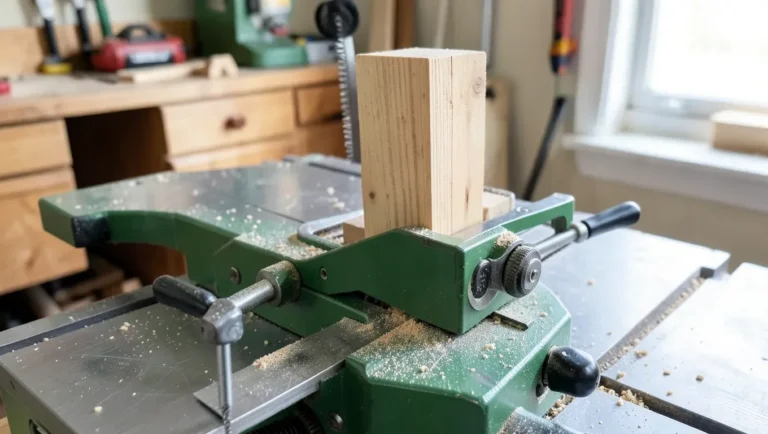
table saw blade with sawdust in a workshop
A wider table and rip capacity mean less repositioning when breaking down full sheets of plywood.

Best Cordless Value: Ryobi ONE+ HP 18V Table Saw Kit

Best Cordless Value • Approx. $349.99

RYOBI ONE+ HP 18V Brushless Cordless 8-1/4" Compact Table Saw Kit

RYOBI ONE+ HP 18V Brushless Cordless 8-1/4″ Compact Table Saw Kit

Type Cordless compact
Rip Capacity 12″ right / ~7-1/4″ left
Dado Capacity Not published by manufacturer — confirm before buying if needed
Motor 18V brushless, up to 4,500 RPM
  • Included battery kit at $349.99 makes it the most affordable cordless option in this guide by a wide margin
  • ONE+ HP brushless motor is rated for up to 4,500 RPM
  • Rated for up to 240 linear feet of ripping per charge with the included (2) 4Ah batteries
  • Compatible with the wider ONE+ 18V battery platform, useful if you already own other Ryobi tools
  • 12″ rip capacity to the right of the blade is the narrowest of any saw in this guide, better suited to smaller stock than full sheet goods
  • Ryobi has not published dado capacity or bevel range specifications for this model, so confirm compatibility directly before buying if either matters for your projects

Check Price on Amazon

Ryobi’s ONE+ HP platform exists to bring brushless, corded-comparable power to tools that plug into batteries most DIYers already own from drills and other ONE+ tools, and this table saw is that pitch applied to a genuinely useful shop tool. At $349.99 including two 4Ah batteries and a charger, it undercuts every other cordless pick in this guide on total kit price.

Ryobi rates it for up to 240 linear feet of ripping per charge with the bundled batteries, which is a full day of typical hobbyist cutting between charges, and the brushless motor is rated to spin up to 4,500 RPM — in the same range as the corded jobsite saws in this comparison. The rack-and-pinion height adjustment and self-aligning fence are details usually reserved for pricier saws.

Where it clearly gives something up is rip capacity: 12″ to the right of the blade is the narrowest in this guide, which rules out breaking down full sheet goods but is plenty for furniture-scale stock, trim, and smaller shop projects. Ryobi also hasn’t published dado capacity or bevel range for this model at the time of writing — if either is a hard requirement, confirm directly with Ryobi or a retailer before buying rather than assuming compatibility.

See our full Ryobi table saw with stand breakdown for more on how this fits into Ryobi’s wider table saw lineup.

Best Contractor Saw: SawStop Contractor Saw CNS175-PFA30

Best Contractor Saw • Approx. $2,249

SawStop CNS175-PFA30 1.75HP Contractor Saw with 30-Inch Premium Fence

SawStop CNS175-PFA30 1.75HP Contractor Saw with 30-Inch Premium Fence

Type Contractor (stationary, cast-iron)
Rip Capacity Up to 30″ right (with 30″ Premium Fence)
Dado Capacity 8″ diameter, max 29/32″ width (requires separate dado brake cartridge and insert)
Motor 1.75HP, 120V, 14A (field-configurable to 220V)
  • Cast-iron table and stationary trunnion hold blade alignment far better over time than any portable saw in this guide
  • Flesh-detection blade brake, the same core safety system as the compact and cabinet SawStop models
  • 1.75HP motor is field-configurable between 120V and 220V power
  • 30″ rip capacity with room to upgrade to a longer fence rail later if needed
  • At roughly $2,249 and 280 lbs shipped, it’s a serious investment of both money and permanent shop space
  • Dado cuts require buying a separate dado brake cartridge and zero-clearance insert
  • Needs a dedicated circuit and a fixed spot in the shop, unlike any of the portable saws above

Check Price on Amazon

A contractor saw sits between a jobsite saw and a full cabinet saw: it’s stationary and built around a cast-iron table and trunnion for the kind of long-term accuracy a folding-stand saw can’t match, but it’s lighter, smaller, and considerably cheaper than a true cabinet saw. SawStop’s CNS175-PFA30 is that category with flesh-detection braking included, not treated as a separate purchase.

The 1.75HP motor is field-configurable between standard 120V household circuits and a 220V circuit for more consistent power under load, and the 30″ rip capacity with the Premium Fence handles most furniture and cabinetry work without needing to upgrade — though SawStop does sell longer fence rail kits if 52″ of rip capacity becomes necessary later.

The commitment is real: at roughly 280 lbs shipped and needing a permanent spot in the shop, this isn’t a saw that moves between a truck and a job site, and dado cuts require buying SawStop’s separate brake cartridge and insert rather than working out of the box. For a woodworker who has outgrown a jobsite saw’s accuracy but isn’t ready for a full cabinet saw’s cost and footprint, it’s the logical next step.

Best Cabinet-Grade Precision: SawStop PCS31230-ATGP36

Best Cabinet-Grade Precision • Approx. $4,353

SawStop PCS31230-ATGP36 3HP Professional Cabinet Saw with 36-Inch T-Glide Fence

SawStop PCS31230-ATGP36 3HP Professional Cabinet Saw with 36-Inch T-Glide Fence

Type Cabinet saw
Rip Capacity 36″ right (with 36″ T-Glide fence)
Dado Capacity 8″ stacked dado sets, max 13/16″ width
Motor 3HP, max 4,000 RPM
  • 3HP motor with a max 4,000 RPM delivers more sustained cutting power than any other saw in this guide
  • Cabinet-saw trunnion and heavier castings hold blade alignment better over years of use than contractor or jobsite saws
  • Flesh-detection blade brake carries over from SawStop’s contractor and compact lines
  • 36″ rip capacity handles full sheet goods without repositioning the material
  • At over $4,300 and 400+ lbs assembled, it’s priced and sized for a dedicated shop, not a garage that doubles as parking
  • Most configurations require 220V wiring and professional-level assembly
  • Meaningful overkill for occasional or hobbyist-level use where a contractor saw would be plenty

Check Price on Amazon

A cabinet saw fully encloses its trunnion and motor in a steel or cast cabinet rather than an open stand, and that mass is exactly what gives it the vibration-free, long-term accuracy production shops and serious hobbyists pay for. SawStop’s Professional Cabinet Saw brings that category together with the same flesh-detection braking used across the rest of the brand’s lineup, rather than treating safety as a premium-only feature.

The 3HP motor spinning up to 4,000 RPM is the strongest in this entire comparison, and the 36″ rip capacity (with the T-Glide Advance fence configuration reviewed here) handles a full sheet of plywood or MDF without needing to flip or reposition it mid-cut — something none of the portable or contractor saws above can match as comfortably.

None of that comes cheap or small: at roughly $4,353 and well over 400 lbs assembled, it needs a dedicated 220V circuit in most configurations, professional-grade assembly, and a permanent footprint that rules it out for anyone without a real dedicated shop space. For a production cabinet shop or a serious hobbyist building a shop around one saw for the next twenty years, that’s the correct trade to make; for occasional weekend projects, the SawStop Contractor Saw above delivers most of the same safety benefit for roughly half the cost.

If cabinet-saw mass and precision at this scale is more than your shop needs, our roundup of the largest table saws and our Harvey table saw review cover other cabinet-and-hybrid-class options worth comparing before you commit to a specific brand.

How We Picked These Saws

We did not run these saws through in-house lab testing with instrumented cut measurements. What we did instead: pulled published manufacturer specifications for rip capacity, dado capacity, motor power, and weight directly from DEWALT, SKIL, Bosch, SawStop, Metabo HPT, and Ryobi’s own product data and spec sheets, then cross-referenced that against aggregated buyer feedback on Amazon and major retailers, plus independent tool-review outlets (Pro Tool Reviews, This Old House, Bob Vila, and similar outlets that do publish hands-on testing) to see whether real-world sentiment matched the spec sheet. Where a claim in this guide is about lived experience — like a fence holding calibration over time, or a motor bogging down under sustained ripping — that came from that review and buyer-feedback research, not from us running the saw ourselves. Where a manufacturer hadn’t published a spec (like dado capacity on the Ryobi ONE+ HP kit), we said so rather than guessing.

The practical criteria we weighed, in rough order of importance for a woodworking-focused audience:

  • Rip capacity: the distance from the blade to the fence at its maximum setting, since this determines the largest panel or board a saw can rip in one pass.
  • Dado capacity: whether a saw can run a stacked dado set at all, and how wide a dado it can cut, since this rules certain saws out for joinery-heavy work entirely.
  • Power and category: motor amperage/horsepower and whether the saw is a benchtop, jobsite, contractor, or cabinet design, since that dictates both cutting authority and long-term accuracy.
  • Safety technology: whether the saw relies on a conventional riving-knife-and-guard system or adds flesh-detection braking, and what that costs.
  • Value and verified user-review sentiment: price relative to the feature set, plus recurring themes across retailer and independent reviews — both praise and recurring complaints.

Table Saw Buying Guide

Benchtop vs. Jobsite vs. Contractor vs. Cabinet Saws

These four categories describe how a saw is built, and that build largely determines everything else about it. Benchtop and compact saws (like the SawStop CTS-120A60 and Ryobi ONE+ HP above) are the lightest and least expensive, designed to sit on a bench or stand and move easily, at the cost of smaller rip capacity. Jobsite saws (the DEWALT, SKIL, Bosch, and Metabo HPT picks here) add a folding or rolling stand and generally wider rip capacity, aimed at contractors who need a saw that survives a truck bed. Contractor saws (the SawStop CNS175 above) are stationary, cast-iron machines that trade portability for long-term accuracy at a mid-range price. Cabinet saws (the SawStop PCS above) fully enclose the trunnion in a heavy cabinet for the most vibration-free precision and power, at the highest cost and the largest permanent footprint. A hybrid saw is a middle ground some manufacturers sell — contractor-saw pricing and portability with some cabinet-saw design elements.

Rip Capacity: How Much Do You Actually Need?

Rip capacity is the maximum distance between the blade and the fence, and it directly determines the widest board or panel you can rip in a single pass. A full sheet of plywood is 48″ wide, so ripping one in half requires roughly 24″ of capacity — every saw in this guide except the Ryobi ONE+ HP kit and the SawStop CTS-120A60’s left-side capacity clears that. For furniture and cabinetry work with narrower stock, 12–25″ of rip capacity covers most cuts; for regularly breaking down full sheet goods, look toward the 30–36″ range the Metabo HPT, SawStop Contractor Saw, and SawStop PCS offer.

Blade Size and Depth of Cut: 8-1/4″ vs. 10″

Blade diameter is the other spec worth checking before rip capacity, since it directly sets how thick a board a saw can cut through in one pass. The DEWALT, SKIL, both SawStop models, and the Metabo HPT in this guide all use a full-size 10″ blade, which is the standard for jobsite, contractor, and cabinet saws and cuts a confirmed 3-1/8″ deep at 90° on the DEWALT, SawStop CTS-120A60, Metabo HPT, and SawStop Contractor Saw — enough to get through standard 2x dimensional lumber and most sheet goods in a single pass. The Bosch GTS18V-08N and Ryobi ONE+ HP kit instead use a smaller 8-1/4″ blade, which trades some depth of cut for a lighter, more compact cordless saw body; Bosch confirms 2-1/2″ of depth at 90° (1-3/4″ at 45°) for its saw, which comfortably clears 2x lumber but not thicker stock in one pass.

Bevel depth also drops meaningfully below straight 90° depth on every saw that publishes both numbers — the SawStop CTS-120A60 goes from 3-1/8″ at 0° down to 2-1/8″ at 45°, and the Metabo HPT and SawStop Contractor Saw both drop from 3-1/8″ to 2-1/4″. If you regularly bevel-cut thicker stock, check the 45° figure specifically rather than assuming it scales evenly from the 90° number. SKIL, Ryobi, and SawStop have not published depth-of-cut figures for the TS6307-00, ONE+ HP kit, or Professional Cabinet Saw respectively at the time of writing, so confirm those directly with the manufacturer if exact depth matters for your project.

Dado Capacity and Stacked Dado Sets

A dado is a flat-bottomed groove cut across or with the grain, commonly used for shelving, drawer bottoms, and cabinet joinery, and it’s cut with a stacked dado set (multiple blades and chippers combined) rather than a single blade. Not every table saw can run one: the SawStop CTS-120A60 explicitly cannot accept a dado stack at all, because the lightweight arbor and safety mechanism aren’t built for the added mass and forces. The Metabo HPT C10RJS and both SawStop stationary saws in this guide handle 8″ dado sets natively or with a dedicated insert, while the SKIL and Bosch picks need a separate accessory insert plate purchased on top of the saw. If dado joinery is part of your regular workflow, confirm dado compatibility before buying rather than assuming every table saw can do it.

Fence Systems: Rack-and-Pinion vs. T-Square / T-Glide

The fence is arguably the single part most responsible for a table saw’s accuracy, since it has to stay perfectly parallel to the blade at every setting. A rack-and-pinion fence — used on the DEWALT, SKIL, Bosch, and SawStop CTS-120A60 in this guide — uses a geared rail so the fence tracks smoothly and locks down without walking out of alignment, and it’s become the standard even on budget jobsite saws. Cabinet and contractor saws often use a heavier T-square or T-glide style fence (the SawStop Contractor and Professional Cabinet Saw both use SawStop’s T-Glide system), which rides on a solid front rail for even more rigidity on longer rip cuts. Avoid saws that still use older cam-lock or clamp-style fences if repeatable accuracy matters for your work.

Corded vs. Cordless Power

Corded saws still hold an edge in sustained power for long ripping sessions and never run out of charge mid-cut. Cordless picks like the Bosch GTS18V-08N and Ryobi ONE+ HP kit have closed most of that gap for typical shop and job-site use — the Bosch in particular matches corded jobsite rip capacity on battery power alone — and they win on setup speed and mobility since there’s no cord or generator to manage. If your saw lives in one spot in a shop with power already run to it, corded remains the simpler and usually cheaper choice; if you move between sites or work somewhere outlets are inconvenient, cordless is worth the added battery investment. If cordless is specifically what you’re after, our dedicated best cordless table saw comparison goes deeper on battery-only picks than the two cordless models covered in this broader roundup.

Safety Features: Riving Knives, Blade Guards, and Flesh-Detection

  • Riving knife: a curved piece of metal just behind the blade that keeps the kerf (the cut you’ve just made) from pinching closed and binding the blade — the single most common cause of dangerous kickback. Standard on every saw in this guide.
  • Blade guard and anti-kickback pawls: a clear cover over the blade plus one-way teeth that dig into the workpiece if it starts moving backward toward the operator. Present on the DEWALT, SKIL, Bosch, and Metabo HPT in this guide.
  • Flesh-detection blade brake: the technology used on all three SawStop models here (the CTS-120A60, Contractor Saw, and Professional Cabinet Saw), which stops and retracts the blade in milliseconds on contact with skin — a fundamentally different safety category from a passive guard, at a real cost premium and the ongoing cost of replacing a cartridge and blade after any activation.

Portability: Stands and Mobility

If the saw needs to move between a truck and a job site, look at how the stand folds and whether it has wheels — the DEWALT’s rolling stand and the SKIL’s folding stand are both built into the saw rather than sold separately, which matters for total cost and setup time. A miter saw stand is generally not a substitute for a table saw’s own stand: table saws need a flat, level, and stable surface directly under the blade and fence, which most dedicated miter saw stands aren’t designed to provide safely. Stationary contractor and cabinet saws skip the portability question entirely and are meant to stay in one spot in the shop.

For a wider view of how a table saw fits into a woodworking shop’s tool lineup, see our table saw hub, and if you want a broader look at how different table saw reviews and rankings compare, our table saw reviews and Consumer Reports comparison and Craftsman table saw review cover other models and brands not featured in this specific roundup.

Frequently Asked Questions

What’s the difference between a benchtop, jobsite, contractor, and cabinet table saw?

Benchtop and compact saws are the lightest and least expensive, built to sit on a bench or stand with smaller rip capacity. Jobsite saws add a folding or rolling stand and generally wider rip capacity for contractors moving between sites. Contractor saws are stationary, cast-iron machines that trade portability for long-term accuracy at a mid-range price. Cabinet saws fully enclose the trunnion in a heavy cabinet for the most vibration-free precision and power, at the highest cost and largest footprint.

How much rip capacity do I actually need for woodworking?

A full sheet of plywood is 48 inches wide, so ripping one in half needs roughly 24 inches of rip capacity, which most jobsite and larger saws clear. For furniture and cabinetry work with narrower stock, 12 to 25 inches covers most cuts. If you regularly break down full sheet goods, look toward the 30 to 36 inch range offered by larger contractor and cabinet saws.

Can every table saw cut dado joints?

No. Some saws, like the SawStop CTS-120A60 in this guide, explicitly cannot accept a stacked dado set because their arbor and safety mechanism aren’t built for the added mass and forces. Others need a separate accessory insert plate purchased on top of the saw, while a few, like the Metabo HPT C10RJS, handle common dado sizes natively. Confirm dado compatibility before buying if joinery work is part of your routine.

Is a cordless table saw powerful enough for regular woodworking?

Modern brushless cordless table saws like the Bosch GTS18V-08N have closed most of the power gap with corded jobsite saws, matching rip capacity in the 25-inch range on battery power alone. More affordable cordless options like the Ryobi ONE+ HP kit trade some rip capacity for a lower price, which suits furniture-scale work better than full sheet-good breakdown. For sustained daily use, battery runtime and the cost of extra batteries are the main practical tradeoffs, not raw cutting power.

What stand or base do I need for a portable table saw?

Most jobsite table saws, including the DEWALT DWE7491RS and SKIL TS6307-00 in this guide, include a folding or rolling stand built into the saw rather than requiring a separate purchase. A miter saw stand is generally not a safe substitute, since table saws need a flat, level, stable surface directly under the blade and fence. Stationary contractor and cabinet saws skip this question entirely and are designed to stay in one permanent spot in the shop.

Is SawStop’s flesh-detection technology worth the extra cost?

SawStop’s flesh-detection system stops and retracts the blade in milliseconds on contact with skin, a fundamentally different safety category from a conventional blade guard and riving knife. It adds a real cost premium over comparable saws without the system, and a triggered brake activation (including false trips from damp or otherwise conductive material) means replacing a cartridge and blade before the saw works again. Many professional shops and woodworking programs specifically require it, which reflects how seriously the industry treats that safety margin.

Final Verdict

For most woodworkers setting up a first real shop or working off a job site, the DEWALT DWE7491RS remains the safest all-around pick, and the SKIL TS6307-00 is the smarter buy if budget matters more than maximum rip capacity. Going cordless no longer means giving up serious cutting capacity — the Bosch GTS18V-08N proves that, while the Ryobi ONE+ HP kit is the most affordable way in. If flesh-detection safety is a priority at any budget, the SawStop lineup spans from the compact CTS-120A60 through the Contractor Saw to the full Professional Cabinet Saw, so there’s a tier at nearly every price point. Match the category to your actual shop and workflow rather than chasing the single highest-spec saw, and any of these eight will serve a home shop or job site well.

Similar Posts