Can You Paint Laminate Wood? Yes, With the Right Primer
Yes, you can paint laminate wood — but only if you use a bonding primer designed for glossy, non-porous surfaces, since standard primer will not grip the melamine wear layer. Skip that step and the paint sheets off in scratches or full flakes within weeks. This guide covers surface prep, the primer that actually works, paint selection, and how the process changes for furniture, cabinets, and flooring.
Quick Answer
Yes — clean the surface, scuff it with 220-grit sandpaper (or skip sanding with a shellac-based bonding primer), apply a bonding primer like Zinsser B-I-N, then two coats of enamel or cabinet-grade paint. Laminate flooring can be painted too, but expect 1–2 years of wear in high-traffic areas before it needs a touch-up.
What You Need Before You Start
Best Laminate Cabinet Paint Pick
Rust-Oleum Cabinet Transformations Complete Coating Kit
A degreaser, bonding coat, and protective top coat in one box — built specifically for laminate, melamine, wood, and metal cabinets.
- Best for: laminate kitchen cabinets and furniture where you do not want to buy primer and paint separately
- Why we picked it: formulated for the exact multi-surface adhesion problem this article covers — wood, laminate, and melamine
- Main drawback: the kit only covers a limited number of doors per box, so larger kitchens need a second kit
Compare more laminate primer and paint options
 Option 1 Clear Bonding Primer (16 oz)
|
 Option 2 Dixie Belle Bonding BOSS (16 oz)
|
 Option 3 Giani Nuvo All-In-One Kit
|
As an Amazon Associate we earn from qualifying purchases.
The tool list is short, but skipping any one item is the most common reason painted laminate peels. Gather these before you start — and if you would rather stain than paint, check whether gel stain works on laminate furniture before committing to a color.
- Degreasing cleaner (TSP substitute or a dish-soap and water solution)
- 220-grit sandpaper (or a liquid deglosser if you want to skip sanding)
- Shellac-based or high-adhesion bonding primer
- Foam roller or fine-finish brush
- Latex enamel or cabinet-grade paint
- Clear polyurethane or polycrylic topcoat
- Painter’s tape and drop cloths
Preparing Laminate Wood for Paint
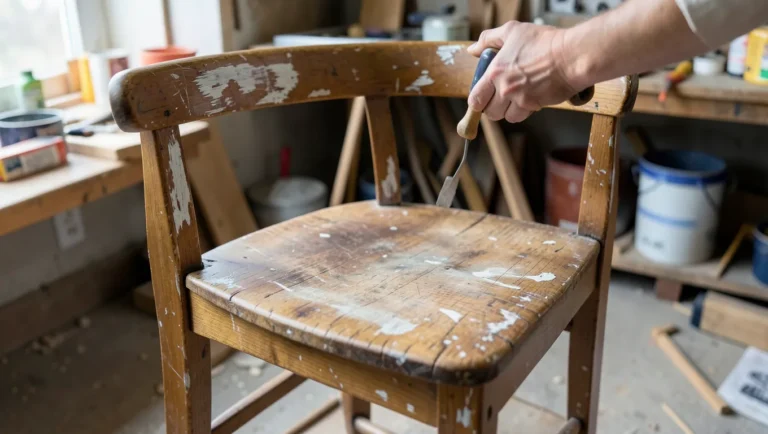
Laminate is a printed decorative layer sealed under a hard melamine-resin wear coat — there is no bare wood underneath to key into, which is why prep determines whether the paint holds. Painting is only one option covered in our broader wood finishing guide; laminate specifically cannot be stained, so paint is the realistic route for a color change. Clean the surface first with a degreasing cleaner to strip cooking grease, wax, or furniture polish; any residue left behind will telegraph through as a soft spot where paint peels first.
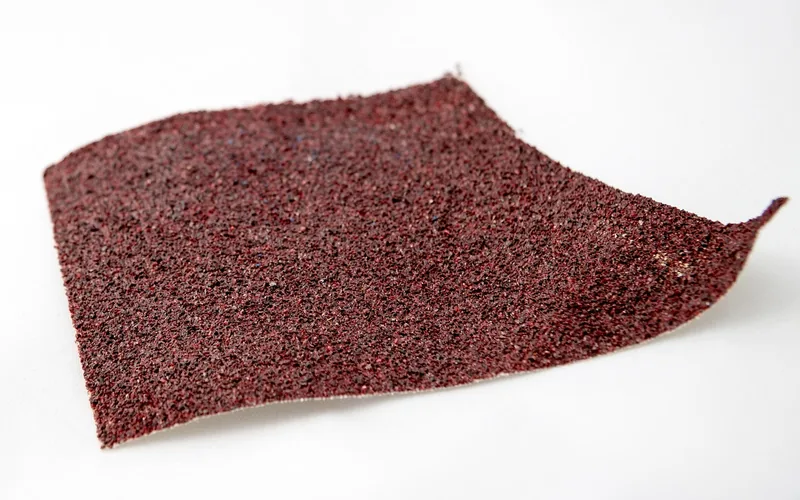
Once it is clean and dry, scuff the surface with 220-grit sandpaper using light, even pressure until the gloss turns matte — you are roughing up the finish, not removing it. Laminate’s decorative layer is thin, so bearing down or using anything coarser than 150-grit risks sanding through to the substrate. Vacuum the dust and wipe with a tack cloth before moving on to primer.
Which Primer Actually Sticks to Laminate?
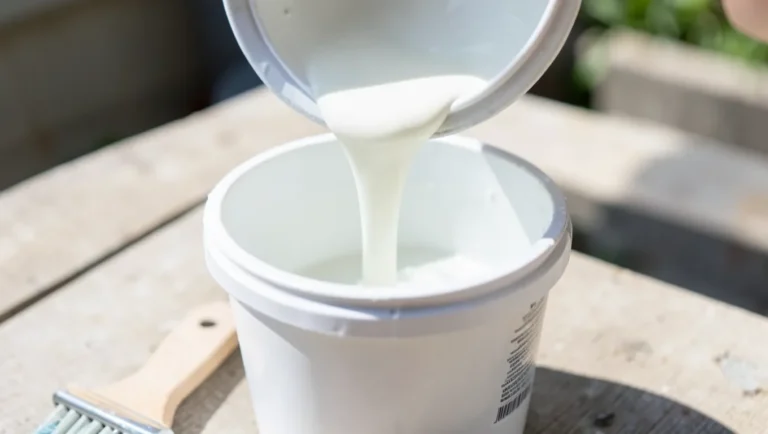
A laminate finish is a manufactured wear layer, not porous wood, so an ordinary latex or oil-based primer beads up and peels off in sheets within weeks. You need a shellac-based or dedicated high-adhesion bonding primer instead — the two product families that actually cure into the wear layer rather than sitting on top of it.
- Shellac-based primer (Zinsser B-I-N is the standard reference point): dries in about 45 minutes, sticks to glossy surfaces without sanding, and also blocks stains and odors.
- High-adhesion bonding primer (INSL-X STIX or similar): a slower-drying, low-odor alternative with the same bonding strength, better suited to rooms without much ventilation.
Roll or brush on two coats, sanding lightly with fine-grit paper between coats for the smoothest final texture. Skipping the second coat is the second most common cause of early peeling after skipping the bonding primer altogether. If your project calls for a plain white base coat rather than a specialty bonding formula, our white wood primer guide compares the standard options.
Can You Paint Laminate Without Sanding?
Yes — a shellac-based bonding primer sticks to laminate’s glossy wear layer without sanding, because the shellac itself is what grips the surface instead of mechanical scratches. Clean and degrease thoroughly, apply two coats of shellac-based primer with a foam roller, let each coat dry about an hour, then paint as usual. The tradeoff: a lightly sanded surface still bonds slightly better long-term, so no-sand is best reserved for pieces that will not see heavy daily wear.
Choosing and Applying the Paint
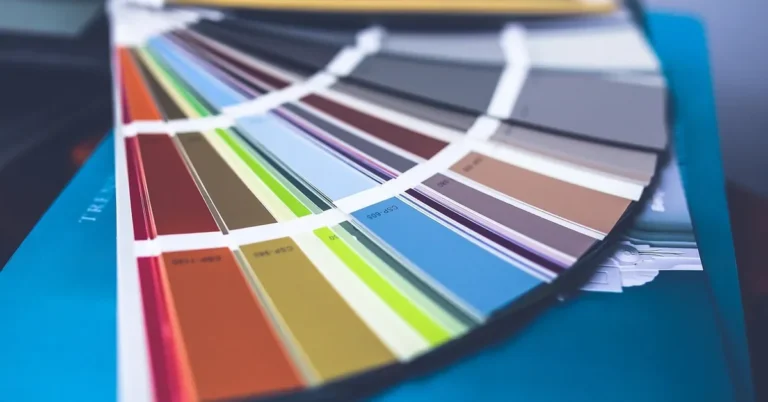
Once primer is fully cured, use a latex or oil-based enamel labeled for cabinets, furniture, or trim — these formulas cure to a harder, more scratch-resistant film than wall paint. Satin or semi-gloss sheens hide fewer imperfections than high-gloss and are easier to keep clean.
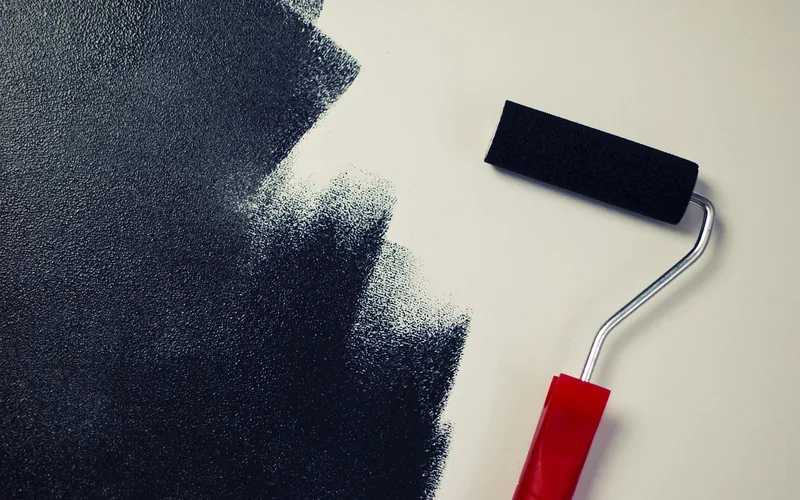
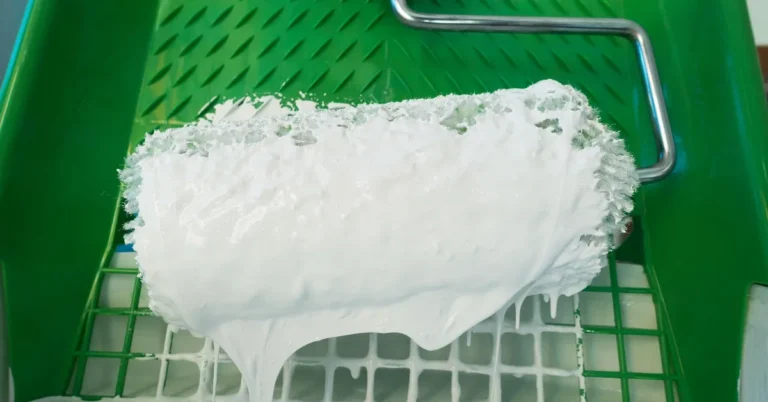
- Apply thin coats: load the roller lightly and work in one direction to avoid pooling in corners.
- Wait between coats: most cabinet-grade enamels need 4–6 hours between coats and a full 24 hours before light handling.
- Apply two coats minimum: a single coat rarely hides the primer color evenly across a glossy surface.
- Let it cure a full week: the paint feels dry within a day but has not fully hardened — avoid stacking objects on painted surfaces for about a week to prevent sticking or scuffing.
Sealing and Protecting the Finish
A clear topcoat is optional on furniture but strongly recommended on anything handled daily, like cabinet doors or drawer fronts. Polyurethane and polycrylic are the two realistic choices: oil-based polyurethane is the most durable and best for heavy-traffic pieces, while water-based polycrylic dries faster, has less odor, and will not yellow lighter paint colors over time. Apply thin coats with a foam applicator and let each one cure fully — usually at least 24 hours — before use. For more ways to stop the finish from chipping at hinges and corners, see what to put over painted cabinets to prevent chipping.
Painting Furniture vs. Cabinets vs. Flooring: What Changes
The prep and primer are the same everywhere, but how well painted laminate actually holds up depends heavily on what you painted and how much wear it takes daily. This is the comparison most guides skip because they only cover one surface type:
| Surface | Recommended System | Realistic Durability |
|---|---|---|
| Furniture & cabinets | Bonding primer + cabinet enamel + polycrylic topcoat | Several years with normal handling; touch up high-contact edges as needed |
| Flooring | Bonding primer + epoxy or urethane-modified floor paint + polyurethane sealant | 1–2 years in high-traffic areas before visible wear paths develop; longer in low-traffic rooms |
| Countertops | Countertop-specific bonding primer/epoxy system (heat and food-safe) | See our dedicated laminate countertop guide — countertops need a food-safe, heat-resistant system this article does not cover |
Laminate flooring is the surface most likely to disappoint: paint sits on top of the wear layer rather than bonding into it the way it does on a low-traffic cabinet door, so foot traffic, furniture legs, and pet claws wear through it faster than most people expect. If you are painting a floor, budget for a polyurethane sealant coat and plan on touch-ups sooner than you would for furniture.
Common Mistakes That Cause Painted Laminate to Peel
- Using regular wall primer instead of a bonding primer — it cannot grip the melamine wear layer and will peel within weeks.
- Skipping the degreasing step — kitchen cabinets especially hold a thin film of cooking grease that blocks adhesion even after sanding.
- Oversanding — laminate’s decorative layer is thin; sanding past it exposes the substrate or printed pattern underneath.
- Painting before the primer fully cures — trapping uncured primer under paint causes soft spots and bubbling later.
- Skipping a topcoat on high-contact surfaces — cabinet doors and drawer fronts need the extra scratch protection a sealant provides.
Laminate is not the only slick, non-porous surface that trips up these same mistakes — the prep logic is nearly identical for painting veneer furniture, which also needs a bonding primer rather than standard primer.
FAQ: Painting Laminate Wood
What kind of paint will stick to laminate?
Latex or oil-based enamel formulated for cabinets, furniture, or trim sticks best to laminate, but only after a bonding primer — the paint itself does not need to be special, the primer underneath it does. Use a satin or semi-gloss finish for the best balance of durability and forgiving touch-ups.
Do you need to prime laminate wood before painting?
Yes. Laminate’s wear layer is too smooth and non-porous for paint to grip on its own, and skipping primer is the single most common reason painted laminate peels within the first few months. Use a shellac-based or high-adhesion bonding primer, never a standard wall primer.
Can you paint laminate furniture without sanding?
Yes, if you use a shellac-based bonding primer — the shellac bonds chemically to the glossy surface instead of relying on sanding scratches for grip. Clean and degrease thoroughly first, since skipping that step causes more failures than skipping sanding does.
Does painted laminate furniture actually last?
With a proper bonding primer, cabinet-grade enamel, and a polycrylic or polyurethane topcoat, painted laminate furniture typically holds up for several years of normal handling. High-contact edges like drawer pulls and cabinet corners wear first and may need a touch-up coat before the rest of the piece does.
Can you paint laminate flooring?
Yes, but durability is limited — expect 1 to 2 years before visible wear paths appear in high-traffic areas, since paint sits on top of the wear layer rather than bonding into it the way it does on furniture. A polyurethane sealant coat extends the life but will not make it as durable as replacing the flooring.
Conclusion
Painting laminate wood works reliably as long as the primer does the job ordinary primer cannot: cleaning and light sanding (or a shellac-based no-sand primer), a true bonding primer in two coats, cabinet-grade paint, and a topcoat on anything handled daily. Follow that order on furniture or cabinets and the finish should hold for years; on flooring, treat it as a multi-year refresh rather than a permanent fix.
Sponsored / affiliate links. As an Amazon Associate I earn from qualifying purchases. I may earn additional commission from eligible campaigns.