Homemade Wood Floor Cleaner: 5 Recipes Matched to Your Finish
A homemade wood floor cleaner is only as safe as it is matched to your floor’s finish: plain water or a dilute castile soap works on nearly every finished floor, while vinegar belongs on polyurethane-sealed wood only. This guide gives five recipes, a two-minute test to identify your finish, the computed acidity of each mix, and the homemade “polishes” that do more harm than good.
Which Homemade Wood Floor Cleaner Is Safe for Your Floor’s Finish?
Best Refillable Spray Mop Pick | |
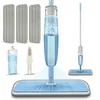 |
Mexerris Refillable Spray Mop with 3 Washable Pads: $17.99 Its 410 ml refillable bottle holds your own homemade mix, so you can mist the pad lightly instead of flooding the boards, which is the damp-mop method this guide recommends.
|
As an Amazon Associate we earn from qualifying purchases. | |
Most recipe lists treat every wood floor the same, and that is where the damage happens. A sealed floor has a hard film (usually polyurethane) on top of the wood, so liquid sits on the surface. An oiled, waxed or unsealed floor has no such film, so the cleaner reaches the wood or dissolves the wax. The recipe is only half the decision; the finish is the other half.
The two-minute finish test
Pick a hidden spot, such as the inside of a closet, and wipe it clean and dry. Put one drop of water on the floor and watch it for a few minutes. If the drop stays beaded on top, the floor is sealed. If it soaks in or leaves a dark spot, the floor is oiled, waxed or unsealed, and you should treat it as a no-acid, very-little-water floor. Our guide to cleaning untreated hardwood floors covers that second group in detail, and cleaning polyurethane wood floors covers the first.
| Your floor finish | Safest homemade option | Use acid (vinegar, lemon)? | Frequency |
|---|---|---|---|
| Polyurethane or other surface seal | Water, castile soap, or diluted vinegar | Yes, diluted, occasionally | Water weekly; vinegar 1 or 2 times a month at most |
| Wax finish | Dry dusting, then a barely damp cloth with plain water | No, acid dissolves wax | Damp wipe only when needed |
| Penetrating oil finish | Plain water or very dilute castile soap, wrung out well | No | Light damp wipe, then dry |
| Unsealed or raw wood | Dry methods first; barely damp cloth if unavoidable | No | As rarely as possible |
| Engineered or laminate (any surface) | Plain water on a barely damp pad | Not unless the care guide allows it | Weekly |
Engineered boards have their own rules, which we cover in our guide to the best cleaner for engineered wood floors.
What the pH Numbers Say About Vinegar, Soap and Plain Water
Recipes online range from a quarter cup of vinegar per gallon of water up to a 1:1 mix, and each one claims to be gentle. We worked out the acidity of each dilution using the standard acetic acid equilibrium for 5 percent vinegar in distilled water. These are calculated figures, not lab measurements, and real tap water will push them a little higher.
| Mix (5% white vinegar in water) | Acetic acid in the mix | Calculated pH |
|---|---|---|
| Undiluted vinegar | 5% | about 2.4 |
| 1 part vinegar to 1 part water | 2.5% | about 2.6 |
| 1 part vinegar to 2 parts water | 1.7% | about 2.7 |
| 1 cup per gallon | 0.29% | about 3.0 |
| 1/2 cup per gallon | 0.15% | about 3.2 |
| 1/4 cup per gallon | 0.08% | about 3.3 |
| Plain water (neutral reference) | 0% | about 7 |
Calculated, not measured: going from 1/4 cup per gallon to a 1:1 mix uses about 64 times more vinegar, yet the computed pH moves only from about 3.3 to 2.6. Source: our own calculation (pKa 4.76, 5% w/v acetic acid, distilled water).
The practical lesson is that diluting vinegar does not turn it into a neutral cleaner. Even the weakest popular recipe is still about four pH units below plain water, so what protects the finish is how little acid you leave on the floor and for how long. That means a nearly dry pad, a single pass, and a quick dry wipe, not a bigger bucket of weaker mix. For a deeper look at the vinegar question alone, see whether you can mop hardwood floors with vinegar.
5 Homemade Wood Floor Cleaner Recipes
Each recipe makes enough for one room. Pick by finish using the table above, and test in a hidden spot first.
1. Plain Water and Microfiber (All Finishes)
Fill a spray bottle with plain water, mist a clean microfiber pad until it is evenly damp but not dripping, and wipe with the grain. It will not cut through grease, but it lifts the dust and tracked-in grit that cause most of the dullness, and it carries no chemical risk on any finish.
2. Diluted Vinegar (Polyurethane-Sealed Floors Only)
Mix 1/2 cup white vinegar into 1 gallon of warm water. Dip a pad or mop, wring it until it stops dripping, and mop in small sections. Use it once or twice a month, never on wax, oil or unsealed wood, and never on engineered floors unless the manufacturer allows it. A few drops of essential oil only cover the smell and add nothing to the cleaning.
3. Castile Soap Solution (Sealed, Waxed or Oiled Floors, Very Dilute)
Add 1 teaspoon of liquid castile soap to 4 cups of warm water in a spray bottle (about 4 teaspoons per gallon). Soap that is too strong leaves a hazy film, especially in hard-water homes, so measure it and follow with one pass of a plain water-damp pad. This is the better default than vinegar for warranty-sensitive floors. Never add vinegar to it; see the mixes to skip below.
4. Rubbing Alcohol Spot Cleaner (Sealed Floors, Sticky Spots)
Mix equal parts 70 percent isopropyl alcohol and water in a spray bottle. Mist a cloth, not the floor, and wipe a sticky spot, a marker mark or a streak. Alcohol evaporates fast and leaves little residue, but it is flammable, so ventilate the room and keep it away from flames. Skip it on waxed or oiled floors, because alcohol dissolves wax, and test a hidden spot first since some finishes can cloud.
5. Cooled Black Tea Rinse (Mild, Sealed Floors)
Steep 3 tea bags in 4 cups of boiling water for 10 minutes, remove the bags and let it cool completely. Use it on a damp pad as a gentle wipe-down. This is a long-standing folk method with mild cleaning power, so treat it as a light refresh rather than a grease cutter, and test first because the tannins can tint very pale or whitewashed boards.
Homemade Mixes to Skip
- Olive oil and vinegar “polish”: on a sealed floor the oil cannot soak in, so it sits on top as a greasy film that attracts dust and can make the surface slippery. It can also cause trouble if you recoat the floor later. Oil belongs only on floors that are meant to be oiled, using the maker’s maintenance product.
- Vinegar plus castile soap: the acid breaks the soap down into a cloudy residue, so you end up with a worse cleaner than either ingredient alone.
- Lemon juice: it is another acid with no advantage over diluted vinegar, and the sugars in it can leave a tacky layer.
- Soaking mops and steam mops: water pushed into the seams is a bigger threat to wood than any ingredient, and many makers void warranties for steam.
If you would rather not mix anything, the ready-made options in our non-toxic wood floor cleaner roundup and the pH-neutral picks in the best cleaner for wood floors guide take the guesswork out. Households with animals should also read our pet safe hardwood floor cleaner guide before using essential oils, since many are unsafe for pets.
How to Mop a Wood Floor With Any Homemade Cleaner
- Dry-clean first: sweep or vacuum on a hard-floor setting so grit is not dragged across the finish.
- Test a hidden spot: apply a little of your mix inside a closet, wait a few minutes and check for dulling or color change.
- Mist the pad, not the floor: spray until the pad is evenly damp but not dripping.
- Mop with the grain: work in small sections and keep moving so no liquid sits in one place.
- Dry or rinse as needed: follow soap mixes with a plain water-damp pass, and buff any wet-looking spot with a dry cloth.
- Wash the pad: launder it after each use so leftover soap or acid is not re-applied next time.
A properly wrung pad should leave the floor dry within a minute or two. Water that is still visible after that is too much for a wood floor, particularly along seams and near dishwashers or sinks.
When a Homemade Cleaner Is the Wrong Tool
Homemade mixes handle dust, light grime and the odd sticky spot. They do not remove old wax buildup, deep scratches or ground-in dirt in worn finishes, and a stronger mix is not the answer. For that, see our steps for deep cleaning hardwood floors without damage, and keep the wider routine in the wood care and maintenance guide.
Homemade Wood Floor Cleaner FAQ
What is the best homemade cleaner for wood floors?
For most finished floors, plain water on a barely damp microfiber pad is the safest option, and a few drops of castile soap in water is the next step up for sticky spots. Diluted white vinegar is only reasonable on floors you have confirmed are sealed with polyurethane, and even then it should be occasional, not weekly.
Is vinegar bad for hardwood floors?
Vinegar will not hurt a sealed floor on one occasion, but repeated use can slowly dull the finish, and it is a poor choice on waxed, oiled or unsealed wood because acid breaks down those surfaces. If you use it, keep it to about 1/2 cup per gallon, mop nearly dry and do not make it a routine.
Can I mix vinegar and castile soap for a wood floor cleaner?
No. Castile soap is alkaline and vinegar is acidic, so mixing them makes the soap fall apart into a cloudy, greasy curd that leaves a film on the floor. If you want both, use them on separate days with a plain damp pass in between, or just pick the one that suits your finish.
Can I use homemade cleaner on engineered or laminate wood floors?
Plain water on a barely damp pad is fine for both, but use less liquid than on solid wood because water that reaches the seams can swell the core. Skip vinegar and oils unless the manufacturer’s care guide allows them, and check that guide first so you do not give up warranty coverage.
How often should I clean wood floors with a homemade cleaner?
Dry-dust or vacuum as often as you like, then damp mop with plain water or a dilute soap mix about once a week in busy rooms. Reserve vinegar or alcohol mixes for occasional spot jobs, once or twice a month at most, so the finish is not exposed to acid or solvent more than it needs to be.
Does a homemade vinegar cleaner void my floor’s warranty?
It can. Many flooring makers list the cleaners they approve and say damage from other products is not covered, so a homemade acid mix gives them grounds to refuse a claim. Read the care sheet that came with your floor, or the manufacturer’s website, before you make any homemade cleaner a habit.
The Short Version
Identify your finish first, then keep the recipe simple: water for every floor, a measured teaspoon-level castile soap for sticky spots, and diluted vinegar only on sealed floors and only now and then. Avoid oils and never combine vinegar with soap. Whatever you use, a barely damp pad and a dry floor within two minutes matter more than the ingredient list.
Sponsored / affiliate links. As an Amazon Associate I earn from qualifying purchases. I may earn additional commission from eligible campaigns.