Cork Flooring for the Kitchen: Pros, Cons, and Is It Worth It in 2026?
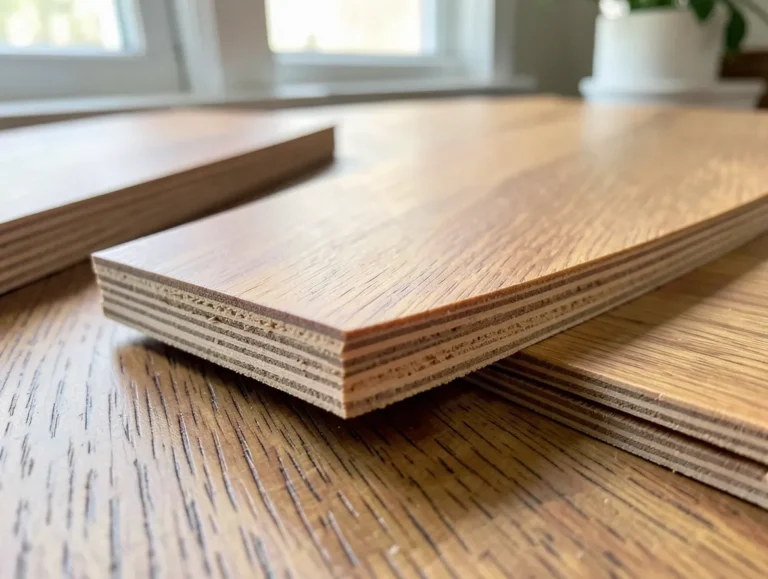
Cork flooring works in a kitchen, but only with a urethane-sealed finish and prompt spill cleanup – raw or wax-finished cork will absorb standing water at the seams within minutes. Kitchen-grade cork is typically sold in 1/4″-3/8″ thick planks or 12″x12″ tiles, factory-finished with 6-10 coats of aluminum-oxide-enhanced urethane specifically because unsealed cork is not actually waterproof, just water-resistant when dry.
The trade-off most articles skip: cork’s give underfoot (the same cellular structure that cushions your feet) also means point loads matter. A refrigerator or bar stool leg without a wide floor protector pad can leave a permanent dent, something that never happens with the harder surfaces of hardwood or LVP. Budget for felt or hard-plastic wide-base glides under every kitchen chair and appliance before you decide cork isn’t durable enough – most “cork dents too easily” complaints trace back to skipping this $15 step, not the material itself.
Additionally, cork is a sustainable material made from the bark of cork oak trees, making it an eco-friendly choice for your kitchen flooring. With its durability and aesthetic appeal, cork flooring is a versatile option that can enhance the functionality and design of your kitchen space.
The Benefits Of Cork Flooring
OUR PICK FOR A QUIETER, MORE FORGIVING SUBFLOOR
 |
CAPITOL Premium Cork Underlayment Roll (6mm, 200 sq ft) – $219.75 A concrete or plywood subfloor telegraphs every footstep and hairline crack straight up into your finished floor. This roll goes underneath your cork (or any floating floor) to add real R-0.74 insulation and stop stress cracks from the subfloor reaching the surface.
|
Discover the advantages of cork flooring for your kitchen. Its natural resilience provides a comfortable surface to stand on while cooking, and its impermeability makes it easy to maintain. Cork flooring also offers sound insulation and a warm, inviting appearance, making it a practical and attractive option for your kitchen.
Cork flooring is an excellent choice for adding warmth and beauty to your kitchen. Its eco-friendly nature, comfort, and durability make it a popular option for homeowners. Let’s explore the advantages of choosing cork flooring for your kitchen.
Eco-friendly Option
Comfort And Durability
– Provides natural warmth underfoot
– Absorbs sound for a quieter kitchen
– Durable and resistant to wear and tear
Consider cork flooring as a stylish, sustainable, and durable choice for your kitchen space.
Design Versatility
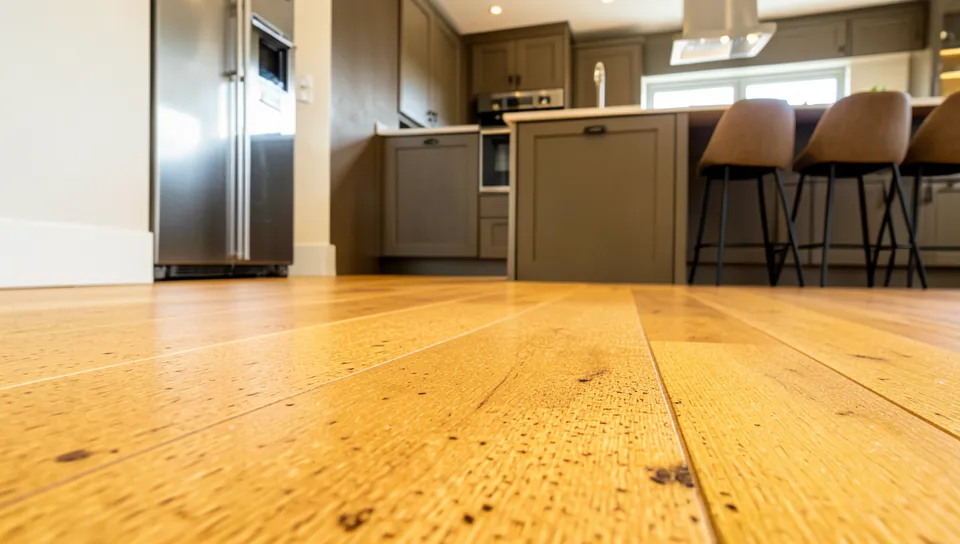
Cork flooring for the kitchen boasts impressive Design Versatility that can elevate the look of any space. From classic to modern kitchen designs, cork flooring offers a range of styles that suit various aesthetic preferences and complement diverse kitchen layouts.
Wide Range Of Styles
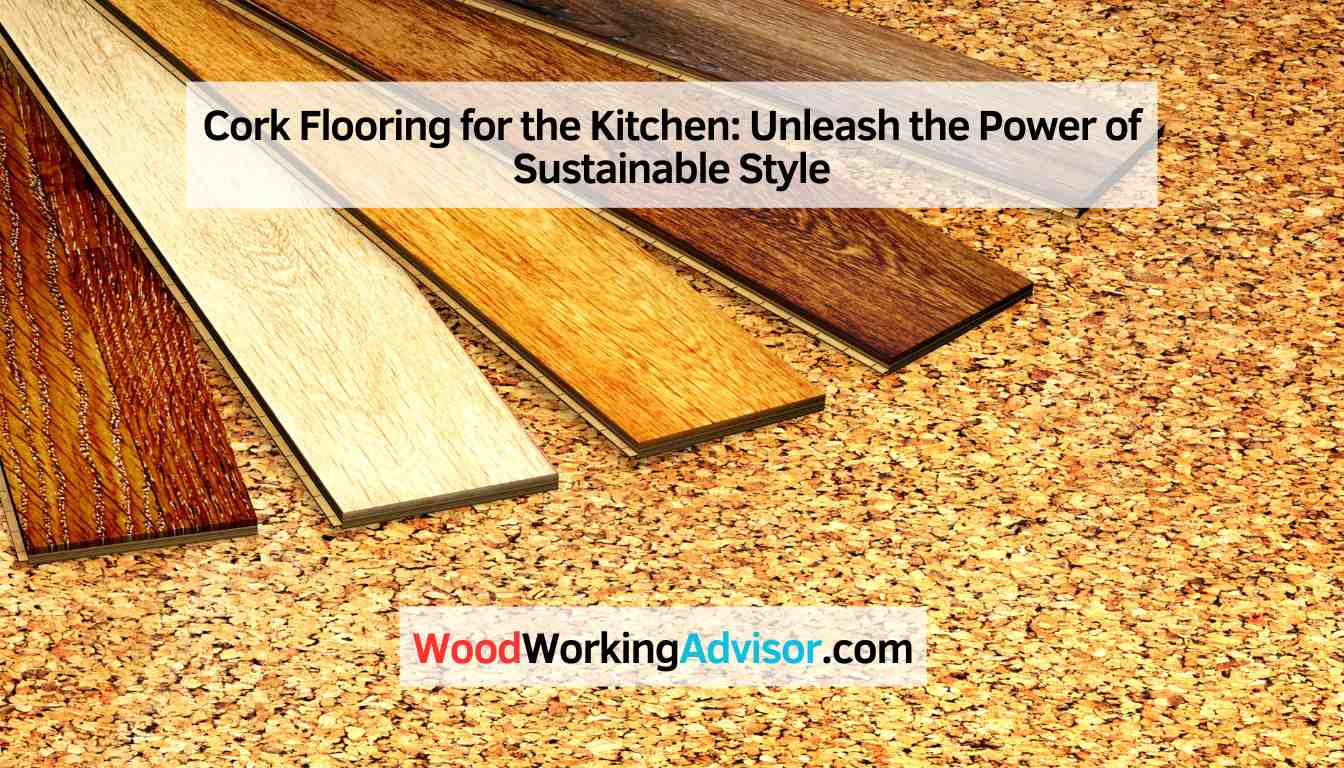
Cork flooring comes in a diverse selection of styles, including planks, tiles, and sheets, allowing homeowners to choose the perfect option to match their kitchen decor. Whether you prefer a traditional or contemporary look, cork flooring offers versatility to suit any style.
Warmth And Beauty
- Cork flooring adds a warm and inviting ambiance to the kitchen space.
- The natural patterns and rich textures of cork enhance the beauty of the kitchen.
- Its unique appearance creates a visually appealing focal point in the room.
Maintaining And Cleaning Cork Floors
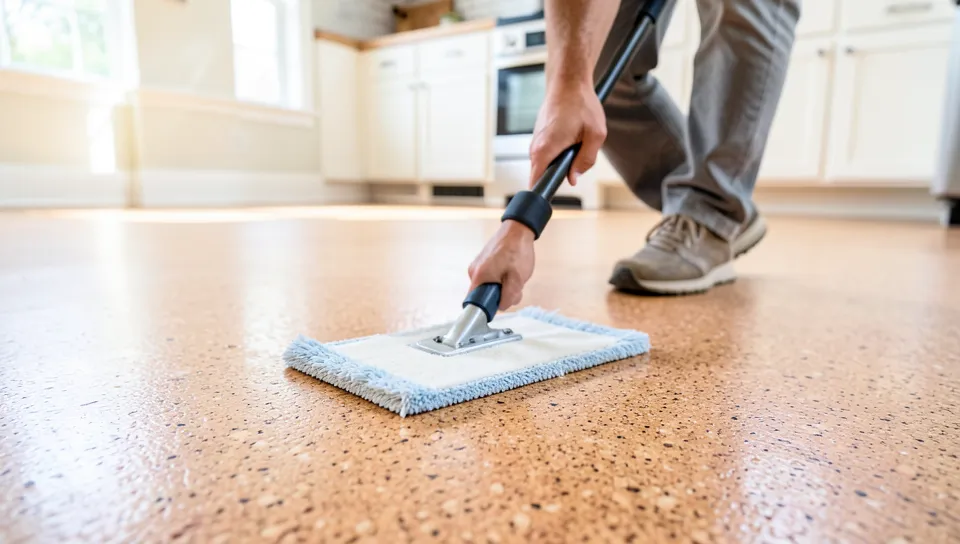
Discover the key to long-lasting beauty with cork floors in your kitchen. Keep them pristine with regular maintenance and gentle cleaning for a warm and sustainable flooring option. Honey-hued cork not only adds charm but also provides a comfortable standing surface in the heart of your home.
Cork flooring is an excellent choice for kitchens due to its durability, comfort, and eco-friendly nature. However, to ensure the longevity and pristine appearance of your cork floors, it is crucial to establish a proper cleaning and maintenance routine.
Simple Cleaning Routine
A simple yet effective cleaning routine is essential to keep your cork floors looking their best. Here are the basic steps to follow:
- Regular Sweeping: Sweep or vacuum your cork floors frequently to remove dust and debris.
- Gentle Mopping: Use a damp mop with a mild wood floor cleaner specifically designed for cork floors.
- Immediate Spill Clean-Up: Wipe up any spills immediately to prevent staining or damage.
Preventative Maintenance Tips
To maintain the beauty and functionality of your cork floors, consider the following preventative maintenance tips:
- Use Furniture Pads: Place felt pads under furniture legs to prevent scratches and indentations.
- Avoid High Heels: Discourage wearing high heels on cork floors to prevent dents and punctures.
- Control Sun Exposure: Use curtains or blinds to minimize direct sunlight, preventing discoloration of the cork.
Installation Tips
Installing cork flooring in your kitchen is a great way to create a beautiful and eco-friendly space. With its warm and natural look, cork provides an inviting atmosphere while also being a sustainable choice. To ensure a successful installation, here are some valuable tips for preparing and choosing the right installation method.
Preparation Steps
Before installing cork flooring in your kitchen, it is crucial to properly prepare the area. If you’re installing over a full subfloor build-up, check that the finished height won’t create an awkward transition at doorways before you buy materials. By following these steps, you can ensure a smooth and durable installation:
- Inspect and measure: Thoroughly inspect your kitchen floor for any existing damage or unevenness. Take precise measurements to determine the amount of cork flooring required.
- Clean and level: Remove any previous flooring material and thoroughly clean the subfloor. Fill in any holes or cracks and make sure the surface is level.
- Acclimate the cork: Allow the cork flooring to acclimate to the room’s temperature and humidity levels as specified by the manufacturer. This step helps prevent any warping or shrinkage after installation.
- Prepare the tools: Gather all the necessary tools for the installation process, including a utility knife, tape measure, adhesive, and a trowel.
DIY Vs. Professional Installation
Deciding whether to install cork flooring in your kitchen yourself or hire a professional is an essential consideration. Here’s what you should know about each option:
| DIY Installation | Professional Installation |
|---|---|
| This is a suitable option if you have experience and confidence in handling flooring installations. | Hiring a professional ensures expert craftsmanship and reduces the risk of mistakes. |
| You can save money by doing the installation yourself, especially if you already own the necessary tools. | Professional installation guarantees a faster and more efficient process, minimizing any potential disruptions. |
| DIY installation allows for more flexibility in terms of scheduling and completing the project at your own pace. | Professional installers have the expertise to handle any challenging subfloor conditions or complex layouts. |
Ultimately, the decision between DIY and professional installation depends on your skill level, time availability, budget, and personal preference.
Conclusion: Is Cork Flooring Right For Your Kitchen?
Considering cork flooring for your kitchen? It offers eco-friendly, durable, and stylish options for a unique touch in your kitchen. The natural warmth and cushioning properties make it a viable choice for a comfortable and sustainable kitchen flooring solution.
After considering the various factors associated with cork flooring, it is clear that this eco-friendly and durable option can be a great fit for your kitchen. By evaluating your lifestyle and the long-term sustainability of your flooring choice, you can confidently decide if cork flooring is suitable for your kitchen.
Considering Your Lifestyle
One of the key aspects to consider when choosing the right flooring for your kitchen is how well it aligns with your lifestyle. Cork flooring offers several practical benefits that can enhance your kitchen experience in more ways than one.
- Ease of maintenance: Cork flooring is incredibly low-maintenance, requiring only regular sweeping and occasional damp mopping. This means less time spent cleaning and more time enjoying your kitchen.
- Comfort underfoot: Cork has a natural cushioning effect that makes it comfortable to stand on for extended periods, which can be especially beneficial if you love cooking or frequently host guests in your kitchen.
- Noise reduction: The inherent sound-absorbing properties of cork flooring can help reduce noise in the kitchen, creating a quieter ambiance for your cooking and dining experiences.
Long-term Sustainability
Another important factor to consider is the long-term sustainability of your flooring choice. Cork flooring stands out in terms of its environmental friendliness and durability, making it a smart choice for eco-conscious homeowners.
| Cork Flooring Sustainability Features | Benefit |
|---|---|
| Renewable resource | Cork is harvested from the bark of cork oak trees, which can be peeled without harming the tree. This makes it a sustainable and renewable flooring option. |
| Hypoallergenic | Due to its antimicrobial and mold-resistant properties, cork flooring is ideal for individuals with allergies or sensitivities. |
| Durability | Cork flooring can withstand heavy foot traffic, making it a long-lasting investment for your kitchen. |
| Insulation | Cork flooring acts as a natural insulator, helping to maintain a comfortable temperature in your kitchen and potentially resulting in energy savings. |
In conclusion, cork flooring offers a combination of lifestyle benefits and long-term sustainability that make it an excellent choice for your kitchen. Its easy maintenance, comfort underfoot, and noise reduction properties enhance your everyday kitchen experience. Additionally, the renewable nature of cork, along with its hypoallergenic qualities and durability, ensures an eco-friendly and long-lasting flooring solution. Consider all these factors and make an informed choice that aligns perfectly with your kitchen needs and values.
Frequently Asked Questions Of Cork Flooring For The Kitchen
Can I Use Cork Flooring In My Kitchen?
Yes, cork flooring is an excellent choice for your kitchen. Its natural properties make it resistant to moisture, mold, and mildew. Additionally, the cushioned surface of cork flooring provides comfort and reduces fatigue, making it perfect for kitchens where you spend long hours standing and cooking.
Is Cork Flooring Durable Enough For A Kitchen?
Absolutely! Cork flooring is known for its durability and ability to withstand heavy traffic areas. It is highly resistant to scratches, dents, and stains. With proper maintenance and regular sealing, cork flooring can easily last for decades in your kitchen without losing its beauty and functionality.
Is Cork Flooring A Good Option For Noise Reduction In The Kitchen?
Definitely! Cork flooring is renowned for its excellent sound-absorbing qualities. Its unique cellular structure helps to reduce noise transmission, making it perfect for busy kitchens. With cork flooring, you can say goodbye to clattering dishes and noisy footsteps, creating a quieter and more peaceful environment for cooking and entertaining.
Conclusion
Cork flooring is a sustainable, durable, and stylish option for your kitchen. Its natural insulation properties and comfortable feel make it a top choice. With proper maintenance, cork floors can last for years and add value to your home. Consider cork for a unique and eco-friendly kitchen floor option.
Sponsored / affiliate links. As an Amazon Associate I earn from qualifying purchases. I may earn additional commission from eligible campaigns.