New DeWalt Drills: DCD801 vs. DCD1007 Compared (2026)
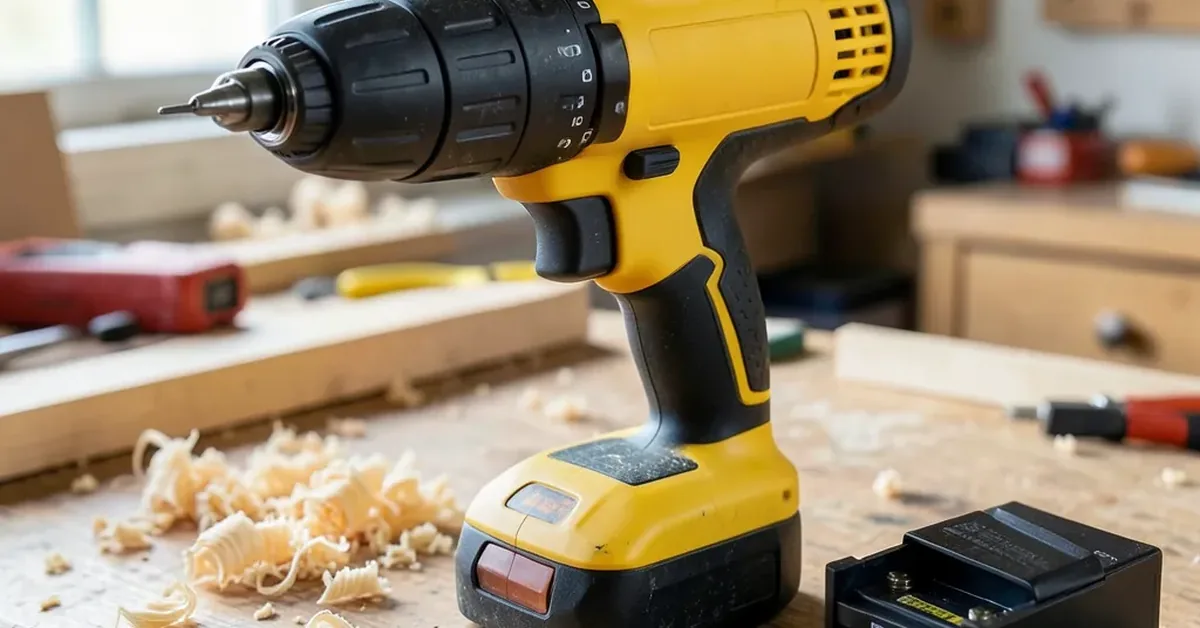
DeWalt’s current 20V MAX XR lineup splits into two drills worth comparing: the DCD801 drill/driver and the newer DCD1007 hammer drill, which DeWalt describes as its most powerful 20V MAX 1/2-inch hammer drill at 2,100 in-lbs of torque. They’re not simply an old model and a new model – they’re built for different jobs. This guide compares their real specs and tells you which one actually fits your work.
Quick Answer
The DCD801 is DeWalt’s standard 20V MAX XR drill/driver (2-speed, no hammer function, up to 175 holes/charge). The DCD1007 is DeWalt’s newer, more powerful hammer drill (3-speed, 2,100 in-lbs of torque, up to 275 holes/charge) that can also drill into masonry. Choose the DCD1007 if you’ll ever drill concrete or block; choose the DCD801 if your work is wood, drywall, and metal only.
DCD801 vs. DCD1007: Specs Compared
Best New DeWalt Drill Pick
 |
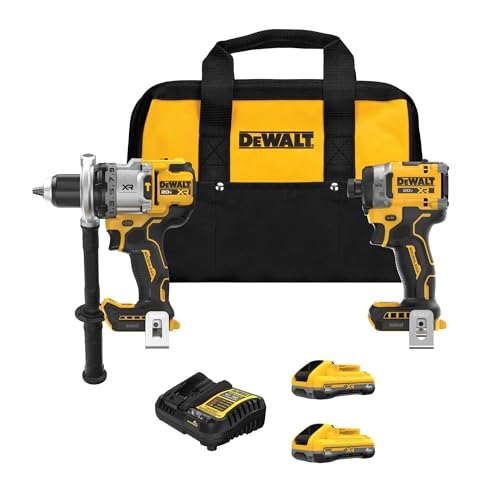
DEWALT DCD1007WW1 20V MAX XR Hammer Drill Kit (8Ah) – $289.95 DeWalt’s most powerful 20V MAX 1/2-inch hammer drill – covers everything the DCD801 does, plus masonry drilling, which is why it’s the safer pick if you’re only buying one drill.
|
As an Amazon Associate we earn from qualifying purchases.
| Spec | DCD801 (Drill/Driver) | DCD1007 (Hammer Drill) |
|---|---|---|
| Chuck | 1/2 in. metal ratcheting chuck | 1/2 in. ratcheting nitro-carburized metal chuck |
| Speed settings | 2-speed (0-650 / 0-2,000 RPM) | 3-speed transmission |
| Max torque | Not published by DeWalt | 2,100 in-lbs. |
| Hammer function | No | Yes – for masonry/concrete |
| LED light | 3-position, 70 lumens, auto shutoff | 3-position, pivoting, push-button |
| Holes per charge (rated) | Up to 175 | Up to 275 |
| Battery platform | 20V MAX | 20V MAX |
📊 DCD1007 max torque: 2,100 in-lbs., rated for up to 275 holes per charge — Source: DeWalt, official DCD1007B product page
DCD801: The Standard Drill/Driver
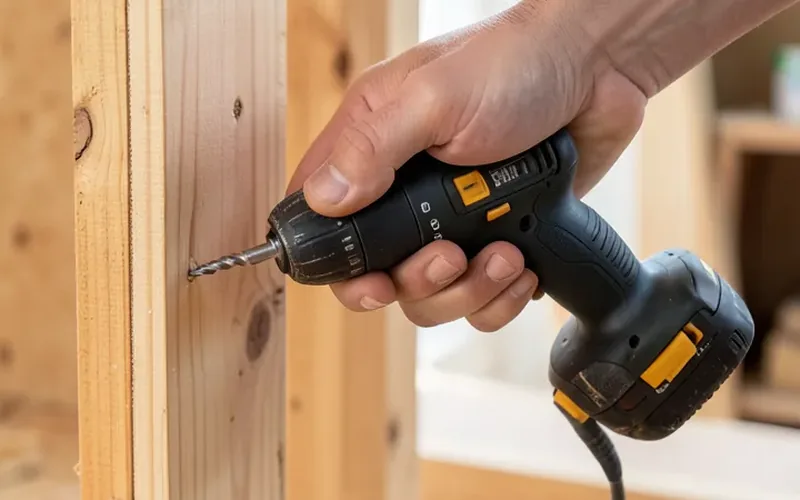
The DCD801 is DeWalt’s current standard 20V MAX XR 1/2-inch drill/driver – no hammer function, built for wood, drywall, and metal work rather than masonry. It runs a 2-speed transmission (0-650 RPM for driving, 0-2,000 RPM for drilling), a brushless motor, and a 3-position 70-lumen LED with auto-shutoff. DeWalt rates it for up to 175 holes per charge, and it includes an anti-rotation safety system that shuts the tool down if it senses excessive kickback – useful when a bit binds in a stud or a screw suddenly seats.
If you’re building furniture, framing interior walls, or driving deck screws, the DCD801 does the job at a lower price and lighter weight than the hammer drill below, without the added weight and cost of hammer-mode hardware you’d never use.
DCD1007: The Higher-Torque Hammer Drill
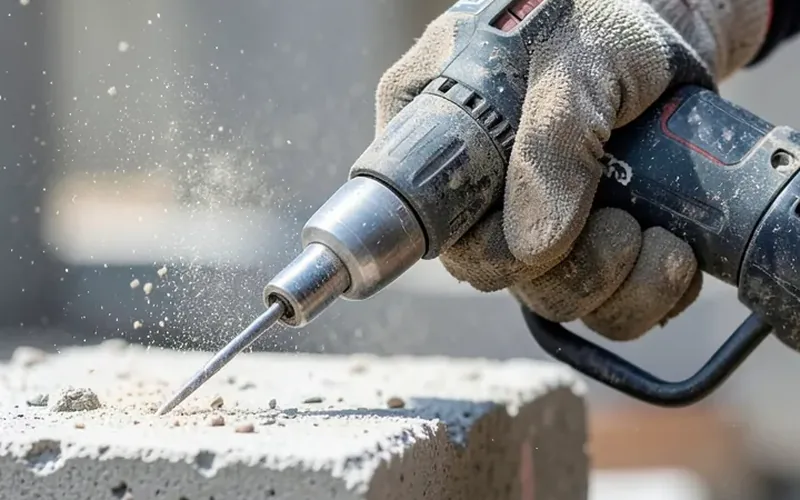
The DCD1007 is DeWalt’s newest and most powerful 20V MAX 1/2-inch hammer drill, built around an all-metal transmission, a 3-speed gearbox, and 2,100 in-lbs of max torque – a genuine step up from the DCD801, not just a repackaged version of it. The hammer mode is the real functional difference: it adds a rapid hammering action behind the rotation, which is what actually lets a masonry bit chip through brick, block, or concrete instead of just spinning uselessly against it.
DeWalt also rates the DCD1007 for up to 275 holes per charge, noticeably more than the DCD801’s 175, and gives it a pivoting push-button LED instead of a fixed one. If you already own a DeWalt 20V MAX battery from another tool, both drills use the same platform, so the battery you already have works in either one.
Which One Should You Buy?
- Get the DCD1007 if you’ll ever drill into brick, block, or concrete – anchoring ledger boards, mounting brackets to a masonry wall, or any exterior fastening into concrete footings.
- Get the DCD801 if your work is entirely wood, drywall, and light metal – furniture, framing, cabinetry – and you’d rather save weight and money than pay for a hammer function you won’t use.
- Already own DeWalt 20V MAX batteries? Either drill accepts them, so a tool-only purchase (no battery/charger) can save money if you’re adding to an existing kit.
For a saw to pair with either drill, see our guide to the DeWalt circular saw lineup at Lowe’s.
Frequently Asked Questions
What is DeWalt’s newest drill model?
As of this writing, the DCD1007 is DeWalt’s newest 20V MAX XR 1/2-inch drill in the standard drill/driver and hammer drill lineup, described by DeWalt as its most powerful 20V MAX 1/2-inch hammer drill, with 2,100 in-lbs of max torque and a 3-speed transmission.
What is the difference between the DCD801 and DCD1007?
The DCD801 is a standard drill/driver with a 2-speed transmission (0-650/0-2,000 RPM) and no hammer function, rated for up to 175 holes per charge. The DCD1007 is a hammer drill with a 3-speed transmission, 2,100 in-lbs of max torque, and a hammer mode for masonry, rated for up to 275 holes per charge.
Do I need a hammer drill or a standard drill/driver?
If you’ll ever drill into brick, concrete, or block – anchoring a ledger board, mounting something to a masonry wall – get a hammer drill like the DCD1007; the hammer mode is what actually lets the bit chip through masonry instead of just spinning against it. If your work is wood, drywall, and metal only, the lighter, less expensive DCD801 drill/driver covers it.
Are these drills compatible with older DeWalt 20V MAX batteries?
Yes. Both the DCD801 and DCD1007 use DeWalt’s 20V MAX battery platform, which is backward and forward compatible across most 20V MAX and 20V MAX XR tools, including older batteries – though newer POWERSTACK batteries charge faster and fit tighter in compact tools.
Conclusion
The DCD801 and DCD1007 aren’t a simple “old vs. new” upgrade – they’re built for different jobs. The DCD801 is a lighter, less expensive drill/driver for wood, drywall, and metal. The DCD1007 is DeWalt’s newer, more powerful hammer drill, with real spec advantages (more torque, more holes per charge, a hammer mode) that matter specifically if masonry is ever part of the job. Pick based on what you’re actually drilling into, not just which one is newer.
Sponsored / affiliate links. As an Amazon Associate I earn from qualifying purchases. I may earn additional commission from eligible campaigns.