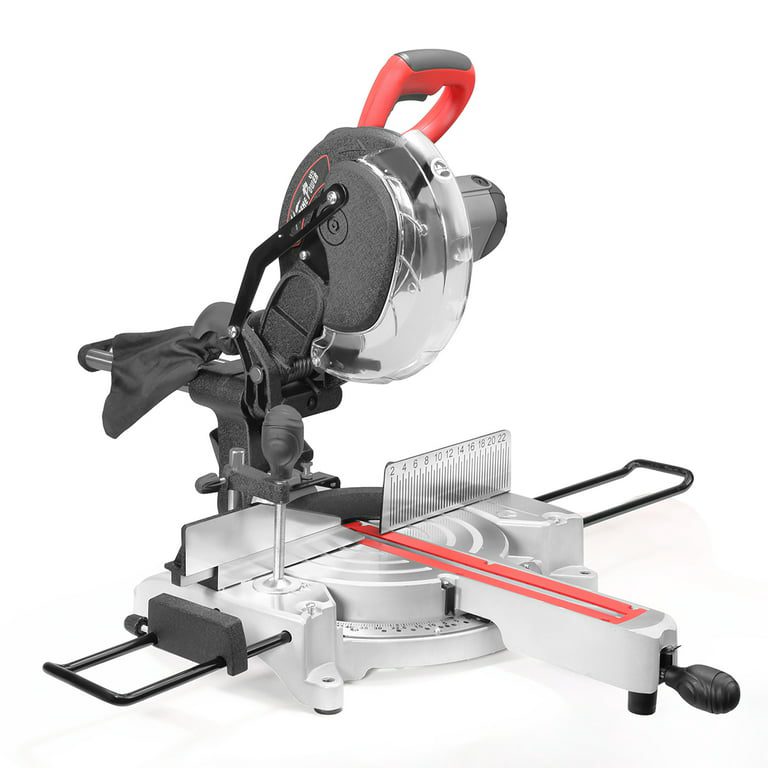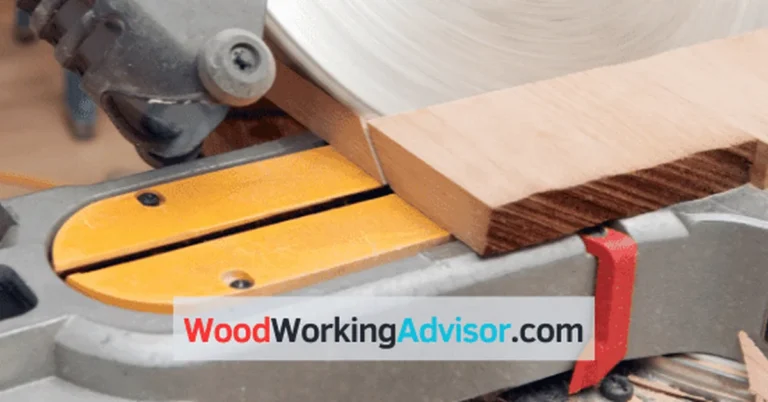
Diamond Blade for a Miter Saw: RPM, Arbor and Rim Chart
A diamond blade for a miter saw cuts tile, brick, stone, and masonry — not wood or metal — and it only works safely when its arbor bore matches your saw’s spindle and you never exceed the max RPM stamped on its core. Ignoring the RPM rating risks blade warping or a segment breaking loose at speed. This guide covers the three rim types, a size-by-RPM compatibility chart, wet-vs-dry cutting, installation, and how long a blade should last.
Insert your Affiliate Disclosure reusable block here.
Continuous Rim, Turbo Rim, or Segmented: Which Diamond Blade Type Do You Need?
Best 10-Inch Diamond Blade Pick
KimiBEE 10″ Diamond Masonry Blade, 5/8″ Arbor – $19.99
A 5/8″ arbor bore — the exact fit this guide’s chart lists for most 10″ miter saws — rated to roughly 6,100 max RPM for dry or wet cutting of brick, block, and stone.
- Best for: Brick, block, stone, and general masonry on a standard 10″ miter saw
- Why we picked it: Matches the most common miter saw arbor size and RPM rating covered above
- Main drawback: Segmented edge leaves a rougher cut than a continuous rim on tile
Compare more diamond blade options
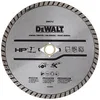 Option 1 DEWALT DW4712 7″ Continuous Rim – $12.61
|
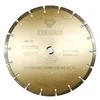 Option 2 ALSKAR 10″ Segmented Diamond Blade – $23.99
|
 Option 3 RHAPSODY 10″ Turbo Rim Blade – $26.99
|
As an Amazon Associate we earn from qualifying purchases.
Diamond blades are grouped by rim design, and the rim determines what material the blade is actually built to cut in your miter saw:
- Continuous rim: a smooth, unbroken diamond edge. Best for tile and ceramic, where chip-free edges matter more than cutting speed.
- Turbo rim: a serrated, wavy edge that cuts faster and stays cooler. Best for general-purpose masonry, block, and brick.
- Segmented rim: the diamond edge is broken into gullet-separated segments for better cooling and debris clearance. Best for hard, dense material like granite, stone, and concrete.
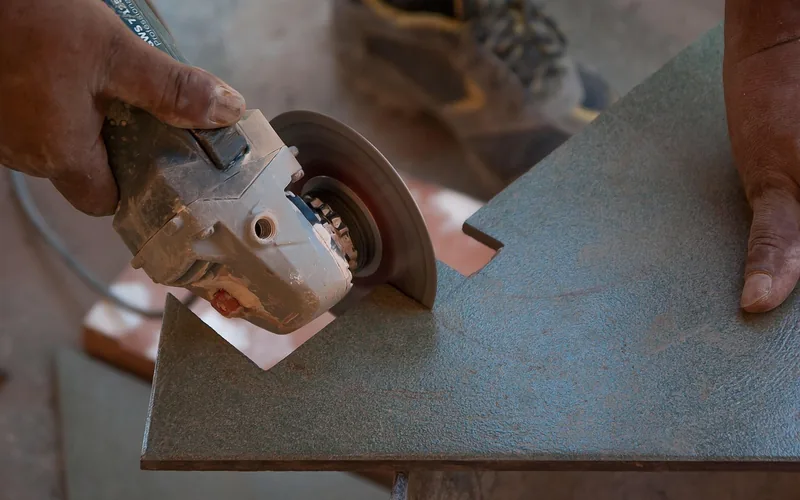
Diamond Blade Compatibility Chart: Size, Arbor, and Max RPM
Matching blade diameter to your miter saw isn’t the only fit that matters — the arbor bore and the blade’s maximum rated speed matter just as much. Most 8-inch and 10-inch miter saws use a 5/8-inch arbor, while 12-inch saws step up to a full 1-inch arbor. If you’re unsure which your saw uses, our guide on fitting a smaller blade on a miter saw covers how to check the bore before you buy.
| Blade Diameter | Typical Arbor | Safe RPM | Max RPM | Best Rim Type |
|---|---|---|---|---|
| 7″–7-1/4″ | 5/8″ | 5,184 | 8,730 | Continuous (tile/ceramic) |
| 8″–8-1/4″ | 5/8″ | 4,536 | 7,640 | Turbo (general masonry) |
| 10″ | 5/8″ | 3,629 | 6,115 | Turbo or segmented (concrete/block) |
| 12″ | 1″ | 3,024 | 5,095 | Segmented (stone/granite, deep cuts) |
📊 A 10-inch diamond blade is rated to a maximum of roughly 6,115 RPM — well below the no-load speed of most compound miter saws, which is exactly why the blade’s stamped max RPM (not the saw’s) is the number that limits what size blade you can safely run. Source: Vortex Diamond Products RPM Guide, 2026
Never operate a diamond blade above the maximum RPM stamped on its steel core. Above that speed a blade can warp, lose lateral stiffness, or shed a segment — and at full spindle speed that carries enough energy to be a genuine safety hazard, not just a blade you have to replace early.
Wet Cutting vs. Dry Cutting: Which Should You Use on a Miter Saw?
Most compound miter saws have no water feed, so a dry-rated diamond blade is the practical choice for this tool even when the blade itself is also wet-rated. Wet cutting keeps dust down and the blade cooler, but it requires a dedicated wet saw or a water-fed setup — running water anywhere near a miter saw’s motor and electronics is a shock hazard the tool isn’t built for.
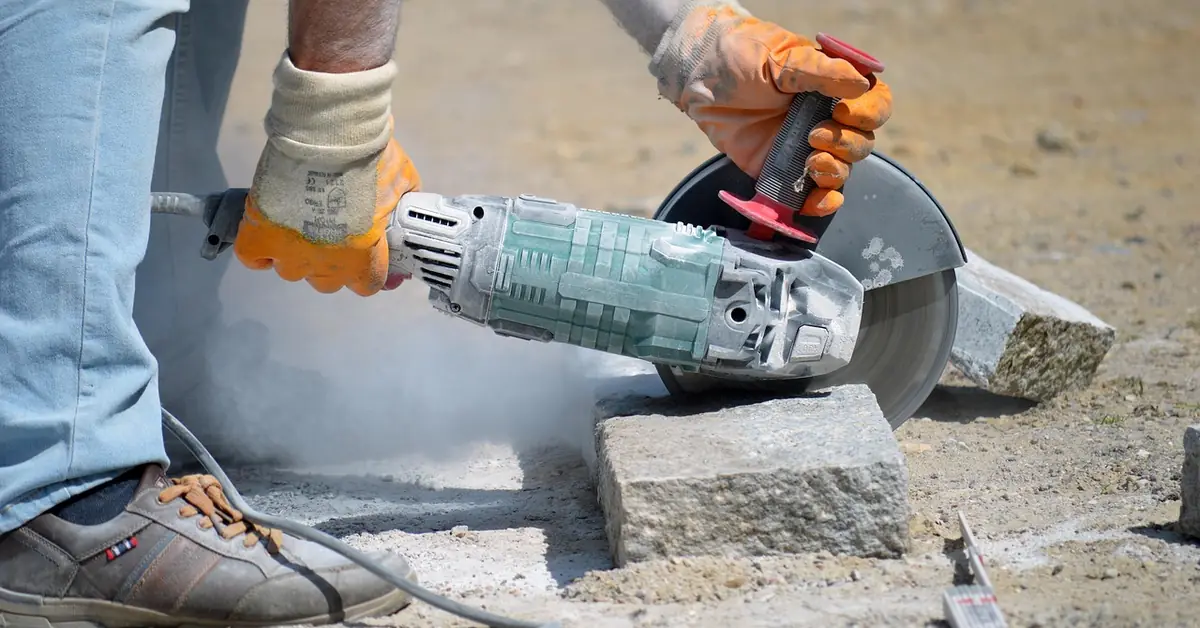
Cutting tile, block, or concrete dry produces fine silica dust, which is a respiratory hazard with prolonged exposure. Wear a properly rated dust mask or respirator, and cut outdoors or with dust collection running whenever possible.
Can a Diamond Blade Cut Wood or Metal?
No. A diamond blade is built to grind through hard, brittle materials like tile, stone, and concrete — it is not designed to cut wood or metal, and using one for either is inefficient at best and unsafe at worst. Wood cuts cleanly with a carbide-tipped wood blade, and metal needs an abrasive metal-cutting wheel or a blade rated specifically for ferrous or non-ferrous metal. Swapping blades between these material classes wastes the diamond blade’s edge and won’t give you a clean cut in the material it wasn’t built for.
“The mistake we see most often isn’t the wrong blade diameter — it’s matching diameter and stopping there. The arbor bore and the RPM rating stamped on the blade matter just as much, and a blade that physically spins in the guard doesn’t mean it’s rated to.”
How to Install a Diamond Blade on a Miter Saw
Unplug the saw before touching the blade, and check the manufacturer’s manual for any model-specific steps. The general process is the same as swapping any miter saw blade: unlock the blade guard, remove the old blade, seat the new diamond blade on the arbor with its rotation arrows facing the correct direction, and tighten the arbor bolt fully before restoring the guard. For the complete step-by-step walkthrough — including which way the arbor bolt turns, a detail that trips up most first-timers — see our full guide on how to change a miter saw blade.
- Wear safety glasses and gloves while handling the blade.
- Clear the work area of debris and clutter before starting.
- Confirm the blade’s rotation arrow matches the saw’s spindle rotation before tightening.
Maintaining Your Diamond Blade for Maximum Lifespan
A well-maintained diamond blade typically lasts 100 to 200 hours of cutting time, depending on the material and how consistently it’s used within its rated speed. Clean the blade after every use with a soft brush to remove resin and material buildup — avoid harsh chemicals, which can degrade the bond holding the diamond grit in place. Dry the blade fully before storing it somewhere dry and away from direct sunlight.
- Use the correct rim type for the material to avoid unnecessary wear.
- Inspect the blade before each use for cracked segments, missing diamond grit, or a warped core — replace it if you see any of these.
- Never force the blade through material; let the diamond grit do the cutting instead of pushing harder.
Safety Precautions When Cutting Masonry and Tile
Beyond matching arbor size and staying under the max RPM covered above, a few standard precautions apply every time you cut masonry or tile on a miter saw:
- Wear safety glasses, ear protection, and a dust mask rated for fine particulates.
- Inspect the blade for cracks or damage before every use — a damaged blade should be replaced immediately, not run “one more time.”
- Make sure the blade guard is properly adjusted before powering on the saw.
- Let the blade reach full speed before starting the cut, and let it come to a complete stop before lifting it from the material.
- Hold the workpiece firmly against the fence — never cut freehand.
Frequently Asked Questions
What is a diamond blade for a miter saw made of?
A diamond blade for a miter saw is made of a steel core with diamond grit embedded in the cutting edge. This lets it grind effectively through hard materials like concrete, tile, and stone. If you’re working with a circular saw instead, our comparison of concrete-cutting blades by bond type covers RPM and cost per cut for that tool specifically.
Can I use a diamond blade on a miter saw to cut wood?
No. Diamond blades are built for hard, brittle materials like concrete or tile, not wood. Use a dedicated wood-cutting blade for lumber and sheet goods — a diamond blade will cut wood poorly and dulls faster than it would on the material it’s actually designed for.
How long does a diamond blade for a miter saw last?
A high-quality diamond blade typically lasts 100 to 200 hours of cutting time, depending on the material cut and how well it’s maintained. Inspect it regularly for wear and replace it as soon as you see cracked segments or missing diamond grit.
What size diamond blade do I need for a 10-inch miter saw?
Most 10-inch miter saws use a 5/8-inch arbor, so a 10-inch diamond blade with a 5/8-inch bore is the standard fit. Check your saw’s manual to confirm, since a mismatched bore needs a reducer bushing and may not meet the blade guard’s coverage requirements.
Should I use a wet or dry diamond blade on a miter saw?
Use a dry-rated blade. Most compound miter saws have no water feed, and running water near the saw’s motor and switch is a shock hazard. If your project calls for wet cutting to control dust, use a dedicated wet tile saw instead.
What happens if I exceed a diamond blade’s max RPM?
Running a diamond blade above its stamped max RPM can cause it to warp, lose stiffness, or shed a segment at speed — a real safety hazard, not just a warranty issue. Always check the blade’s rated RPM against your saw’s spindle speed before installing it.
Conclusion
Choosing the right diamond blade comes down to three checks: the rim type matches your material, the arbor bore matches your saw, and the blade’s max RPM covers your saw’s spindle speed. Get those three right and a diamond blade will cut tile, brick, and stone cleanly for well over a hundred hours of use. For more on choosing, fitting, and maintaining blades of any type, browse our full miter saw guides.
Sponsored / affiliate links. As an Amazon Associate I earn from qualifying purchases. I may earn additional commission from eligible campaigns.