Home Depot Andersen Sliding Door: 100 vs 200 vs 400 Series
Home Depot sells Andersen sliding patio doors in three main lines — the 100 Series (Fibrex composite), 200 Series (vinyl-clad wood), and 400 Series (vinyl-clad wood with more configuration options) — and the series you pick changes both price and glass options. Choosing the wrong one means paying for triple-pane glass or custom configurations you don’t actually need, or under-buying on a door that won’t hold up to direct sun exposure. This guide covers what each series actually contains, realistic installed pricing, and the warranty terms Home Depot doesn’t print on the price tag.
Quick Answer
Home Depot’s Andersen sliding doors run three tiers: 100 Series (Fibrex composite, dual-pane only, most affordable), 200 Series (vinyl-clad wood, mid-range), and 400 Series (vinyl-clad wood, triple-pane available, most configuration options). Installed pricing typically runs $2,000–$5,000 for a standard-size door and can reach $20,000 for large or custom openings. All three series carry a 20-year glass warranty and 10-year warranty on frame and hardware.
What Andersen Sliding Door Series Does Home Depot Sell?
Best Sliding Door Security Bar Pick
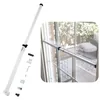
SECURITYMAN Sliding Door Security Bar — Anti-Lift Lock
Adjustable 18.75″–51.1″ bar with a child-proof anti-lift lock, sized for standard Andersen gliding door panels.
- Best for: Andersen sliding doors where the panel can be lifted off the standard latch
- Why we picked it: Anti-lift design addresses the specific weak point of hook-latch hardware
- Main drawback: Higher price than a basic bar with no anti-lift feature
Compare more sliding door security bar options
 Option 1 DIIG Sliding Door Security Bar
|
 Option 2 AceMining 2-Pack Security Bar
|
 Option 3 Abiglifty Budget Security Bar
|
As an Amazon Associate we earn from qualifying purchases.
Home Depot carries three Andersen gliding patio door lines, and the material difference is the biggest factor in price and durability — not just the finish color.
| Series | Frame Material | Glass Options | Best For |
|---|---|---|---|
| 100 Series | Fibrex composite (twice the strength of extruded vinyl) | Dual-pane only | Budget replacements, standard two-panel openings |
| 200 Series | Wood core, vinyl-clad exterior (Perma-Shield) | Dual-pane, select triple-pane | Mid-range budgets wanting a wood interior look |
| 400 Series | Wood core, low-maintenance vinyl exterior cladding | Dual-pane and triple-pane available | Multi-panel configurations, more style/size options |
The 100 Series is only sold as a two-panel gliding unit, and you can’t swap the active panel side after it’s built — confirm which side you need before ordering. The 400 Series is Andersen’s most popular line at Home Depot because it offers the most sizing and configuration flexibility, including multi-panel and French-style sliding setups.
How Much Does an Andersen Sliding Door Cost at Home Depot?
Expect $2,000 to $5,000 installed for a standard-size Andersen sliding door in the 100 or 200 Series. Larger openings, the 400 Series with triple-pane glass, custom hardware finishes, or a difficult tear-out (structural header work, stucco or brick repair) can push the total to $10,000–$20,000.
📊 Installed Andersen patio doors typically run $2,000–$5,000 for standard sizes, with full custom projects reaching $20,000+ — Source: HomeGuide, 2026 Andersen patio door cost data
Four things move the price most: door size (wider multi-panel units cost more per panel than a single standard slider), glass package (triple-pane adds a meaningful premium over dual-pane), hardware finish (oil-rubbed bronze and matte black cost more than standard white or stone), and whether the existing rough opening needs to be resized. Getting an accurate quote means measuring the exact opening width and height before requesting pricing — Home Depot’s in-store design consultants can confirm this on-site.
Sliding Door Security: What Home Depot Doesn’t Include
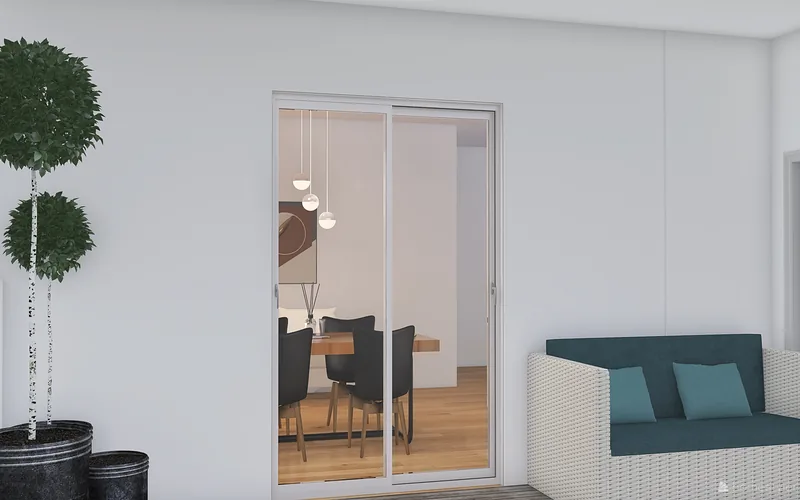
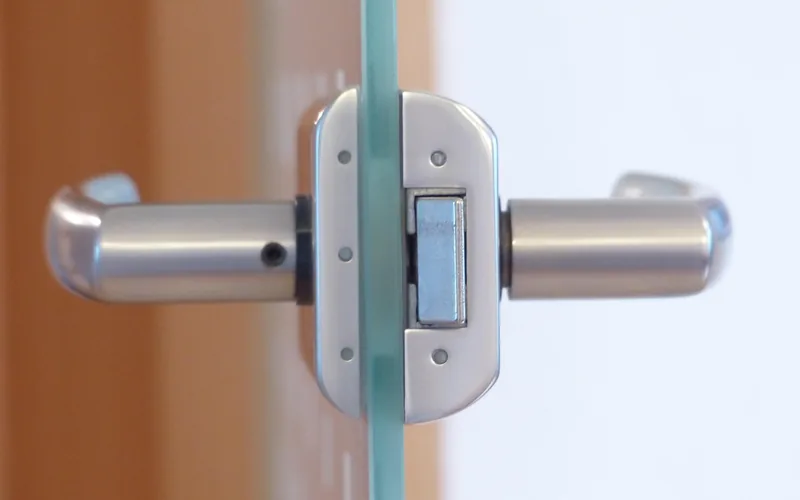
Every Andersen sliding door ships with a standard hook-style latch, but a hook latch alone is not a burglar deterrent — it can be defeated by lifting or shimming the panel from outside on some installations. A supplemental security bar or pin lock closes that gap for under $30 and takes a couple of minutes to install with no drilling required on most models.
Video: Sliding Door Break-In Prevention Tips
Installation and Maintenance
Home Depot offers professional installation through certified local installers for Andersen sliding doors, which matters for the warranty — improper installation can void the frame and hardware coverage even though the glass warranty itself is tied to the manufacturer, not the installer.
Professional Installation
A certified installer levels and shims the rough opening before the door ever goes in, which is the step that determines whether the panel glides smoothly for years or starts binding within months. If you’re replacing an existing patio door rather than framing new, confirm the installer is quoting an “insert” (fits inside the old frame) versus a “full-frame” replacement — full-frame costs more but is often required if the old frame shows rot or the rough opening is out of square. For DIY installers tackling the framing side, our guide on installing a sliding glass patio door covers the rough-opening and shimming steps in detail.
Simple Maintenance Tips
- Vacuum the tracks every few months — grit is the main cause of a sliding door that starts feeling heavy to open.
- Inspect the weather-stripping annually and replace if compressed or torn to maintain energy efficiency.
- Lubricate the roller wheels with a dry silicone spray, not household oil, which attracts more dust into the track.
- Check the glass seal for fogging between panes — that’s a sign the seal has failed and is covered under the 20-year glass warranty.
- Re-adjust the roller height screws if the door starts dragging on the track instead of gliding.
“The rough opening being level and square before the door goes in matters more than people expect — I’ve seen brand-new sliders that dragged on the track from day one purely because the sill wasn’t shimmed level, not because of anything wrong with the door itself.”
— Our team, from field experience framing patio door replacements
Andersen Sliding Doors vs Traditional Hinged Patio Doors
A sliding door and a traditional hinged (French) patio door solve the same problem — connecting an interior room to an outdoor space — but they trade off differently on space, security, and upkeep.
| Feature | Andersen Sliding Door | Traditional Hinged Door |
|---|---|---|
| Floor space needed | None — panel glides along the wall | Swing radius needed on one side |
| Energy efficiency | Dual or triple-pane options with 20-year glass warranty | Varies by manufacturer; weatherstripping wears at hinge seams |
| Security | Hook latch standard; benefits from an added anti-lift bar (see above) | Multi-point hinge locks are typically harder to force |
| Maintenance | Track needs periodic cleaning; low-maintenance vinyl/composite cladding | Hinges may need occasional lubrication; painted wood needs resealing over time |
If floor space near the opening is tight — a small deck, a furniture layout close to the door — a slider wins outright since it needs zero swing clearance. If maximum security and a wider fully-open opening matter more than space, a hinged door’s multi-point lock is generally the harder target. For a full breakdown of sliding glass patio door pricing across brands, see our dedicated cost guide.
Frequently Asked Questions
What Andersen sliding door series does Home Depot sell?
Home Depot carries Andersen’s 100 Series (Fibrex composite, dual-pane only), 200 Series (vinyl-clad wood, dual and select triple-pane), and 400 Series (vinyl-clad wood, the widest range of sizes and configurations). The 100 Series is the most affordable; the 400 Series is Andersen’s most popular line for patio doors at Home Depot.
How much does an Andersen sliding door cost at Home Depot?
Yes, expect meaningful variation: standard-size 100 or 200 Series doors typically run $2,000–$5,000 installed, while larger openings, triple-pane glass, or custom hardware finishes on the 400 Series can push the total to $10,000–$20,000. Get an exact quote by measuring your rough opening width and height first.
What is the warranty on an Andersen sliding door?
Yes, all three series — 100, 200, and 400 — carry a 20-year warranty on glass (covering stress cracks and seal failure/fogging) and a 10-year warranty on non-glass components like the frame, sash, and weatherstripping. Coverage is transferable to a new owner if you sell your home within the warranty period.
How do I choose the right size Andersen sliding door for my home?
Measure the opening width and height accurately, including the existing frame if you’re doing an insert replacement. Andersen offers standard sizes across all three series, plus custom sizing on the 200 and 400 Series. When in doubt, have a Home Depot installer or Andersen dealer confirm measurements before ordering — a custom order can’t be resized after production.
Can I install an Andersen sliding door myself, or should I hire a professional?
DIY installation is possible for a straightforward insert replacement if you have experience with framing and leveling, but a full-frame replacement or any job involving structural header work should go to a certified installer — both to protect the warranty and because an out-of-level rough opening is the single biggest cause of a slider that binds or won’t glide smoothly.
Conclusion
The 100 Series covers most standard replacements affordably, the 200 Series adds a wood-look interior at a mid-range price, and the 400 Series is worth the upgrade if you need triple-pane glass or a multi-panel configuration. Whichever series you choose, budget for the security bar upgrade and confirm your installer is quoting insert vs. full-frame before you sign — both decisions matter more to how the door performs long-term than the finish color does.
Sponsored / affiliate links. As an Amazon Associate I earn from qualifying purchases. I may earn additional commission from eligible campaigns.