How to Wash a Wooden Cutting Board the Right Way
Wash a wooden cutting board by hand with hot, soapy water and a soft sponge, then rinse and stand it up to air dry – never in the dishwasher and never fully submerged. Skipping that rule is the main reason boards warp, crack, or split within a year. This guide covers the wash-rinse-dry routine, when to disinfect with vinegar or 3% hydrogen peroxide instead of bleach, and how often to re-oil the wood so it lasts 5 to 10 years.
How to Wash a Wooden Cutting Board: Step-by-Step
Best Cutting Board Oil Pick
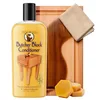
Howard Products Butcher Block Conditioner & Mineral Oil, 12 oz
A beeswax-and-mineral-oil blend in one bottle, so you get the water-resistant top coat without a separate wax step.
- Best for: monthly maintenance on a daily-use board
- Why we picked it: combines oil and wax so you skip a separate conditioning step
- Main drawback: pricier per ounce than plain mineral oil
Compare more cutting board oil options
 Option 1 Thirteen Chefs Food-Grade Mineral Oil, 12 oz
|
 Option 2 CLARK’S Cutting Board Oil & Wax Kit (2-Pack)
|
 Option 3 NSF-Certified Food-Grade Mineral Oil, Gallon
|
As an Amazon Associate we earn from qualifying purchases.
Wash your board after every single use, not just at the end of the day. Food residue that sits on wood for hours gives bacteria time to grow, and it’s harder to scrub off once it dries in.
- Scrape off food debris with the edge of a spatula or the back of a knife before it touches water.
- Wet the board under hot running water on both sides – hot water cuts through grease faster than cold.
- Scrub with mild dish soap and a soft sponge or brush, working with the grain, not against it.
- Rinse thoroughly under hot water until no soap film remains.
- Stand it up to air dry, propped against a wall or in a dish rack, so air reaches both faces evenly. Laying it flat traps moisture underneath and is a common cause of warping.
Never submerge the board or leave it soaking in the sink. Wood is porous, and standing water works its way into the fibers, which is what causes cracking, splitting, and warping over time – not the washing itself, but the soaking.
How Often to Oil a Wooden Cutting Board (By Usage)
Washing removes food and bacteria, but it also strips the board’s natural oils – that’s why regular oiling matters as much as regular washing. Food-grade mineral oil is the standard choice; skip olive, vegetable, or nut oils, since they can turn rancid and go sticky inside the wood grain. How often you need to reapply depends entirely on how often the board gets wet:
| Usage Level | Mineral Oil Frequency | Wax Finish (Optional) | Sign It’s Overdue |
|---|---|---|---|
| New board (first month) | Once a week for 4 weeks | After week 4 | N/A – preventive schedule |
| Daily home use | Every 2-3 weeks | Every 2nd-3rd oiling | Wood looks pale, water no longer beads on the surface |
| A few times a week | Every 4-6 weeks | Every 3rd oiling | Dry or rough patches, especially near the edges |
| Occasional / light use | Every 2-3 months | Optional | Wood feels dry or slightly fuzzy to the touch |
To apply: pour a small amount of mineral oil onto the board, spread it in the direction of the grain with a clean cloth, and let it soak in for at least an hour (longer is fine, up to overnight). Wipe off anything that hasn’t absorbed. A thin coat of food-safe wax on top of the oil adds a water-resistant layer that slows down how often you need to re-oil.
Wash, Deep Clean, or Disinfect? When to Do Each
These three jobs are not the same, and using the wrong one at the wrong time either wastes effort or leaves bacteria behind. Here’s how to tell which one your board needs right now:
| Task | When to Do It | Method | Frequency |
|---|---|---|---|
| Quick wash | After every use, any ingredients | Hot water, dish soap, sponge, rinse, air-dry standing up | Every use |
| Deep clean | Visible stains, lingering odors, discoloration | Coarse salt plus half a lemon, rubbed in, rinsed | As needed – weekly for boards used daily |
| Disinfect | After raw meat, poultry, fish, or eggs; or weekly on a shared kitchen board | Undiluted white vinegar or 3% hydrogen peroxide, 2-3 minutes, then wipe | After raw protein contact |
How to Disinfect a Wooden Cutting Board Safely
After cutting raw meat, poultry, or fish, washing with soap isn’t enough on its own – disinfect the board before it touches anything else. Pour undiluted white vinegar or 3% hydrogen peroxide over the surface, spread it with a clean sponge, and let it sit for two to three minutes before wiping or rinsing. Don’t mix vinegar and peroxide together in the same step – use one, then the other, if you want extra coverage. A diluted bleach solution (1 teaspoon per quart of water) works too, but reserve it for occasional deep disinfecting rather than routine use, since bleach strips the wood’s natural oils faster than vinegar or peroxide does.
📊 A 1994 UC Davis food-safety study found that Salmonella and other bacteria became undetectable on wood cutting board surfaces within minutes of application, while the same bacteria survived – and multiplied overnight – on plastic boards. Wood’s porous surface draws bacteria in below the reach of a knife blade, where they dry out. Source: Dean O. Cliver, Ph.D., UC Davis Food Safety Laboratory, 1994.
That’s one reason wood cutting boards are considered sanitary when properly cared for, and why our deeper look at wood cutting boards and bacteria is worth reading if you want the full research picture. Regular disinfecting on top of your normal wash routine is what keeps that natural advantage working in your favor.
Drying and Storage
After washing, pat the board dry with a clean cloth, then stand it upright in a rack or against a wall so air reaches both faces. Avoid drying it flat – moisture trapped underneath is what leads to warping and, eventually, mold. Store the board in a cool, dry spot away from direct sunlight and heat sources like a stovetop or dishwasher vent, and don’t stack heavy items on top of it while it’s stored.
Choosing the Right Wooden Cutting Board
The wood species and thickness you start with affects how easy the board is to wash and how well it holds up. Oak, maple, walnut, and bamboo are the most common choices, and each behaves a little differently once water and knives get involved.
Considerations for Material
- Maple: tight, closed grain that’s durable and gentle on knife blades.
- Walnut: naturally resistant to picking up bacteria and odors between washes.
- Bamboo: a fast-growing, sustainable choice with natural antimicrobial properties, though it’s harder on knife edges than maple or walnut.
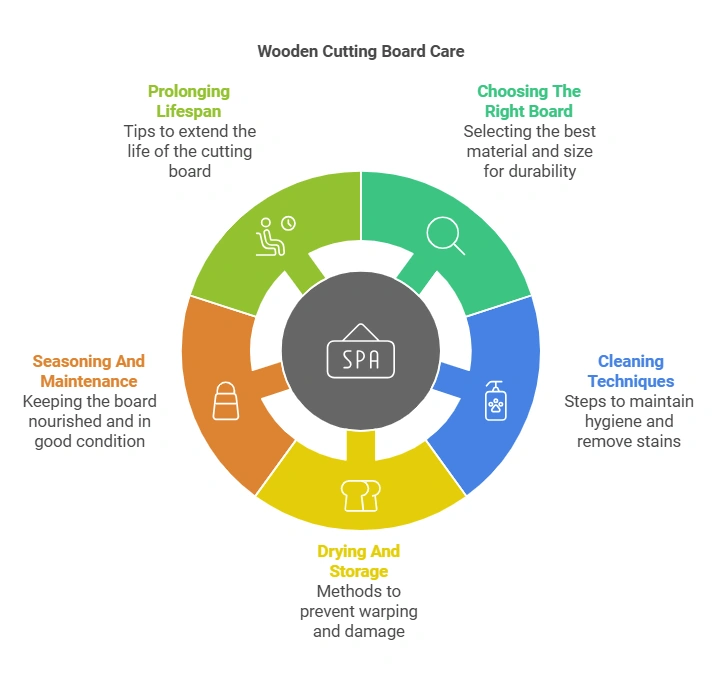
Size and Thickness
Choose a size that fits your countertop and how much prep you typically do at once. For durability, look for at least 1 inch of thickness – thinner boards flex more under a knife and tend to warp sooner once they’ve been washed a few hundred times.
Common Mistakes That Damage a Wooden Cutting Board
Most damaged cutting boards weren’t washed wrong once – they were washed wrong every day for months. These are the habits that shorten a board’s life the fastest:
- Soaking the board. Wood is porous, and prolonged water exposure warps, cracks, or grows mold. Wipe it down instead of letting it sit in the sink.
- Using harsh or abrasive detergents. These strip the wood’s natural oils and leave it prone to drying out and absorbing odors. Stick to gentle dish soap.
- Running it through the dishwasher. The high heat and pressurized water jets warp and split wood boards – always wash by hand.
- Skipping the oil. A board that’s washed but never re-oiled dries out, and dry wood cracks under normal knife pressure.
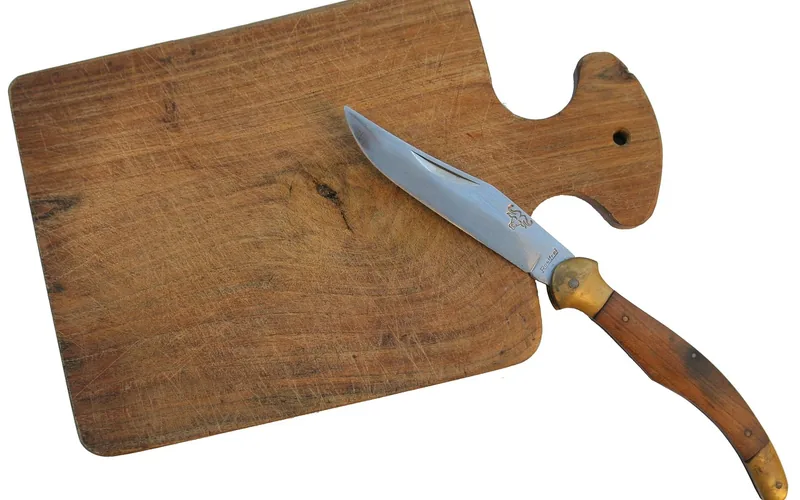
If a board does develop deep cuts or persistent stains, lightly sand the surface with fine-grit sandpaper, then oil it again to reseal the wood. If odors linger after washing, a baking soda and lemon paste usually clears them – the same approach works whether the smell came from onions, garlic, or fish.
Frequently Asked Questions
How often should you wash a wooden cutting board?
Wash it after every use with hot, soapy water, not just at the end of the day. If it’s used daily, do a deeper clean with salt and lemon about once a week to lift stains before they set into the grain.
Can you put a wooden cutting board in the dishwasher?
No. The heat and prolonged soaking inside a dishwasher warp and crack wood boards, and repeated cycles will eventually split the wood along the grain. Always hand wash wooden cutting boards instead.
What’s the best way to disinfect a wooden cutting board?
Pour on undiluted white vinegar or 3% hydrogen peroxide, let it sit two to three minutes, then wipe or rinse. Both kill bacteria effectively without damaging the wood the way bleach can with regular use.
How often should you oil a wooden cutting board?
Every 2 to 3 weeks for a board used daily, every 4 to 6 weeks for occasional use, and weekly for the first month on a brand-new board. Oil sooner if the wood looks pale or water stops beading on the surface.
Can you soak a wooden cutting board to clean it?
No. Never submerge or let a wooden cutting board sit in standing water. Wood is porous, and soaking is one of the fastest ways to cause warping, cracking, and mold growth.
Conclusion
A wooden cutting board only needs three habits to last a decade: hand wash it after every use, disinfect it after raw meat, and oil it on the schedule that matches how often you use it. Skip the dishwasher and skip soaking, and the wood does most of the work protecting your food on its own.
Sponsored / affiliate links. As an Amazon Associate I earn from qualifying purchases. I may earn additional commission from eligible campaigns.