Jack Screw Post: Adjustable Basement Support, Explained
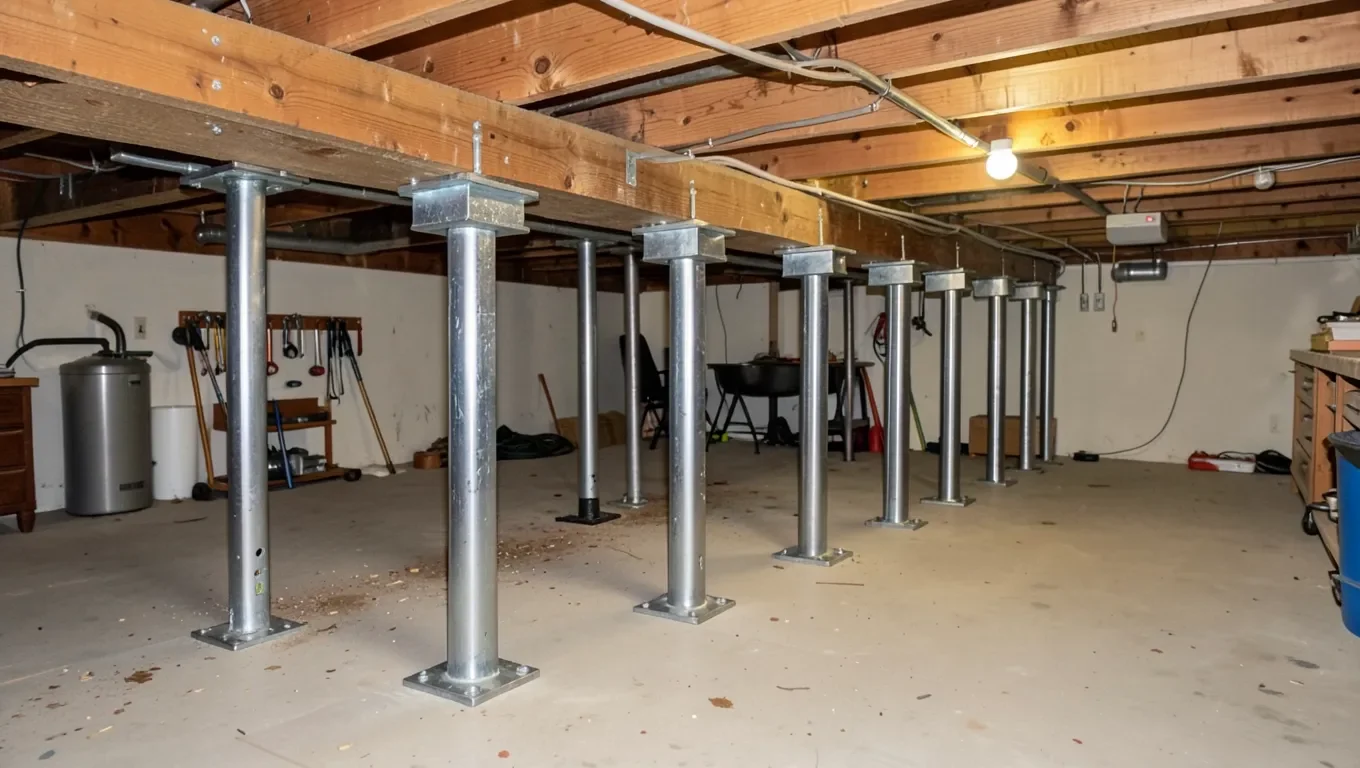
A jack screw post (also called a screw jack post or house jack) is an adjustable steel column used to support a sagging floor joist or main beam, most often in a basement or crawlspace — not the industrial machine-lifting device the name might suggest to someone outside construction. It works by turning a threaded screw mechanism at the top or base to raise the column height in small, controlled increments until it firmly supports the load above it.
What a Jack Screw Post Actually Does
A Real, Buyable Basement Support Jack
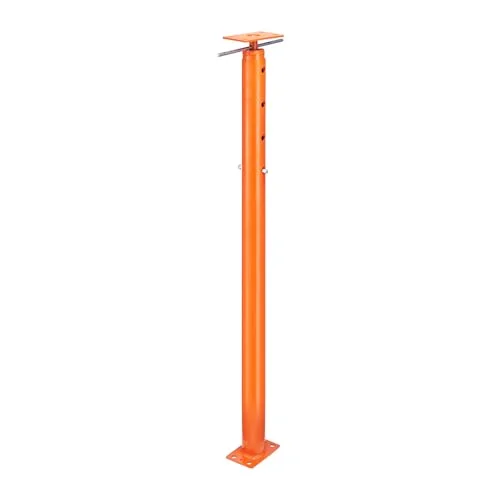 |
VEVOR House Floor Jack, 53″-93″, 18,000 lbs Capacity – $61.90 A real adjustable jack post for temporary or semi-permanent floor joist and beam support during a basement repair.
|
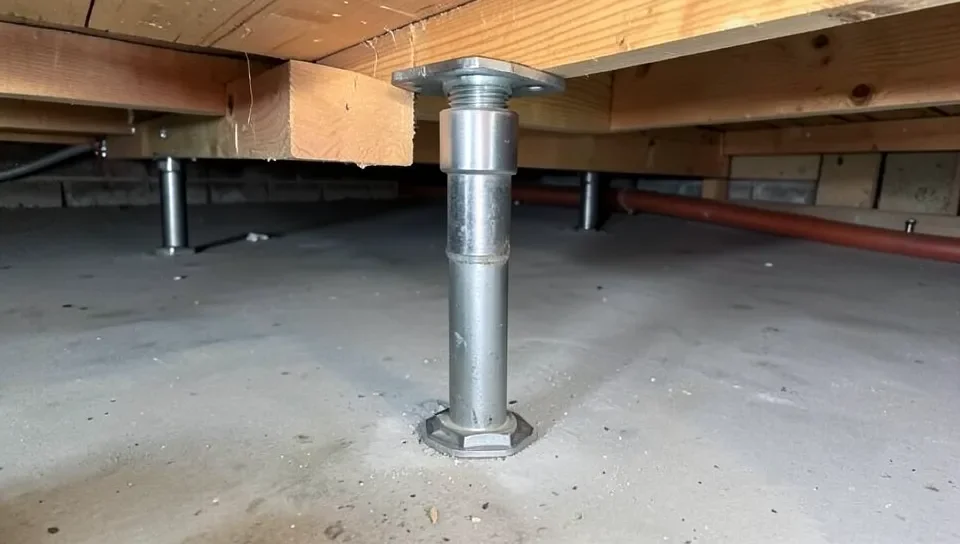
The post sits on a base plate on the floor (usually with a wood or steel pad underneath to spread the load on a concrete slab) and has a top plate that contacts the beam or joist directly. Turning the screw mechanism raises the column in small increments, which is the entire point — sudden, large height changes can crack drywall, pop trim, or in worse cases stress the framing above. Real load capacities on residential jack posts commonly range from about 11,000 to 24,000 lbs depending on the model and height, which is more than enough for typical residential floor support but still needs to be matched to the actual load, not assumed.
Temporary Support vs. Permanent Column Replacement
An adjustable jack post is commonly used as temporary or semi-permanent support — during a beam repair, while replacing a damaged support column, or while leveling a sagging floor slowly over weeks. It’s not generally intended as a permanent structural replacement for a properly engineered column in the same way a fixed steel or concrete-filled lally column is; check local building code and, for anything beyond a straightforward temporary support job, get a structural engineer’s input before treating a jack post as the final permanent fix.
The Real Safety Rule: Go Slow
The single most important safety practice with a jack post is adjusting it gradually — a common guideline is no more than about 1/8 inch per day when actually lifting a sagging floor back into position, not just supporting it at its current height. Raising too fast can crack the foundation, drywall, or the framing itself, since wood and masonry need time to redistribute load as the height changes. If you’re supporting an already-level beam (not actively lifting a sag), this concern is much smaller, but still don’t crank it past snug-and-secure in one aggressive turn.
Sizing: Height Range and Load Capacity Both Matter
Jack posts are sold in different height ranges (roughly 11″-36″ for short/compact jobs up to 54″-150″ for full basement height), and picking one with too little adjustment range for your ceiling height means it can’t be used at all, while too much range for a low basement can be awkward to seat properly. Match the post’s rated height range to your actual measured beam-to-floor distance before buying, and always confirm the load rating meets or exceeds what the beam is actually carrying — a home inspector or structural engineer can help estimate this if you’re not sure.
Frequently Asked Questions
Is a jack screw post the same as an industrial screw jack?
They share the same basic screw-mechanism principle, but a “jack screw post” in a home-improvement context specifically refers to an adjustable column used to support floor joists and beams in a basement or crawlspace, not an industrial machine-lifting device.
Can a jack post be a permanent support?
It’s generally intended for temporary or semi-permanent use. For a permanent structural replacement, check local building code and consider a properly engineered fixed column, especially for anything beyond straightforward temporary support.
How fast can I raise a jack post to fix a sagging floor?
A common guideline is no more than about 1/8 inch per day when actively lifting a sagging floor, to avoid cracking drywall, foundation, or framing. Simply supporting an already-level beam doesn’t carry the same urgency.
Conclusion
A jack screw post is a practical, adjustable way to support a sagging floor joist or beam — the real keys are matching height range and load capacity to your actual space, and raising it slowly if you’re correcting an existing sag rather than just holding steady support. For anything beyond a straightforward temporary fix, get a structural engineer’s opinion before relying on it long-term.
Sponsored / affiliate links. As an Amazon Associate I earn from qualifying purchases. I may earn additional commission from eligible campaigns.