Lichtenberg Wood Burning: The Lethal Voltage Risk, Explained
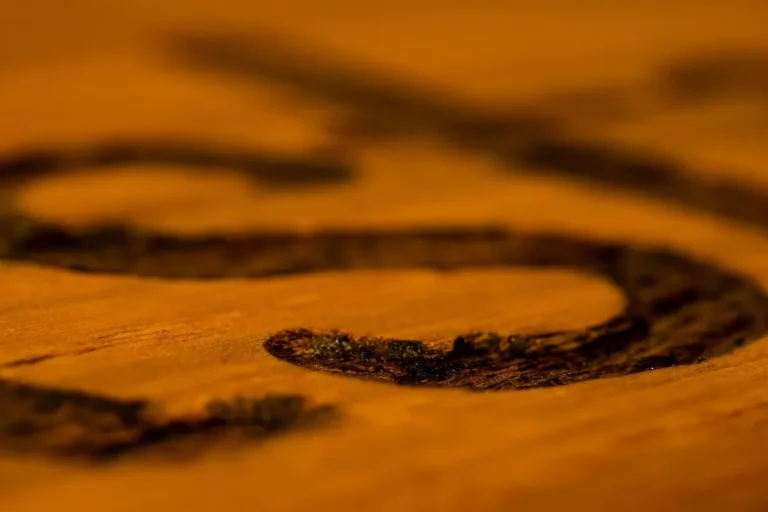
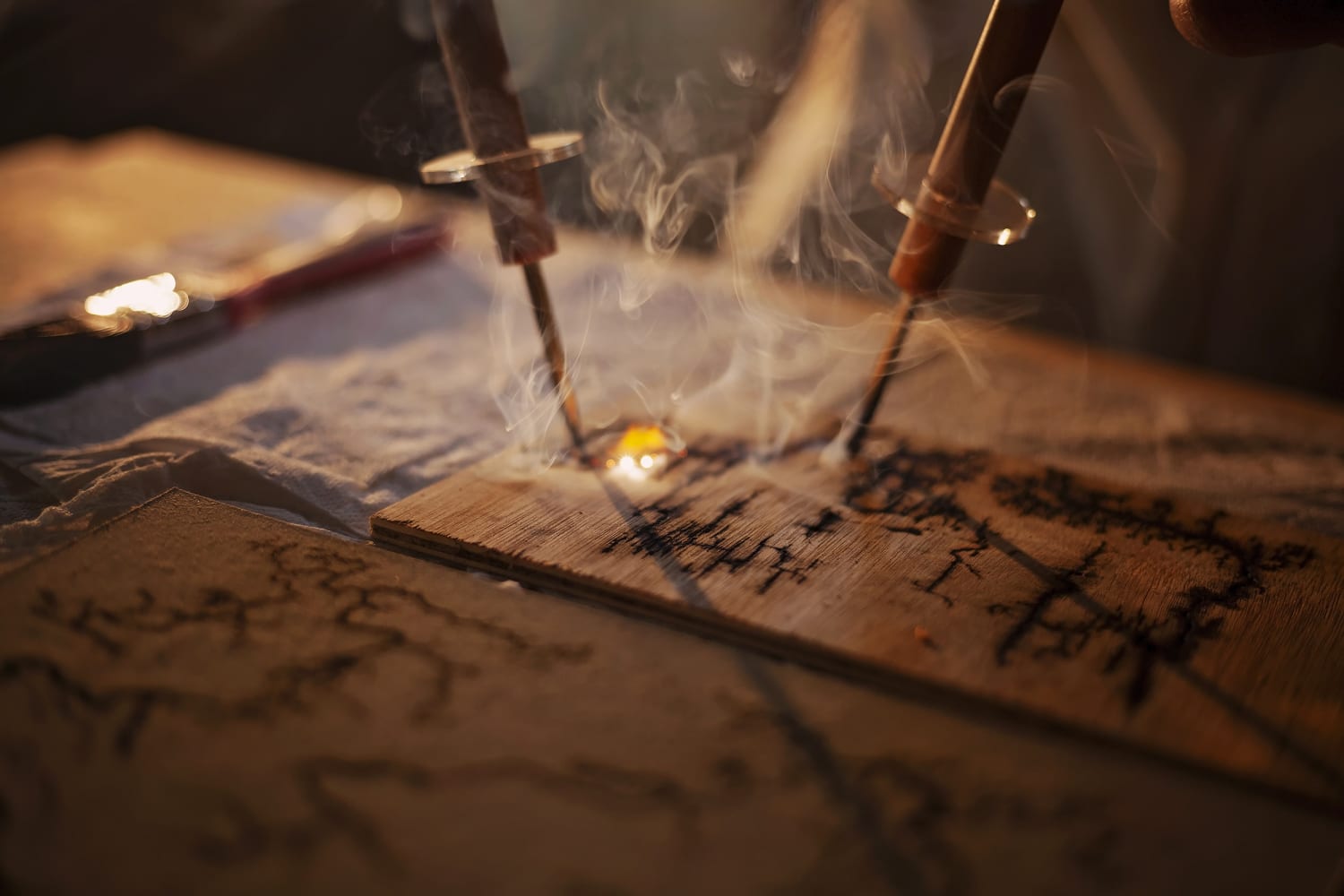
Lichtenberg wood burning involves using electricity to create striking patterns and designs on wood surfaces. This artform utilizes electric current to create intricate and unique patterns on wood, giving it a distinct and visually appealing appearance.
⚠️ Serious Safety Warning
Fractal/Lichtenberg wood burning uses lethal voltages (typically 1,000–15,000V from a microwave, neon-sign, or oil-burner transformer). At least 33 people died attempting this at home between 2017 and 2022, most from accidental contact with electrodes, the electrolyte solution, or a live wire. Never touch the wood, electrodes, or solution while the power source is energized — fully disconnect and wait before adjusting anything. Work on a dry, non-conductive floor, never work alone, and keep others away from a live setup. The American Association of Woodturners bans promoting or demonstrating this technique at its events.
Source: peer-reviewed case reports on fractal wood burning injuries and fatalities (PMC/NCBI, National Library of Medicine)
By harnessing electrical discharge, Lichtenberg wood burning creates captivating patterns and can be used to enhance various wooden objects, from furniture to art pieces. It offers endless possibilities for creativity and adds a touch of uniqueness to wooden items. Whether you’re a woodworking enthusiast or an artist looking to experiment with different mediums, Lichtenberg wood burning can be a rewarding and exciting technique to explore.
The History Of Lichtenberg Wood Burning
Lichtenberg Wood Burning, originating from a high-voltage electrical process, creates intricate patterns on wood surfaces. This art form intertwines modern technology with traditional craftsmanship, resulting in unique and captivating pieces that showcase the beauty of natural wood grains.
Wood burning has been a popular form of artistic expression for centuries, but one technique that has gained significant attention in recent years is Lichtenberg wood burning. This unique form of wood burning involves creating intricate and mesmerizing patterns on wood surfaces using high voltage electricity. Let’s dive deeper into the rich history of Lichtenberg wood burning.
Origins Of Lichtenberg Wood Burning
The origins of Lichtenberg wood burning can be traced back to the late 18th century when a German physicist named Georg Christoph Lichtenberg made important discoveries in the field of static electricity. Lichtenberg found that by passing high voltage electricity through insulating materials, such as wood, intricate patterns could be created. This led to the birth of what is now known as Lichtenberg wood burning.
Initially, Lichtenberg wood burning was primarily used for scientific experiments and demonstrations. However, its aesthetic appeal quickly became evident, and craftsmen and artists began experimenting with the technique to create stunning designs on wood surfaces. Lichtenberg’s discoveries sparked a revolution in the world of wood burning, opening up new possibilities for creativity and artistic expression.
Evolution Of Lichtenberg Wood Burning Techniques
Over the years, Lichtenberg wood burning techniques have evolved and advanced, allowing artists to push the boundaries of their creations. Initially, the process involved using conductive materials and high voltage sources to create the intricate patterns. However, advancements in technology have made the process safer and more accessible to artists of all skill levels.
Today, artists use specialized Lichtenberg wood burning machines that are designed to deliver controlled and precise electricity to the wood surface. These machines feature safety mechanisms and adjustable settings, ensuring that artists can create stunning patterns without compromising their safety.
Another significant advancement in Lichtenberg wood burning techniques is the use of various media, such as acrylic paint and resin, to enhance the patterns. By combining different materials and colors, artists can create truly unique and eye-catching designs that captivate viewers.
In conclusion, the history of Lichtenberg wood burning is one of scientific discovery and artistic innovation. From Lichtenberg’s pioneering experiments to the modern techniques used by artists today, this form of wood burning continues to captivate and inspire. Whether you’re intrigued by its rich history or fascinated by the mesmerizing patterns it creates, Lichtenberg wood burning is undoubtedly an art form that will continue to flourish for generations to come.
Why We Don’t Cover Materials, Tools, Or Technique For This
Earlier versions of this page listed the transformer voltage range, conductive solution, and electrode setup needed to burn Lichtenberg patterns into wood. We removed that guidance. Since 2017, at least 33 documented deaths in the United States have been linked to homemade Lichtenberg/fractal wood-burning rigs built from microwave oven transformers or neon sign transformers, and the American Association of Woodturners bans demonstrating the technique at its events.
Two facts explain why standard precautions (insulated gloves, goggles, ventilation) don’t reliably prevent injury:
- A GFCI outlet does not protect you. It monitors the transformer’s primary (input) wiring. The lethal output comes from the secondary coil, which is galvanically isolated from that circuit — the GFCI cannot detect a fault on the output side and will not trip.
- Unplugging the transformer does not make it safe to touch. The capacitor paired with a microwave oven transformer stores a charge and can deliver a lethal shock long after the unit is disconnected from the wall.
Getting The Look Without The Risk
If the branching, lightning-like pattern is the appeal, these routes get a comparable result without wiring a transformer:
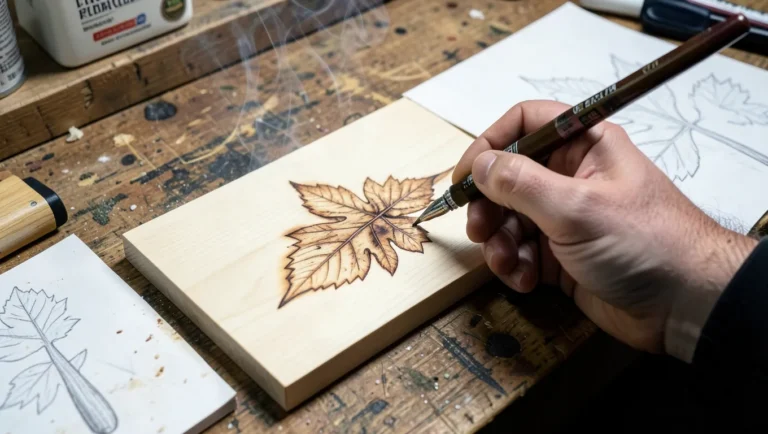
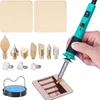
- Pyrography (wood-burning) pen. Freehand a branching pattern at low, safe voltage.
- CNC laser engraver. Load or design a Lichtenberg-style pattern and let the laser burn it in — no current passes through the workpiece or operator.
- Commercially built, interlocked units. Enclosed Lichtenberg machines with engineered safety interlocks are meaningfully safer than a garage-built rig, but still high voltage — “safer” is not “safe.”
|
Safe Alternative Pick
|
As an Amazon Associate we earn from qualifying purchases.
Frequently Asked Questions On Lichtenberg Wood Burning
Is Fractal Wood Burning Legal?
Yes, fractal wood burning is legal. However, regulations may vary in different areas, so it’s important to check local laws or seek permission if necessary.
What Is Needed For Lichtenberg Wood Burning?
We don’t publish a materials list for the DIY build. The traditional setup uses a high-voltage transformer, a conductive solution, and electrodes — but this exact combination has been linked to at least 33 deaths in the US since 2017. A pyrography pen or CNC laser engraver gets a similar look safely.
What Transformer Is Best For Fractal Burning?
We don’t recommend any transformer for a DIY build. Microwave oven and neon sign transformers both produce lethal voltage, and a GFCI outlet does not protect you because the dangerous output comes from a secondary coil that’s isolated from the wiring a GFCI monitors. If you want the look, use a pyrography pen or CNC laser engraver instead.
Can I Use A Welder For Lichtenberg?
We don’t recommend it. A welder can supply enough current to be just as lethal as a microwave oven or neon sign transformer, and none of the usual precautions (gloves, a GFCI outlet, unplugging when “done”) reliably prevent injury with this technique.
Credit: www.nbcnews.com
Conclusion
The branching Lichtenberg pattern is genuinely striking, but the traditional DIY method of getting it — wiring a microwave oven transformer, neon-sign transformer, or oil-burner transformer to a conductive solution — has killed dozens of people since 2017 and is banned from demonstration at American Association of Woodturners events for that reason. A GFCI outlet and unplugging the unit do not make it safe: the lethal voltage lives on the isolated secondary coil and the capacitor can hold a charge long after the power is cut.
You can still get the look. A pyrography pen or a CNC laser engraver both produce a comparable branching pattern without ever putting lethal current through the wood, your hands, or you.
Sponsored / affiliate links. As an Amazon Associate I earn from qualifying purchases. I may earn additional commission from eligible campaigns.