Menards 1/4 Plywood: Sheet Types, Sizes and What to Buy
Menards sells 1/4-inch plywood under several different grade names, ACX Sanded, BCX Sanded, and Sanded Utility, and the grade you pick matters more than the thickness alone. ACX gives you one smooth, paint-ready face for visible panels; BCX and Utility grade are rougher and cost less, better suited to backing and subflooring nobody will see. This guide covers which grade fits which project, real sheet sizes, and how to cut and finish 1/4-inch plywood without splintering it.
Quick Answer
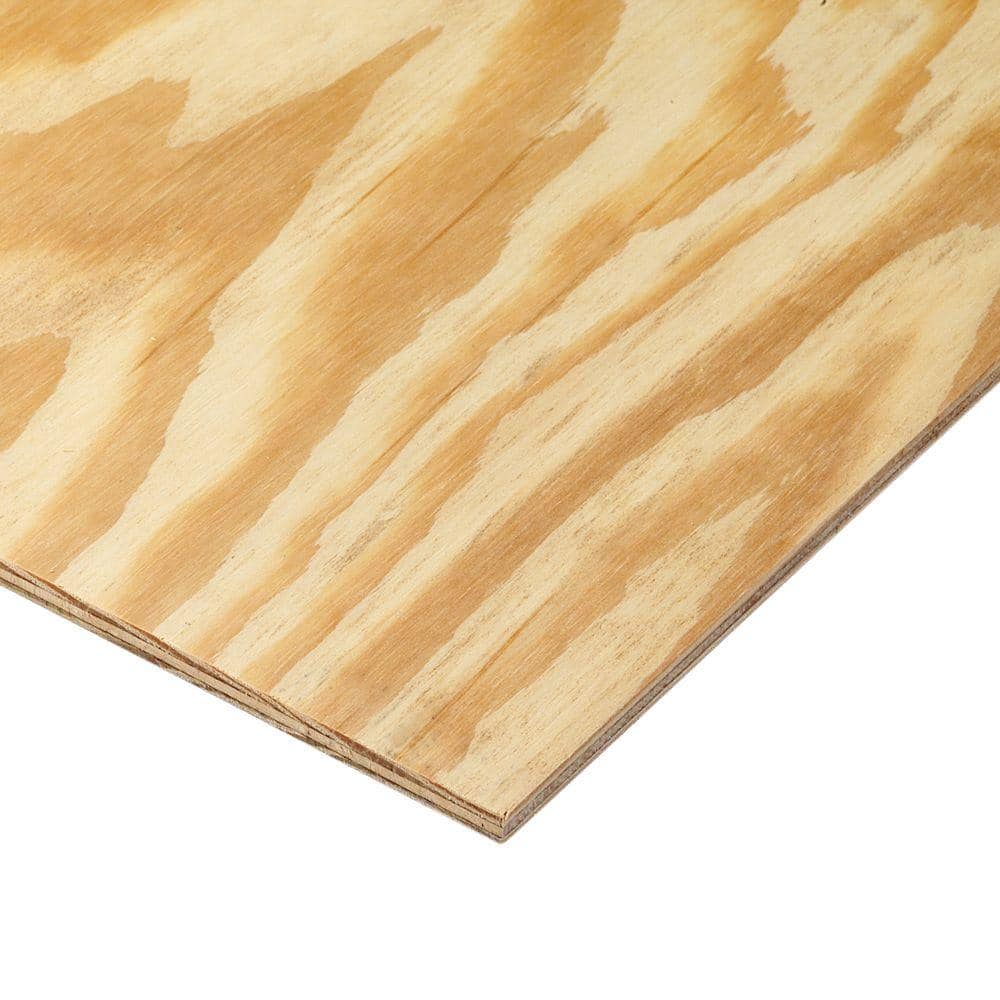
Menards carries 1/4-inch plywood as ACX Sanded Plywood (smooth paint-grade face, good for cabinet backs and wainscoting), BCX Sanded Plywood (one sanded side, interior/exterior rated), and Sanded Utility Plywood (B-grade, smooth both sides). Full 4×8 sheets and smaller pre-cut 2×4/2×8 “Handi-Panels” are both available, the Handi-Panels cost more per square foot but skip a trip to have a full sheet cut down.
The Benefits Of Menards 1/4 Plywood
Best Edge Finish Pick
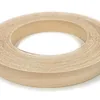 |
Edge Supply Birch Iron-On Edge Banding (3/4″ x 50ft), $15.99 Pre-glued real wood veneer tape that irons on to seal raw plywood edges, the exact finishing step this guide’s “Sealing the edges” tip covers below.
|
As an Amazon Associate we earn from qualifying purchases.
Menards’ 1/4-inch plywood lineup covers a wide range of budgets and finish requirements, from paint-ready ACX sheets to utility-grade backing panels.
Affordability
- Sanded Utility and BCX grades cost less than ACX, a reasonable trade-off for backing panels that won’t be visible
- Smaller 2×4 and 2×8 Handi-Panels avoid the waste (and the cutting) of buying a full 4×8 sheet for a small project
Durability
- BCX grade is rated for interior or exterior use, unlike interior-only utility panels
- All three grades hold screws and staples reasonably well for their thinness, though 1/4″ plywood is not a structural panel, it’s a backing, paneling, and craft material
Uses Of Menards 1/4 Plywood
Construction Projects
1/4-inch plywood is commonly used for cabinet backs, drawer bottoms, and interior wall paneling. It is not a substitute for subfloor-grade plywood (typically 5/8″ to 3/4″) and is not rated to span floor joists.
DIY Home Improvement Projects
For DIY enthusiasts, 1/4-inch plywood is well suited to crafting shelves backs, cabinet backing, and furniture panels. It’s also a common choice for decorative wainscoting since ACX grade takes paint smoothly.
Comparison With Other Plywood Grades
Menards’ three 1/4-inch grades aren’t interchangeable, picking the wrong one either overpays for a face nobody sees, or leaves a rough surface where you needed a smooth one.
| Grade | Face Finish | Best Use |
|---|---|---|
| ACX Sanded | One smooth, paint-ready face | Visible panels, wainscoting, cabinet fronts |
| BCX Sanded | One sanded side, interior/exterior rated | Backing panels exposed to some moisture |
| Sanded Utility | B-grade, smooth on two sides | Drawer bottoms, cabinet backs, general backing |
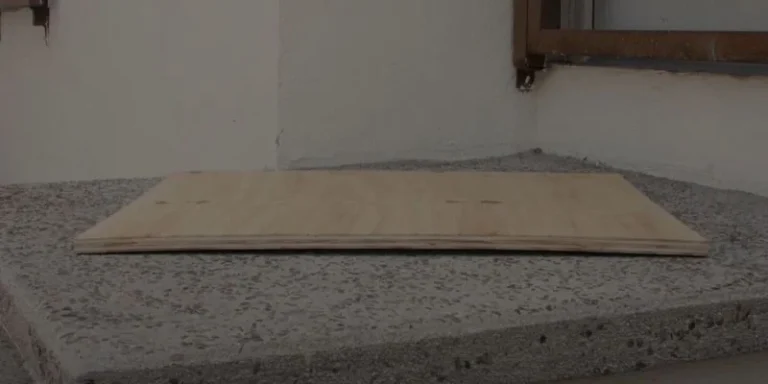
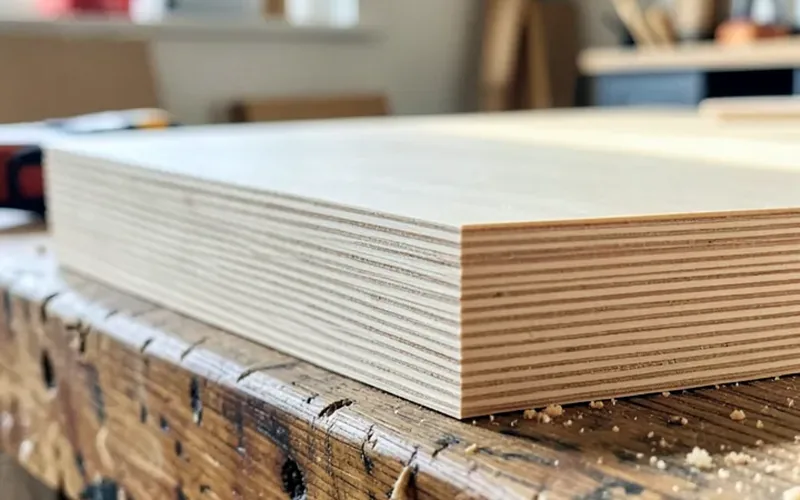
📊 A quarter-inch sheet has only 3 plies, versus 5+ in half-inch plywood, that’s why it flexes noticeably and needs full-surface support when you cut or carry it.
What A Quarter-Inch Sheet Really Measures, Weighs And Costs
The label says 1/4 inch, but a sanded sheet is thinner than that. Sanders remove roughly 1/64 inch from each face, so a nominal 1/4 inch sanded panel measures about 7/32 inch (0.219 in), with a manufacturing tolerance of about 1/32 inch either way under the APA PS 1 standard. That matters if you are cutting a dado or rabbet for a cabinet back: size the groove to the real thickness, not to a 1/4 inch bit, or the panel will rattle. For the full width and length story on a sheet, see the actual measurements of 4×8 plywood, and for how to read the grade stamp, see our guide to 4×8 plywood panels.
| Grade (1/4 x 4 x 8) | Listed price seen Oct 7, 2026 | Real thickness | Typical sheet weight |
|---|---|---|---|
| Sanded Utility | $21.99 | about 7/32 in | about 22 to 27 lb |
| BCX Sanded | $33.49 | about 7/32 in | about 22 to 27 lb |
| Premium ACX Sanded | $35.69 | about 7/32 in | about 22 to 27 lb |
Prices come from Menards search-result listing snippets on October 7, 2026. We could not open the Menards product pages ourselves, so treat the numbers as a rough guide; stores differ and Menards runs rebates that change the final cost. The weight range is a general figure for 4×8 sheets of 1/4 inch softwood plywood, not a Menards spec. Notice the pattern: Utility is roughly a third cheaper than ACX, which is the entire reason to choose it for hidden backing. If you need a thicker panel with a published price check, compare against 5/8 plywood prices at Home Depot.
Tips For Working With Menards 1/4 Plywood
Menards 1/4 plywood is a versatile building material that can be used for various woodworking projects. Whether you are a seasoned DIY enthusiast or a novice woodworker, these tips will help you get the most out of your Menards 1/4 plywood.
Cutting And Shaping
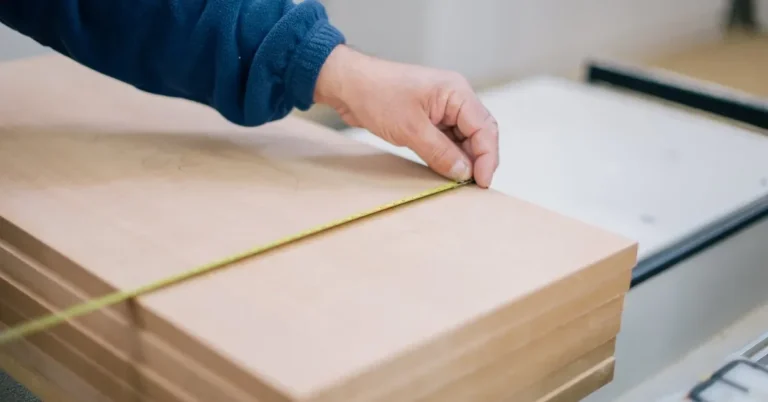
- Measure twice, cut once. Double-check your measurements before making any cuts to avoid wasting material.
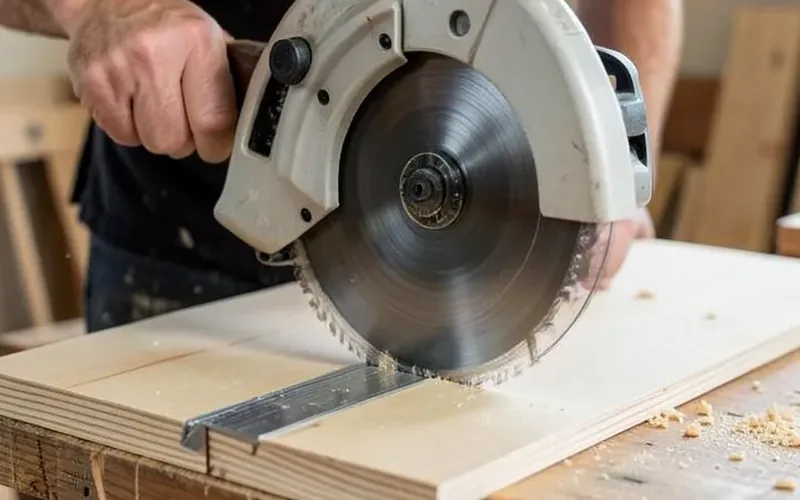
- Use a sharp, fine-tooth blade. Dull or coarse blades cause splintering on the thin face veneer.
- Support the full sheet. Place the plywood on a flat, stable surface, unsupported thin plywood sags and splinters mid-cut.
- Use a straight edge. Clamp a guide along the cutting line for an accurate, wander-free cut.
- Score the face first. A utility knife pass along the cut line before sawing reduces tear-out on the visible face.
Finishing Techniques
Once you have cut and shaped your plywood, a few finishing steps make it look intentional instead of raw:
- Sanding. Start with a coarse-grit sandpaper to remove any rough edges, then work up to finer grits for a smooth finish.
- Sealing the edges. Apply iron-on wood veneer edge banding (or wood glue and a thin strip of matching veneer) to hide the exposed ply layers.
- Staining or painting. ACX-grade sheets take paint and stain evenly on the sanded face; utility and BCX grades may need a sanding sealer first.
- Sealing. A clear varnish or polyurethane protects the surface from moisture and wear, and adds a glossy finish if you want one.
By following these tips, you can ensure your project using thin plywood turns out clean and holds up over time. Always wear eye protection when cutting, since thin plywood splinters can travel further than thicker sheets.
Choosing Between Sheet Sizes
Menards sells 1/4-inch plywood as full 4×8 sheets and as smaller pre-cut “Handi-Panels” in 2×4 and 2×8 sizes. The Handi-Panels cost more per square foot, but they fit in a car trunk and skip the trip to have a full sheet cut down in-store. For a project needing more than two or three small pieces, a full 4×8 sheet is usually the better value even after accounting for a cutting fee, see our guide on whether Menards will cut plywood for you for current cutting policies.
Frequently Asked Questions On Menards 1/4 Plywood
What Is Menards 1/4 Plywood Used For?
1/4-inch plywood is commonly used for cabinet backs, drawer bottoms, decorative wall panels, furniture backing, and craft projects. Its thin but layered construction makes it strong enough for backing panels without adding much weight or thickness. For the thinner option, our 1/8 plywood guide covers 3mm vs 1/8 inch stock, weight and bend radius.
How Much Does Menards 1/4 Plywood Cost?
Pricing varies by grade and by store region, and changes often enough that a fixed number here would go stale, Sanded Utility and BCX grades typically cost less than ACX grade, and the smaller Handi-Panel sizes cost more per square foot than a full 4×8 sheet. Check your local Menards store or menards.com for current pricing before you buy.
Is Menards 1/4 Plywood Suitable For Flooring?
No, not as a standalone subfloor. 1/4-inch plywood is too thin to span floor joists safely. It works as a thin underlayment layer over an existing subfloor in some cases, but for structural flooring, use 5/8-inch to 3/4-inch flooring-grade plywood instead.
How Thick Is Menards 1/4 Plywood Really?
A sanded 1/4 inch sheet measures about 7/32 inch (0.219 in) because sanding removes roughly 1/64 inch from each face, and tolerance is about 1/32 inch either way. Size dados and rabbets to the real thickness, not a 1/4 inch bit.
Conclusion
Menards’ 1/4-inch plywood lineup, ACX, BCX, and Sanded Utility, covers everything from paint-ready panels to budget backing material. Match the grade to whether the face will be visible, pick a full sheet or Handi-Panel based on how much you need, and support the sheet fully when you cut it to avoid the splintering thin plywood is prone to.
Sponsored / affiliate links. As an Amazon Associate I earn from qualifying purchases. I may earn additional commission from eligible campaigns.