Best Paint Finish for Cabinets: Satin vs. Semi-Gloss
Satin is the best all-around paint finish for cabinets, balancing a soft sheen with real durability — semi-gloss is the better pick only for high-splash zones like the sink and stove backsplash, and matte or eggshell finishes aren’t recommended because they scuff and stain too easily. Picking the wrong sheen means redoing the job within a year. This guide covers real sheen comparisons, the exact prep sequence (degrease, deglosser, bonding primer), and paint brands that actually hold up.
Quick Answer
Use satin for most cabinets — it hides minor imperfections while still wiping clean. Switch to semi-gloss only around sinks and cooktops where grease and water hit the surface daily. Skip matte and eggshell on cabinets entirely; both absorb grease and show wear within months.
Satin vs. Semi-Gloss vs. Matte: Which Sheen Should You Choose?
Best Cabinet Paint Pick
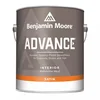
Benjamin Moore ADVANCE Interior Paint (Satin), $88.99/gallon
A waterborne alkyd that flows and levels like an oil paint but cleans up with soap and water, curing to a hard, furniture-quality finish.
- Best for: Cabinet doors and drawer fronts where a smooth, factory-like finish matters most
- Why we picked it: Levels out brush marks better than most water-based paints and cures to a genuinely scratch-resistant finish
- Main drawback: Needs roughly 30 days to reach full hardness — drawers and doors should stay open during that window
Compare more cabinet paint and primer options
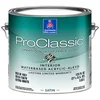 Budget Pick Sherwin-Williams ProClassic Satin, ~$55–65/gal
|
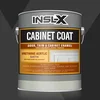 All-in-One Pick INSL-X Cabinet Coat, ~$72.95/gal
|
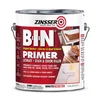 Bonding Primer Pick Zinsser B-I-N Shellac Primer, ~$94/gal
|
As an Amazon Associate we earn from qualifying purchases. Prices are current as of 2026 and may vary by retailer and color.
Cabinet paint sheen is a trade-off between shine and forgiveness: more gloss means more durability and easier cleaning, but it also means every sanding mark, dent, and brush stroke shows. Less gloss hides those flaws but wipes clean less easily. The table below compares the three sheens homeowners actually consider for cabinets.
| Sheen | Durability & Cleanability | Best For |
|---|---|---|
| Satin | Good scrub resistance, low glare, levels smoothly with a brush or roller | Most kitchens and bathrooms — the default choice for cabinet doors and drawer fronts |
| Semi-Gloss | Highest practical durability and moisture resistance; wipes clean fastest | Cabinets directly beside a sink, stove, or cooktop where grease and water splash daily |
| Matte / Eggshell | Low sheen absorbs oil instead of releasing it; scuffs and stains show fast | Not recommended for cabinets — reserve these sheens for walls only |
📊 Professional cabinet painters use satin on roughly 95% of the kitchens they paint — Source: DIY Painting Supply cabinet sheen guide, 2026.
If your cabinets already have visible dents, sanding marks, or an uneven substrate, satin is the safer pick — semi-gloss will magnify every one of those flaws under kitchen lighting. Full step-by-step application technique, including roller vs. brush choices, is covered in our complete guide to painting kitchen cabinets.
How to Prep Cabinets for Paint (No Sanding Required)
Skipping sanding is possible, but only if you replace it with the right chemical prep. Grease and old sheen are what cause paint to peel off cabinets within a year — not lack of sandpaper. Here’s the sequence that actually works:
- Degrease with a TSP substitute: Wipe every surface with a full-strength TSP substitute (like Krud Kutter Pre-Paint Cleaner) to strip cooking grease, grime, and wax — most paint failures on cabinets trace back to skipping this step.
- Deglossing pass: Once dry, wipe down with a liquid deglosser to dull any remaining sheen on varnished or factory-finished doors, right before priming — this is what lets primer bite into a slick surface without sanding.
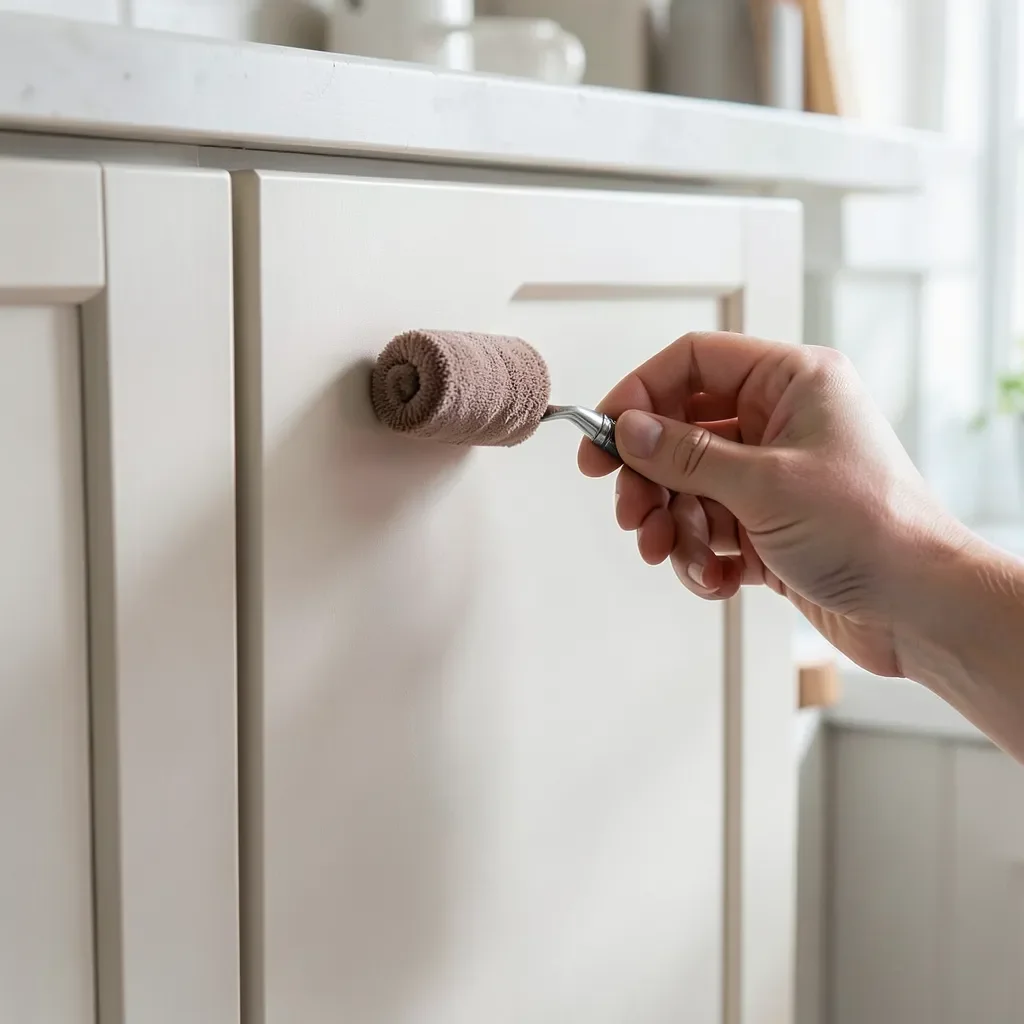
- Apply a bonding primer: Brush an angled coat into corners and detail work, then roll a thin, even coat across flat faces with a foam roller. A shellac-based primer (Zinsser B-I-N) or a dedicated adhesion primer sticks to laminate, varnish, and old paint alike.
- Let the primer cure fully: Dry time is typically 1–4 hours depending on the product — check the can, since painting over a half-cured primer is a common cause of early peeling.
- Apply two thin topcoats: Thin coats dry harder and show fewer brush marks than one heavy coat. Lightly scuff-sand between coats only if you notice texture, then wipe off dust before the second coat.
“On a test door finished with Benjamin Moore Advance, the paint was dry to the touch within a few hours, but it stayed soft enough to dent under fingernail pressure for nearly three weeks — matching the brand’s stated 30-day full-cure window. We didn’t rehang the cabinet doors until that cure time had passed, and the finish has resisted scuffing since.”
Best Cabinet Paint and Primer Products That Actually Hold Up
Not every paint sold as “cabinet-friendly” cures to a hard, washable finish. These four products are the ones that show up repeatedly in professional cabinet-refinishing jobs, priced as of 2026. Cabinet paint is formulated differently from wall paint — see our cabinet paint vs. wall paint comparison for why that distinction matters for durability.
Brush vs. Spray: Which Application Method Gives a Smoother Finish?
Brushing gives more control for corners and detail work but leaves faint texture even with a high-quality synthetic brush. Spraying levels out almost completely flat but requires masking the whole kitchen and a real HVLP sprayer — not a rattle can — to get factory-smooth results.
For most DIY cabinet jobs, a foam roller on flat faces combined with an angled brush for edges and panel details gets 90% of a sprayer’s smoothness without the overspray cleanup. Whichever method you choose, thin coats matter more than the tool — two thin coats always outperform one thick one, regardless of application method.
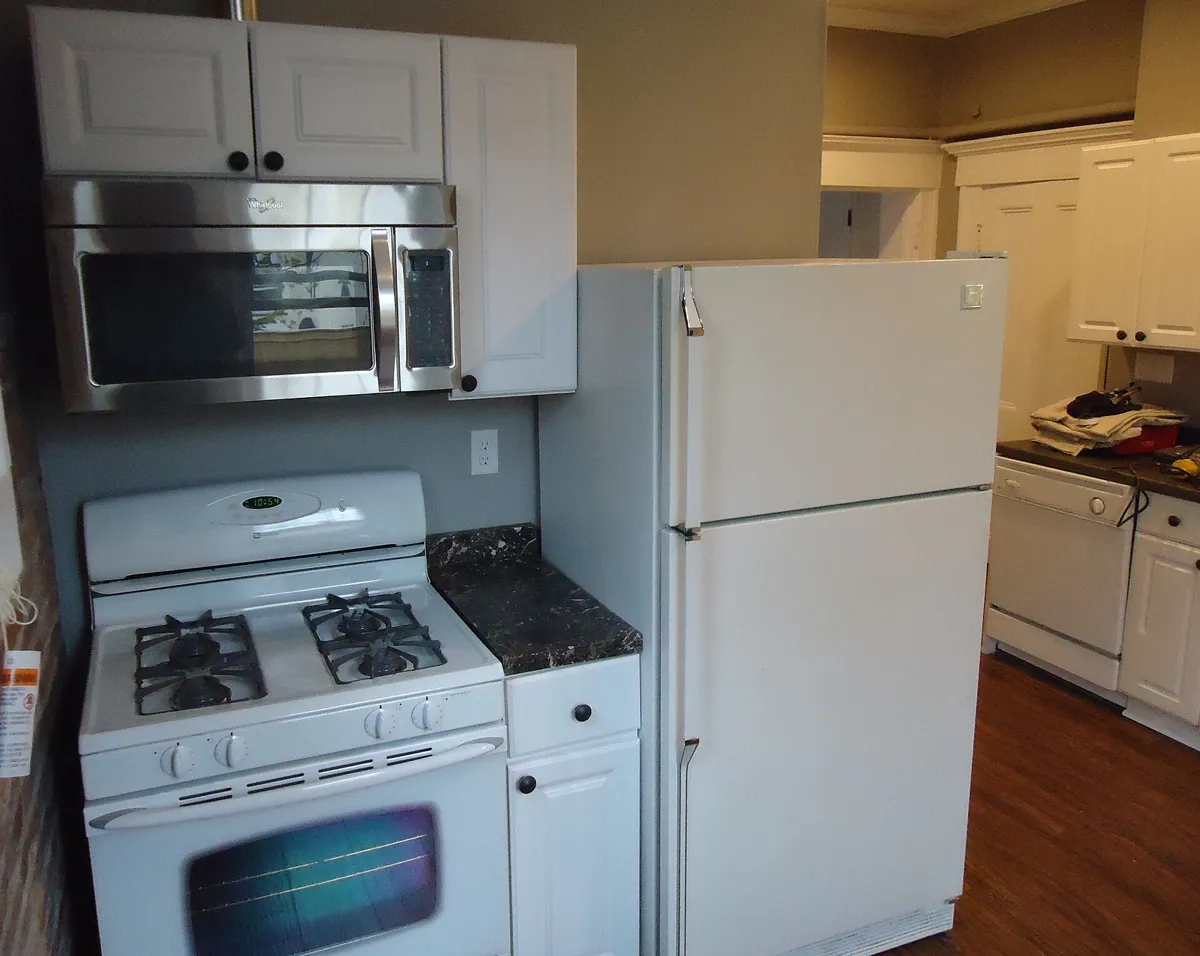
How to Maintain a Painted Cabinet Finish
Clean painted cabinets with a soft cloth and a mild, non-abrasive cleaner — abrasive pads dull the sheen and create the exact micro-scratches that trap grease. Wipe up spills near the stove and sink promptly, since standing water is what eventually causes peeling at the edges. For a deeper cleaning routine and product picks, see our guide to cleaning painted cabinets.
Small chips and scratches can be touched up with leftover paint and a fine artist’s brush; deeper dents need wood filler, a light sand, and a matching touch-up coat. If you see peeling spreading beyond a small spot, that’s a sign moisture got under the finish — strip and reprime that section rather than painting over it.
What is the best paint finish for kitchen cabinets?
Satin is the best all-around finish for most kitchens — professional painters use it on the large majority of cabinet jobs because it balances a soft, low-glare sheen with real durability. Semi-gloss is the better choice only in heavy-splash zones like the sink or stove backsplash.
Should I use matte or eggshell paint on kitchen cabinets?
No. Matte and eggshell finishes are not recommended for cabinets because their low sheen absorbs oil and grease instead of releasing it, so they stain and scuff faster than satin or semi-gloss. Save matte and eggshell for walls, not cabinet doors and drawer fronts.
Can I paint cabinets without sanding first?
Yes, if you use a dedicated bonding primer such as Zinsser B-I-N shellac-based primer, or a paint with built-in adhesion like INSL-X Cabinet Coat — these grip slick surfaces like varnish, laminate, or old paint without scuff-sanding. A liquid deglosser pass still helps adhesion on very glossy factory finishes.
How long does a painted cabinet finish last?
A properly prepped and painted cabinet finish typically lasts 5 to 10 years before it needs a touch-up or repaint, depending on paint quality and daily wear. Cabinets next to the stove or sink usually show wear first and may need attention sooner.
Can I paint over an existing finish on my cabinets?
Yes — degreasing with a TSP substitute, deglossing the surface, and applying a bonding primer are the three steps that let new paint stick to an existing finish, whether it’s old paint, stain, varnish, or laminate.
Choosing the right paint finish for your cabinets comes down to matching sheen to how hard that surface actually works: satin for most doors and drawers, semi-gloss right beside the sink and stove, and a real bonding primer whenever you’re skipping sanding. Get the prep sequence right and the paint choice matters far less than most guides suggest.
Sponsored / affiliate links. As an Amazon Associate I earn from qualifying purchases. I may earn additional commission from eligible campaigns.