Rug Pads Safe for Hardwood Floors: Felt, Rubber & What to Avoid
Felt and felt backed with 100% natural rubber are the rug pads that are safe for hardwood floors. PVC, vinyl, latex and unnamed synthetic-rubber pads are the ones that can stain a polyurethane finish or trap moisture. Buy the pad about 1 inch smaller than your rug on each side. This guide shows how to read a pad label, what the damage looks like, and how to check under a rug.
Which Rug Pad Materials Are Safe for Hardwood Floors?
Best Felt + Natural Rubber Pad
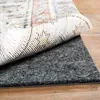 |
BAGAIL Felt and Natural Rubber Rug Pad, 1/4 inch (5 x 7 ft, $29.99) A felt top over a natural rubber backing, the exact pairing this guide recommends, with the rubber type named right in the listing instead of a vague “non-slip” label.
|
As an Amazon Associate we earn from qualifying purchases.
Flooring makers agree on the short list. Sheoga Hardwood Flooring recommends pads made of felt or natural rubber because they are non-abrasive, and warns that non-natural rubber or latex backings can discolor the finish. The table sorts the common pad materials the way a floor needs them sorted.
| Pad material | Safe on hardwood? | Why | Best use |
|---|---|---|---|
| 100% felt | Yes | Non-abrasive, no rubber or plastic to react with the finish | Heavy rugs that stay put on their own |
| Felt + natural rubber | Yes | Felt cushions the rug, natural rubber grips the floor | Most rugs, especially ones that slide |
| Natural rubber only (thin) | Yes, with care | Grips well but gives little cushion; confirm the label says natural | Runners and small mats |
| Felt + latex or unnamed rubber | Questionable | Latex and non-natural rubber backings are the ones makers warn about | Avoid unless the maker states it is finish-safe |
| PVC, vinyl or plastic mesh | No | Plasticizers can migrate into the finish; the backing can also trap moisture | Not for hardwood |
| Jute | No | Abrasive fibers scratch the finish | Not for hardwood |
How to Tell Natural Rubber From Synthetic on the Label
This is where most buyers go wrong. A listing that says “non-slip,” “rubber gripper” or “felt + rubber” does not tell you the rubber is natural. Use this checklist before you buy:
- Look for the exact words: “100% felt” or “natural rubber.” If the word natural is missing, assume the rubber is synthetic.
- Search the specs for PVC, vinyl, latex and plastic: any of the four is a reason to pass.
- Check the backing texture: an open waffle or mesh grid in slick plastic is usually vinyl, not rubber.
- Ask the seller: if the material is not stated on the page, a reputable maker will answer in one email. No answer means no purchase.
Why the Wrong Rug Pad Damages a Hardwood Finish
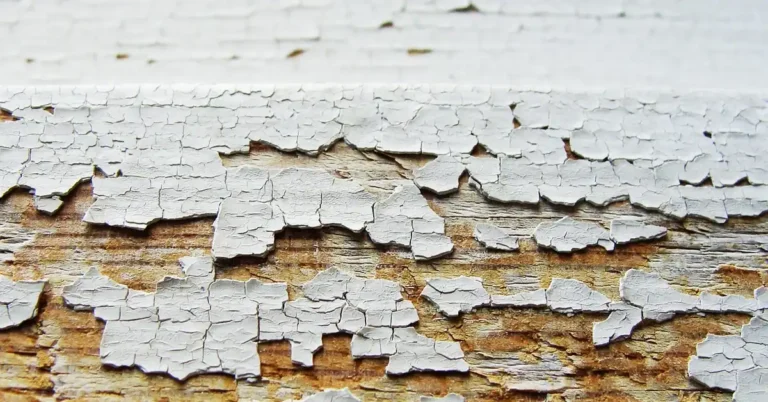
Most people picture scratches, but a soft pad rarely scratches anything. The real problems are chemistry and trapped moisture. Pads made with PVC, vinyl or synthetic rubber can leave a yellow or orange stain in the finish, and a solid rubber or latex backing that cannot breathe holds moisture against the surface. Neither shows up on day one, so the damage is usually found when the rug is finally moved.
Bruce Flooring advises against solid rubber or latex rug backings because they can trap moisture, and recommends a breathable grid-patterned polypropylene backing instead. Source: Bruce Hardwood Flooring FAQs
“Can discolor and deteriorate the finish of hardwood flooring over time.”
Sheoga Hardwood Flooring, on non-natural rubber and latex rug backings
Is the Mark Under Your Rug From the Pad or the Sun?
Not every mark under a rug is the pad. Bruce notes that the most probable cause of a color difference where a rug sat is sunlight, because the covered wood ages differently from the exposed wood. A quick way to separate the two causes on your own floor:
- Sun: the color difference follows the rug outline and the window light, and the surface feels smooth and normal.
- Pad chemistry: the mark looks yellow or orange, is patchy rather than a clean outline, or the surface feels tacky or glossy under the pad.
A tacky film is a cleaning problem first, so start with our guide on removing sticky residue from hardwood floors. If the finish itself looks dull or worn after the rug is gone, see how to renew wood floors without sanding before you consider a refinish.
Rug Pad Size, Thickness and Grip
Once the material is safe, size and thickness decide how the rug behaves day to day.
- Size: choose a pad about 1 inch shorter than the rug on every side. The edge stays hidden and the rug cannot curl over a pad lip. Felt and rubber pads cut cleanly with scissors, so buy one size up and trim.
- Thickness: 1/8 inch to 1/4 inch covers most rooms. Go thinner (1/8 inch) near doors so the door clears the rug and nobody trips on the edge, and use 1/4 inch under larger living room and bedroom rugs for cushion.
- Grip: a felt-only pad relies on the weight of the rug, so it suits heavy wool or large rugs. Light rugs and runners slide, and they are where a natural rubber layer earns its keep.

Check the Rug Backing Too
A safe pad does not fix an unsafe rug backing. If the rug has a solid rubber, latex or vinyl backing and sits directly on the floor, it brings every problem above with it. Bruce suggests a breathable, non-staining rug with a grid-patterned polypropylene backing, and warns that jute backings are abrasive and scratch the surface. For a rug that is already slipping, our guide to keeping rugs from slipping on hardwood covers the options, and our deeper page on a natural rubber rug pad for hardwood floors goes into that one material. If you are still choosing the rug, see the best rugs for hardwood floors.
Care and Replacement: Check Under the Rug
- Lift the rug regularly. Shaw Floors recommends checking and cleaning under area rugs weekly, which also catches grit that works through the pad. Our guide on cleaning rugs on hardwood floors has the routine.
- Move the rug now and then. Sunlight changes the exposed wood, so shifting or rotating the rug a few inches keeps the color even.
- Let new finish cure first. On a freshly site-finished floor, wait until the finish has fully cured before covering it, because a rug traps solvents and can leave a permanent outline.
- Replace a pad that has changed. Flattened felt, crumbling rubber, a sticky surface or a new odor all mean the pad should go.

Frequently Asked Questions About Rug Pads for Hardwood Floors
What kind of rug pad is safe for hardwood floors?
Felt and felt backed with natural rubber are the safest choices. Both are non-abrasive and give grip without chemically reacting with the finish. Skip any pad that lists PVC, vinyl, latex or an unnamed synthetic rubber, because those backings are the ones flooring makers warn can discolor the finish.
Are rubber backed rug pads safe for hardwood floors?
Only if the rubber is natural. Flooring makers warn that non-natural rubber and latex backings can discolor the finish, and Bruce advises against solid rubber or latex backings because they can trap moisture. If a listing just says rubber with no type, treat it as unverified and choose 100% felt instead.
Do rug pads damage hardwood floors?
The right ones protect the floor and the wrong ones harm it. A felt or felt and natural rubber pad cushions the surface and stops the rug from scuffing it. A PVC, vinyl or synthetic rubber pad can leave a yellow or orange stain or a sticky film, and a rug that never moves can leave a sun-faded outline.
Is latex safe for hardwood floors?
Treat latex backings with caution. Sheoga Hardwood Flooring says rugs with non-natural rubber or latex backings can discolor and deteriorate a hardwood finish over time, and Bruce lists latex among backings that can trap moisture. Natural rubber or plain felt is the safer pick.
Do I need a rug pad on a hardwood floor?
Yes, in almost every case. A pad keeps the rug from sliding, cushions foot traffic and keeps the rug backing from rubbing the finish. It also lets you choose a known-safe material instead of relying on whatever backing the rug came with.
How much smaller should a rug pad be than the rug?
Cut or buy the pad about 1 inch shorter than the rug on every side. That keeps the pad edge hidden so the rug edge lies flat instead of curling over a pad lip. Felt and rubber pads can be trimmed with scissors, so buy the next size up and cut it down.
Bottom Line
Pick 100% felt or felt with named natural rubber, keep PVC, vinyl, latex and unnamed rubber off the floor, trim the pad 1 inch inside the rug, and look under it often. That combination protects the finish without relying on a vague “non-slip” label.
Sponsored / affiliate links. As an Amazon Associate I earn from qualifying purchases. I may earn additional commission from eligible campaigns.