3/4 Inch Hardwood Flooring: Real Cost & Why Thickness Matters
3/4-inch solid hardwood flooring costs $5–$16 per square foot for materials, or $11–$25 installed. The number that actually matters long-term: full 3/4″ thickness can be sanded and refinished 4–6 times over its life, versus once or not at all for thin engineered flooring.
That refinishing capacity — not just “it’s thicker” — is the real reason 3/4″ solid hardwood over concrete or plywood subfloors is worth the higher upfront cost. Here’s the actual cost breakdown, why the thickness matters, and what to look for from a supplier.
Real Cost Breakdown
Best Hardwood Floor Repair Pick
 |
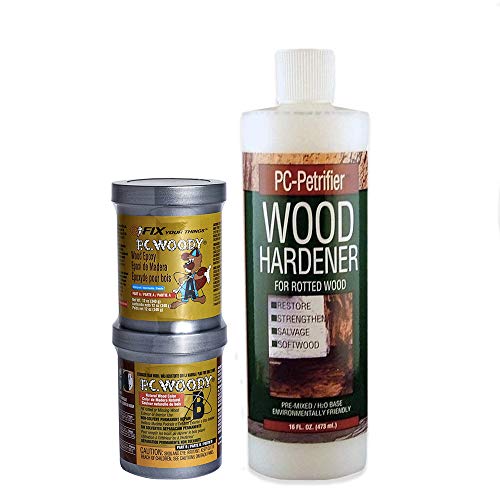
PC-Woody Wood Repair Epoxy Paste, 6oz Before your next refinish, fill any gouges or chips so sanding doesn’t just spread the damage around.
|
Compare more hardwood floor care options
 Option 1 Minwax Wipe-On Poly, Satin, 1 Pint
|
 Option 2 Gorilla Wood Glue, 8oz
|
 Option 3 PC-Petrifier Wood Hardener, 16oz
|
As an Amazon Associate we earn from qualifying purchases.
| Cost Factor | Range |
|---|---|
| Material only | $5 – $16 per sq ft |
| Installed (materials + labor) | $11 – $25 per sq ft |
| Labor alone | $3 – $8 per sq ft |
| Realistic lifespan (with refinishing) | 50 – 100 years |
Final price depends on wood species, grade, finish, and your region — get quotes from at least two local suppliers rather than relying on a single listed price, since flooring pricing shifts often with lumber market conditions.
Why 3/4-Inch Thickness Actually Matters
Every time a hardwood floor is sanded and refinished, roughly 1/16″ of wood is removed from the surface. A full 3/4″ solid plank has enough wear-layer depth above the tongue-and-groove joint to survive 4–6 full refinishing cycles over its lifetime. Thinner engineered flooring — even “premium” versions — typically has only a 1/16″ to 3/16″ hardwood veneer on top of a plywood core, which limits it to one light refinish or none at all before you hit the core layer.
That’s the practical trade-off: 3/4″ solid costs more upfront and requires a compatible subfloor (it needs a stable base like concrete or plywood, not a floating installation), but it can be refinished back to like-new condition repeatedly instead of being replaced when it wears out.
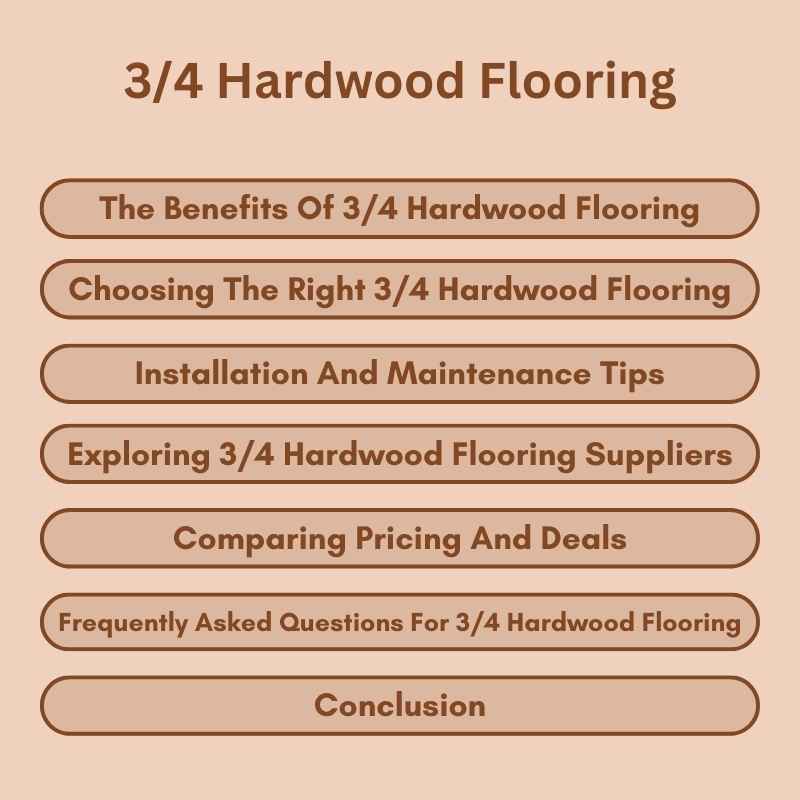
The Benefits Of 3/4 Hardwood Flooring
Durability And Longevity
3/4″ hardwood flooring withstands heavy foot traffic and resists scratches, dents, and wear well enough for living rooms, hallways, and kitchens. Combined with its refinishing capacity, a well-maintained floor can realistically last 50-100 years.
Enhanced Aesthetics
3/4″ hardwood is available in a wide range of species and finishes — oak, maple, cherry, walnut — letting you match almost any interior style while keeping the option to refinish and change the look later without replacing the floor.
Choosing The Right 3/4 Hardwood Flooring
When selecting 3/4″ hardwood flooring, consider wood species, finish, texture, and thickness together — they all affect the final look and durability.
Wood Species Options
- Oak — the most common choice, hard and stable
- Maple — pale, dense, resists dents well
- Cherry — darkens naturally with age and light exposure
- Walnut — softer than oak/maple, rich color, shows dents more easily
Finish And Texture Selection
Smooth, hand-scraped, or wire-brushed textures each affect maintenance: smooth finishes show scratches more visibly, while textured finishes hide daily wear better but collect more dust in the grooves. Sheen options (satin, semi-gloss, matte) are a style choice more than a durability one.
Thickness Considerations
3/4″ is the standard for solid hardwood over a stable subfloor and gives you the full refinishing life described above. If your subfloor situation calls for something thinner (some plywood/joist setups use 1/2″), you’re trading some of that long-term refinishing capacity for installation flexibility.
Installation And Maintenance Tips
Install 3/4″ hardwood over a stable subfloor (concrete slab or sufficiently rigid plywood), and remove any existing flooring under 1/4″ thick first rather than installing over it. A 2-inch cleat nail or staple is the standard fastener for solid 3/4″ hardwood.
Where To Buy It
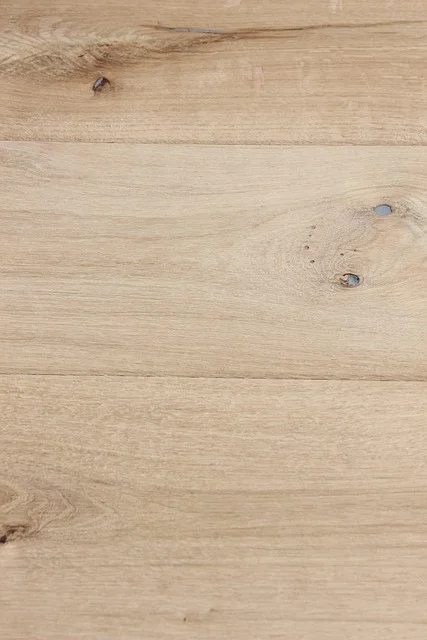
Big-box retailers (The Home Depot, Lowe’s) and dedicated flooring suppliers (LL Flooring, Floor & Decor, local hardwood specialists) all carry 3/4″ solid hardwood. Get an in-person quote and see an actual sample board rather than buying sight-unseen — grain and color vary noticeably between suppliers even within the same species, and clearance/discontinued-lot pricing can swing well below the $5-16/sq ft range above if you’re flexible on exact species match.
Frequently Asked Questions For 3/4 Hardwood Flooring
Do You Need Underlayment For 3/4 Hardwood?
Yes — underlayment provides support, reduces noise, and adds a moisture barrier between the subfloor and the hardwood.
What Is The Best Thickness For Hardwood Floors?
3/4 inch is standard for solid hardwood over concrete slabs or stable plywood subfloors, and it’s what gives you 4-6 full refinishing cycles over the floor’s life. 1/2 inch is used in some plywood/joist setups where subfloor height is constrained.
What Is The Best Fastener For 3/4 Hardwood Flooring?
A 2-inch cleat nail or staple, driven through the tongue at an angle, is the standard fastener for 3/4-inch solid hardwood.
How Many Times Can You Refinish 3/4-Inch Hardwood Flooring?
Typically 4-6 times over the life of the floor. Each sanding removes roughly 1/16 inch of wood, and full 3/4-inch planks have enough thickness above the tongue-and-groove joint to survive several cycles before the floor needs replacing.
Conclusion
3/4-inch solid hardwood costs more upfront ($11-25/sq ft installed vs. cheaper engineered options) but earns that cost back in refinishing capacity — 4-6 cycles versus one or none. For a floor you plan to keep for decades, that’s the number that should drive the decision, not just the sticker price per square foot.
Sponsored / affiliate links. As an Amazon Associate I earn from qualifying purchases. I may earn additional commission from eligible campaigns.