Are Cherry Blossom Flowers Edible Safety Facts
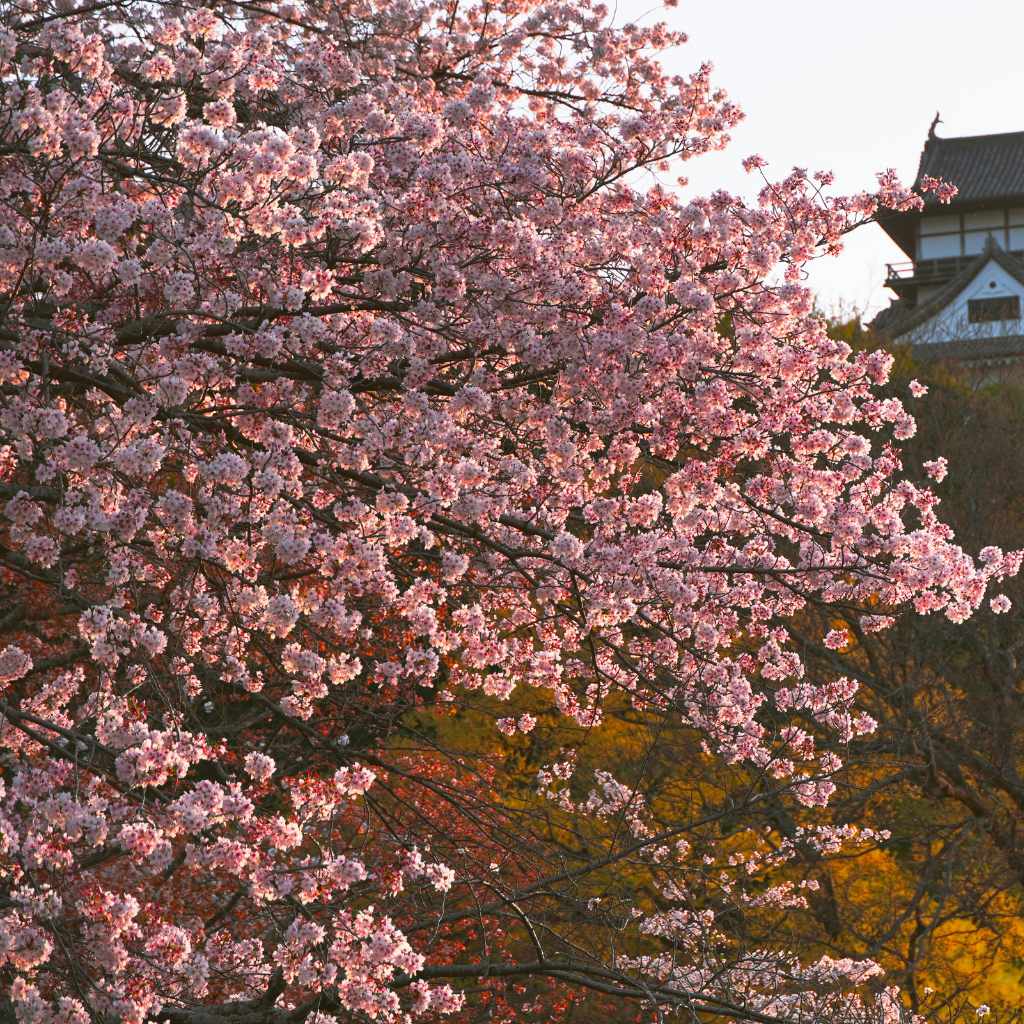
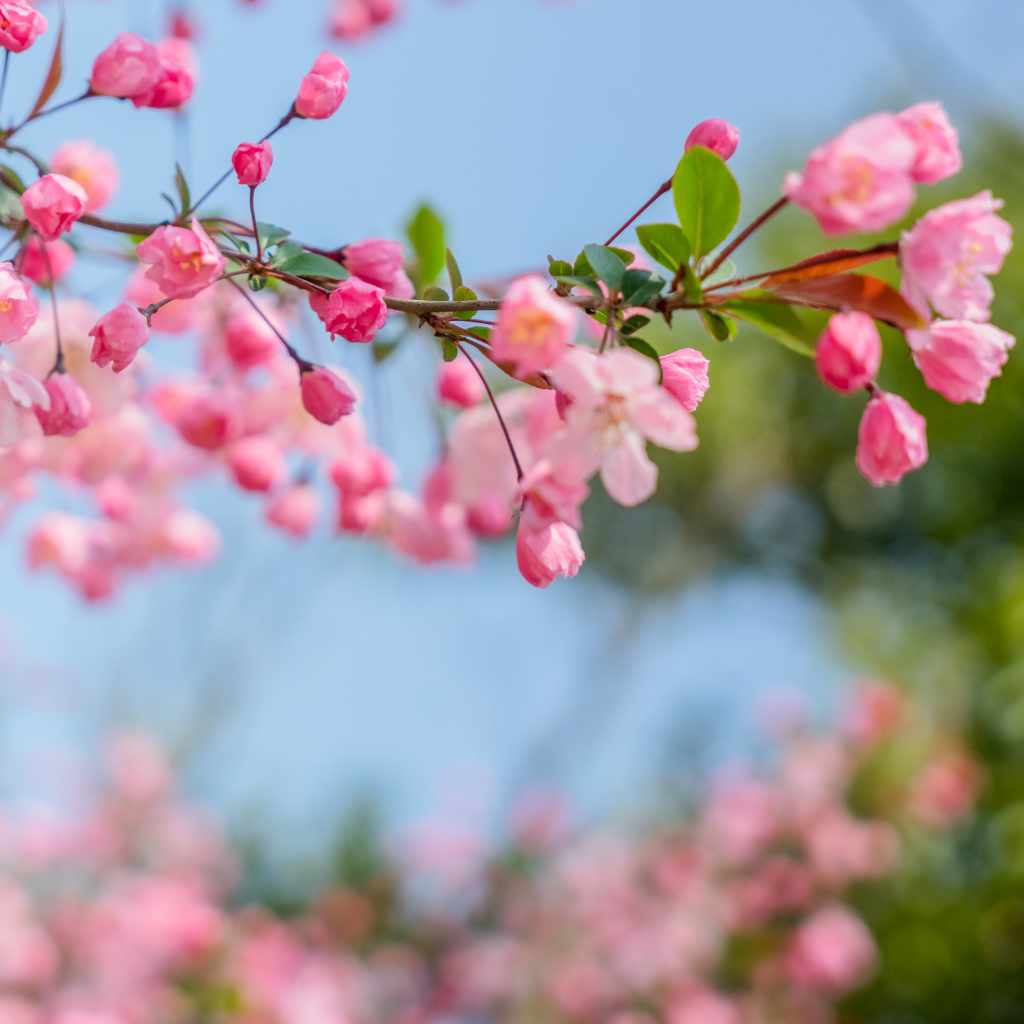
You’re strolling through a park, the air filled with a delicate, sweet scent. Cherry blossoms are in full bloom, a breathtaking spectacle of pink and white. Your mind wanders, and a whimsical thought pops up: could you eat these beautiful flowers?
It’s a question many have pondered, especially when these fleeting beauties grace our surroundings. In this post, we’ll explore the facts about whether are cherry blossom flowers edible? safety facts are real or just a myth, so you can appreciate them with a little more knowledge.
Exploring the Edibility of Cherry Blossoms
The sight of cherry blossoms is a powerful symbol of spring and renewal. Their delicate appearance and sweet fragrance often lead people to wonder if they can be enjoyed as food. The short answer is yes, but with important considerations regarding preparation and type.
Not all cherry blossoms are the same, and how they are processed greatly impacts their safety and flavor. This exploration will cover the historical use of these blossoms and the current practices involved in making them edible.
Understanding Different Cherry Varieties
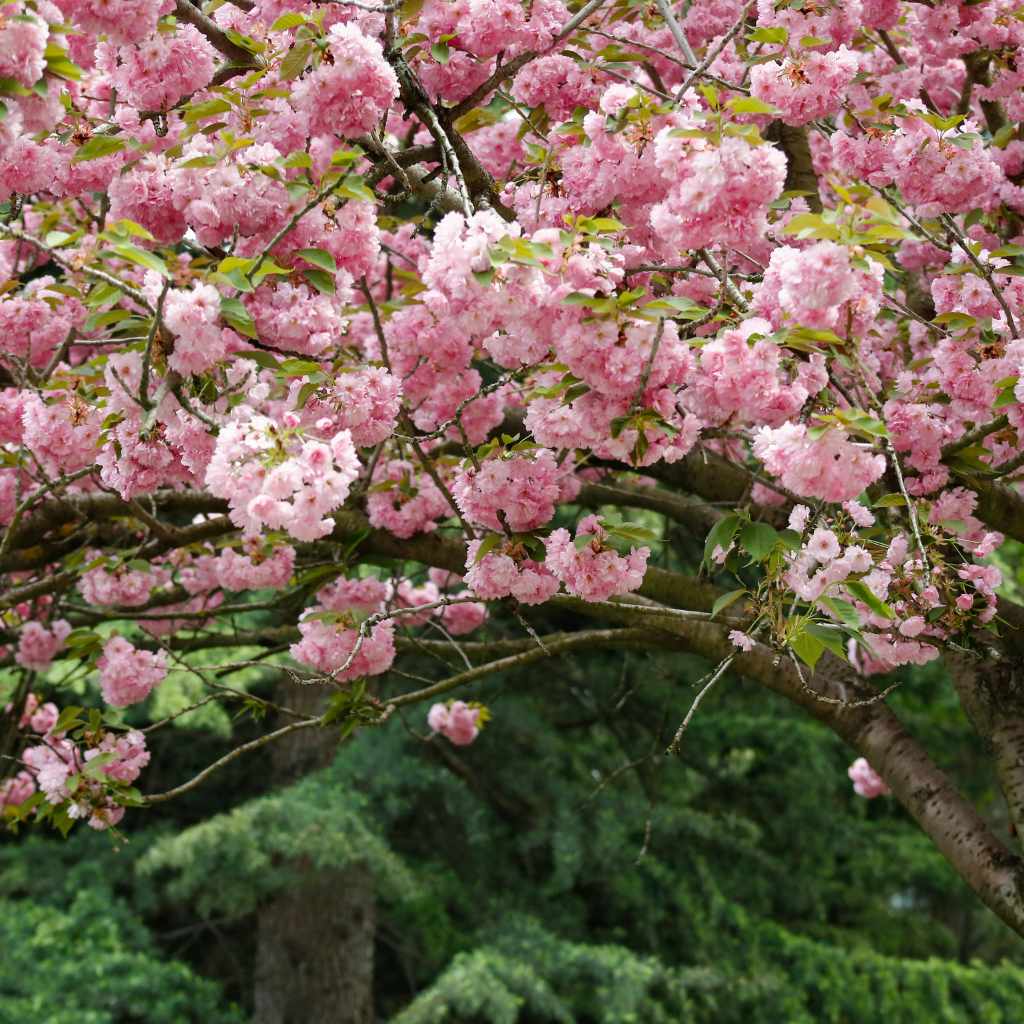
When discussing the edibility of cherry blossoms, it’s important to differentiate between ornamental cherry trees and fruit-bearing cherry trees. Ornamental varieties, while beautiful, are primarily grown for their aesthetic appeal and may not be suitable for consumption due to treatments or their specific plant compounds. Fruit-bearing cherry trees, on the other hand, produce blossoms that are more commonly considered edible and have a history of culinary use.
The focus for edible blossoms typically falls on the latter, ensuring that what you consider eating comes from a tree grown for that purpose.
Historical Culinary Uses of Cherry Blossoms
For centuries, various cultures have incorporated cherry blossoms into their diets and culinary traditions. In Japan, for instance, the practice of preserving cherry blossoms in salt, known as ‘sakura-zuke’, has been a long-standing custom. These preserved blossoms are then used to infuse a distinctive floral aroma and flavor into sweets like mochi, cakes, and teas.
This traditional method highlights a careful approach to making the blossoms safe and palatable for consumption, involving specific preparation techniques to remove any potential bitterness or undesirable compounds.
The Process of Making Cherry Blossoms Edible
Turning cherry blossoms into an edible delicacy involves a careful and often time-consuming process. One of the most common methods is salting. The flowers are typically harvested when they are young and fresh, then rinsed thoroughly.
They are then layered with salt, which acts as a preservative and helps to draw out moisture. After a period of brining, they are often rinsed again to remove excess salt and then dried. This preservation method not only makes the blossoms last longer but also changes their texture and flavor profile, making them suitable for various culinary applications.
Another approach involves pickling, where blossoms are preserved in vinegar or a sweet syrup. This can yield a more delicate flavor, suitable for garnishes or as an ingredient in certain desserts. The key is always proper cleaning and processing to ensure safety.
It’s crucial to remember that un F*processed cherry blossoms, especially those from ornamental trees, should not be consumed directly.
Flavor Profile of Edible Cherry Blossoms
When properly prepared, edible cherry blossoms offer a unique and subtle flavor. They are often described as having a delicate floral, slightly sweet, and sometimes almond-like taste. The salting process, while initial, can result in a nuanced flavor that complements sweet dishes without being overpowering.
The aroma is equally enchanting, contributing to the overall sensory experience of enjoying foods prepared with them. It’s a flavor that evokes the essence of spring and the beauty of the blossoms themselves.
Safety Considerations and Potential Risks
The primary concern when considering eating cherry blossoms revolves around safety. Not all cherry trees are created equal, and some ornamental varieties can contain cyanogenic glycosides, compounds that can release cyanide when metabolized. While the concentration in blossoms is typically low, it’s a risk worth acknowledging, especially if the origin of the blossoms is uncertain.
It is vital to ensure that any blossoms intended for consumption are from a known, edible variety and have been properly harvested and prepared. Avoid blossoms that have been sprayed with pesticides or other chemicals.
Furthermore, allergies can be a factor. As with any new food item, it’s wise to consume a small amount first to check for any adverse reactions. The correct identification of the cherry tree is paramount; if there’s any doubt, it’s best to err on the side of caution and refrain from eating the blossoms.
The practice of consuming cherry blossoms is a tradition that relies on knowledge passed down through generations, emphasizing safe harvesting and preparation methods.
How to Identify Edible Cherry Blossoms
Identifying whether cherry blossoms are edible requires a bit of horticultural knowledge. The most reliable source for edible blossoms are those from fruit-bearing cherry trees, such as the common sweet cherry (Prunus avium) or sour cherry (Prunus cerasus). These trees are cultivated for their fruit, and their blossoms are generally safe for consumption when prepared correctly.
Ornamental cherry trees, often planted for their spectacular displays, are less predictable in terms of edibility and may pose a higher risk. If you are unsure about the specific variety of cherry tree, it is safest to assume its blossoms are not for eating. Consulting with a local horticultural expert or checking reliable botanical resources can help in identification.
Recipes and Ways to Use Edible Cherry Blossoms
Once you have confirmed that your cherry blossoms are from an edible variety and have been safely prepared, the culinary possibilities are delightful. The most common use is in sweet treats. Salt-preserved cherry blossoms can be rinsed and then incorporated into doughs for cookies, cakes, and pastries, imparting a subtle floral essence.
They can also be steeped in hot water to create a fragrant cherry blossom tea, often enjoyed during spring festivals. Another popular application is in making jellies, jams, or as a delicate garnish for desserts and cocktails.
For those interested in a more traditional Japanese approach, creating ‘sakura’ flavored sweets is a wonderful way to experience these blossoms. This can include sakura mochi, a pink rice cake filled with red bean paste and wrapped in a salted cherry leaf, or sakura macarons. The key is to use the blossoms sparingly, allowing their delicate flavor to enhance rather than dominate a dish.
Experimentation is encouraged, but always start with small quantities and ensure the blossoms are a safe, edible variety.
The Difference Between Cherry Blossoms and Cherry Leaves
While cherry blossoms are sometimes consumed, it’s important to distinguish them from cherry leaves, which also have culinary uses but in a different context. Cherry leaves, particularly from certain varieties, are often used for their aroma and flavor in Japanese cuisine, most famously in wrapping ‘sakura mochi’. These leaves are typically steamed or simmered to soften them and release their subtle fragrance.
Unlike blossoms, which are eaten for their delicate floral notes, cherry leaves contribute a distinct, pleasant aroma to steamed rice cakes and other dishes. Both parts of the cherry tree offer unique culinary possibilities, but their preparation and flavor profiles are distinct.
Frequently Asked Questions
Question: Can I eat cherry blossoms directly from any tree
Answer: No, it is not safe to eat cherry blossoms directly from any tree. Only blossoms from fruit-bearing cherry trees that have been properly identified and prepared should be considered for consumption. Ornamental cherry trees may contain compounds that are not suitable for eating.
Question: How are cherry blossoms preserved for eating
Answer: Cherry blossoms are commonly preserved by salting or pickling. Salting involves layering blossoms with salt to draw out moisture and act as a preservative. Pickling may involve using vinegar or sweet syrups.
Both methods require thorough rinsing before consumption.
Question: What do edible cherry blossoms taste like
Answer: Edible cherry blossoms, when prepared correctly, have a delicate floral flavor that is subtly sweet and sometimes has an almond-like hint. Their aroma is also a significant part of their appeal.
Question: Are there any side effects of eating cherry blossoms
Answer: If consumed in excess or if they are not from an edible variety, there is a potential risk of side effects due to compounds like cyanogenic glycosides. Allergic reactions are also possible, so it is advisable to try a small amount first.
Question: Where can I find edible cherry blossoms
Answer: It is best to source edible cherry blossoms from reputable suppliers who specialize in culinary flowers or from your own fruit-bearing cherry trees if you can confidently identify them. Foraging from unknown trees is not recommended.
Final Thoughts
The question of whether cherry blossom flowers are edible safety facts often sparks curiosity, and the answer is a delightful yes, with the right knowledge. For centuries, cultures have celebrated these fleeting blooms not just for their beauty but also for their unique flavor when prepared correctly. The key lies in distinguishing between ornamental and fruit-bearing varieties and understanding the traditional methods of preservation, like salting.
This process transforms the delicate petals into a culinary ingredient that can add a subtle floral aroma and taste to a variety of dishes, from sweets to teas. It’s important to always be certain of the origin of your blossoms, ensuring they haven’t been treated with pesticides and come from a safe, edible source. Approaching this with care and respect for the plant allows you to safely enjoy a taste of spring’s ephemeral beauty.
Consider experimenting with small batches of preserved blossoms in your baking or as a unique garnish to elevate your culinary creations, bringing a touch of seasonal magic to your table.