How Much Does Ash Wood Cost in 2026?
Ash wood costs $4 to $8 per board foot for standard lumber in 2026, with wide, clear, or kiln-dried stock running higher, unless you are buying salvage-cut logs from beetle-killed trees, which sell far cheaper. Emerald ash borer has killed hundreds of millions of mature ash trees, so quality supply keeps shrinking even as salvage wood floods some regional markets. This guide covers current prices by wood form, what drives them, and where to buy.
Quick Answer
Ash wood runs $4-$8 per board foot for standard 4/4 lumber, $6-$15 or more for wide or premium boards, $18-$50 for live-edge slabs, and $275-$450 per cord as firewood in 2026. Emerald ash borer has cut deep into mature, wide-diameter trees, so expect a premium on anything beyond narrow, standard-grade stock.
What Is Ash Wood?
Best Wood Moisture Meter Pick
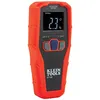
Klein Tools ET140 Pinless Moisture Meter – $49.44
Checks a board’s moisture reading with no pins, so you can test kiln-dried ash at the lumberyard counter before paying premium per-board-foot pricing on it.
- Best for: Verifying kiln-dried claims before you buy
- Why we picked it: Non-destructive reading leaves no marks on show-face boards
- Main drawback: Costs more than pin-type meters
Compare more moisture meter options
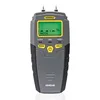 Option 1 General Tools MMD4E – $37.70
|
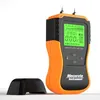 Option 2 Mecurate Pin-Type Meter – $25.18
|
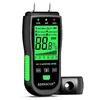 Option 3 RDINSCOS Firewood Meter – $18.89
|
As an Amazon Associate we earn from qualifying purchases.
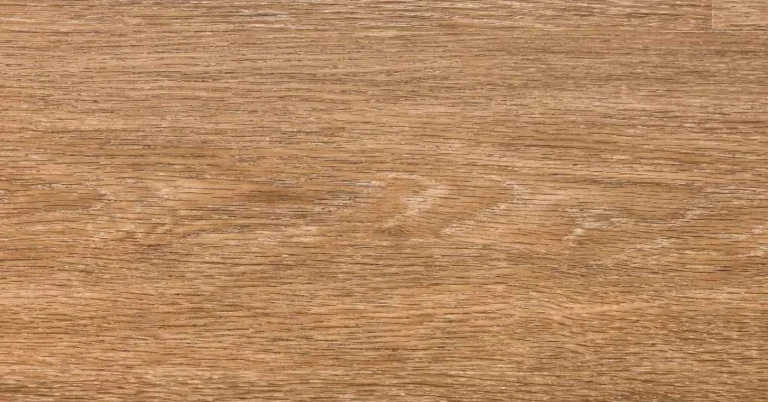
Ash wood is a pale, straight-grained North American hardwood cut from White ash and Green ash trees. It machines cleanly, bends well when steamed, and was long one of the most affordable domestic hardwoods, though emerald ash borer has started to change that. It is commonly used for ceilings, furniture, flooring, tool handles, and baseball bats.
Ash Wood Cost by Type: 2026 Pricing Table
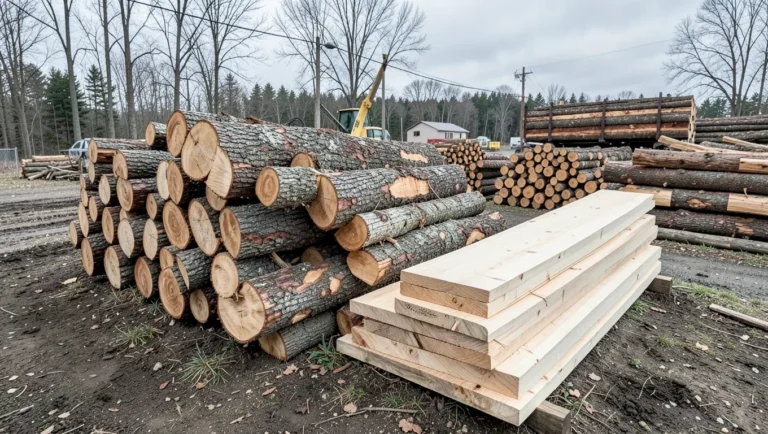
Ash wood is sold in several forms, and price per board foot swings hard depending on which one you need. Here is what each form actually costs right now.
| Ash Wood Form | Typical 2026 Price | Best For |
|---|---|---|
| Firewood (per cord) | $275-$450 | Heating, outdoor fire pits |
| Rough sawlogs (per MBF, delivered) | $140-$920 by grade | Mills, small sawyers |
| Kiln-dried 4/4 lumber (per board foot) | $3.75-$7.25 | Furniture, cabinetry, general woodworking |
| Live-edge slabs (per board foot) | $3-$10, up to $80+ per large slab | Tables, statement pieces |
| Prefinished flooring (per sq ft) | $5.85-$18.60 | Floors, stair treads |
Lumber pricing also drops sharply with volume: one supplier charges $7.25/board foot for orders under 250 board feet of 4/4 ash, but only $3.75/board foot once you buy 1,000 board feet or more, so a small hobbyist order and a shop-scale order of the exact same grade can differ by nearly double per foot.
Why Is Ash Wood Cost Rising? The Emerald Ash Borer Factor
Emerald ash borer (EAB) is an invasive beetle first found near Detroit, Michigan in 2002, and it is the single biggest reason ash wood cost has moved the way it has since. In the short term, mills salvage-logging dead and dying trees flooded some regional markets with cheap ash, which is why you can still find low-grade salvage lumber and pallet-grade logs at a discount. Long term, the story flips: mature, wide-diameter, healthy trees are getting harder to find every year, so wide, clear boards and large slabs now carry a real scarcity premium that did not exist a decade ago.
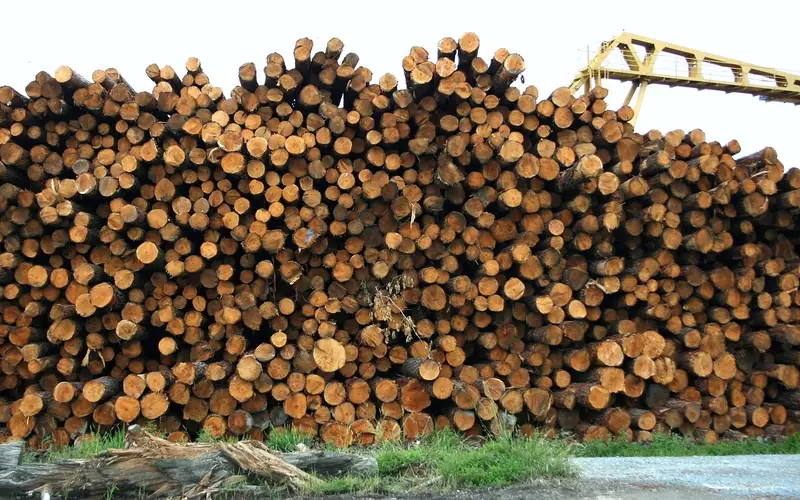
📊 More than 8 billion ash trees across North America are at risk from emerald ash borer, and in the areas the beetle has occupied longest, over 99% of infested trees die. – Source: Cary Institute of Ecosystem Studies, 2026
Mills that once treated wide, clear ash boards as routine, everyday stock now list them at a premium, because emerald ash borer has cut so deep into the mature, healthy trees that supply them – a shift documented across nearly every region the beetle has reached since it was first found near Detroit in 2002.
EAB is now present in 35 US states and five Canadian provinces, with its range still spreading west, so this is not a regional blip that will correct itself — expect ash wood cost to keep drifting upward for anything beyond salvage-grade stock. If you want the full breakdown of how availability itself has changed, see our ash wood availability guide.
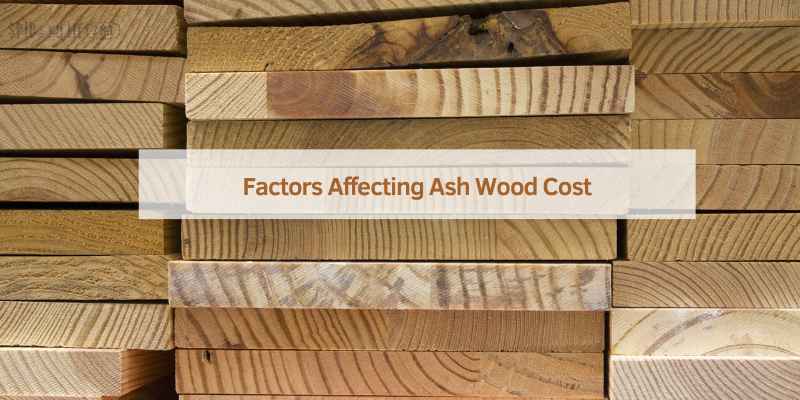
Factors That Affect Ash Wood Price
Beyond the EAB-driven scarcity premium above, four everyday factors move the price of any individual board or order.
- Grade and quality: Clear, knot-free ash costs more than lower grades with imperfections.
- Size and width: Wider, longer boards cost more per foot — and are exactly the sizes EAB is making scarce.
- Location and shipping: Buying local ash wood is usually cheaper than having it shipped in from another region.
- Volume purchased: Buying 1,000+ board feet at once can cost roughly half per foot versus buying under 250 board feet.
Is Ash Wood Cheaper Than Oak?
Yes, in most forms. Ash flooring typically runs $5 to $8 per square foot, compared to $3 to $7 for red oak and $5 to $10 for white oak, and ash lumber usually undercuts oak per board foot for equivalent grades. The gap is narrowing in some markets as EAB scarcity pushes ash prices up while oak supply stays stable. See our full ash vs. oak comparison for strength, workability, and finish differences beyond price. For a wider view across oak, maple, walnut, and other species, see our is ash wood expensive comparison.
Where to Buy Ash Wood (and What Grade Fits Your Project)
What you are building should decide what grade you pay for — not the other way around. Furniture and cabinets benefit from clear, higher-grade boards where the price premium shows up in the finished piece. Flooring needs consistent, wear-resistant stock. Tool handles and baseball bats prioritize straight grain and shock resistance over cosmetic perfection, so a lower grade often performs identically for a fraction of the cost.
Local lumberyards, online specialty suppliers, and ash wood lumber yards near you all carry ash, though stock and pricing now vary more by region than they did before EAB spread. If you are on the selling side instead of buying, our guide on how to sell ash wood covers what buyers will pay for logs and standing timber.
Frequently Asked Questions
How much does ash wood cost per board foot?
Standard kiln-dried 4/4 ash lumber costs $3.75 to $7.25 per board foot in 2026, with the lower end reserved for orders of 1,000+ board feet and the higher end for small retail-quantity purchases. Wide or premium clear stock can run $10 to $15 or more per board foot. For a full per-board-foot breakdown by thickness, see our ash cost per board foot guide.
Why is ash wood becoming more expensive?
Emerald ash borer has killed hundreds of millions of ash trees across North America since 2002, with over 99% mortality in long-infested areas. Mature, wide-diameter, healthy trees are increasingly hard to source, so while salvage-grade wood from dead trees stays cheap, clear and wide-grade ash now carries a genuine scarcity premium that keeps growing.
Is ash wood cheaper than oak?
Yes, generally. Ash typically costs less than oak per board foot and per square foot of flooring, though the price gap has narrowed as emerald ash borer scarcity pushes ash prices upward in many regions while oak supply remains comparatively stable.
Is ash wood affordable for furniture?
Yes. Standard-grade ash remains one of the more budget-friendly hardwoods for furniture, and it machines and finishes well. Expect to pay more for wide, clear boards on show-face pieces, since those are the sizes emerald ash borer has made scarcest.
How much does a cord of ash firewood cost?
A cord of ash firewood typically costs $275 to $450 in 2026, with premium seasoned ash reaching the higher end where local supply has been hit hardest by emerald ash borer. See our cord of ash wood cost guide for a full regional breakdown.
Where can I buy ash wood?
Local lumberyards, online specialty hardwood suppliers, and sawmills near you typically sell ash wood. Buying local generally costs less than paying to have wood shipped in, and checking a few sources lets you compare grade and moisture content before committing to a purchase.
Conclusion
Ash wood cost in 2026 depends far more on which form and grade you need than on ash being expensive across the board — salvage-grade stock stays cheap while wide, clear, EAB-scarce lumber commands a real premium. Check moisture and grade before you pay top prices, and compare the full ash lumber price breakdown if you need more than a general estimate.
Sponsored / affiliate links. As an Amazon Associate I earn from qualifying purchases. I may earn additional commission from eligible campaigns.