Ash Wood vs Oak: Essential Comparison
Ash wood vs Oak: Which is better for your woodworking project? For beginners, Ash is often a more forgiving and budget-friendly choice, offering a bright, clean look and good workability. Oak, while incredibly durable and classic, can be harder to work with and pricier. Your choice depends on your project’s needs and your comfort level.
Choosing the right wood is a big decision for any woodworking project, especially when you’re just starting out. Two of the most popular hardwoods available to us are ash and oak. They look similar at first glance, but they have some key differences that can really impact your project, from how easy it is to cut and shape to how it looks and lasts. It’s a common puzzle for new woodworkers: which one is the better fit for my bench, my table, or that special gift I want to make? Don’t worry, I’m here to help you sort it all out. We’ll break down ash wood vs oak in a way that’s easy to understand, so you can pick the perfect wood with confidence. Let’s dive in and see what makes each of these fantastic woods special!
Ash Wood vs Oak: A Beginner’s Guide
As a woodworker, I know the excitement of a new project and the desire to get it just right. When you’re standing in the lumberyard, faced with stacks of beautiful wood, it can feel a little overwhelming. Ash and oak are often the go-to choices for many projects, and for good reason. They’re both hardwoods, meaning they’re generally strong and durable, making them suitable for furniture and other functional items. But understanding the subtle (and sometimes not-so-subtle) differences between them will save you a lot of frustration and ensure your finished piece turns out exactly as you envisioned. Picking the right wood is like picking the right foundation for a house – it needs to be sturdy and suit the purpose. So, let’s explore the world of ash wood vs oak, keeping things simple and practical for the beginner woodworker.
What is Ash Wood?
Ash is a fantastic hardwood that’s known for its beautiful grain patterns and its strength. Think of baseball bats or sturdy tool handles; ash is often the wood of choice for items that need to withstand impact. It has a distinctive look, often with straight, prominent grain lines that can range from creamy white to light brown. What many beginners love about ash is how easy it is to work with. It cuts cleanly, sands smoothly, and takes finishes beautifully. It’s also generally more affordable than some other hardwoods, which is a big plus when you’re equipping your workshop or just getting started with ambitious projects.
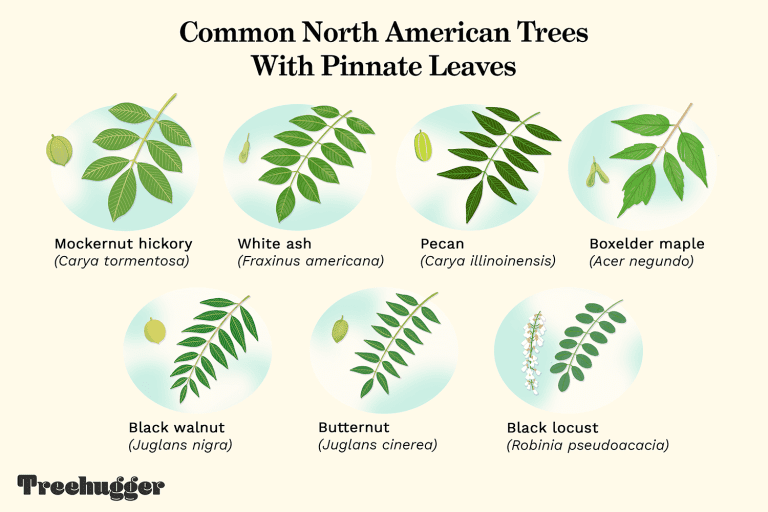
There are several species of ash, with White Ash (Fraxinus americana) being the most common in North America for lumber. It’s prized for its excellent strength-to-weight ratio and its durability. Green Ash and Blue Ash are also available, though less frequently used for woodworking lumber.
What is Oak Wood?
Oak is a king among hardwoods, renowned for its incredible strength, hardness, and distinctive, open grain. It’s the wood you often see in classic furniture, sturdy flooring, and even wine barrels (though specialized oaks are used for that). Oak has a rich, warm color palette, ranging from light tan to reddish-brown. Its prominent, often wavy, grain can give projects a very traditional and robust look. When we talk about oak, we’re often referring to two main types: Red Oak and White Oak. White Oak is typically harder and more resistant to rot and insects, making it excellent for outdoor furniture and marine applications thanks to its high tannin content. Red Oak is a bit softer but still very strong and more common for indoor furniture.
The durability of oak is legendary. It’s a wood that’s built to last for generations. However, this very hardness and density can make it a bit more challenging for a beginner to work with compared to ash. Tools need to be sharp, and you might find yourself working a bit harder to get those clean cuts and smooth finishes. You can learn more about the fascinating history and uses of oak from resources like The Wood Database.
Ash Wood vs Oak: Key Differences Explained
When you’re deciding between these two popular hardwoods, thinking about a few key factors will make your choice much clearer. It’s not just about looks; it’s about how the wood behaves, how it holds up, and how it fits your budget and skill level.
Appearance and Grain Pattern
This is often where the visual preference comes in. Ash typically has a straighter, more uniform grain pattern. It’s often described as having a bright, clean, and slightly more modern look. The pores are generally smaller and more evenly distributed, giving it a smoother appearance. The color is usually a lighter tan or creamy white, though it can sometimes have grayish or even slightly yellowish tones. It takes stains very well, allowing for a lot of versatility in achieving different looks.
Oak, on the other hand, is known for its bold, pronounced, and often wavy grain. It has a more rustic or traditional aesthetic. The pores in oak are much larger and more open, which gives it a coarser texture and a distinct look. White Oak tends to have a more golden or light brown hue, while Red Oak often has a pinkish or reddish tint. The prominent grain of oak is its signature and is highly sought after for traditional furniture styles. Its larger pores can sometimes be an issue if you’re aiming for a perfectly smooth, glossy finish without proper filling.
Strength and Durability
Both ash and oak are strong hardwoods, but they have slightly different strengths. Ash is known for its excellent shock resistance and elasticity. This is why it’s used for things like tool handles, sports equipment, and even musical instruments. It’s tough and can withstand a good amount of bending and impact without breaking. Think of it as having a bit of flex, like a well-made bow.
Oak is renowned for its sheer hardness and density. It’s incredibly resistant to wear and tear, making it a top pick for flooring, sturdy tabletops, and heavy-use furniture. White Oak, in particular, is very resistant to decay and moisture, which is why it’s often used for outdoor projects or items that might come into contact with water. It’s harder to dent or scratch oak than ash. If you’re building something that needs to withstand heavy abuse day in and day out, oak often has the edge in pure resistance. For general furniture and projects, both are very durable.
Workability and Machining
This is a crucial point for beginners. Ash is generally considered easier to work with than oak. Its straight grain and less dense structure mean it cuts, machines, and sands more readily. You’ll find that tools like saws, planes, and routers handle ash with less effort. It’s less prone to tear-out (where the wood splinters) when cutting against the grain, and it generally finishes to a very smooth surface. Gluing and screwing also tend to be straightforward with ash.
Oak, being denser and harder, requires a bit more effort. Sharp tools are absolutely essential when working with oak. Dull blades can lead to burn marks, splintering, and a lot more physical exertion. When routing or planing, you need to be mindful of the grain direction to avoid tear-out, especially with its more figured patterns. Drilling can also be a bit slower. While it’s manageable for beginners, you’ll notice the difference in effort required. Oak can also sometimes react with metal fastenings, leading to discoloration over time, especially Red Oak, due to its higher tannin content. For finishing, you might need to use a wood filler or pore filler if you want that super-smooth, glass-like finish that the open grain of oak can prevent. For more on woodworking tools and techniques, check out resources from Popular Mechanics for helpful guides.
Cost and Availability
In most markets, ash wood is typically more affordable than oak. This makes it a very attractive option for beginners who are building up their lumber stock or undertaking larger projects where material cost can add up quickly. Ash is widely available, so finding good quality lumber shouldn’t be too difficult.
Oak is also widely available, but it generally commands a higher price point due to its popularity, density, and perceived value. White Oak, especially, can be quite a bit more expensive than Red Oak, and both are usually pricier than ash. If budget is a major consideration for your project, ash often provides more bang for your buck. However, the price difference can vary depending on your local lumber supplier and current market conditions.
Ash Wood vs Oak: Project Suitability
So, when should you reach for ash, and when is oak the better choice? Let’s look at some common woodworking scenarios.
When to Choose Ash
Ash is a fantastic choice for:
- Beginner Projects: Its ease of working makes it less frustrating, leading to more successful first projects.
- Furniture with Movement or Impact: Think chairs, cabinets that get opened and closed frequently, or even items like rocking horses where some flex is beneficial.
- Modern or Scandinavian-Style Furniture: Its clean, bright appearance fits well with minimalist designs.
- Projects Requiring a Bright, Light Finish: If you love the natural light color of wood and want it to stay that way, ash is perfect.
- Budget-Conscious Projects: When you want the look and feel of a quality hardwood without breaking the bank.
- Tool Handles and Sporting Goods: For projects where shock absorption and a bit of flex are important.
When to Choose Oak
Oak shines in these applications:
- Heirloom Furniture: Its durability and classic look mean it will last for generations and always be in style.
- High-Wear Surfaces: Tabletops, desks, cutting boards (though harder to clean), and flooring are ideal for oak’s toughness.
- Traditional or Rustic Furniture Styles: The strong grain pattern is a hallmark of these designs.
- Outdoor Furniture: White Oak, especially, is excellent for benches, tables, and planters due to its rot and insect resistance.
- Projects Needing Maximum Strength and Stability: If the piece will be subjected to heavy loads or constant use.
- Projects Where a Distinctive Grain is Desired: The bold patterns of oak are a feature in themselves.
Ash Wood vs Oak: A Quick Comparison Table
To make it even easier to see the differences, here’s a table summarizing the key points of ash wood vs oak. Think of this as your handy reference sheet!
| Feature | Ash Wood | Oak Wood |
|---|---|---|
| Appearance | Straight, uniform grain; bright, clean look; creamy white to light brown. | Bold, prominent, often wavy grain; rustic/traditional look; light tan to reddish-brown. |
| Hardness | Hard, but less dense than oak. Good shock resistance. | Very hard and dense. Excellent wear resistance. |
| Workability | Easier to cut, sand, and machine; less prone to tear-out. | Requires sharp tools; can be harder to cut and shape; more prone to tear-out if not careful. |
| Durability | Very durable, good for impact and flex. | Extremely durable, excellent for heavy wear and longevity. White Oak is highly rot/moisture resistant. |
| Finishing | Takes stains and finishes very well, smooth surface easily achievable. | Open pores may require filling for ultra-smooth finish; can stain beautifully, highlighting grain. |
| Cost | Generally more affordable. | Generally more expensive. |
| Common Uses | Furniture, tool handles, sports equipment, utility items. | Flooring, furniture, cabinets, interior trim, outdoor furniture (White Oak). |
Tips for Working with Ash and Oak
Regardless of which wood you choose, a few tips will help you get the best results. Working with hardwoods is a bit different than softwoods, but very rewarding!
For Ash:
- Keep Blades Sharp: While easier to work than oak, sharp blades will still give you the cleanest cuts and smoothest surfaces.
- Sanding is Easy: Ash sands beautifully. Start with a medium grit (like 120) and work your way up to finer grits (220 or higher) for a silky-smooth finish.
- Finishing: Ash takes stain and paint exceptionally well. Clear coats will highlight its natural, bright appearance.
- Gluing: Ensure good clamping pressure as ash pieces should mate well for strong glue joints.
For Oak:
- Super Sharp Tools: I can’t stress this enough! Dull tools will fight you and give poor results. Invest in quality saw blades, router bits, and plane irons and keep them honed. Websites like Family Handyman offer great guides on tool maintenance.
- Control Dust: Oak dust can be quite irritating. Always use good dust collection systems and wear a respirator mask. Proper safety gear is paramount. Visit sites like the Occupational Safety and Health Administration (OSHA) for guidance on workplace safety.
- Pore Filling: If you want a perfectly smooth finish, especially for tabletops or high-gloss projects, you’ll likely want to fill the large pores. Water-based or oil-based wood fillers, or specific pore-filling products, can be applied before your topcoat.
- Grain Direction: Pay close attention to the grain when routing and planing to avoid tear-out. Taking shallow passes is often better than trying to remove too much material at once.
- Test Your Finish: Because of its porous nature, it’s a good idea to test your chosen finish on a scrap piece of oak to see how it looks and behaves.
Frequently Asked Questions (FAQ)
Q1: Is ash wood good for beginners?
Yes, ash is an excellent choice for beginners! It’s easier to cut, shape, and sand than many other hardwoods, making your first projects less frustrating and more rewarding. Its workability allows you to focus on learning techniques rather than fighting the wood.
Q2: Is oak harder to work with than ash?
Generally, yes. Oak is denser and harder than ash. This means it requires sharper tools and a bit more physical effort to work with. Beginners might find oak a little more challenging, but it’s definitely manageable with patience and good technique.
Q3: Which wood is more durable, ash or oak?
Both are very durable hardwoods. Oak is typically harder and more resistant to wear and tear, making it ideal for high-traffic areas like floors or tabletops. Ash is known for its excellent strength and shock resistance, making it great for items that need to withstand impact or have a bit of flex.
Q4: Which wood is more expensive, ash or oak?
Typically, ash wood is more affordable than oak. Oak, especially White Oak, is often priced higher due to its density, durability, and classic reputation. If you’re on a tight budget, ash can be a more budget-friendly hardwood option.
Q5: Can ash and oak be used interchangeably for furniture?
While they can sometimes be used interchangeably, their different characteristics mean one might be better suited for a specific piece. For example, ash is great for modern, lighter furniture, while oak’s strong grain is perfect for traditional or rustic pieces. For high-wear surfaces, oak is often preferred. For ease of construction, ash might be the winner.
Q6: How do ash and oak look when stained?
Both woods take stain well, but the results differ due to their grain patterns. Ash’s straighter grain takes stain evenly, offering a cleaner, more uniform color. Oak’s open and varied grain will absorb stain more deeply in some areas than others, accentuating its natural texture and boldness. This can result in a very dramatic, rustic look with oak.
Q7: Is White Oak or Red Oak better for outdoor projects?
White Oak is generally considered superior for outdoor projects. It contains higher levels of tannins, which make it naturally resistant to moisture, rot, and insect infestation. Red Oak is more porous and less resistant to decay, making it less ideal for applications that will be exposed to the elements.
Conclusion
So, we’ve navigated the essential differences between ash wood and oak. As you can see, neither wood is inherently “better” – they simply excel in different areas. Ash offers a beautiful, bright aesthetic, fantastic workability, and a more forgiving nature, making it a stellar choice for beginners and for projects where ease of construction and a clean look are paramount.