Bosch Table Saw vs SawStop: Which Is Actually Safer in 2026?
Bosch’s flesh-detection Reaxx table saw was discontinued in 2017 — not because SawStop’s lawsuit still blocks it, but because a 2018 settlement made a costly redesign the real obstacle, and Bosch skipped it. That leaves SawStop as the only major brand still selling flesh-detection saws, while Bosch’s current jobsite saws use a standard riving-knife guard instead. This guide covers what replaced the Reaxx, how the safety systems compare, and which saw fits your shop and budget.
Insert your Affiliate Disclosure reusable block here
Quick Answer
SawStop is the only major brand still selling flesh-detection table saws — Bosch discontinued the Reaxx in 2017 and, despite a 2018 settlement that legally cleared the way, never brought it back. If blade-contact safety is the priority, buy SawStop. If you just want a solid jobsite saw with a standard guard and don’t need flesh-detection, Bosch’s current GTS15-10 is the pick.
Bosch vs SawStop at a Glance
Best Flesh-Detection Pick
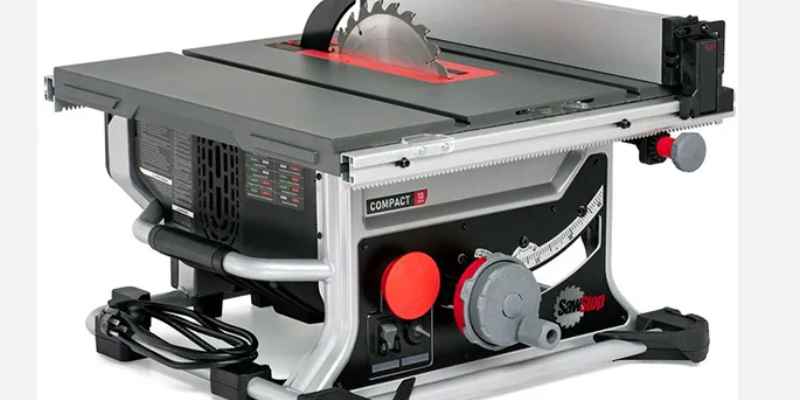
SawStop CTS-120A60 Compact Table Saw
The smallest saw in SawStop’s lineup, built for a home shop that still wants full flesh-detection safety.
- Best for: Home workshops with limited floor space
- Why we picked it: Same AIM safety system as SawStop’s bigger saws, in a bench-friendly footprint
- Main drawback: Smaller rip capacity than a full-size cabinet or jobsite saw
Compare more table saw options
 Option 1 Bosch GTS15-10 Jobsite Table Saw
|
 Option 2 SawStop Jobsite Saw PRO
|
 Option 3 POWERTEC Push Block Set
|
As an Amazon Associate we earn from qualifying purchases.
Neither brand currently sells a head-to-head match — Bosch has no flesh-detection saw on the market, so the real comparison is between Bosch’s standard-guard jobsite saw and SawStop’s flesh-detection lineup. Here’s how the closest current models stack up.
| Feature | Bosch GTS15-10 | SawStop Compact / Jobsite Pro | Best For |
|---|---|---|---|
| Blade-contact safety | Riving knife + anti-kickback pawls only | Flesh-detection stops blade in <5ms | SawStop, if this matters most |
| Rip capacity | 32-1/8 in. | 24–25.5 in. | Bosch, for wider sheet rips |
| Street price (2026) | ~$649–$715 | ~$974–$1,942 | Bosch, on a tighter budget |
| Cost after a blade-contact trip | N/A — no flesh-detection to trigger | ~$119 for a new brake cartridge, plus a blade | Factor this into total SawStop cost |
| Portability | Gravity-Rise wheeled stand | Mobile cart (Jobsite Pro) or bench-top (Compact) | Both, roughly a wash |
What Actually Happened to the Bosch Reaxx Table Saw?
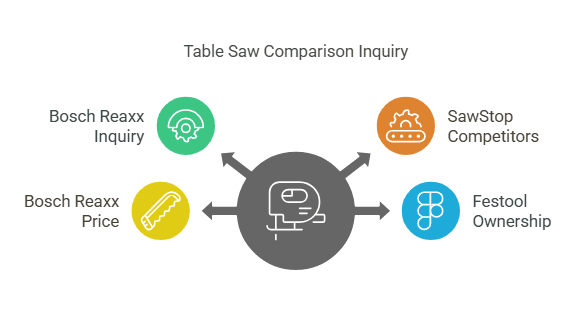
Bosch launched the Reaxx in 2015 with Active Injury Mitigation (AIM): sensors detected skin contact and fired a pneumatic cartridge that punched the spinning blade below the table in milliseconds, the same basic promise as SawStop’s table saw safety system, using a different mechanism. SawStop sued for patent infringement, and in 2017 an ITC ruling went in SawStop’s favor, so Bosch pulled the Reaxx from the US market.
Here’s the part most comparisons miss: that wasn’t the end of the story. Bosch and SawStop reached a licensing settlement in August 2018 that legally cleared Bosch to sell the Reaxx again. It never came back. Bosch has told trade press the real blocker is technical, not legal — the original AIM electronics needed operators to keep phones in airplane mode nearby, and stronger cellular signals since 2016 would trigger false activations. Bosch also has to meet a newer safety standard (UL 62841-3-1 replaced UL 987), so a relaunch means a redesign Bosch has estimated could take up to six years. As of 2026, that redesign hasn’t shipped.
Can Bosch Legally Sell the Reaxx Again?
Yes. SawStop’s own CEO has publicly confirmed Bosch has been free to sell the Reaxx in the US since the 2018 settlement. The patent dispute isn’t why it’s gone — a costly electronics and compliance redesign Bosch hasn’t committed resources to is the actual reason, which is a very different story than the “SawStop sued Bosch out of the market” version repeated on most forums.
Does Bosch Sell a Flesh-Detection Table Saw in 2026?
No. Bosch’s current jobsite saw, the GTS15-10, replaced the older 4100-09 and relies on a standard riving knife, a blade guard, and anti-kickback pawls — the same category of protection most jobsite saws use, not flesh-detection. Bosch’s cordless PROFACTOR line doesn’t include it either. If a flesh-detection table saw is a hard requirement, SawStop is currently the only mainstream option in the US, though Festool now licenses SawStop’s AIM system for one of its own European sliding table saws — not sold in the US market.
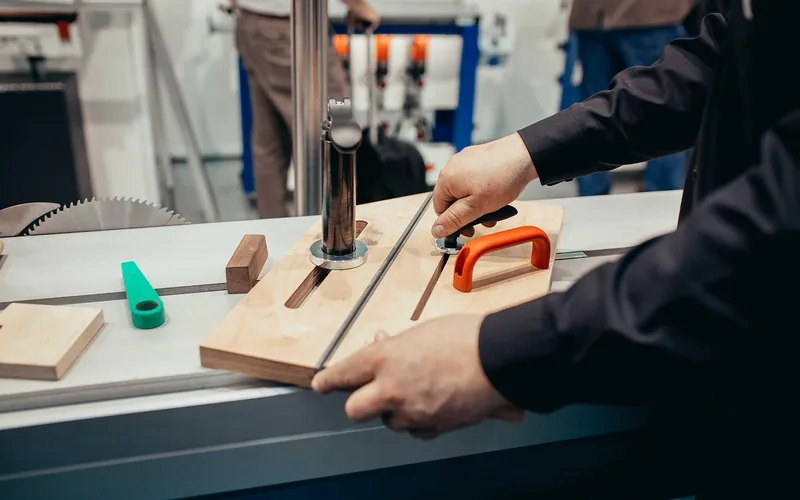
Table saws are conductive to a lot of injuries. Blade-contact table saw injuries sent an estimated 26,500 people to US emergency rooms in a single year, including roughly 2,800 amputations — that’s about 1 in 10 blade-contact injuries ending in a lost finger or hand part. It’s why the safety-tech gap between these two brands matters more than most spec differences on this page.
📊 26,500 emergency-room-treated table saw blade-contact injuries per year, including ~2,800 amputations. — Source: U.S. Consumer Product Safety Commission
SawStop vs Bosch: How the Safety Systems Actually Differ
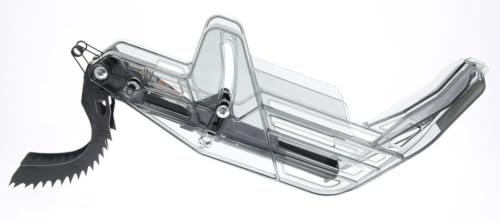
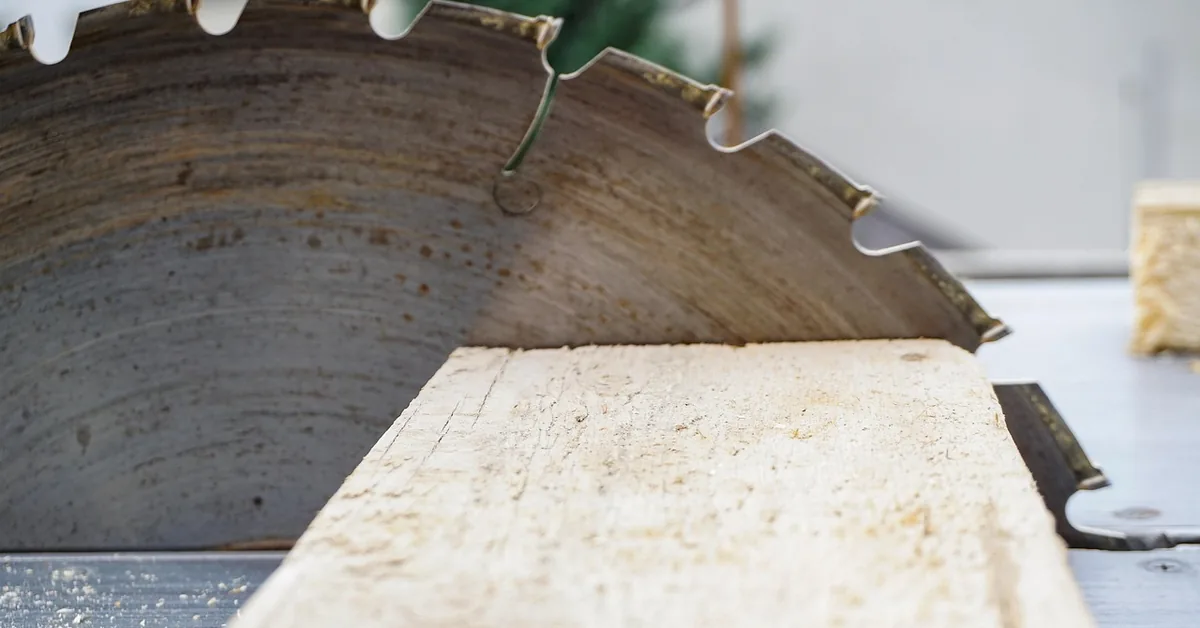
SawStop’s Active Injury Mitigation system reads a small electrical signal running through the spinning blade. Skin is conductive, so contact changes that signal, and an aluminum brake is driven into the blade’s teeth in under 5 milliseconds, usually leaving nothing worse than a small nick. Bosch’s current guard system, by contrast, is passive protection: a riving knife keeps the kerf open behind the blade to stop kickback, a polycarbonate guard blocks incidental contact from above, and anti-kickback pawls dig into the wood if it starts to shoot backward. None of that reacts to skin contact the way SawStop’s system does.
There’s a real cost trade-off, too. SawStop’s safety system isn’t free to use after it fires — a standard replacement brake cartridge runs about $119, and the blade underneath it is usually damaged enough to also need replacing. Bosch’s guard hardware, by comparison, doesn’t consume a $119 part every time it does its job; the trade-off is that it can’t stop the blade on skin contact at all, only reduce the odds of the blade reaching skin in the first place.
Worth knowing if you’re weighing this purely on regulation: the federal government isn’t going to force the issue. The Consumer Product Safety Commission spent years developing a rule that would have required flesh-detection-equivalent performance on all new consumer table saws, but withdrew the proposal in August 2025 under new agency leadership. Flesh-detection stays optional equipment, priced at a premium, indefinitely — not a baseline every saw will eventually have.
“A riving knife and a good blade guard prevent a lot of accidents on their own — but they only work if you keep your hands on the push stick and off the fence line. I’ve seen more table saw close calls from someone reaching over a running blade to clear an offcut than from any guard failure.”
Common Mistakes When Choosing Between These Two
- Assuming Bosch still sells a flesh-detection saw. It doesn’t, and hasn’t since 2017 — don’t shop for a “current Reaxx” model, because there isn’t one.
- Ignoring the cost of a SawStop activation. A $119 cartridge plus a new blade adds up if you’re accident-prone or training beginners on the saw — budget for at least one over the saw’s life.
- Buying rip capacity you don’t need. Bosch’s wider 32-1/8 in. rip capacity only matters if you’re regularly breaking down full sheet goods; for furniture-scale work, SawStop’s smaller footprint isn’t a real downgrade.
- Treating a passive guard as equivalent to flesh-detection. A riving knife and blade guard reduce risk; they don’t stop a blade on skin contact the way SawStop’s AIM system does. That’s a different risk category, not just a features gap.
Still narrowing down brands? Our DeWalt vs Milwaukee table saw comparison covers two more jobsite options without flesh-detection, and if you’ve already settled on SawStop, our SawStop Compact vs Jobsite Pro breakdown and 1.75 HP vs 3 HP SawStop guide go deeper on picking the right model. For the fundamentals of setup and safe use once you’ve chosen a saw, see our full table saw buying and comparison guide.
FAQ
Does Bosch Still Make the Reaxx Table Saw?
No. Bosch discontinued the Reaxx in 2017 after an ITC ruling favored SawStop in a patent dispute, and it has not been reintroduced in the years since, despite a 2018 settlement that legally allows Bosch to sell it again.
Why Was the Bosch Reaxx Discontinued If the Lawsuit Was Settled?
Because the 2018 settlement removed the legal barrier, not the technical one. Bosch has said the original AIM electronics need a redesign to handle stronger modern cellular signals and to meet the newer UL 62841-3-1 safety standard, a project Bosch has estimated could take up to six years and hasn’t shipped as of 2026.
Does Bosch Make Any Table Saw With Flesh-Detection in 2026?
No. Bosch’s current lineup, including the GTS15-10 jobsite saw and its cordless PROFACTOR table saw, uses standard riving-knife-and-guard protection only. SawStop remains the only major brand selling flesh-detection table saws in the US market.
How Much Does a SawStop Table Saw Cost?
SawStop’s smallest model, the Compact Table Saw, runs about $974. The portable Jobsite Saw PRO runs roughly $1,900–$1,942, and stationary contractor and cabinet saws start around $2,600 and climb from there. Budget an extra $119 or so per brake cartridge if the safety system ever activates.
Is SawStop Owned by Festool?
No. SawStop is an independently owned US company. Festool, a German power tool manufacturer, licenses SawStop’s AIM safety technology for one of its own sliding table saws sold in Europe, but the two companies are not affiliated ownership-wise.
Does the Government Require Flesh-Detection Table Saws?
No. The Consumer Product Safety Commission proposed a rule in 2023 that would have required AIM-equivalent technology on new consumer table saws, but withdrew it in August 2025. Flesh-detection remains an optional, premium feature rather than a mandated baseline.
The Verdict
This isn’t really a Bosch-vs-SawStop feature fight anymore — it’s a decision about whether flesh-detection safety is worth the premium, because Bosch doesn’t currently compete on that ground. If you want the widest possible safety margin around the blade, buy SawStop and budget for an eventual brake cartridge. If flesh-detection isn’t a dealbreaker and you want more rip capacity for less money, Bosch’s GTS15-10 is a well-built jobsite saw on its own merits — just go in knowing its guard system reduces risk rather than reacting to it.
Sponsored / affiliate links. As an Amazon Associate I earn from qualifying purchases. I may earn additional commission from eligible campaigns.