Budget Circular Saw Guide: 15-Amp Picks Under $100 (2026)
A budget circular saw with a 15-amp motor cuts through 2x4s and plywood as cleanly as saws twice the price — 13-amp models bog down on anything thicker than 3/4-inch stock. Buying underpowered to save $20 means fighting kickback and burnt cuts on every project. This guide compares real amp ratings, blade sizes, and four verified picks from $44 to $129, plus when corded beats cordless on a tight budget.
Quick Answer
The best overall budget circular saw is the SKIL 5280-01 ($69) — a 15-amp motor, laser guide, and dust blower for less than half the price of most name-brand saws. If $69 is still too much, the 13-amp SKIL 5080-01 ($44) handles light DIY work fine, but expect it to slow down on doubled-up plywood or damp lumber.
How Many Amps Does a Budget Circular Saw Actually Need?
Best Budget Circular Saw Pick
SKIL 5280-01 15 Amp 7-1/4″ Circular Saw
A 15-amp motor, single-beam laser guide, and dust blower for $69 — the best power-to-price ratio in this comparison.
- Best for: Regular DIY framing, plywood, and deck projects
- Why we picked it: Full 15-amp power and a laser guide for less than half the price of comparable brand-name saws
- Main drawback: No electric brake, and the laser is hard to see in bright daylight
Compare more budget circular saw options
 Cheapest Option Skil 5080-01 13-Amp Saw
|
 Award-Winning Step-Up Metabo HPT C7SB3
|
 Brand-Name Pick DEWALT DWE575
|
As an Amazon Associate we earn from qualifying purchases.
For a corded budget saw, 13 amps is the practical floor and 15 amps is the sweet spot. Amperage measures how much power the motor can draw under load — it’s the number that decides whether a saw keeps its speed up when it hits a knot, a nail, or a double layer of 3/4-inch plywood, or bogs down and burns the cut.
| Amp Rating | Example Saw | Best For |
|---|---|---|
| 13 amp | SKIL 5080-01 ($44) | Occasional cuts, single-layer plywood, trim work |
| 14–15 amp | SKIL 5280-01 ($69), Metabo HPT C7SB3 ($99) | 2x framing lumber, doubled plywood, regular DIY use |
| 18–20V cordless | Budget cordless kits | Portability over raw power; expect a real cost jump for battery + charger |
📊 A 15-amp motor is the single biggest performance jump in the budget tier — both the SKIL 5280-01 and Metabo HPT C7SB3 use it, while the entry-level SKIL 5080-01 drops to 13 amps to hit its $44 price. — Source: SKIL and Metabo HPT manufacturer specifications
For the full lineup of corded, cordless, and worm-drive saws across every price tier, see our complete circular saw comparison guide. This page focuses specifically on the sub-$130 budget tier and what you actually give up at each price point.
Best Budget Circular Saw Picks for 2026
All four picks below were checked live on Amazon for current stock and pricing. The SKIL 5280-01 is the strongest all-around value; the other three cover the cheapest option, the award-winning step-up, and the brand-name pick for buyers who want DEWALT’s ecosystem and warranty support.
“Named Best Corded Budget Circular Saw for Pros” — an award called out directly on the Metabo HPT C7SB3’s manufacturer product page.
Corded vs Cordless: Which Wins on a Tight Budget?
Corded wins on pure budget, every time. A 15-amp corded saw like the SKIL 5280-01 costs $69 with nothing else to buy. A comparable cordless kit needs a battery and charger on top of the tool itself, which usually adds $100–$200 to the total — our battery-powered circular saw comparison breaks down exactly what that premium buys you in run-time and torque.
Cordless earns its keep once portability matters more than upfront cost — job sites without a nearby outlet, or a second saw for the truck. For a home shop or garage with power within reach, a budget corded saw simply delivers more cutting power per dollar spent, since none of the budget goes toward a battery pack.
What Blade Size Do Beginners Actually Need?
A 7-1/4-inch blade is the more versatile choice for a first circular saw — it cuts through a full 2×4 at a 45-degree bevel in one pass, which most 6-1/2-inch saws cannot do. Our full 6-1/2″ vs 7-1/4″ circular saw breakdown covers the exact cutting-depth numbers if you’re deciding between the two sizes.
The tradeoff is weight: 6-1/2-inch saws run roughly 2 pounds lighter, which matters more for overhead cuts or extended one-handed use. If a smaller, lighter saw fits your projects better, our budget-friendly small circular saw picks cover several compact options by price.
Safety Features and Dust Collection Worth Paying For
At the budget tier, prioritize three safety features over cosmetic extras: a spring-loaded blade guard that snaps back fully after every cut, a guarded trigger that prevents accidental starts, and a spindle lock that keeps your hands away from a spinning blade during changes. An electric brake — which stops the blade within a second of releasing the trigger instead of letting it coast — is a genuine upgrade found on step-up saws like the Metabo HPT C7SB3, but it’s rare below $80.
A working dust blower is worth paying for even on a budget saw: it clears sawdust from the cut line so you can actually see the laser or pencil mark you’re following, which matters more for cut accuracy than most buyers expect going in.
How to Make a Budget Saw Last Longer
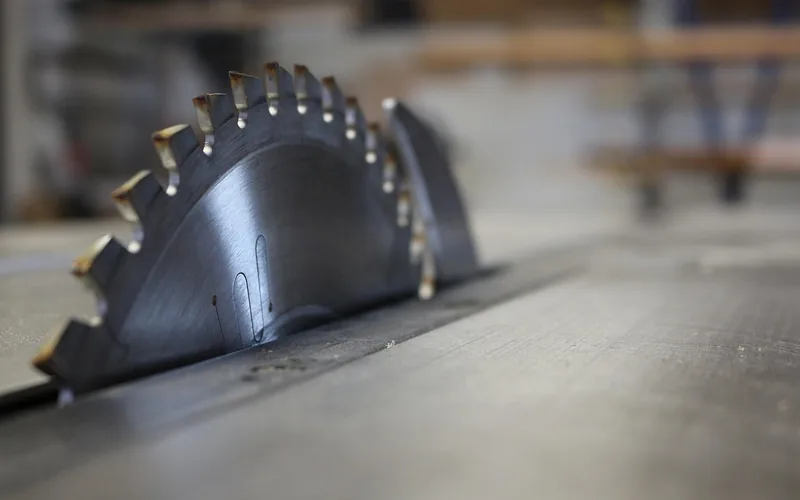
Three habits do more for a budget saw’s lifespan than any accessory purchase: clean sawdust out of the blade housing after every use, swap the stock blade for a quality one once it dulls, and keep the depth and bevel adjustments lubricated so they don’t seize. A dull blade is the single biggest cause of kickback and burnt cuts on any circular saw — see our guide to how long a circular saw blade actually lasts for real cut-count and hour estimates by material.
If you’re comparing Skil’s own corded lineup against the SKILSAW-branded worm-drive line, our Skil vs SKILSAW comparison explains the difference — the two brands share a parent company but target very different saw styles and price points.
“The difference between a 13-amp and 15-amp budget saw shows up the moment you rip a doubled layer of 3/4-inch plywood — the 13-amp motor visibly slows mid-cut, while the 15-amp saw holds RPM straight through.”
Frequently Asked Questions
Is a cheap circular saw worth it?
Yes, for occasional and DIY use. A $44–$70 corded saw with a 13- to 15-amp motor cuts 2x4s, plywood, and most sheet goods just as cleanly as a $150+ model for the first few years of ownership. The tradeoffs at the low end are a thinner base plate, no electric brake, and blade-guard springs that wear out sooner under daily job-site use. For weekend projects, a budget saw is worth it; for daily professional use, a $100+ saw’s extra durability pays for itself faster.
How many amps should a budget circular saw have?
Look for at least 13 amps on a corded saw, and 15 amps if the budget allows. The difference shows up on thicker stock: 13-amp saws can bog down cutting 2-by lumber or doubled 3/4-inch plywood, while 15-amp saws hold their RPM through the cut. Cordless saws use battery voltage instead of amps — 18V or 20V is the rough equivalent standard.
What size circular saw is best for beginners?
A 7-1/4-inch blade is the more versatile choice, since it cuts a full 2×4 at 45 degrees in one pass, which most 6-1/2-inch saws cannot do. The tradeoff is weight — 6-1/2-inch saws run about 2 pounds lighter, which helps more for overhead or one-handed cuts. For general shop and DIY use, start with 7-1/4-inch.
Is a corded or cordless circular saw better for a tight budget?
Corded wins on pure budget. A 15-amp corded saw like the SKIL 5280-01 costs $69 and never needs a battery, while a comparable cordless kit with battery and charger runs $100–$200 more. Cordless makes sense once portability matters more than upfront cost, such as job sites without easy outlet access. For a shop or garage with power nearby, a budget corded saw delivers more cutting power per dollar.
Can a budget circular saw cut plywood and metal?
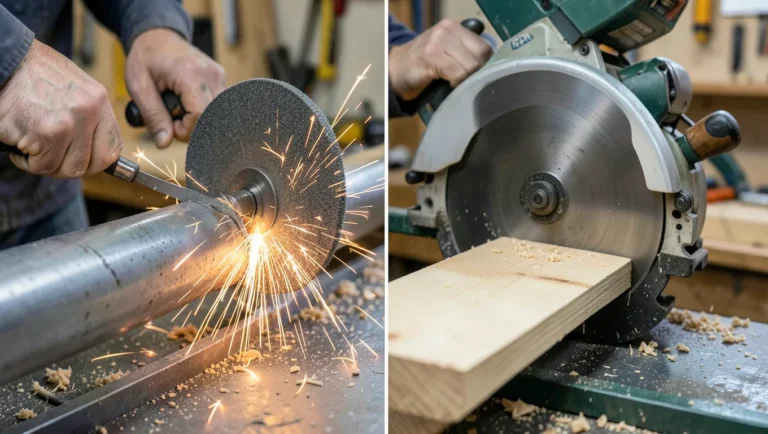
Yes — a budget circular saw cuts wood, plywood, and laminate with its included blade, and can cut soft metals like aluminum flashing or thin sheet steel once you swap in a metal-cutting blade. Always match the blade’s tooth count and material rating to the job; running a wood blade through metal dulls it immediately and can cause kickback.
Conclusion
A budget circular saw doesn’t mean a weak one — a 15-amp corded saw like the SKIL 5280-01 delivers real framing power for $69, and even the $44 entry-level SKIL 5080-01 handles occasional DIY work fine. Match the amp rating and blade size to how often and how thick you actually cut, and a budget saw will outlast the project you bought it for.
Sponsored / affiliate links. As an Amazon Associate I earn from qualifying purchases. I may earn additional commission from eligible campaigns.