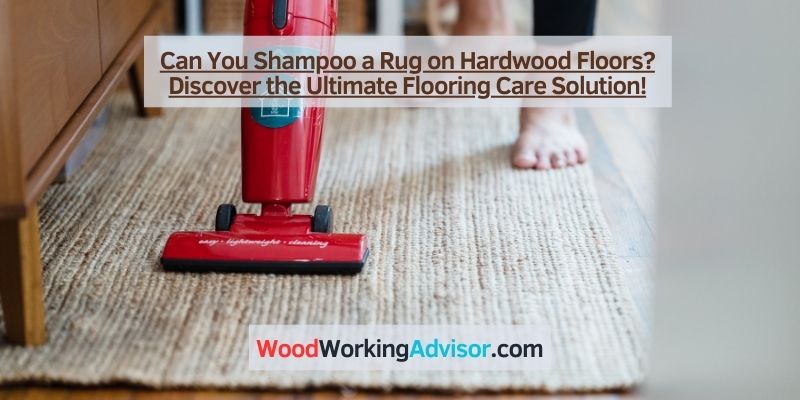
Can You Shampoo a Rug on Hardwood Floors? (Step-by-Step Safe Method)
You can shampoo a rug on hardwood floors safely — but only after laying a heavy-duty plastic moisture barrier beneath the rug first. Skip that step and excess water seeps into the boards, causing warping and cupping that can cost hundreds to repair. This guide covers how to protect the floor before you start, which rug types are safe to clean in place, and when to take the rug outside instead.
Quick Answer
Yes — you can shampoo a rug on hardwood floors if you first lay a waterproof plastic sheet under the entire rug. Use a pH-neutral, low-foam rug shampoo and a soft brush, work in small sections, and allow 24 to 48 hours of complete drying time. Never use a steam cleaner or carpet shampooer directly on hardwood — the heat and moisture will warp the boards.
How to Shampoo a Rug on Hardwood Floors Safely
Best Rug Cleaner Pick
OxiClean Large Carpet Cleaner Liquid Solution
A pH-neutral, oxygen-powered formula that lifts stains and odors from area rugs without leaving sticky residue — safe for use near hardwood when applied sparingly with a brush.
- Best for: Synthetic and cotton area rugs with set-in stains or pet odors
- Why we picked it: OxiClean rinses cleanly without heavy suds, reducing moisture needed during the blot-rinsing step
- Main drawback: Not recommended for wool or natural-fiber rugs — can fade delicate dyes
Compare more rug cleaner options
 Option 1 Bissell Deep Clean Pro 4X Carpet Shampoo
|
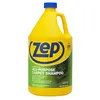 Option 2 Zep All-Purpose Carpet Shampoo Concentrate
|
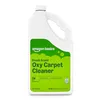 Option 3 Amazon Basics Carpet Cleaner Fresh Scent
|
As an Amazon Associate we earn from qualifying purchases.
Follow these steps in order. Skipping the plastic barrier is the single most common mistake that leads to hardwood damage during in-place rug cleaning.
- Lay a heavy-duty plastic sheet under the rug. Use 4-mil or thicker poly sheeting — or a waterproof drop cloth — that extends at least 6 inches beyond every edge of the rug. For large rugs, tape the edges down so the sheet cannot shift during cleaning.
- Vacuum the rug thoroughly on both sides. Remove loose dirt, hair, and debris. Flip the rug and vacuum the back to dislodge embedded grit before moisture is introduced.
- Test your cleaner on a small hidden corner. Apply a small amount of rug shampoo to an inconspicuous area and blot with a white cloth. Wait 5 minutes. If dye transfers or fibers change texture, switch to a gentler formula before cleaning the whole rug.
- Mix a pH-neutral rug shampoo with cool water. Follow the product label ratio. Avoid dish soap above 0.5 teaspoon per quart — higher concentrations leave a sticky residue in rug fibers that attracts dirt and dulls the floor finish over time.
- Work in 2-foot sections using a soft-bristle brush. Apply the solution sparingly and scrub gently in circular motions. Blot with a clean dry towel before moving to the next section. Do not pour liquid directly onto the rug — pooling water is the enemy.
- Rinse by blotting with a damp (not wet) cloth. Do not rinse with running water over a hardwood floor. Blot each section until no soap residue transfers to the cloth.
- Dry completely before repositioning. Lift one corner of the rug every few hours to check the plastic sheet beneath. If the sheet is wet or the floor feels damp, run a fan across the rug and keep one side elevated for airflow. Full drying takes 24 to 48 hours depending on rug thickness and humidity.
Risks of Shampooing Rugs on Hardwood Floors
Understanding the Risks
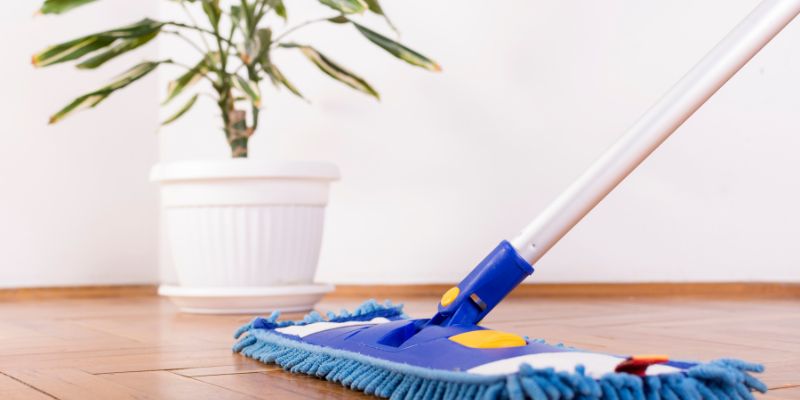
Hardwood floors and moisture are natural enemies. When shampooing a rug in place, the risks come from two sources: excess water seeping down through the rug fibers and reaching the wood, and cleaning-solution residue that lingers on the floor surface.
Excess moisture causes wood to expand unevenly, leading to warping, cupping (edges raised higher than the center), or buckling. A rug can trap that moisture against the floor for hours or days — making the damage invisible until weeks later when boards begin to separate. Residue from heavy-sudsing shampoos creates a tacky layer on the hardwood finish that attracts dirt and dulls the surface over time.
Damage Prevention Measures
A few ongoing habits reduce how often you need a full shampoo session and protect the floor on the days you do:
- Use rug pads year-round: A quality felt or natural rubber rug pad keeps rugs from sliding and creates a breathable layer between the rug backing and the wood. This also reduces how much dirt gets ground into the rug fibers, meaning less intensive cleaning when the time comes. Learn more in our guide on which rug pads are safe for hardwood floors.
- Spot-clean spills immediately: Blot liquid spills within 60 seconds using a dry cloth. Fast blotting prevents stains from setting, reducing how often a full shampoo session is needed.
- Vacuum weekly: A consistent schedule — at least once per week — removes abrasive grit before it embeds in rug fibers. Less embedded grit means gentler, lower-moisture cleaning when the time comes.
- Hire professionals for large or delicate rugs: Oriental rugs, antique rugs, or rugs larger than 8 x 10 feet are best handled by professional rug cleaners who wash in controlled facilities. This eliminates the in-place moisture risk entirely.
Rug Type and Size: What Can Be Shampooed In Place vs. Taken Outside
Not every rug is a candidate for in-place shampooing on hardwood. The guide below — based on fiber type, typical backing materials, and drying behavior — gives a quick verdict for the most common rug categories. This is the information competitors consistently leave out, and it is the single most useful thing to know before you start.
| Rug Type | Size | Shampoo In Place? | Reason |
|---|---|---|---|
| Synthetic (polypropylene, nylon) | Up to 5 x 8 ft | Yes — with barrier | Fast drying, color-stable, water-resistant backing |
| Synthetic (polypropylene, nylon) | Larger than 5 x 8 ft | Take outside | Large surface area dries unevenly; moisture risk increases with size |
| Cotton flatweave | Up to 4 x 6 ft | Yes — with barrier | Lightweight; dries quickly when fans are used |
| Cotton flatweave | Larger than 4 x 6 ft | Take outside | Absorbs substantial water; slow in-place drying traps moisture under the rug |
| Wool | Any size | Take outside or hire professional | Wool shrinks and felts when over-wet; very slow to dry; dyes can bleed |
| Jute or sisal | Any size | Never shampoo | Natural plant fibers brown, rot, and lose structural integrity when wet |
| Oriental or antique | Any size | Hire professional only | Hand-knotted structure and natural dyes require controlled washing conditions |
Alternatives to Shampooing
If your rug type or your floor situation makes in-place shampooing a bad idea, two alternatives handle most cleaning needs without saturating the rug.
Dry Cleaning
Dry cleaning is a solvent-based method that removes embedded dirt and odors without introducing water to the rug or floor. It is the safest option for rugs over hardwood when moisture is a concern.
- Vacuum the rug on both sides to remove loose debris.
- Apply a dry cleaning powder or solvent to the surface and spread evenly with a soft brush.
- Work the powder into the fibers using gentle circular motions and cover the entire rug surface.
- Let the powder sit for the time stated on the product label — typically 30 to 60 minutes.
- Vacuum thoroughly to remove all powder. Repeat if needed for heavy soiling.
Spot Cleaning
Spot cleaning handles individual stains without wetting the entire rug. Act fast — the sooner you address a spill, the less moisture you need to remove it.
- Blot the spill immediately with a clean, dry cloth. Do not rub — blotting lifts the liquid rather than spreading it.
- Mix a solution of mild dish soap and cool water (half a teaspoon of soap per quart of water).
- Dip a soft sponge or brush into the solution and gently work the stained area from the edges toward the center.
- Blot the area with a clean dry cloth to remove the soap solution. Repeat until the stain is gone.
- Blot once more with a cloth dampened with plain water to remove any soap residue, then blot dry.
How to Care for Hardwood Floors Under Rugs
Hardwood floors under rugs require specific care to stay in good condition long-term. The area beneath a rug is protected from foot traffic but can accumulate moisture, dust, and debris that the rug itself traps.
Regular Cleaning Routine
- Lift and clean beneath rugs monthly. Roll up the rug and sweep or vacuum the hardwood beneath. Grit trapped under a rug acts like sandpaper on the finish.
- Damp mop with a pH-neutral hardwood floor cleaner. Use a well-wrung mop — not a wet one. Excessive water on hardwood causes the same warping risk as a wet rug.
- Dry thoroughly after mopping. Use a dry cloth or run a fan over the area. Do not reposition the rug until the floor is completely dry.
Protective Measures
- Use a quality rug pad: A breathable felt or natural rubber rug pad under every rug prevents moisture buildup, stops slipping, and protects the finish from abrasion. See our guide on natural rubber rug pads for hardwood floors for sizing and thickness guidance.
- Apply felt pads to furniture legs: Furniture near rug edges can scratch bare hardwood when moved. Felt pads eliminate this risk.
- Rotate rugs seasonally: Rotating 180 degrees every few months ensures even wear and prevents sun fading in one spot.
Professional Maintenance
For hardwood that shows wear, scratches, or dullness beneath a rug, professional services can restore the floor without a full sanding job:
- Professional deep cleaning: A hardwood floor cleaning professional can remove residue buildup from the finish and restore natural shine — useful if a previous rug cleaning left soap behind.
- Screen and recoat: If the finish is dull but the wood is not damaged, a screen-and-recoat service applies a fresh topcoat without sanding down to bare wood. Much less expensive than a full refinish and typically takes one day.
Frequently Asked Questions
Can you shampoo area rugs on top of hardwood floors?
Yes, you can shampoo area rugs on hardwood floors if you take the right precautions first. Lay a waterproof plastic sheet under the entire rug before you begin, use a pH-neutral low-foam shampoo, apply it sparingly with a soft brush, and allow 24 to 48 hours of complete drying time. Wool, jute, sisal, and antique rugs should not be shampooed in place — they require professional cleaning or outdoor washing.
How long should a rug dry after shampooing on hardwood floors?
A rug shampooed in place on hardwood floors needs 24 to 48 hours to dry completely, depending on rug thickness, pile height, and room humidity. Thin cotton flatweaves may dry in 12 to 18 hours with fans running, while thick shaggy or wool-blend rugs can take longer. Lift a corner of the rug every few hours and check the plastic barrier beneath — if any moisture is present on the barrier or the floor, extend drying time before repositioning the rug.
Can you use a carpet shampooer directly on hardwood floors?
No. A carpet shampooer should never be run directly on hardwood floors. The machine sprays water into the surface and uses suction to extract it — but on hardwood, even brief water contact can cause swelling and finish damage. If you want to use a carpet shampooer on a rug over hardwood, place a heavy-duty waterproof barrier under the rug first and set the machine to its lowest water-flow setting.
What is the safest way to clean an area rug on hardwood floors without removing it?
The safest method for cleaning an area rug in place on hardwood is dry cleaning powder — no moisture is introduced at all. For light soil, vacuuming both sides weekly handles most maintenance. For stains, spot cleaning with a minimal amount of mild soap solution (half a teaspoon per quart of water) and thorough blotting is safer than a full shampoo session. If the rug needs a deeper clean, the safest option is to roll it up, take it outside, and wash it there where runoff poses no risk to the floor.
Can a Bissell carpet cleaner be used on hard floors?
Some Bissell models — particularly the CrossWave and similar multi-surface machines — are designed to clean both rugs and hard floors in hard-floor mode, which uses minimal water and a soft microfiber pad rather than a brush roll. These are safe for hardwood when used on the correct setting. Standard upright Bissell carpet shampooers that spray and extract water are not designed for bare hardwood and should only be used on a rug, with a waterproof barrier underneath, not directly on the floor.
Conclusion
Shampooing a rug on hardwood floors is possible and safe when you follow the right steps — a plastic moisture barrier, a pH-neutral shampoo, minimal water application, and complete drying time. Skipping any of those steps is what leads to the warped boards and residue buildup that give this task a bad reputation. If your rug is wool, jute, sisal, or a valued antique piece, skip the in-place approach and either take it outside or hire a professional — the floor protection is not worth the fiber damage risk.
Sponsored / affiliate links. As an Amazon Associate I earn from qualifying purchases. I may earn additional commission from eligible campaigns.