Can You Use a Heat Gun to Dry Polyurethane? (120°F Risk)
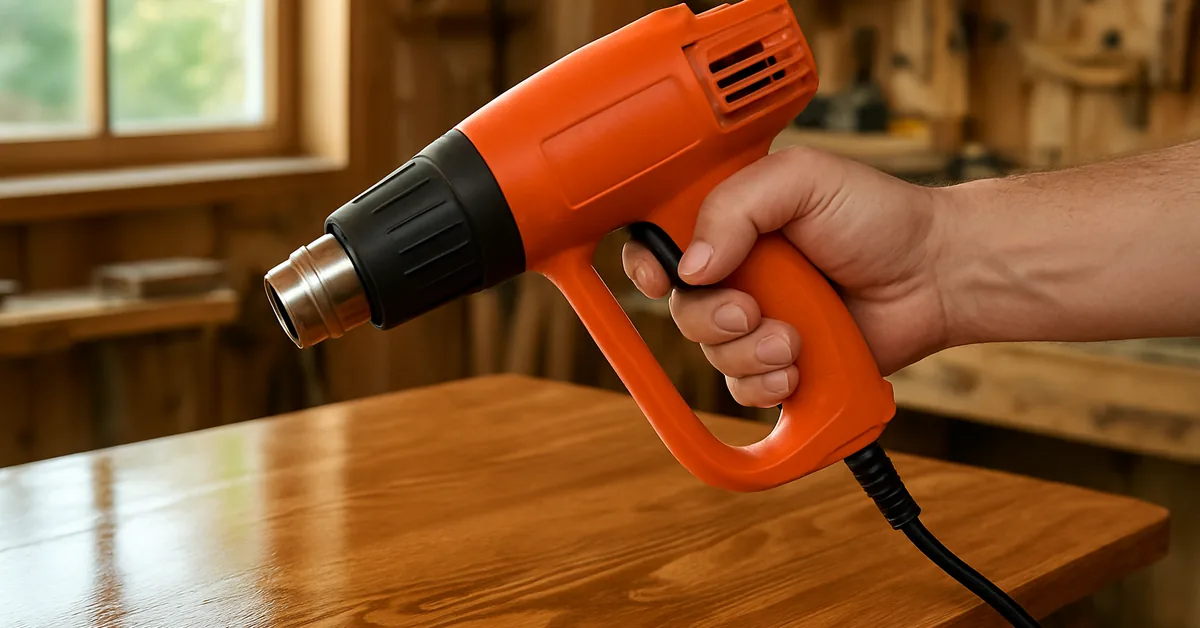
A heat gun is not recommended for drying polyurethane — its lowest setting (around 120°F) already exceeds the roughly 104°F flash point of mineral spirits in wet oil-based finishes. Overheating causes bubbling, clouding (“crazing”), and on oil-based coats, a real fire risk while still wet. This guide covers when a heat gun is safe at all, safer heat sources for faster cure time, and fixing an already-overheated finish.
Quick Answer
Don’t use a heat gun to dry polyurethane — the localized heat causes bubbling and clouding, and on wet oil-based finishes it can exceed the solvent’s flash point. Safer options: a hairdryer on low, a space heater aimed at the room (not the surface), a fan for airflow, or a dehumidifier. The one narrow exception: water-based polyurethane, on a low heat-gun setting (120–140°F) held moving, can pop surface bubbles seconds after application — never on oil-based finishes.
Can You Use A Heat Gun To Dry Polyurethane?
Best Adjustable-Heat Gun Pick
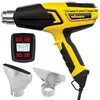
Wagner Spraytech FURNO 500 Variable Temp Heat Gun
12 temperature settings from 150°F–1200°F, so you can dial it down toward the low end this article recommends instead of using a fixed-heat model.
- Best for: Woodworkers who want real low-end temperature control, not just high/low
- Why we picked it: 12 discrete settings make it easier to stay well under bubbling-risk heat than a 2-speed gun
- Main drawback: No digital readout — you’re going by the dial marking, not an exact number
Compare more adjustable heat gun options
 Option 1 SEEKONE 1800W Compact Heat Gun
|
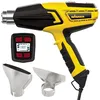 Option 2 Wagner FURNO 700 Digital Heat Gun
|
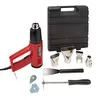 Option 3 Master Appliance EC-200K Kit
|
As an Amazon Associate we earn from qualifying purchases.
Using a heat gun to dry polyurethane is not recommended — the concentrated heat easily bubbles the finish and can craze it (that hazy, cracked loss of clarity woodworkers call “breaking the glass”). Gently warming the room with a portable plug-in heater or a hairdryer held well back is a safer way to speed up drying.
Increasing air flow and raising the ambient room temperature — rather than pointing concentrated heat at the surface — is the more reliable way to speed up polyurethane or varnish drying time.
Polyurethane is a popular finishing product used to protect and add shine to wood surfaces, but waiting for it to dry can take a full day or longer between coats. That’s why “can I just blast it with a heat gun” is such a common question — and why the honest answer is “it’s risky, and here’s exactly why.”
Pros And Cons Of Using A Heat Gun
Using a heat gun on polyurethane can speed things up, but it comes with real tradeoffs. Here’s the honest breakdown:
| Pros | Cons |
|---|---|
|
|
Curious to explore polyurethane further? Here’s another post on this topic: ACE Hardware Polyurethane: Best Products & How To Apply.
📊 Heat guns run roughly 120°F to 1,200°F even on their lowest settings, while mineral spirits — the solvent in most oil-based polyurethane — has a flash point of about 104–107°F (Class II combustible liquid). Minwax’s own product label states its fast-drying polyurethane’s “contents are COMBUSTIBLE. Keep away from heat and open flame.” — Sources: heat gun temperature specs from manufacturer listings (Master Appliance, Wagner); mineral spirits flash point per manufacturer Safety Data Sheets; Minwax product warning label, Minwax.com.
Alternatives To A Heat Gun
If you’d rather not risk a heat gun on polyurethane, these alternatives speed up drying without the same risk:
- Increase air flow: Run a fan or open a window to move more air across the surface.
- Increase room temperature: A warmer room (70–80°F) speeds the chemical cure without concentrating heat on one spot.
- Use a dehumidifier: Lower humidity lets solvents evaporate faster.
- Apply thinner coats: Thin coats dry and cure faster than one thick one.
A heat gun can shave time off a slow cure, but it comes with real risk to the finish and, on wet oil-based coats, a genuine fire hazard. If you’re not confident controlling it, the alternatives above get you most of the speed with almost none of the risk.
Can You Use A Heat Gun To Pop Bubbles In Wet Polyurethane?
Yes, but only on water-based polyurethane, and only while it’s still wet. Passing a heat gun on its lowest setting (120–140°F) a few inches above the surface, kept constantly moving, pops surface bubbles within seconds of application. This is a completely different use case from “drying” — it’s a bubble-fix trick for the first minute after you lay the coat down, not a way to cure the whole finish faster. Never try this on oil-based polyurethane; the wet solvent vapor makes it a fire risk, and heat won’t remove bubbles from an oil-based coat anyway.
Expert Tips For Using A Heat Gun
If you decide to use a heat gun on polyurethane despite the risks, precise technique is what separates “saved twenty minutes” from “ruined the finish.” Below is how to do it as safely as possible.

Maintaining Proper Distance
Keep the heat gun at least 6–8 inches away from the surface and adjust as needed. Closer than that, even a brief pause can bubble or blister the finish.
Interested in understanding polyurethane in more detail? This article can guide you: Polyurethane Spray For Outdoor Wood: Top Picks Reviewed.
Keeping the Heat Gun Moving
Sweep the heat gun side to side and up and down in a steady pattern. This spreads the heat evenly and prevents any one spot from scorching or overheating.
Avoiding Overheating
The bigger risk isn’t the cured, dry film — it’s a still-wet, oil-based coat. Its solvent vapor is combustible well below a heat gun’s typical output, so overheating a wet coat is a genuine fire and fume hazard, not just a cosmetic one. If you see smoke or smell strong fumes, turn the tool off and move it away immediately. Overheating a dry film mainly causes bubbling, brittleness, and cracking rather than ignition, but the wet-coat risk is real and is exactly what product labels like Minwax’s are warning about.
Using Safety Precautions
Wear gloves to protect your hands from the heat, and keep any flammable materials — rags, solvent containers, sawdust — well clear of your workspace. Keep a fire extinguisher nearby, especially when working with wet oil-based finishes.
Proper distance, constant movement, avoiding overheating, and keeping flammables clear are what let you use a heat gun on polyurethane without ruining the project or starting a fire.
Other Techniques For Speedy Drying
Alternatives like gently warming the room with a plug-in heater, or running a fan or dehumidifier, speed up drying without the bubbling and fire risk that come with pointing concentrated heat at the surface.
Waiting for polyurethane to dry is genuinely slow, so beyond a heat gun, these techniques help most:
Interested in understanding polyurethane in more detail? This article can guide you: Best Spray Gun For Polyurethane Finishes (Top Picks 2025).
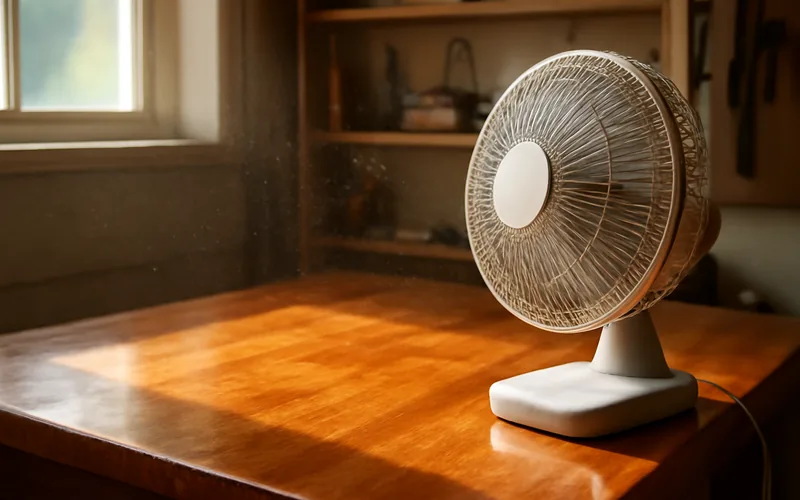
Increasing Air Flow
A fan moving air across the surface helps solvents evaporate faster and keeps dust from settling into the wet finish while it sets.
Raising Temperature
Curing is a chemical reaction between the polyurethane and the air, and that reaction speeds up in a warmer room (aim for 70–80°F) — without concentrating heat on one spot the way a heat gun does. This matters most in an unheated garage in winter, where polyurethane can take three times longer to dry in cold weather.
Using Infrared or Halogen Lights
Infrared and halogen lamps placed a safe distance above the surface warm the whole area evenly rather than one hot spot, which is why industrial finishing lines use them: one furniture manufacturer cut varnish drying time from two hours to fifteen minutes after switching to medium-wave infrared heaters (Noblelight industrial case data). A small shop setup won’t match that exactly, but the same even-heat principle applies at a smaller scale.
Using Fans
Fans keep air — and solvent vapor — moving across the surface, which speeds evaporation and also helps keep dust and dirt from settling into the wet finish.
Applying Heat
A hairdryer on low, a portable plug-in heater aimed at the room rather than the surface, or a heat lamp at a safe distance are the more forgiving heat sources — all warm gradually instead of concentrating heat on one spot the way a heat gun does.
Precautions And Risks Associated With Speedy Drying
Gently warming with a portable plug-in heater or hairdryer speeds up drying without the bubbling and clouding risk a heat gun carries — but any method still calls for basic precautions.
Effects On Finish Quality
Drying a coat too fast with a heat gun causes bubbles and an uneven, cloudy surface — the finish skins over before solvents underneath have fully evaporated, trapping them as bubbles.
Risks Of Overheating
Overheating a wet, oil-based coat risks igniting the solvent vapor — a genuine fire hazard, which is exactly why manufacturers like Minwax label their oil-based polyurethane “combustible” and warn to keep it away from heat and open flame. Overheating a cured, dry film is less about fire and more about warping, cracking, or brittleness in the wood and finish.
Safety Precautions For Handling Heat Sources
Never point a heat source at flammable materials, wear heat-resistant gloves to prevent burns, and keep the heat gun a safe distance from the work surface at all times.
A heat gun can look like an attractive shortcut, but it puts both the finish and your safety at real risk. Letting the finish dry naturally, or using one of the gentler methods above, gets a more even and professional result almost every time.
Frequently Asked Questions On Using A Heat Gun To Dry Polyurethane
Polyurethane is a synthetic resin coating (see Wikipedia’s overview of polyurethane chemistry for the background), and most of these questions come down to how that resin’s solvents react to concentrated heat.
How Can I Make Polyurethane Dry Faster?
Increase air flow with a fan, raise the room temperature to 70–80°F, use infrared or halogen lights at a safe distance, or gently warm the room (not the surface directly) with a hairdryer on low. Avoid a heat gun on the surface itself — it can cause the finish to bubble and craze.
Can You Use A Heat Gun On Polyurethane?
You can, but it’s risky: even a heat gun’s lowest setting can bubble or craze the finish, and on wet oil-based polyurethane the solvent vapor can be a fire hazard near that much heat. A portable plug-in heater or a hairdryer held well back are safer ways to gently warm the piece instead.
Can I Dry Out Wood With A Heat Gun?
Yes, but it’s tricky — too much heat too fast can crack or warp the wood as moisture leaves unevenly. A dehumidifier or simple air-drying gives a slower, more even, and safer result for the wood itself.
How Can I Speed Up The Drying Of Varnish?
Improve air flow with a fan and raise the room temperature — varnish has to evaporate its solvents first, then cure, and both steps speed up with warmer, moving air. Avoid heat guns directly on the surface, since they can bubble or damage the finish the same way they do with polyurethane.
Can You Use A Heat Gun To Pop Bubbles In Wet Polyurethane?
Only on water-based polyurethane, and only while it’s still wet: a heat gun on its lowest setting (120–140°F), kept moving a few inches above the surface, pops bubbles within seconds of application. Never try this on oil-based polyurethane — the wet solvent vapor is a fire risk, and heat doesn’t remove bubbles from an oil-based coat anyway.
Conclusion
A heat gun can technically speed up polyurethane drying, but the risk-to-reward is poor: even careful use can bubble or craze the finish, and a wet oil-based coat’s solvent vapor makes overheating a genuine fire hazard. A fan, a warmer room, a dehumidifier, or gentle indirect heat from a hairdryer or space heater get most of the same speed with a fraction of the risk — save the heat gun for popping bubbles in wet water-based poly, on its lowest setting, and nothing more.
Sponsored / affiliate links. As an Amazon Associate I earn from qualifying purchases. I may earn additional commission from eligible campaigns.