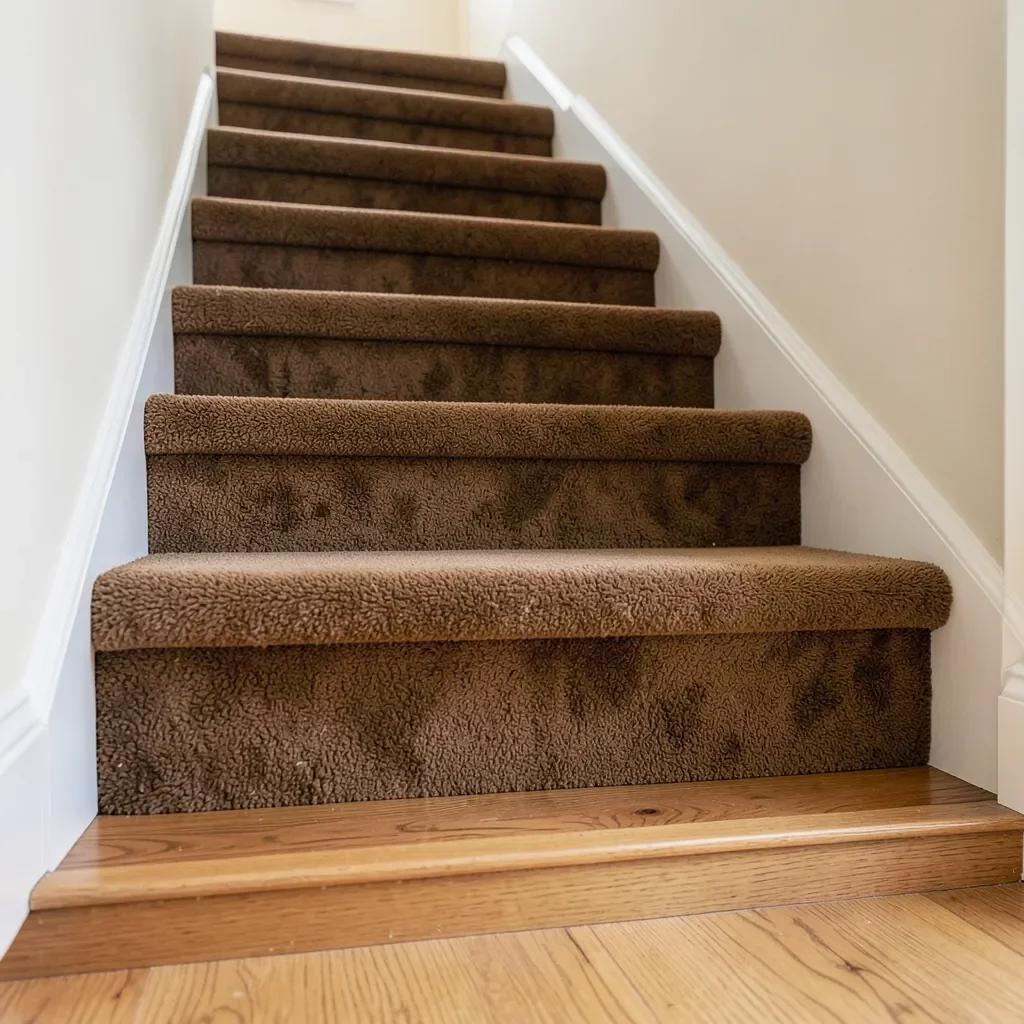
Carpeted Stairs With Wood Floors: Best Transition Strip to Use
Carpeted stairs paired with wood floors need a proper transition piece at the top and bottom of the run — a reducer strip, T-molding, or a landing tread — or the height difference becomes a tripping hazard. Carpet protects the treads from scuffs and reduces slips, while the wood floor keeps the rest of the home easy to clean. This guide covers picking the right transition hardware, converting carpeted stairs to hardwood, and the real trade-offs between the two.
Transition Options Where Carpet Meets Wood
Best Carpet-to-Wood Transition Strip
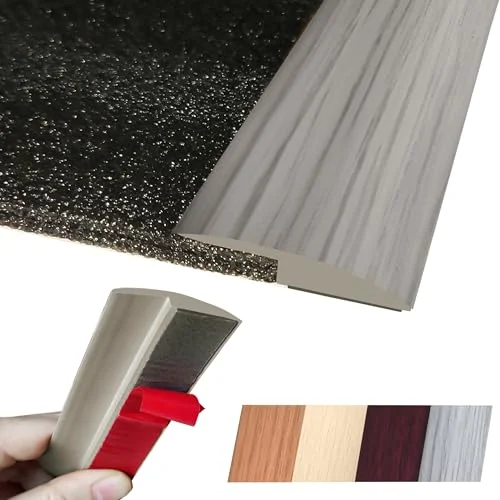 |
Maxiroc Floor Transition Strip (40 in.) – $12.99 This self-adhesive transition strip covers the exact height-mismatch problem this guide describes where carpeted stairs meet a wood landing, without needing tools or track pieces.
|
The transition piece where carpeted stairs meet a wood floor matters as much as the flooring choice itself — without one, you’re left with a gap, frayed carpet edge, or a tripping hazard at the top of the stairs.
| Transition type | Best for | Notes |
|---|---|---|
| T-molding | Carpet and wood at nearly the same height | Fits into a small gap, creates a level, clean line |
| Reducer strip | A noticeable height difference | Sloped profile bridges from higher wood down to lower carpet |
| Landing tread / stair nose | Where carpeted stairs begin at a wood landing | Provides a stable, non-slip edge at the first step |
Benefits of Carpeted Stairs With Wood Floors
Protection, Safety, and Noise Reduction
Carpeted stairs shield the underlying wood from scratches, dents, and daily foot-traffic wear, extending the flooring’s lifespan. The cushioned surface also reduces slip risk for kids, pets, and older adults, and absorbs sound between floors better than bare wood treads.
Practicality and Cost
Carpet is generally cheaper to install and replace than hardwood treads, but it needs more frequent cleaning and eventual replacement. Wood floors cost more upfront but hold up longer and don’t trap dust and allergens the way carpet does. Either way, a vacuum built for both carpet and wood floors makes maintaining a mixed staircase simpler than switching tools mid-flight.
Converting Carpeted Stairs to Wood
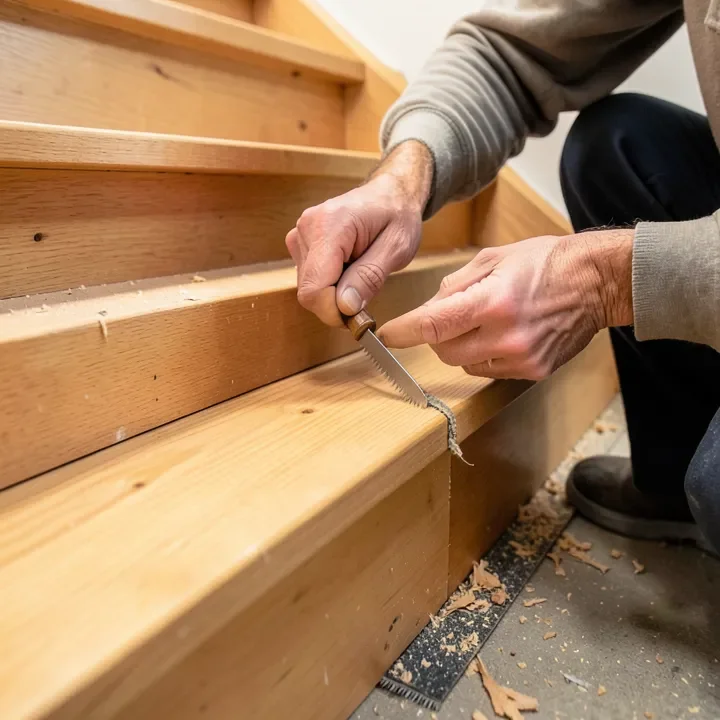
If you’d rather replace the carpet with hardwood treads and risers, the process is straightforward with the right steps:
- Remove the old carpet and tack strips with a pry bar and pliers, watching for exposed staples and nails.
- Stain the new hardwood treads to a color that complements your existing wood floors.
- Paint or stain the risers to contrast or match your wall color.
- Trim treads and risers to size, ensuring a tight, uniform fit at every step.
- Install and secure each tread with screws or nails, working from the bottom of the run upward.
📊 A landing tread’s main job is providing a stable, safe transition from carpet to stair treads — without one, the height mismatch between carpet pile and a bare wood step is a common cause of missed-step falls at the top of a staircase. Source: Wood Stair Co, landing tread guide
Design Ideas for a Mixed Staircase
- Add a stylish stair runner over wood treads for color and cushioning without full carpet.
- Use decorative newel posts or finials where the wood floor meets the carpeted run.
- Install LED strip lighting under the treads for a modern, safety-boosting accent.
- Choose a runner width that leaves 2–3 inches of finished wood visible on each side of the tread.
Frequently Asked Questions
Can You Have Carpet Stairs With Hardwood Floors?
Yes. Carpeted stairs paired with hardwood floors are common, especially with kids or pets in the home, since the carpet absorbs impact and wear that would otherwise scuff bare wood treads.
What Transition Piece Do I Need Where Carpet Meets a Wood Floor?
Use a T-molding if the carpet and wood are close in height, a reducer strip if there’s a noticeable height difference, or a landing tread where carpeted stairs begin at a wood floor landing. The right choice depends on the exact height gap between the two surfaces.
How Do You Transition From Carpeted Stairs to Hardwood Floors?
Remove the old carpet and tack strips, stain the hardwood treads and paint the risers, then trim and install the wood treads and risers, finishing with the appropriate transition strip at the top or bottom of the run.
Is Carpet on Stairs a Good Idea?
Carpet on stairs is a good option if you have children, pets, or want extra sound absorption and cushioning. Hardwood treads are easier to clean and don’t trap allergens, but offer less traction and impact protection than carpet.
Conclusion
Whether you keep carpeted stairs alongside wood floors or convert to all-hardwood treads, the transition piece at the top and bottom of the run is what makes the combination look finished and safe. Match the transition hardware to your actual height difference, and the mix of carpet and wood can be both practical and attractive.
Sponsored / affiliate links. As an Amazon Associate I earn from qualifying purchases. I may earn additional commission from eligible campaigns.