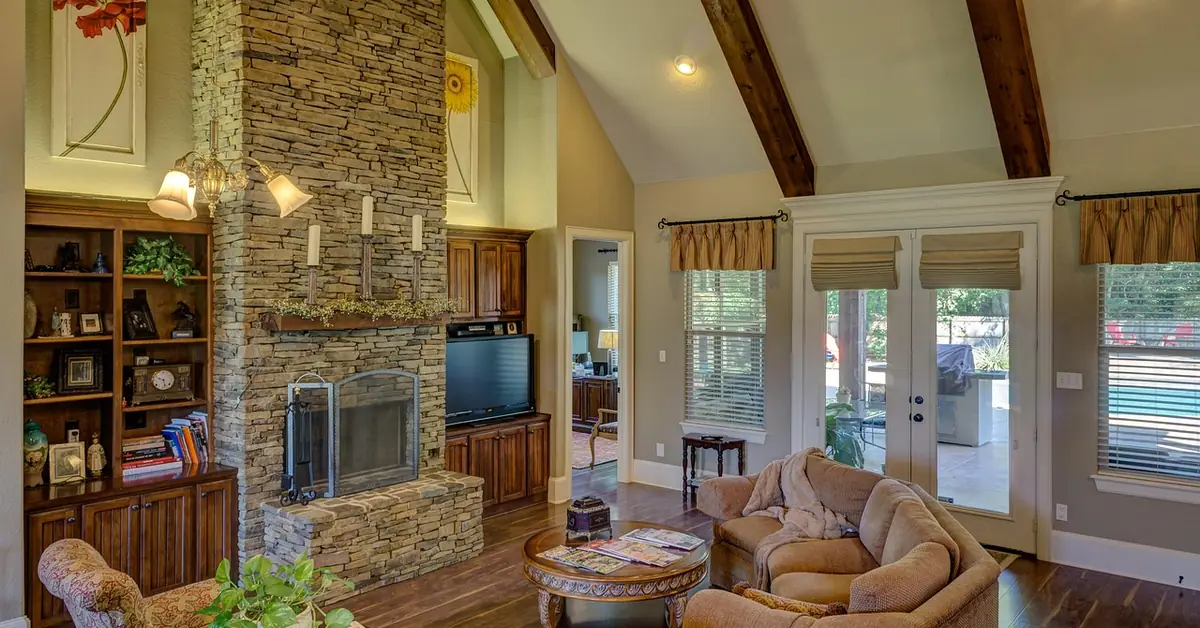
Colored Hardwood Floors: 2026 Trends by Wood Species
Colored hardwood floors get their color from a wood stain, not paint — most fall between light white oak and near-black ebony, with warm honey and cool gray leading 2026 trends. Pick the wrong stain for your wood species, though, and you risk a blotchy, uneven finish no extra coat fixes. This guide covers current color trends, how wood species changes the result, and how to stain or repair a colored floor yourself.
Insert your Affiliate Disclosure reusable block here
Popular Hardwood Floor Stain Colors for 2026
Best Hardwood Floor Stain Pick
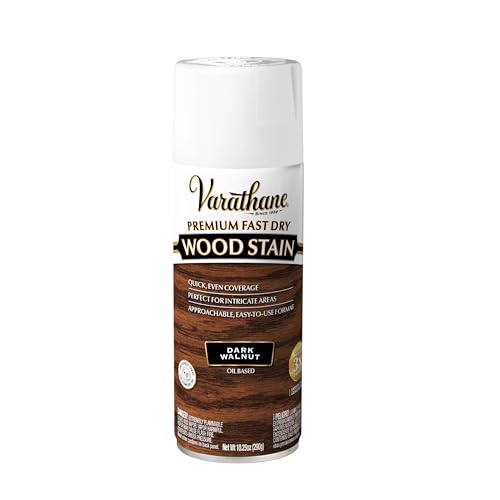
Varathane Premium Fast Dry Wood Stain (Dark Walnut) – $14.87
One-coat oil-based stain that covers up to 275 sq ft — the same dark walnut tone covered in the color trends section above.
- Best for: Full-room floor staining needing one-coat coverage
- Why we picked it: Dries to the touch in 1 hour and covers up to 275 sq ft per quart
- Main drawback: Oil-based formula has a stronger odor and needs good ventilation
Compare more hardwood floor stain options
 Option 1 Varathane Golden Oak Stain & Applicator – $8.98
|
 Option 2 Rubio Monocoat Wood Oil Finish – $62.99
|
 Option 3 HOWARD Restor-A-Finish – $14.99
|
As an Amazon Associate we earn from qualifying purchases.
Warm, honey-toned browns and soft neutral grays are the two directions dominating hardwood floor color choices in 2026, while true black or bright novelty colors remain rare outside accent pieces. For a full run-down of hardwood flooring options, see our hardwood flooring hub.
Warm & Natural Tones
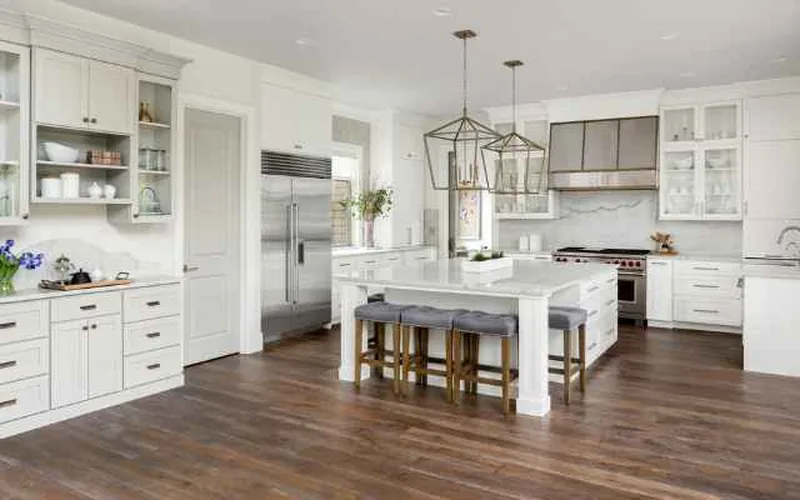
Natural white oak with just a clear or lightly tinted finish is the most requested look right now — it keeps rooms bright and reads timeless rather than trendy. Provincial, a warm medium brown with a faint reddish undertone, has held on as one of the best-selling stain colors in the U.S. for more than a decade because it works with almost any wood species and decor style.
Cool & Neutral Tones
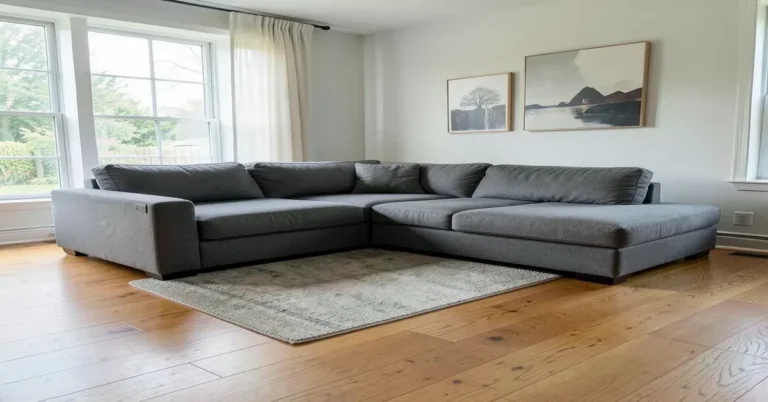
Gray hardwood floors have not faded the way many predicted — instead they have shifted into “greige,” a gray-beige blend that pairs gray’s modern feel with brown’s warmth so rooms don’t feel cold. Driftwood gray and other light, weathered-look grays remain a strong pick for small rooms since they reflect more light than dark stains.
Bold & Dark Tones
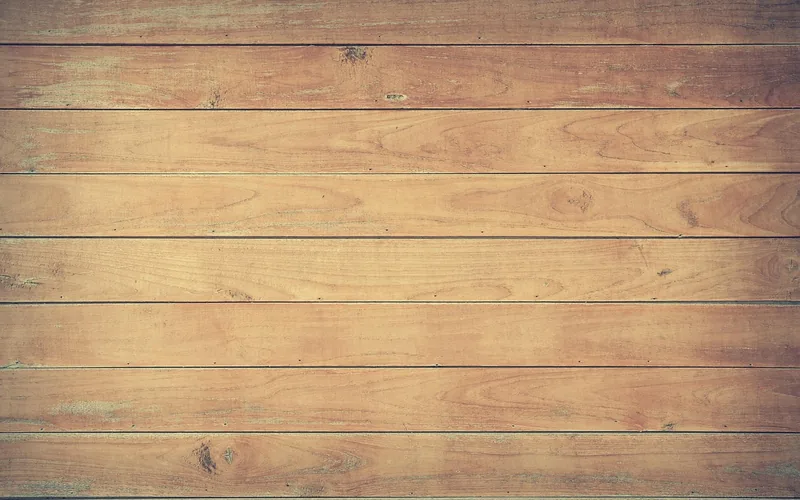
Espresso and dark walnut remain the top choices when a room calls for drama — both read as nearly black in low light but show warm brown undertones in direct sun. If you’re deciding between the two, our dark walnut vs. espresso comparison breaks down the undertone and maintenance differences. Homeowners who want color without going monochrome sometimes skip a solid stain entirely in favor of a checkered hardwood floor pattern using two contrasting stains.
📊 99% of surveyed real estate agents say homes with hardwood floors are easier to sell than comparable homes without them. — Source: National Wood Flooring Association. A safer resale strategy is to keep the boldest colors (near-black espresso, bright whites) confined to one room rather than the whole house, since neutral mid-tones appeal to the widest range of future buyers.
How Wood Species Changes Your Stain Color
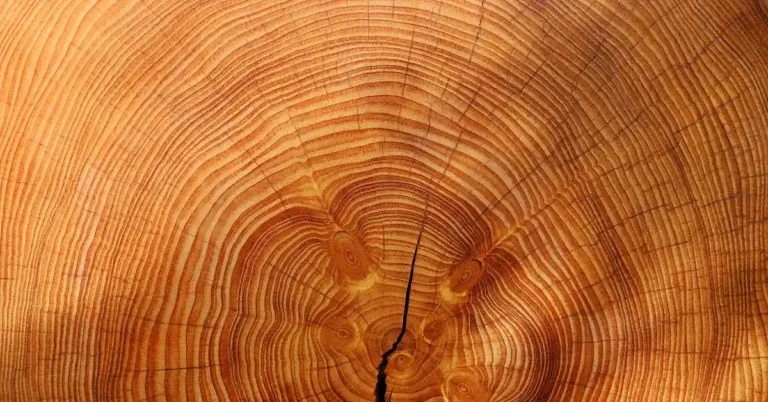
The same stain can look like two different colors depending on the wood underneath it. Wood species is the grain structure and porosity of a floor board that determines how evenly it absorbs pigment — open, coarse-grained woods soak up stain deeply and evenly, while tight-grained woods absorb unevenly and are prone to blotching unless pre-treated.
| Wood Species | Grain & Stain Behavior | Best For |
|---|---|---|
| Red Oak | Open, coarse grain; takes stain evenly and darkens predictably | Any color, especially warm browns |
| White Oak | Tighter, straighter grain; holds gray and cool tones truer than red oak | Grays, greige, whitewash |
| Maple / Birch | Very tight, closed grain; blotches badly with dark stain unless conditioned first | Light stains, or gel stain over wood conditioner |
| Hickory | Strong natural color variation between boards; dark stain can look busy | Medium, uniform-leaning stains |
Red oak is the most forgiving species to stain because its open grain pulls pigment in evenly — see our full guide to staining red oak for grit and coat recommendations. Maple and birch are the opposite story.
“Maple and birch floors are the two I get the most questions about. Skip the pre-stain wood conditioner and a dark stain goes on in dark blotchy streaks instead of an even tone — I always test a hidden closet corner first before committing to the whole room.”
Best Wood Stains for Coloring Hardwood Floors
Whichever color you land on above, the stain product itself affects how true that color comes out and how long it takes to apply. Here are four options that cover the most common jobs, from a full room to a small touch-up.
Staining vs. Painting Your Hardwood Floors
Staining changes the color while keeping the wood grain visible; painting fully covers the grain with a solid, opaque color. Stain is the better choice on any floor with grain or a species worth showing off, while paint works on floors with heavy existing damage you’d rather hide than sand out.
Two practical factors decide which one holds up: lighting and room size. A north-facing room with little natural light will make a dark stain look almost black and a pale stain look washed out, so test samples in the room itself at different times of day before committing. Small rooms generally read larger with a lighter color, whether that’s a light stain or a soft neutral paint.
If you do paint, use a floor-rated enamel (not wall paint) in a satin or gloss finish so it can handle foot traffic, and always prime bare wood first so the topcoat doesn’t chip loose within a season.
How to Stain or Paint Hardwood Floors Yourself
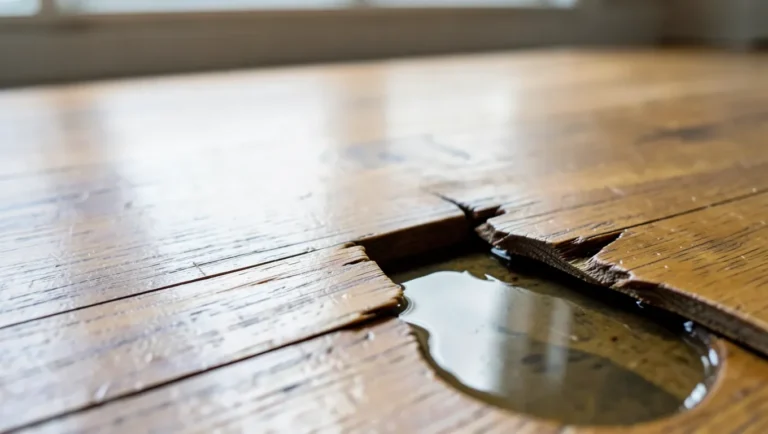
A DIY color change is realistic for most homeowners with a weekend and the right prep. If the floor already has deep gouges, fill scratches and gouges before you sand, since stain makes filled repairs more visible, not less.
- Clear and prep the room: Remove furniture and rugs, then cover vents and trim with plastic sheeting and painter’s tape.
- Sand the existing finish off: Use 120- then 150-grit sandpaper to remove the old finish down to bare wood, sanding with the grain.
- Vacuum and tack the dust: Vacuum thoroughly, then wipe with a tack cloth or mineral spirits — leftover dust causes the blotching described above.
- Test the stain on a hidden spot: Try the color in a closet or under a vent before committing, especially on maple, birch, or any wood you haven’t stained before.
- Apply stain or paint in thin coats: Work in the direction of the grain, wiping off excess stain after 5–10 minutes for an even tone.
- Seal with a protective topcoat: Once fully dry, add a polyurethane or floor-rated topcoat before moving furniture back in.
Maintaining Your Colored Hardwood Floors
Sweep or vacuum weekly to keep grit from scratching through the topcoat, and mop only with a barely-damp microfiber pad — standing water is the fastest way to dull a stained finish or cause the boards to cup.
Felt pads under furniture legs and a doormat at every entry prevent most of the scratches that eventually force an early refinish. When the finish does start looking dull or scuffed rather than deeply scratched, a product like a color-matched finish restorer can revive it in an afternoon without a full sand-and-restain job.
Frequently Asked Questions
What is the most popular hardwood floor color right now?
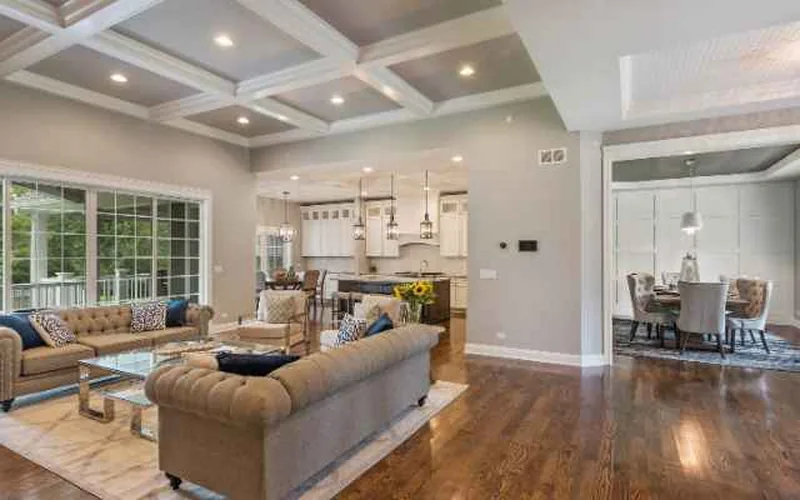
Natural, medium-brown tones remain the single most popular choice overall, but warm honey oak and soft greige are the two fastest-growing trends for 2026. Dark espresso and walnut stay popular for accent rooms rather than whole-house use.
Do hardwood floor colors affect home resale value?
Yes, indirectly. Hardwood floors themselves are a documented resale advantage, but an unusual or very dark color choice can narrow buyer appeal. Neutral mid-tones sell to the widest range of buyers, while extreme colors are safest kept to one accent room.
Can you change hardwood floor color without full sanding?
Only for small color shifts. A gel stain or color-matched finish restorer can darken or refresh an existing finish without sanding, but going from a light floor to a noticeably darker or different-toned color still requires sanding down to bare wood first.
Do gray or light hardwood floors show dirt more than dark floors?
No, it’s the opposite in most homes. Light and gray floors hide dust and pet hair better than dark floors, which show every scuff, footprint, and speck of dust against their darker background.
What’s the difference between staining and painting hardwood floors?
Stain penetrates the wood and changes its color while the grain stays visible underneath. Paint sits on top as an opaque layer that fully hides the grain and any damage, but it chips and needs touch-ups more often than a stained-and-sealed floor.
Conclusion
The right color for a colored hardwood floor comes down to matching the stain to your wood species and your room’s light, not just picking whatever looks best in a paint-store sample. Test on a hidden spot first, lean neutral if resale matters, and keep up with simple maintenance so the finish lasts as long as the color choice does.
Sponsored / affiliate links. As an Amazon Associate I earn from qualifying purchases. I may earn additional commission from eligible campaigns.