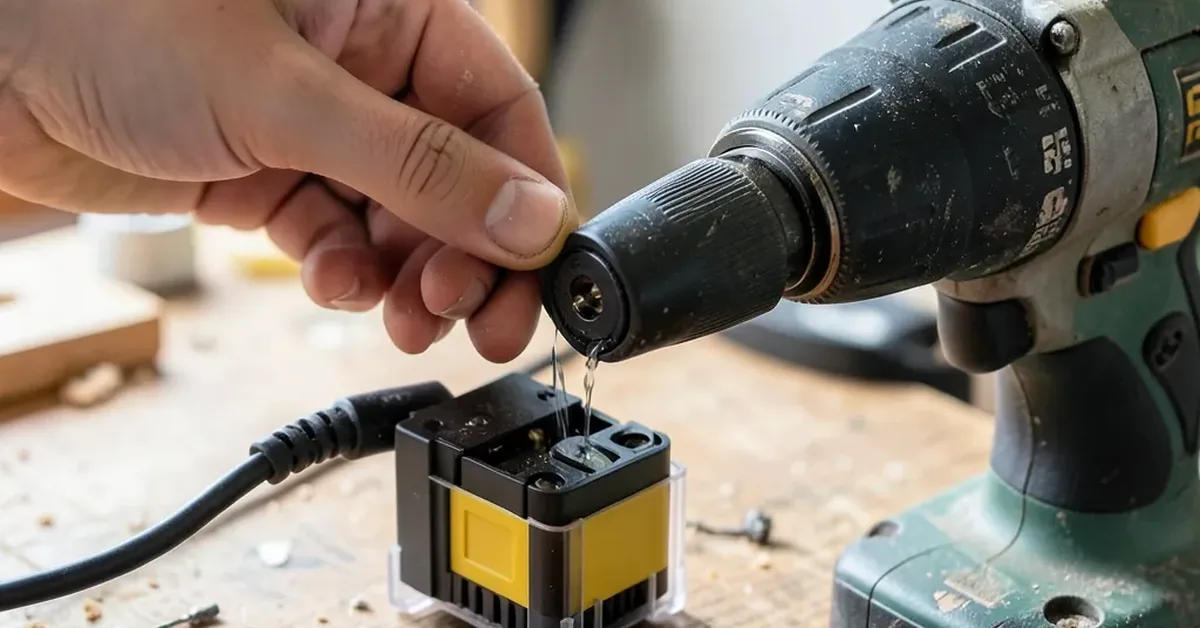
DeWalt 14.4V Battery Adapter: Use 20V MAX Safely in Old Tools
A DeWalt 14.4V battery adapter is a small plastic block that lets a newer 20V MAX slide-pack battery snap onto an older Dewalt tool built for a discontinued 14.4V or 18V NiCad pack — it does not convert voltage between different Dewalt tool platforms on its own. Stick to a 4Ah or smaller 20V MAX battery, since a larger pack can push more current than an old motor and switch were designed to handle. This guide covers how the adapter actually works, when it’s worth it over a straight battery swap, and its real limits.
Quick Answer
A DeWalt 14.4V battery adapter snaps a current 20V MAX (or old 18V XRP) battery onto a tool built for a discontinued 14.4V NiCad pack, so you can keep using a tool whose original battery is no longer sold. Use a 4Ah or smaller battery, never charge through the adapter itself, and expect the tool to run at closer to its original 14.4V power rather than a true 20V boost.
How a DeWalt 14.4V Battery Adapter Works
Best Battery Adapter Pick
DeWalt 20V to 12V/14.4V NiCad Battery Adapter – $21.90
Snaps a current 20V MAX battery onto the old 14.4V/12V NiCad mount described above, so a still-working tool doesn’t get retired just because its original battery is discontinued.
- Best for: Older Dewalt 12V/14.4V NiCad tools with a discontinued battery
- Why we picked it: Purpose-built step-down adapter, not a generic passthrough
- Main drawback: Cannot charge a battery through the adapter — remove it to charge
As an Amazon Associate we earn from qualifying purchases.
Dewalt discontinued 14.4V NiCad battery packs years ago, which left owners of older 14.4V drills, saws, and drivers with no factory battery to buy. A battery adapter solves that by physically bridging the different battery-mount shapes: the adapter’s base matches your old tool’s battery port, while its top accepts a modern 20V MAX (or 18V XRP) slide-pack battery.
Internally, most adapters are a passthrough with basic protection circuitry — not a voltage converter. The tool still receives roughly the battery’s real voltage, so a 20V MAX pack can run an old 14.4V tool noticeably harder and longer than its original battery did, which is exactly why capacity matters more than most buyers expect.
Compatibility
Adapters are sold per battery-mount family, not per tool model — check that the adapter matches your tool’s original battery shape (Dewalt’s older “pod-style” 14.4V/18V NiCad mount) and that its output matches your available battery (20V MAX slide-pack is the most common).
📊 Stick to a 4Ah or smaller 20V MAX battery on an adapted 14.4V tool — a larger, higher-current pack can push more amperage than the tool’s original motor and trigger switch were rated for, shortening the tool’s life or damaging it.
Installing and Using the Adapter
Installation is mechanical, not electronic — there’s no wiring or programming involved.
- Power off the tool and remove any existing battery from the housing.
- Seat the adapter into the tool’s battery port until it clicks or locks fully in place.
- Slide the 20V MAX battery onto the adapter’s top mount the same way it would seat on a modern Dewalt tool.
- Test at low load first — run the tool briefly unloaded before using it on an actual task, to confirm a solid connection.
Safety Guidelines
- Always power off the tool before installing or removing the adapter.
- Use genuine Dewalt batteries — off-brand cells vary in output current and increase the risk of overloading an old switch.
- Never place the adapter or a battery in a charger — an adapter is not a charging path, and Dewalt’s own community forums warn against attempting to charge through it.
- Store batteries in a cool, dry place away from metal objects to prevent short-circuiting.
Adapter vs. Buying a New Tool
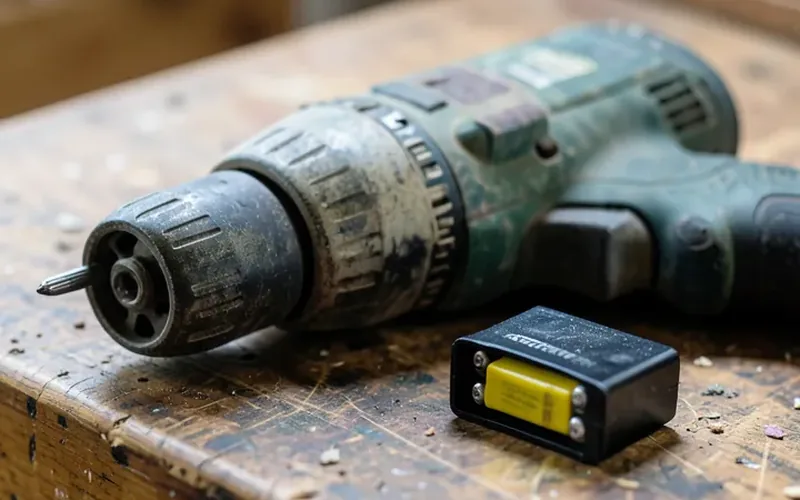
A $15-25 adapter is the obvious choice if the rest of the tool is in good shape and you already own a compatible 20V MAX battery — it’s a fraction of the cost of a replacement drill or driver. It makes less sense if the tool itself is worn out, since you’d be spending money extending the life of a motor and gearbox that may fail anyway. If the tool takes a different pack size entirely, check whether a direct replacement battery is still made before buying an adapter. For general shop tool guides, see the tools hub.
| Situation | Better option |
|---|---|
| Old tool works fine, battery discontinued | Battery adapter |
| Tool motor or gearbox already failing | New tool |
| Need to charge the battery through the tool | New tool (adapters don’t support charging) |
| Only have high-capacity (6Ah+) 20V batteries on hand | New tool, or buy a smaller 4Ah pack for the adapter |
Can I charge a battery while it’s on the adapter?
No. The adapter is a mechanical and electrical passthrough for running the tool, not a charging path — remove the battery and charge it in its own compatible charger.
Will a 20V MAX battery make my old 14.4V tool more powerful?
Somewhat, since the tool receives closer to the battery’s real voltage rather than a stepped-down 14.4V — but the tool’s motor and gearbox were engineered for the lower voltage, so the gain is limited and pushing a large-capacity pack risks premature wear.
What size battery should I use with a Dewalt battery adapter?
Use a 4Ah or smaller 20V MAX pack. Larger batteries (6Ah and up) can supply more current than the tool’s original components were rated for.
Conclusion
A DeWalt 14.4V battery adapter is a cheap way to keep a still-functional old tool running once its original battery is discontinued — as long as you pair it with a 4Ah or smaller 20V MAX pack, never try to charge through it, and accept it as a stopgap rather than a real power upgrade. If you already have a spare battery, an adapter costs far less than replacing a working tool.
Sponsored / affiliate links. As an Amazon Associate I earn from qualifying purchases. I may earn additional commission from eligible campaigns.