12 Types of Woodworking Machines (By Skill Level, Explained)
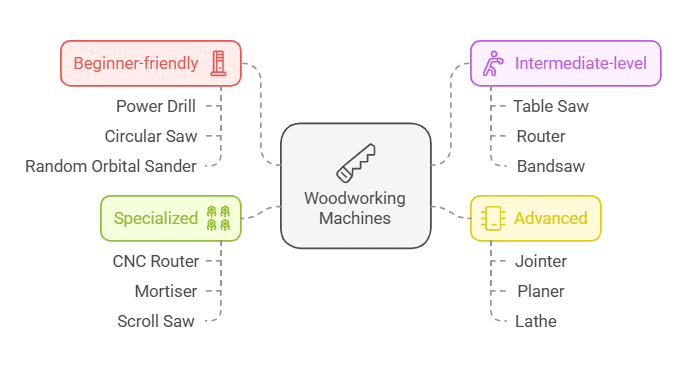
Woodworking machines fall into four skill tiers: beginner (drill, circular saw, orbital sander), intermediate (table saw, router, bandsaw), advanced (jointer, planer, lathe), and specialized (CNC router, mortiser, scroll saw). Buying an advanced machine before mastering basic saw safety is how most of the roughly 26,500 table-saw ER visits the CPSC records each year happen. This guide covers all 12 machines by tier, what each does, and the shop tools and safety gear each tier needs first.
Quick Answer
The 12 most common woodworking machines split into 4 tiers by skill level: Beginner — drill, circular saw, orbital sander; Intermediate — table saw, router, bandsaw; Advanced — jointer, planer, lathe; Specialized — CNC router, mortiser, scroll saw. Start with the beginner tier and add machines as projects demand them.
| Machine | Skill Tier | Best For |
|---|---|---|
| Power Drill | Beginner | Drilling holes, driving screws |
| Circular Saw | Beginner | Straight cuts in sheet goods |
| Random Orbital Sander | Beginner | Swirl-free smoothing |
| Table Saw | Intermediate | Rip cuts, crosscuts, dados |
| Router | Intermediate | Decorative edges, joinery |
| Bandsaw | Intermediate | Curved and irregular cuts |
| Jointer | Advanced | Flattening rough lumber |
| Planer | Advanced | Uniform board thickness |
| Lathe | Advanced | Turning bowls, spindles |
| CNC Router | Specialized | Repeatable, computer-cut designs |
| Mortiser | Specialized | Mortise-and-tenon joints |
| Scroll Saw | Specialized | Fretwork, intricate curves |
1. Beginner-Friendly Woodworking Machines
Best Shop Safety Pick
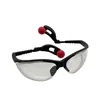
Combo Safety Glasses with Built-In Ear Plugs – $15.99
ANSI Z87.1-rated eye protection with integrated hearing protection in one piece — covers the eye-and-ear gear this guide calls for from the very first beginner-tier machine you pick up.
- Best for: Circular saw, sander, table saw, and router work where flying chips and blade noise are both a risk
- Why we picked it: One product satisfies both the ANSI Z87.1 eye-protection and OSHA 85dB hearing-protection needs this guide covers
- Main drawback: Built-in foam ear plugs aren’t replaceable as easily as standalone earmuffs
As an Amazon Associate we earn from qualifying purchases.
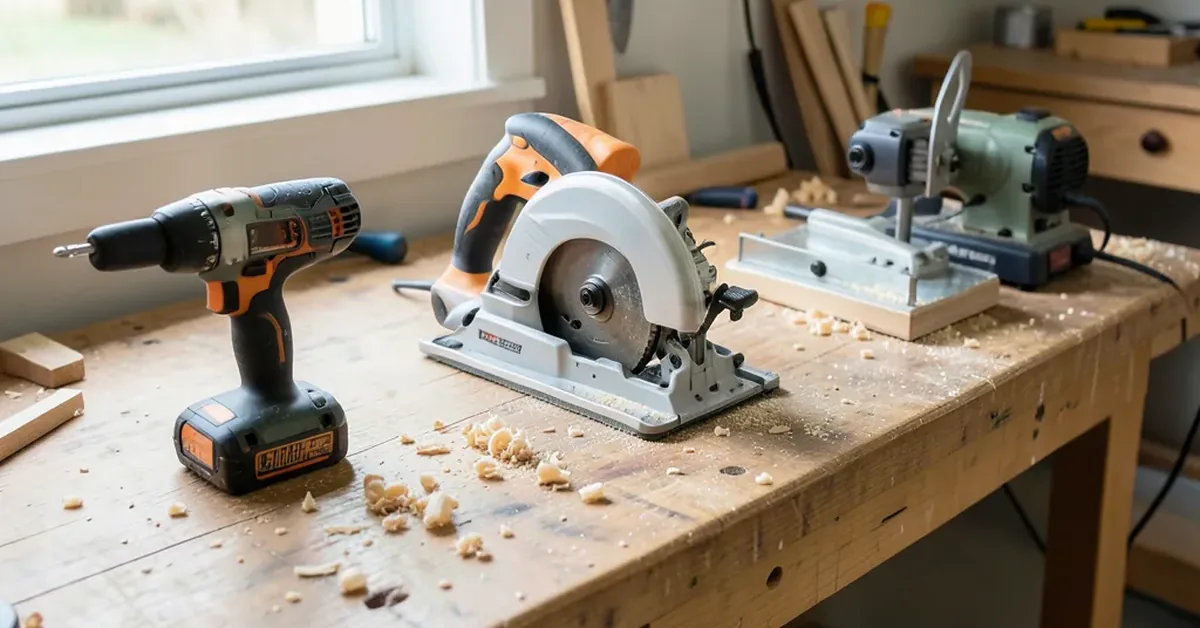
If you’re new to woodworking, start with tools built for simplicity and control. These three cover most early projects: the power drill, circular saw, and random orbital sander.
1.1 Power Drill
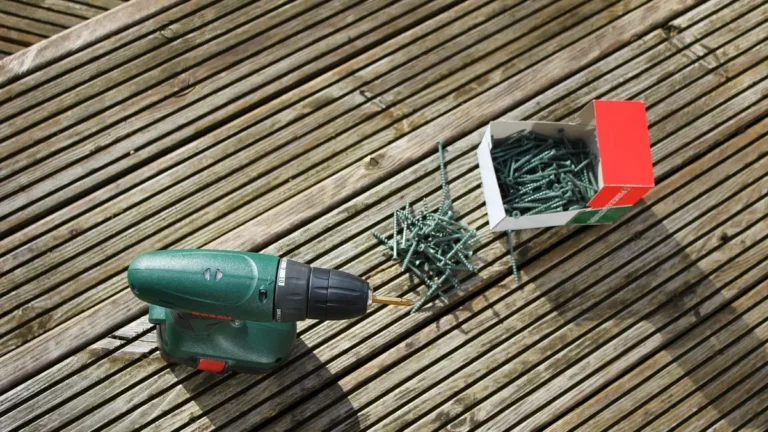
The power drill is a versatile tool that no woodworking enthusiast should be without. It is ideal for drilling holes, driving screws, and even sanding and polishing surfaces when fitted with the appropriate attachments. With its adjustable speed settings and easy-to-use ergonomic design, the power drill allows beginners to handle a wide range of projects with precision and control.
1.2 Circular Saw
The circular saw is a must-have woodworking machine for any beginner looking to make straight cuts in wood. Its compact size and powerful cutting capabilities make it suitable for a variety of projects, from cutting boards to building furniture. Equipped with safety features such as blade guards and easy depth adjustments, the circular saw ensures that beginners can work confidently and safely.
1.3 Random Orbital Sander
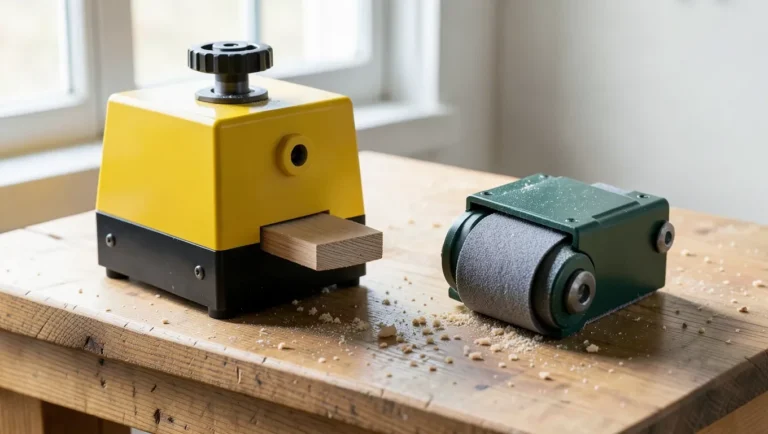
The random orbital sander is an essential machine for achieving smooth and professional-looking finishes. Unlike traditional sanders, the random orbital sander moves in both a rotary and orbital motion, reducing the risk of leaving visible sanding marks on the surface of the wood. Its lightweight design and ergonomic grip make it easy for beginners to handle, allowing them to achieve desired results without much effort.
Even beginner-tier machines throw wood chips and generate real noise — a circular saw and a random orbital sander both call for eye and ear protection every time they’re running.
2. Intermediate-Level Woodworking Machines
Once you have gained some experience, step up to intermediate machines. These offer more versatility than beginner tools and let you tackle more complex projects.
2.1 Table Saw
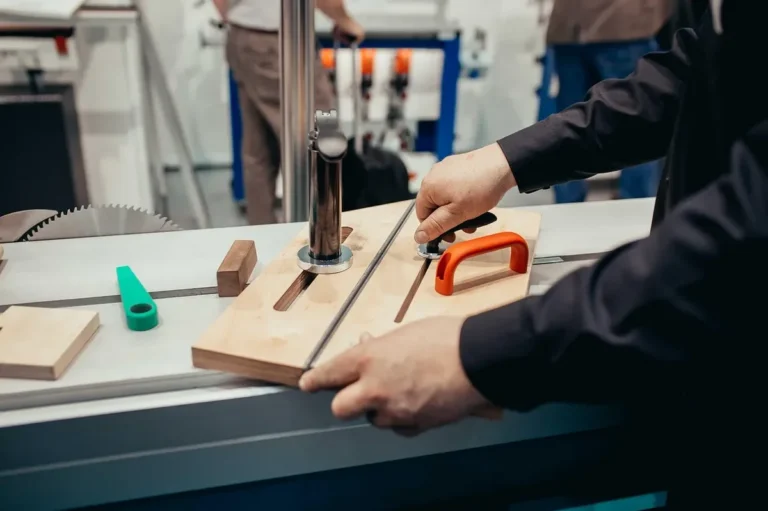
The table saw is an essential woodworking machine for intermediate-level woodworkers. It features a circular blade mounted on an arbor, designed to make precision cuts in wood. The table saw’s large, flat surface provides a stable platform for cutting larger pieces of wood with accuracy.
With a table saw, you can make rip cuts, crosscuts, and miter cuts. It’s also commonly used for cutting dados and grooves. Some table saws add a tilting arbor for bevel cuts and a sliding table for larger panels.
Table saws are the single most dangerous stationary machine in a home shop, and PPE is non-negotiable here — always wear ANSI-rated safety glasses, use push sticks or featherboards to keep your fingers away from the blade, and follow the manufacturer’s guard instructions.
2.2 Router
The router is another indispensable woodworking machine. It’s a handheld or table-mounted tool with a rotating bit, used to hollow out an area of a piece of wood — mainly for decorative edges and joints.
With different router bits, you can produce dado cuts, rabbet cuts, chamfers, and fluting, on both straight and curved work. Keep the router base flat against the wood and move it smoothly in the correct feed direction to avoid tear-out.
2.3 Bandsaw
The bandsaw uses a continuous toothed band, mounted on two large wheels, to make cuts in wood. It’s particularly useful for curved cuts, irregular shapes, and intricate designs that are difficult on other machines.
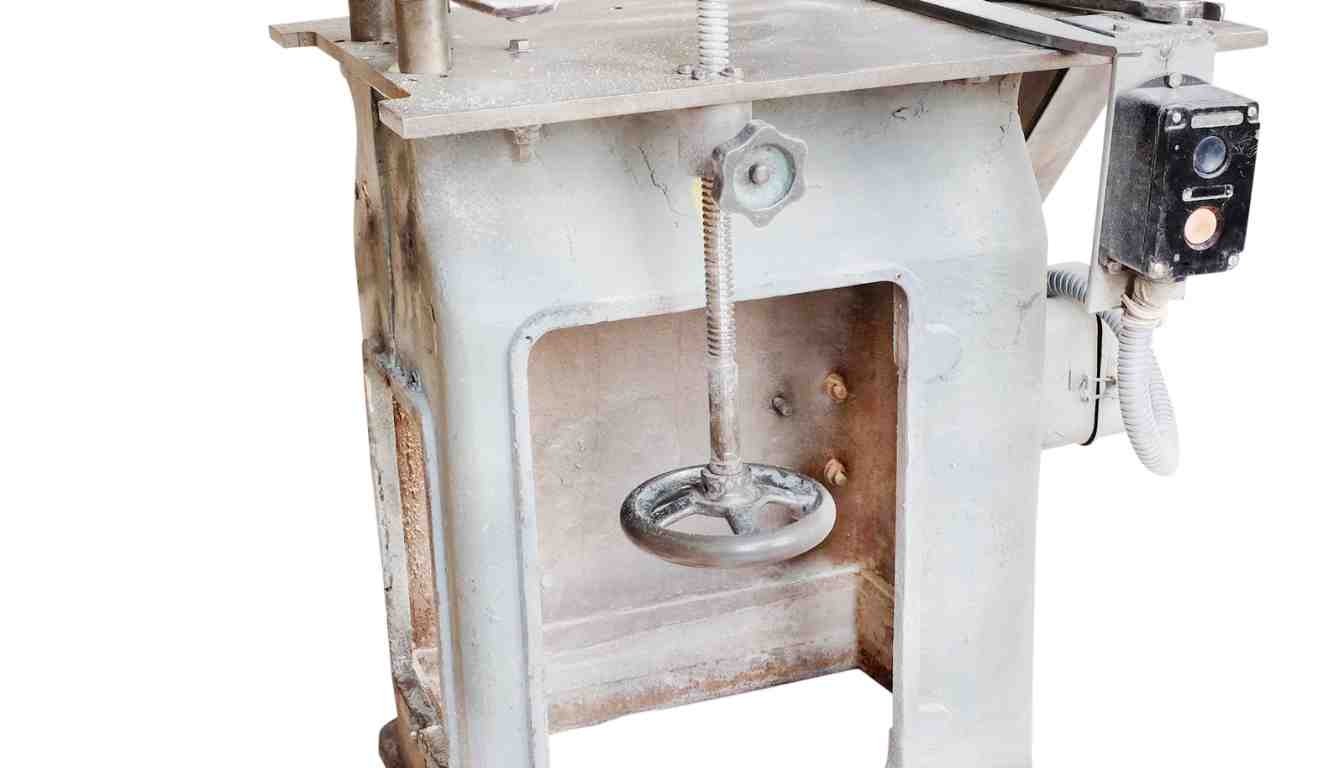
A bandsaw resaws thick lumber into thinner pieces and cuts tighter-radius curves than a table saw or circular saw can manage. Maintain proper blade tension and pick the right blade width for the cut radius you need.
3. Advanced Woodworking Machines
Advanced machines add efficiency, accuracy, and productivity once basic joinery and cutting are second nature. Three belong on every serious woodworker’s list: the jointer, planer, and lathe.
3.1 Jointer
The jointer straightens and flattens rough lumber. Its rotating cutterhead and infeed/outfeed tables remove twists, warps, and bows from boards — turning irregular stock into perfectly flat, squared material for furniture and cabinetry.
3.2 Planer
The planer complements the jointer by refining lumber thickness to a consistent dimension. As timber feeds through, the rotating cutterhead shaves off precise amounts of wood, producing a uniformly thick, smooth board ready for seamless joinery.
3.3 Lathe
The lathe spins wood against a cutting tool to shape bowls, vases, and spindles. It’s the machine that adds turned, rotational detail no flat-cutting tool can replicate.
In summary, the jointer, planer, and lathe elevate the precision of a project — flattening stock, holding consistent dimensions, and opening up turned, artistic shapes that flat-cutting machines can’t produce.
📊 An estimated 26,500 table-saw blade-contact injuries were treated in U.S. emergency departments in 2017 — Source: U.S. Consumer Product Safety Commission
“Employers must provide hearing protectors to any worker exposed to an 8-hour time-weighted average of 85 decibels or more” — most stationary woodworking machines, including table saws, planers, and jointers, routinely exceed that threshold.
4. Specialized Woodworking Machines
Specialized machines handle tasks precision-driven projects demand. This section covers three: the CNC router, mortiser, and scroll saw.
4.1 CNC Router
A CNC router is a computer-controlled cutting machine widely used in the woodworking industry. It removes material via a rotating cutting tool guided by a computer program, letting woodworkers repeat intricate designs and detailed patterns with consistent precision.
4.2 Mortiser
A mortiser cuts rectangular or square holes — mortises — in wooden workpieces, most often for furniture and cabinetry joints. A chisel-like mortising bit, powered by a motor, is guided into the secured workpiece, simplifying mortise-and-tenon joinery that would otherwise take much longer by hand.
4.3 Scroll Saw
A scroll saw is built for intricate, detailed cutting. Its thin, reciprocating blade moves up and down rapidly, producing precise cuts and curves in thin wood, plastic, or metal — ideal for fretwork and decorative scrollwork.
How many types of woodworking machines are there?
There’s no single fixed count — this guide covers the 12 machines a home woodworker is most likely to actually own, split into 4 skill tiers. Commercial shops add more (panel saws, wide-belt sanders, tenoners) that most hobbyists never need.
What is the safest first woodworking machine to buy?
A cordless drill is the safest starting machine — it has no exposed continuous blade and moderate torque. A circular saw is the next step once you’re comfortable following a cut line and using a blade guard correctly.
Is a table saw or a bandsaw safer for beginners?
A bandsaw is generally safer for beginners. Its blade only exposes a short section between the table and the upper guide, and it has far less kickback risk than a table saw, which is why most safety curricula introduce the bandsaw before the table saw.
Do I need a jointer if I already have a planer?
Yes, if you work with rough lumber. A planer only makes a board a consistent thickness — it won’t flatten a warped or twisted board first. A jointer flattens one face and squares one edge; without it, a planer just produces a uniformly thick board that’s still warped.
Conclusion
Understanding these 12 machines by skill tier — rather than as one undifferentiated list — makes it easier to buy in the right order: master the beginner tier’s drill, circular saw, and sander before investing in a table saw or bandsaw, then move to jointer/planer/lathe territory once flat, square stock actually matters for your projects.
Sponsored / affiliate links. As an Amazon Associate I earn from qualifying purchases. I may earn additional commission from eligible campaigns.