9 Easy Wood Burning Flower Patterns for Beginners (Free Guide)
Basswood or birch plywood, burned at 400-600°F, gives beginners the cleanest flower outlines — hardwoods and pine both fight back with grain tear-out and heavy sap smoke. Rushing the heat before your outline is set is the single fastest way to blow out a petal’s fine vein lines. This guide covers nine beginner-friendly flower patterns, the exact temperature range for outlining versus shading, and which wood-burning tip shapes actually work for petals.
Insert your Affiliate Disclosure reusable block here
What Is Wood Burning (Pyrography)?
Best Wood Burning Kit Pick
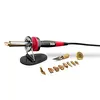
Weller Genuine 15 Piece Woodburning Kit – $23.98
A stay-cool handle and a heat deflector make long petal-shading sessions easier on your hand — the kind of session this guide’s shading steps actually require.
- Best for: First-time buyers who want a trusted brand and a complete tip set in one box
- Why we picked it: Includes both branding and woodburning tips, so you can practice petal outlines and shading without buying separate tips
- Main drawback: Fixed 25W element — no adjustable temperature dial, so heat control comes from stroke speed and pressure instead
Compare more wood burning kit options
 Option 1 60W Adjustable-Temp Kit, 33 Tips – $27.99
|
 Option 2 40pc Beginner Kit with Stencils – $45.00
|
 Option 3 West Bay 95pc Kit with Case – $25.99
|
As an Amazon Associate we earn from qualifying purchases.
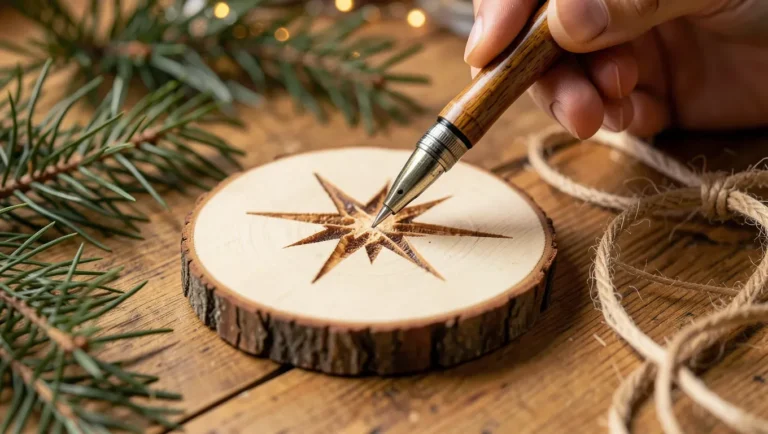
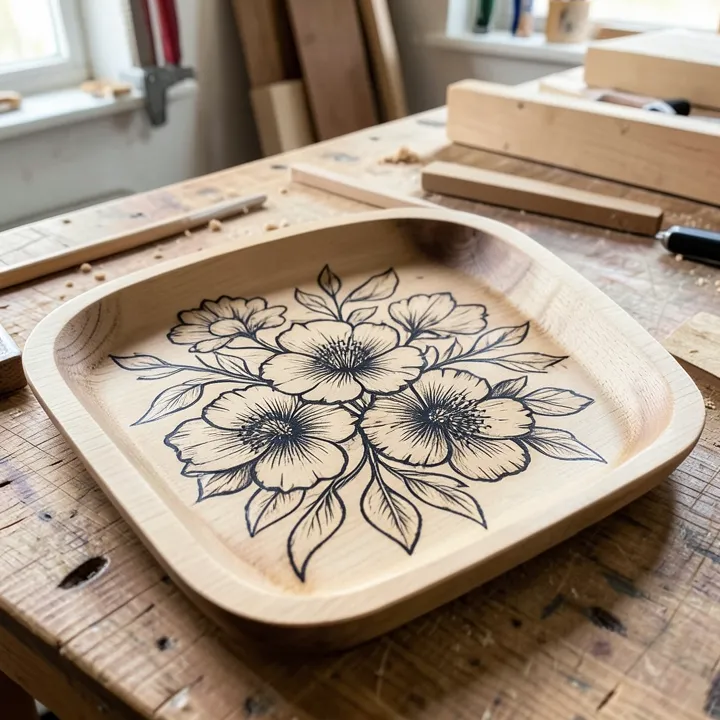
Pyrography is a decorative art form that uses a heated metal tip to darken and texture wood fiber, creating permanent line work, shading, and pattern detail without paint or ink. The depth of the burn — and therefore the shade of brown — is controlled entirely by tip temperature, stroke speed, and how long the tip stays in contact with the wood. Flowers are one of the most popular pyrography subjects because petals, veins, and shading all showcase the technique’s range in a single small design.
Essential Tools and Wood for Beginners
The right combination of wood and tool tip matters more for flowers than almost any other subject, since petal edges and vein lines are unforgiving of grain tear-out or an unstable heat. A basic adjustable-temperature wood burning kit with two or three interchangeable tips is enough to start — you do not need a professional multi-pen station for your first flower.
Choosing the Right Wood
| Wood | Best For | Watch Out For |
|---|---|---|
| Basswood | Fine petal detail, even shading, beginners | Slightly soft — avoid pressing too hard |
| Birch (solid or plywood) | Light, near-grainless background for bold outlines | Harder than basswood — needs more heat or a slower stroke; avoid burning exposed plywood glue edges |
| Pine | Cheap practice boards for outline drills | High sap content gunks up tips and burns unevenly across grain rings — not ideal for detailed shading |
Which Tip Shape for Which Part of the Flower
- Writing/ball tip — fine outlines, petal edges, and lettering on gift pieces
- Shading tip (flat or angled) — glides across the petal surface for smooth gradient shading
- Spear/spear-shader tip — crisp “pull strokes” down the center of a petal for veining and a ruffled, curved look
- Calligraphy tip — thin, controlled lines for stems and fine leaf veining
See our full breakdown of the best wood burning pens for pyrography projects if you’re deciding between a single-temperature starter pen and an adjustable-temperature kit.
📊 Softwood outlining runs 400-600°F, and fine detail work drops to 400-500°F — going hotter than that on basswood before your outline is set is the most common reason a beginner’s first petal comes out ragged. Source: Woodworking Advisor, wood burning pen temperature guide
Basic Techniques to Master
Every flower design breaks down into three repeatable steps: prepare the surface, transfer the outline, then burn from light to dark. Master these on scrap basswood before committing to a finished piece.
Preparing the Wood Surface
- Sand the wood surface smooth with fine-grit sandpaper, working in the direction of the grain
- Wipe down the surface with a dry or barely-damp cloth to remove sanding dust
- Let the wood dry completely before you start burning — any residual moisture causes uneven, hissing burns
Transferring Your Design
Draw or print your flower pattern, then transfer it with carbon/graphite paper: place the transfer paper carbon-side-down on the wood, lay your design on top, and trace the lines with a pencil to leave a faint outline underneath. A light box works the same way for thinner wood.
Shading and Texturing
- Use a shading tip for darker areas on the petals and a writing tip for fine detail lines
- Vary the pressure and dwell time on the tool to create different shades of brown — more contact time means darker
- Use a light circular motion, not a single hard pass, to build texture on petals and leaves without gouging the wood
Step-by-Step Guide to a Simple Flower
This five-step process works for any simple 5-petal flower — the easiest starting shape for a first pyrography project.
- Sketch the outline: Draw or trace a basic 5-petal flower shape onto the wood surface with a pencil.
- Set a low-to-medium heat: Start your burner around 400°F on basswood — low enough that a slow test stroke on scrap wood produces a light tan line, not a dark brown one.
- Burn the petal outlines: Trace each petal’s edge slowly and evenly with a writing or ball tip, keeping stroke speed consistent so the line color stays uniform.
- Add shading: Switch to a shading tip and raise the heat slightly, then work from the petal’s outer edge inward with light circular strokes to build gradient depth.
- Detail the center and veins: Use a fine writing or calligraphy tip at a lower heat to add center texture and thin vein lines down each petal.
9 Easy Wood Burning Flower Patterns to Try
Once you’re comfortable with a basic 5-petal flower, these nine patterns give you a clear progression from beginner to advanced — each one built from the same outline-then-shade technique above.
- Daisy (beginner) — simple elongated petals radiating from a round, textured center; the easiest pattern for practicing even outline strokes.
- Simple 5-petal flower (beginner) — the shape used in the step-by-step guide above; good for testing heat settings on scrap wood first.
- Tulip (beginner) — three to four overlapping curved petals; teaches layered outlines without needing shading yet.
- Sunflower (beginner-intermediate) — long pointed petals around a densely stippled or cross-hatched center disc; good practice for texture variation.
- Morning glory (intermediate) — a trumpet-shaped bloom that relies on radial shading lines fanning out from the throat of the flower.
- Poppy (intermediate) — ruffled, thin petals with a dark center; a good pattern for practicing the spear-tip “pull stroke” for ruffled edges.
- Water lily (intermediate) — layered pointed petals in a spiral arrangement; teaches you to shade multiple overlapping layers without flattening the design.
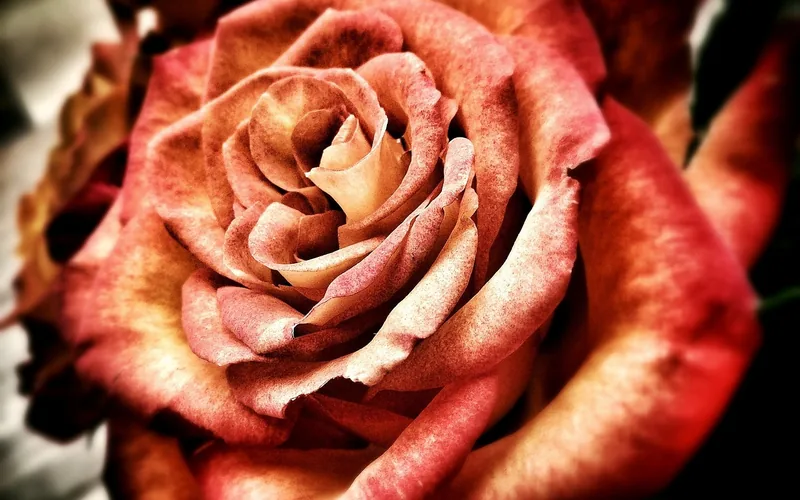
- Complex rose (advanced) — spiraling, overlapping petals with deep shadow gradients between layers; the most shading-intensive pattern on this list.
- Wildflower meadow spray (advanced) — a mixed cluster of smaller blooms, stems, and leaves; ties together every technique above into one composition.
For ready-to-trace outlines instead of drawing freehand, our free wood burning stencil patterns for beginners include several floral designs sized for direct transfer.
Creating a Bouquet of Flowers
Combining several of the patterns above into one bouquet composition adds depth without requiring any new technique — just careful layout.
Arranging Multiple Flowers
Position flowers of different sizes and shapes to mimic a natural arrangement — pair one or two bold blooms (a rose or sunflower) with smaller, delicate ones (daisies or wildflowers) to avoid a flat, evenly-spaced look. Leaves and stems fill the gaps between blooms and tie the composition together.
Incorporating Leaves and Stems
Burn thin, slightly curved lines for stems and use a fine tip for pointed leaf shapes. Vary leaf size and angle so they read as growing naturally rather than being mirrored copies of each other.
Enhancing With Background Textures
A light stippled or cross-hatched background texture around the bouquet adds depth without competing with the flowers. Keep background shading noticeably lighter than your darkest petal shadows, or the flowers will lose contrast.
Finishing Touches for Your Artwork
Sanding and Sealing
Let the piece cool completely, then lightly sand with fine-grit sandpaper to remove any raised grain without scratching the burn lines. Wipe away dust, then seal with a clear polyurethane spray or a wax finish to protect the design and deepen the wood tone slightly.
Framing and Displaying
Use acid-free matting and UV-filtering glass if framing, and keep the piece out of direct sunlight and high humidity to prevent fading and warping over time.
Tips, Tricks, and Common Challenges
Maintaining Your Equipment
- Keep tips clean and free of dust and burnt residue between sessions
- Store your burner in a dry, cool place
- Replace worn or bent tips rather than fighting an uneven burn
- Always unplug the tool after use
Overcoming Common Challenges
| Challenge | How to Overcome It |
|---|---|
| Uneven petal lines | Practice on scrap wood at your target temperature until stroke speed feels consistent |
| Burned or blackened tips | Lower the temperature or reduce how long the tip stays in one spot — a tip that’s too hot chars instead of shading |
| Smudged shading | Use a lighter touch and avoid dragging the tip back over an area you already burned |
| Heavy sap buildup on the tip | Switch off pine for detail work — basswood and birch produce far less residue |
As pyrography pattern author Lora S. Irish teaches in her shading tutorials, build petal shading gradually — start at a lower heat for the first pass, increase temperature only for the deepest values, and keep accent lines at a lower heat throughout so they don’t blow out into flat, dark strokes.
Work in a well-ventilated space when burning for extended periods — OSHA’s general ventilation standard for operations that generate smoke or fumes (29 CFR 1910.252) calls for continuous exhaust ventilation, a good practical baseline even at hobby scale: crack a window or run a small fan behind you to direct smoke away from your face.
Finding Inspiration for New Designs
- Photograph or search real flowers rather than working only from stylized clip-art — petal overlap and shading read more naturally.
- Browse existing pattern collections online and on social media for composition ideas.
- Practice new designs on paper before transferring them to wood.
- Once a pattern feels comfortable, try it in a different style — see our mountain wood burning patterns guide for a completely different subject that uses the same shading skills.
Flowers pair well with lettering for gift pieces too — see our guide to wood burning letters and numbers if you want to add a name or date alongside a floral design.
Frequently Asked Questions
What temperature should I use for wood burning flower designs?
On basswood or other softwoods, outline at roughly 400-600°F and drop to 400-500°F for fine detail and veining. Increase heat gradually only for shading passes — starting too hot on the outline is the most common cause of ragged petal edges.
What’s the best wood for wood burning flower designs?
Basswood is the standard beginner recommendation for floral detail work because of its fine, even grain. Birch is a solid second choice for a light, near-grainless background. Pine is workable for practice but its high sap content gunks up tips and burns unevenly, making it a poor choice for detailed shading.
Can you wood burn on pine or plywood?
Yes, but with caveats. Pine’s sap causes fume and tip-gunking issues, so white pine burns more smoothly than yellow pine. Birch plywood works for flower projects, but avoid burning exposed edges where glue layers are visible, since low-grade plywood adhesive can smoke and smell unpleasant when burned.
What tools do I need for wood burning flower designs?
A wood burning pen with at least a writing tip and a shading tip covers most flower patterns. Add a pencil for sketching, carbon paper for transferring your design, sandpaper for surface prep, and a protective mask or well-ventilated space for safety.
How do I transfer a flower pattern onto wood?
Place carbon or graphite transfer paper carbon-side-down on the sanded wood, lay your printed or drawn design on top, and trace the outlines firmly with a pencil. Lifting the papers should leave a faint, ready-to-burn outline underneath. A light box works the same way on thinner wood.
How do I choose the right flower design for my skill level?
Start with a daisy or simple 5-petal flower to practice even outline strokes before adding shading. Move to a tulip or sunflower once outlines feel consistent, then progress to a rose, poppy, or water lily once you’re comfortable layering shaded petals.
How do I seal and finish a wood burning flower design?
Let the piece cool fully, sand lightly with fine-grit paper to remove raised grain, wipe away dust, then apply a clear polyurethane spray or wax finish. Both protect the burn lines from handling wear and slightly deepen the wood’s natural tone.
Conclusion
Wood burning flower designs come down to three repeatable skills: a clean transferred outline, heat control between outlining and shading, and the patience to build petal depth in light layers rather than one heavy pass. Start with a daisy or simple 5-petal flower on basswood scrap, then work through the patterns above as your outline and shading control improves.
Sponsored / affiliate links. As an Amazon Associate I earn from qualifying purchases. I may earn additional commission from eligible campaigns.