How to Get Spray Paint Off Your Hands: 7 Ways (Fresh or Dried)
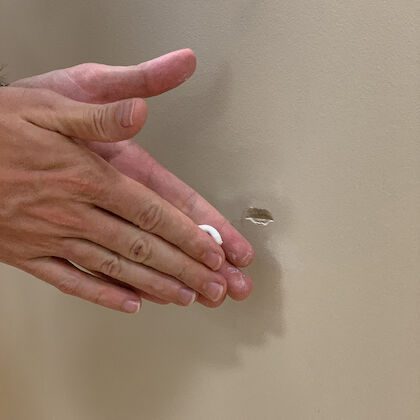
Warm water and dish soap lift fresh spray paint off hands in under a minute, but paint left to dry needs oil, acetone, or a baking soda scrub to break its grip first. Skipping that step and scrubbing dry paint with soap alone can chap skin without removing any color. This guide covers fast removal for wet paint, the solvent methods that work once paint has dried, and gentler options safe for kids.
Does the Type of Spray Paint Matter?
Best Spray Paint Prevention & Cleanup Pick
TitanFlex Disposable Nitrile Exam Gloves, Large 100-ct – $14.99
6-mil nitrile gloves fit snug enough to keep spray paint off skin entirely — exactly the barrier method this guide’s prevention section recommends before you ever pick up the can.
- Best for: Preventing spray paint from touching skin during the job
- Why we picked it: 6-mil thickness and a snug fit match the glove-fit advice above
- Main drawback: 100-count box is more than most DIYers need for one project
Compare more prevention and cleanup options
 Option 1 FifthPulse Nitrile Gloves, 50-ct – $6.99
|
 Option 2 Proferred Hand & Tool Wipes, 82-ct – $20.06
|
 Option 3 OEMTOOLS 4L Hand Cleaner Refill – $52.99
|
As an Amazon Associate we earn from qualifying purchases.
Spray paint is an aerosol coating that comes in two chemistries that behave very differently on skin: water-based (acrylic or latex) and oil-based (enamel or lacquer). Water-based spray paint is thinner and starts lifting with plain soap and water even after it dries. Oil-based spray paint bonds harder and almost always needs an oil, acetone, or a mechanical scrub like baking soda to come off once it has set.
| Paint Type | Fresh (Still Wet) | Dried or Cured |
|---|---|---|
| Water-based (acrylic/latex) | Soap and warm water | Soap and water, or a baking soda paste for stubborn spots |
| Oil-based (enamel/lacquer) | Dish soap plus a little oil | Acetone, non-acetone nail polish remover, or an oil soak |
Most craft and hobby spray paints sold for furniture, fences, and DIY projects are water-based, which is why soap and water is the first thing to try before reaching for a solvent. Check the can’s label if you’re not sure — it will list the paint as either water-based/acrylic or oil-based/alkyd.
Preventing Spray Paint Stains Before They Happen
A few seconds of prep before you shake the can saves several minutes of scrubbing afterward. Two low-cost options cover most situations.
Wearing the Right Gloves
Nitrile or latex gloves stop paint from reaching skin at all, which is easier than removing it afterward. Choose gloves that fit snugly through the fingers — a loose glove lets overspray settle underneath it, which defeats the purpose.
Coating Skin With Petroleum Jelly
Without gloves on hand, a layer of petroleum jelly on palms, fingers, and the backs of your hands works as a barrier — paint sits on top of the jelly instead of bonding to skin, then wipes off with a paper towel once you’re done.
How to Remove Fresh Spray Paint From Hands
Paint that’s still wet comes off far easier than paint that’s had time to set, so act as soon as you notice it on your skin.
Soap and Water First
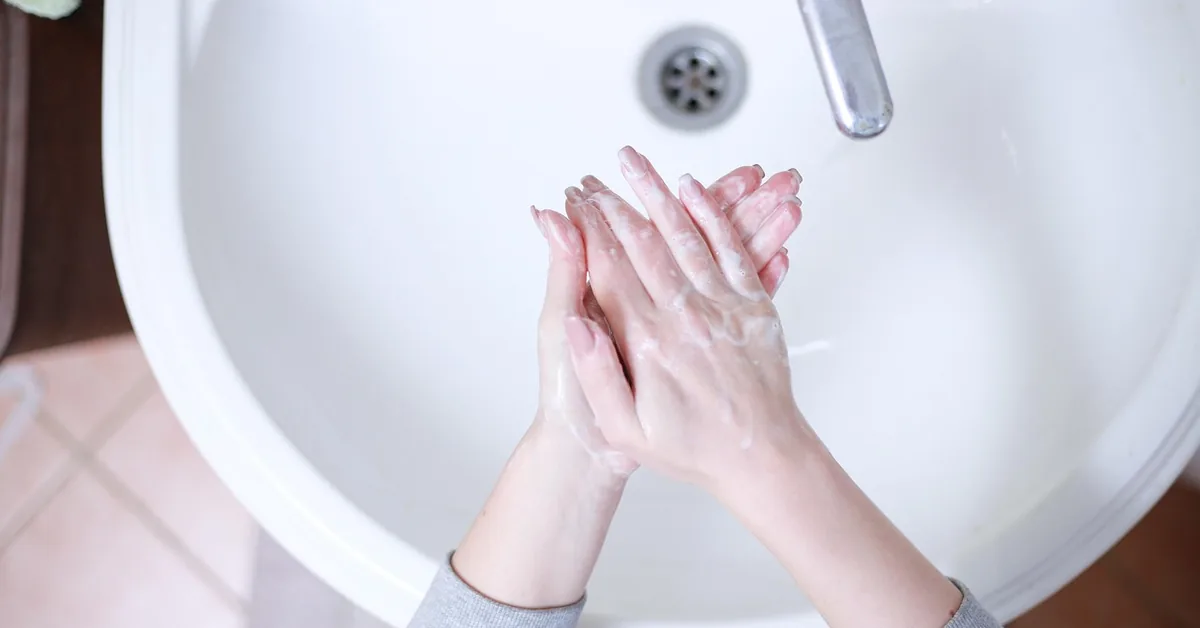
Warm soapy water is the first thing to try, and it’s usually enough for water-based paint that hasn’t dried yet.
- Wet your hands with warm water.
- Apply a generous amount of dish soap or hand soap.
- Rub hands together for about 30 seconds, working the lather into every stained area.
- Rinse thoroughly with warm water.
- Dry with a clean towel and check for remaining color before repeating.
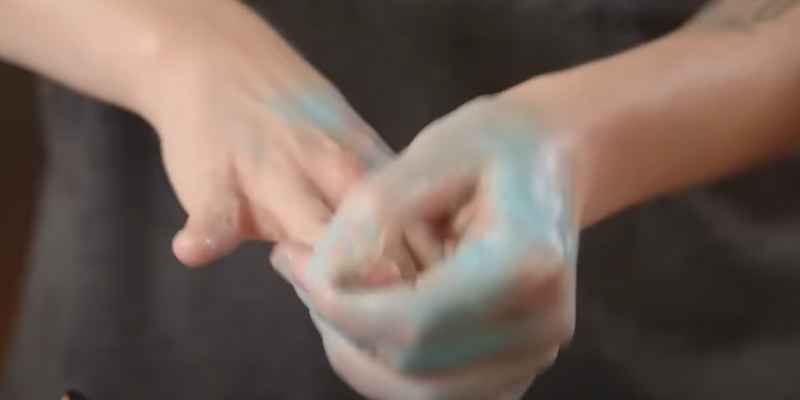
Rubbing Alcohol for Stubborn Fresh Paint
If soap and water leaves color behind, rubbing alcohol dissolves paint particles that plain water can’t budge.
- Apply rubbing alcohol to a cotton ball or cloth.
- Gently rub the stained areas until the paint starts to lift, usually within 30 to 60 seconds.
- Repeat on any remaining spots.
- Wash with soap and water afterward to clear away alcohol residue.
Act quickly — the sooner you address a fresh stain, the less likely it is to need a stronger solvent later.
How to Get Dried Spray Paint Off Your Hands
Once spray paint has dried, soap and water alone usually isn’t enough — the two methods below use either a solvent or gentle abrasion to break the bond.
Acetone or Non-Acetone Nail Polish Remover
- Pour a small amount of acetone or nail polish remover onto a cotton ball.
- Rub the stained area in a circular motion until the paint starts to dissolve, typically 30 to 90 seconds.
- Rinse with warm water and mild soap to remove any remaining residue.
Acetone and nail polish remover dry out skin, so moisturize afterward and patch-test a small area first if you have sensitive skin.
“Dermatologists recommend applying moisturizer to hands while they’re still slightly damp, right after washing — this locks in moisture that solvent-based cleaners like rubbing alcohol or acetone strip away.”
Baking Soda Paste for a Gentler Option
- Mix equal parts baking soda and water into a thick paste.
- Rub the paste onto stained areas using small circular motions.
- Let it sit for 3 to 5 minutes so the paste can work into the dried paint.
- Rinse with warm water and mild soap.
Baking soda’s mild abrasiveness lifts paint without the drying effect of acetone, making it a reasonable first try before reaching for a solvent.
📊 Skin can absorb acetone on contact, raising blood and urinary acetone levels with repeated exposure. — Source: CDC NIOSH, Immediately Dangerous to Life or Health (IDLH) documentation
Gentler Alternatives for Sensitive Skin
Kids’ skin and anyone prone to irritation are better off skipping alcohol and acetone in favor of these two options.
Olive or Vegetable Oil
- Apply a small amount of olive or vegetable oil to the stained skin.
- Let it sit for 2 to 3 minutes so the oil can soften the paint.
- Gently scrub with a soft cloth in circular motions.
- Rinse with warm water and pat dry.
Oil breaks down the paint while also moisturizing skin, so there’s no follow-up drying effect to manage.
Toothpaste for Light Residue
- Squeeze a small amount of toothpaste onto the stained area.
- Rub in with fingers or a soft toothbrush for one to two minutes.
- Rinse thoroughly with warm water.
Toothpaste’s mild abrasives work on light residue but won’t touch a fully dried, thick coat — save it for the last traces after another method.
For paint that’s landed somewhere other than skin, see our guide on getting polyurethane off hands and skin, or check removing regular paint from hands without paint thinner if the culprit was a brush-on paint instead of a spray can. Primer stains like Kilz have their own removal quirks, covered in our Kilz-off-skin guide. For more on painting wood surfaces the right way, visit our wood painting hub.
Frequently Asked Questions
Does Acetone or Nail Polish Remover Work on Spray Paint?
Yes. Acetone and nail polish remover dissolve dried spray paint within a minute or two of rubbing, making them one of the fastest options for cured paint. The tradeoff is dry skin afterward, so moisturize once the paint is gone and avoid using acetone on broken or irritated skin.
Is It Safe to Use Rubbing Alcohol or Acetone on a Child’s Skin?
No, not as a first choice. Children’s skin is thinner and more prone to irritation from solvents. Start with soap and water, then move to olive oil or a baking soda paste if paint remains — both work without the drying, irritating effect of alcohol or acetone.
Why Won’t the Paint Come Off Even After Scrubbing?
Paint that’s fully cured has worked its way into the fine lines and pores of the skin, not just the surface. Scrubbing dry with soap alone can’t reach that layer. Switch to an oil soak or acetone to break the bond chemically before scrubbing again — mechanical force without a solvent or oil just irritates skin without lifting more paint.
Does Spray Paint Wash Off Skin on Its Own Over Time?
Water-based spray paint often fades and flakes off within a few days as skin cells naturally shed. Oil-based or enamel spray paint sticks around longer and usually needs active removal with oil, acetone, or a scrub rather than waiting it out.
Conclusion
Fresh spray paint comes off with soap and water in under a minute. Once it’s dried, reach for acetone or nail polish remover for the fastest result, or a baking soda paste and oil-based methods if you want to avoid drying out your skin. Gloves or petroleum jelly beforehand save you the whole process next time.
Sponsored / affiliate links. As an Amazon Associate I earn from qualifying purchases. I may earn additional commission from eligible campaigns.