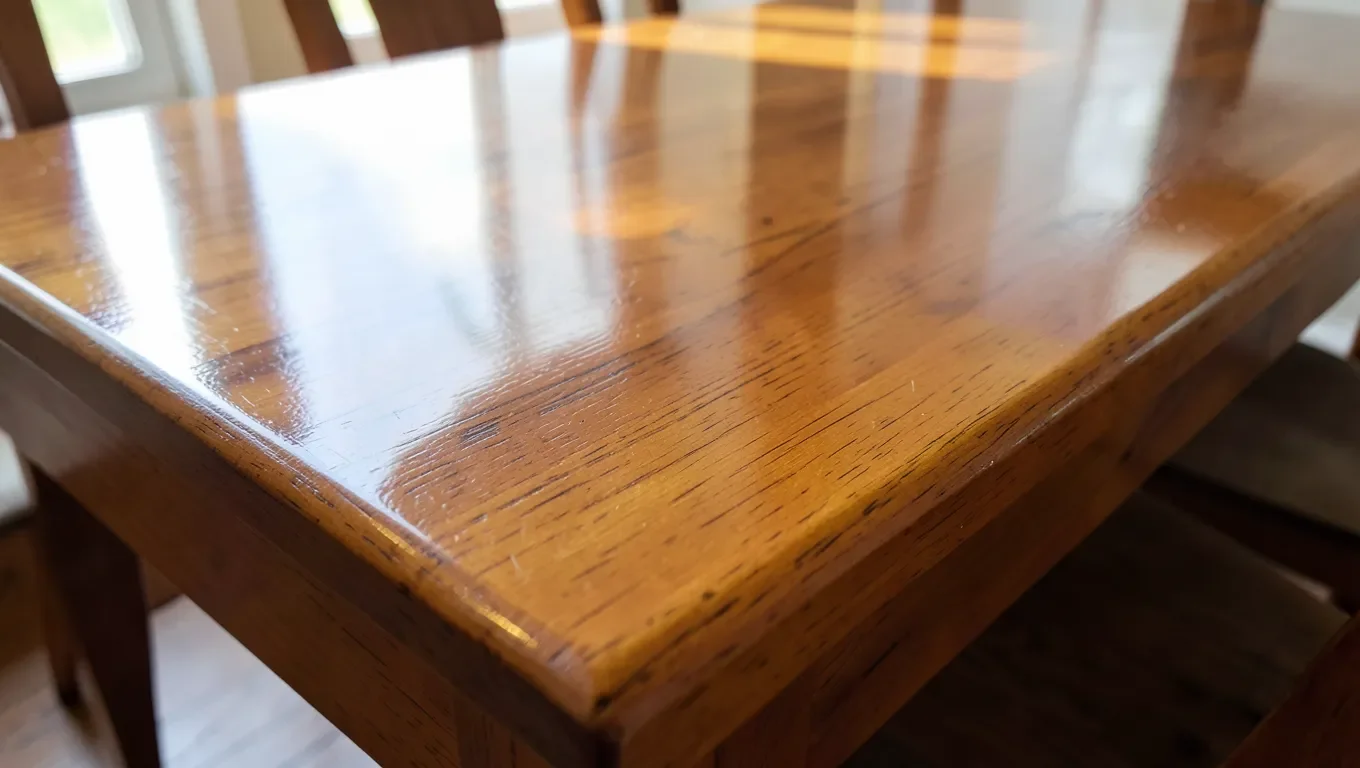
How Long After Polyurethane Can You Use a Table? Dry vs. Cure Time
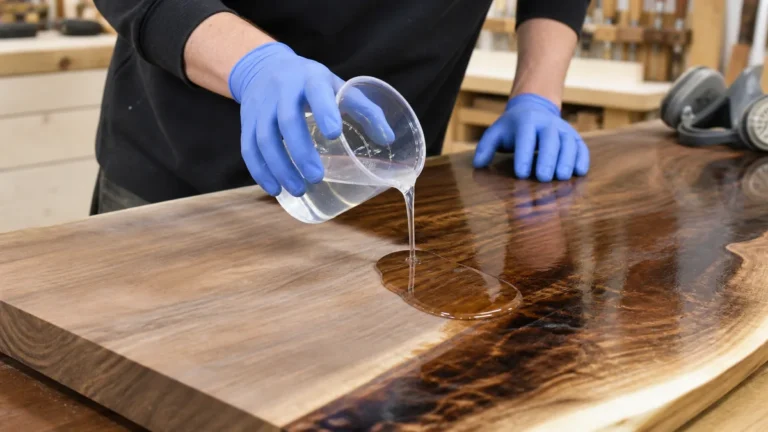
A polyurethane-finished table is dry to the touch in about 24 hours, but that is not the same as being ready for daily use. Light use is generally safe after 3 to 4 days on an oil-based finish (48 to 72 hours on a water-based one), and the finish is not fully cured, hardened enough to resist hot mugs, dragged plates, and pressed-on objects, until 14 to 30 days after the last coat.
Most articles on this topic repeat the same “wait 24 hours” advice without separating what “dry” actually means from what “cured” means, and they rarely say what changes if your finish is water-based instead of oil-based. Those two numbers are not close, water-based polyurethane can be safe for careful use in half the time an oil-based finish needs, but it also often needs longer to reach full hardness. Below is the real breakdown by finish type, by activity, and by what’s actually happening chemically while the table sits there looking “done.”
Wait Times by Finish Type: Oil-Based vs. Water-Based
Protect The Finish Once You Start Using It
 |
Scotch Felt Pads, 162-Piece Value Pack – $7.79 Once your table clears the light-use window, chairs, place mats, and decor sliding across the surface become the next real risk to a fresh finish, these self-stick pads stop that friction before it leaves a mark.
|
The type of polyurethane you used changes every number in this article. Oil-based polyurethane cures through a slower oxidative process, it takes longer to fully harden, but the resulting film is generally more heat- and scratch-resistant once it gets there. Water-based polyurethane, like Minwax’s water-based line, dries fast because it’s mostly water evaporating, but full film hardness (the point where it resists dents and heat marks) can still take two to three weeks even though it feels dry the same day you apply it.
| Stage | Oil-Based Polyurethane | Water-Based Polyurethane |
|---|---|---|
| Dry to the touch / recoat window | 8 – 24 hours | 4 – 6 hours |
| Safe for light, careful use | 3 – 4 days | 48 – 72 hours |
| Fully cured (hot items, hard pressure, daily use) | ~30 days | 14 – 21 days |
These are general ranges pulled from finish manufacturers’ own guidance and independent testing, not a single product’s label, so treat them as a planning window rather than a guarantee. Always check the can for your specific product; a fast-drying formula can shift these numbers by a day or two in either direction.
What You Can Actually Do at Each Stage
“Wait until it’s cured” isn’t very useful advice on its own, because almost nobody can leave a table untouched for a month. What actually matters is matching the activity to the stage the finish is in. Here’s a more practical breakdown than the blanket “wait 24 hours” advice most guides give:
| Activity | When it’s safe |
|---|---|
| Setting down mail, keys, a book | After 24 hours (once dry to the touch) |
| Placemats, coasters, light decor | After 2 – 4 days |
| Eating meals directly on the surface | After 1 week |
| Hot mugs or plates set directly on the wood | After full cure (14 – 30 days, by type) |
| Dragging chairs, sliding heavy objects | After full cure |
The middle stages are where most damage actually happens. A table that’s been drying for five days looks and feels finished, hard, glossy, no tacky spots, but the film underneath hasn’t finished cross-linking yet. That’s exactly when a hot coffee mug left for twenty minutes leaves a permanent white ring, because the heat softens a film that isn’t at full hardness, and the moisture from condensation gets pulled into it.
Why Using the Table Too Soon Damages the Finish
Polyurethane dries in two overlapping steps. First, the solvents (mineral spirits in oil-based formulas, mostly water in water-based ones) evaporate out of the film, which is what makes the surface feel dry within a day. Second, and separately, the resin itself continues cross-linking into a denser, harder polymer network, this is curing, and it keeps happening for weeks after the surface already feels solid.
Because that second step is invisible, it’s easy to assume the job is finished the moment the tackiness goes away. Using the table too early doesn’t usually crack or peel the finish outright, what actually happens is smaller and more permanent: pressure marks from an object left in one spot, cloudy white rings from trapped heat and moisture, or a slightly soft patch that never levels back out because the film hardened around that dent instead of before it.
What Changes Dry and Cure Time
The ranges above assume a reasonably normal shop or room. A few conditions push those numbers in either direction:
- Temperature: Polyurethane cures fastest between about 65–75°F. Below 60°F, both drying and curing slow down noticeably, sometimes by several extra days.
- Humidity: High humidity slows solvent evaporation (oil-based) and water evaporation (water-based) alike, adding time to every stage.
- Number and thickness of coats: Each additional coat adds its own dry window, and a heavy, thick coat traps more solvent underneath, which slows the whole cure, not just that layer.
- Airflow and ventilation: Stagnant air holds evaporated solvent near the surface and can noticeably extend the recoat and cure windows; a fan pointed away from the surface (not directly onto wet finish, which can pull dust into it) helps.
- Formula: “Fast-drying” and hybrid oil-modified water-based products exist specifically to shrink these windows, check the can rather than assuming a generic number applies.
How to Tell If Polyurethane Is Actually Cured
Short of waiting out the calendar, there are a couple of practical checks. Press a fingernail firmly into an inconspicuous edge or the underside, if it leaves a visible dent or your nail sinks in at all, it isn’t cured yet. Smell is another signal: oil-based polyurethane has a noticeable solvent odor while curing, and that smell fading to nothing (not just faint) is a reasonable sign the film has finished off-gassing. Neither test is perfect, but between the two, they’re a better gut check than “it’s been about a week, probably fine.”
Already Used It Too Soon? What to Do About It
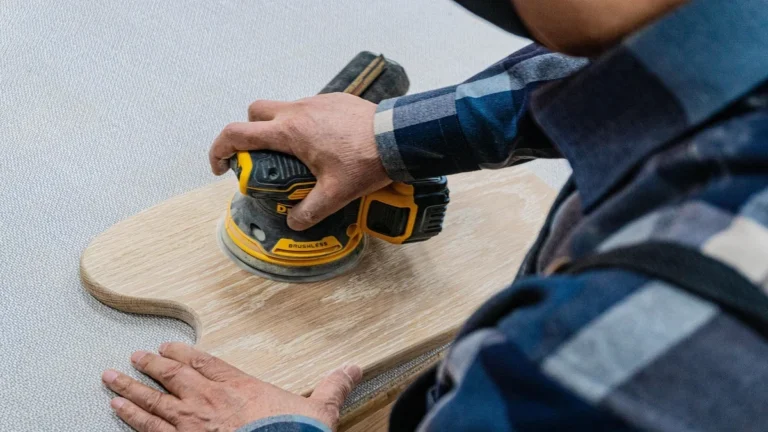
If a mug already left a cloudy white ring or you notice a shallow indent from something set down too early, the fix depends on how deep the damage actually is. A faint haze that hasn’t broken through the film often buffs out with fine (0000) steel wool and a little paste wax once the finish finishes curing; the moisture trapped near the surface simply needs somewhere to go, and light abrasion plus wax can restore the clarity without stripping anything. A visible dent or a ring that doesn’t budge after buffing usually means the film itself was compressed or damaged, and that section needs a light sanding and a fresh coat, not just a polish. Either way, wait for full cure before attempting either fix, working on a finish that’s still soft tends to smear the damage instead of removing it.
Frequently Asked Questions
When can you use a table after polyurethane?
Light use, setting down light objects, is generally safe after 24 hours for oil-based polyurethane and slightly sooner for water-based. Full use, including hot items and daily wear, should wait until the finish is fully cured: about 30 days for oil-based polyurethane and 14 to 21 days for water-based.
How long after polyurethane can I use furniture?
The same timeline applies to other furniture: dry to the touch and safe for very light contact within 24 hours, safe for normal careful use after 3 to 4 days, and fully cured for daily wear and tear after 2 to 4 weeks depending on the finish type and conditions.
How do you know if polyurethane is cured?
Press a fingernail into an inconspicuous spot, if it dents or feels soft, it hasn’t finished curing. A lingering solvent smell on an oil-based finish is also a sign it isn’t fully cured yet; that odor should fade to nothing once curing is complete.
Is water-based or oil-based polyurethane faster to cure on a table?
Water-based polyurethane dries to the touch faster (often within hours) and typically reaches full cure sooner, around 14 to 21 days, compared to roughly 30 days for oil-based polyurethane. Oil-based finishes take longer overall but are generally considered more heat- and scratch-resistant once fully cured.
Conclusion
The short version: dry to the touch is not the same as ready for use, and ready for careful use is not the same as fully cured. Give an oil-based finish 24 hours before setting anything on it, a few days before normal light use, and a full 30 days before treating it like a finished piece of furniture. Water-based finishes move faster at every stage but still need roughly two to three weeks before they can handle hot mugs and daily wear without marking. If you’re still deciding between finishes for a tabletop in the first place, see our comparison of spar urethane vs. polyurethane for table tops, and once the table is in daily use, our guide on waxing over polyurethane covers the next maintenance step.
Sponsored / affiliate links. As an Amazon Associate I earn from qualifying purchases. I may earn additional commission from eligible campaigns.