How Long Do Japanese Maple Cuttings Take to Root?
Starting a new Japanese maple from a cutting can feel like a puzzle, especially when you wonder, “How Long Do Japanese Maple Cuttings Take to Root?” Many beginner gardeners find this question tricky because there isn’t a single, quick answer. It depends on many little things. But don’t worry!
We’ll walk through it simply. This guide will make rooting your cuttings easy to follow.
Understanding Japanese Maple Rooting Times
Figuring out when your Japanese maple cuttings will grow roots is a common question for anyone wanting to expand their garden for free. It’s not always a fast process. This section breaks down why it takes time and what affects the speed.
You’ll learn what to look for and why patience is key.
Factors Influencing Rooting Speed
Several things play a big role in how quickly Japanese maple cuttings develop roots. The type of cutting, the time of year you take it, and the conditions you provide all matter a lot. Getting these right helps speed things up.
-
Type of Cutting Material
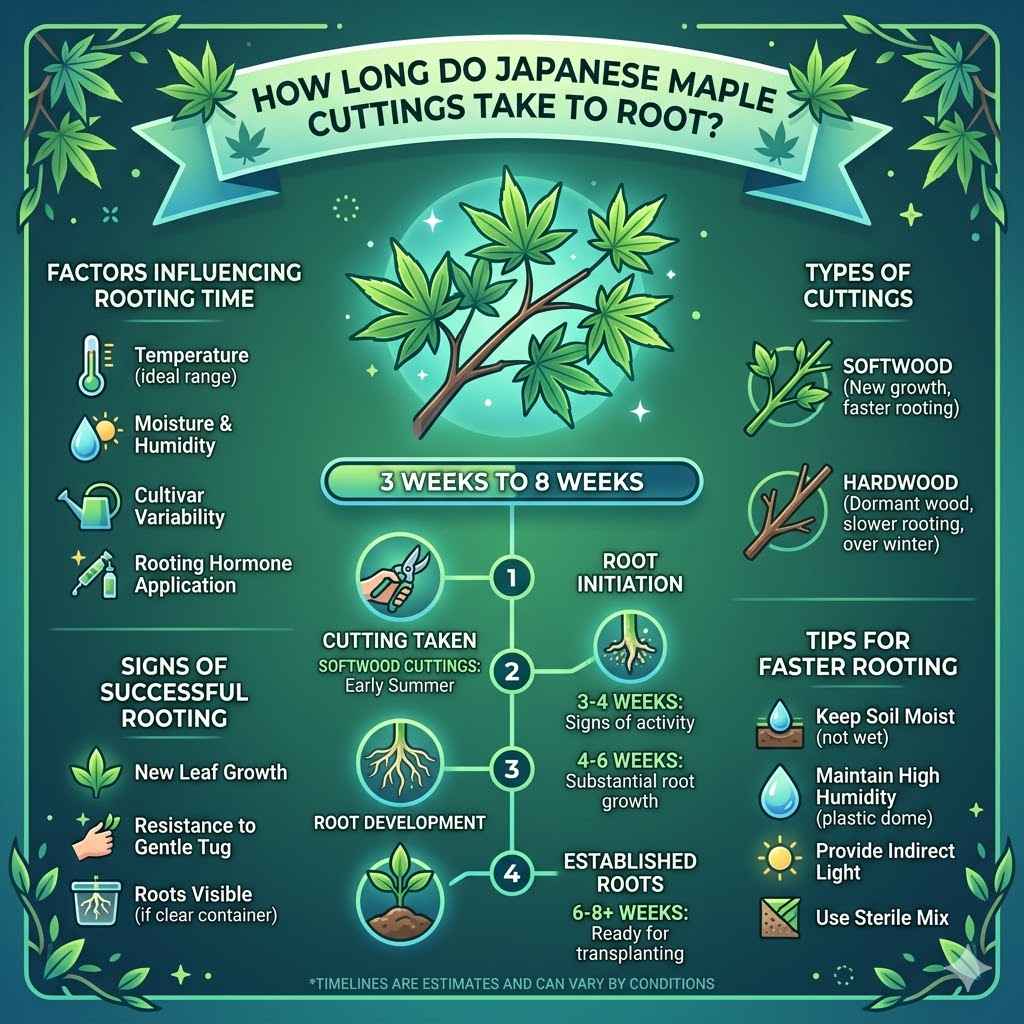
The part of the plant you choose for your cutting makes a big difference. Softwood cuttings, taken from new growth in late spring or early summer, tend to root the fastest. They are more flexible and have higher moisture content, which helps them start the rooting process quickly.
Hardwood cuttings, taken from mature wood in fall or winter, take much longer. They are tougher and have less stored energy to begin forming roots. Semi-hardwood cuttings, taken in mid-summer, fall somewhere in between.
They offer a good balance of flexibility and maturity.
-
Time of Year for Taking Cuttings
The season you take your cuttings is very important. Late spring through mid-summer is generally the best time for Japanese maples. During this period, the plant is actively growing and has plenty of energy.
This active growth means the cuttings are more likely to establish roots quickly. Taking cuttings too early in spring might mean the wood isn’t mature enough, while taking them too late in fall or winter means the plant is going dormant. Dormancy slows down all growth processes.
-
Environmental Conditions
The environment you create for your cuttings is crucial. Consistent moisture, warmth, and humidity are vital for root development. Cuttings need a humid environment to prevent drying out before roots can form.
They also need the right temperature to encourage root growth. Too much direct sun can scorch them, while too little light might not provide enough energy. Good air circulation also helps prevent fungal diseases.
These factors combine to create the best chance for success. Understanding each one helps you make smart choices when starting your cuttings.
What to Expect in the First Few Weeks
In the initial weeks after taking your cuttings, you won’t see much happening above the soil. This is normal! The real work is happening underground, where roots are beginning to form.
It’s a quiet period of development. You might see the leaves stay green, which is a good sign that the cutting is still alive and trying to root.
-
Initial Signs of Life
For the first couple of weeks, your cutting’s main goal is to stay alive. It needs to keep its leaves healthy and green. You might notice the cutting doesn’t wilt much if you’ve kept it moist and humid.
This stability is a sign that it’s not dying off. It’s in a holding pattern, conserving energy while its cells prepare for root formation. There won’t be new leaf growth at this stage, and that’s perfectly fine.
-
The Waiting Game Begins
This is the phase where patience is truly tested. It feels like nothing is happening, but underground, cells are dividing and starting to form root primordia. These are the early stages of root development.
Avoid the temptation to constantly pull up the cutting to check for roots. This disturbance can damage the delicate new formations and set back the process significantly. Trust the process and the conditions you’ve provided.
-
Subtle Changes to Look For
While you won’t see roots, you might observe very subtle changes. The leaves might seem a bit perkier, or you might see a tiny bit of new growth on the stem, like a small bud swelling. These are good indicators that the cutting is starting to transition from survival mode to active growth, which means rooting is likely occurring.
Don’t expect big, dramatic changes early on; these are subtle hints.
This early period is more about prevention and maintaining health than seeing visible progress. It sets the foundation for root development.
How Long Do Japanese Maple Cuttings Take to Root Averages
The timeframe for Japanese maple cuttings to root can vary quite a bit. While some might show signs of rooting in just a few weeks, others can take much longer. Understanding the average rooting times helps set realistic expectations.
This section provides a general idea of what you can anticipate, based on common experiences and successful propagation methods.
Typical Rooting Timelines
When asking, “How Long Do Japanese Maple Cuttings Take to Root?,” most gardeners are looking for a general answer. The reality is that it’s a range, not a fixed number. Softwood cuttings are the quickest, while hardwood cuttings are the slowest.
Semi-hardwood cuttings fall in the middle.
-
Softwood Cuttings
For softwood cuttings, which are taken from fresh, flexible new growth in late spring or early summer, rooting can begin within 3 to 6 weeks. In ideal conditions, you might see the first signs of significant root development around this time. These cuttings are the most vigorous and have the highest success rate for faster rooting due to their high moisture content and active growth hormones.
It’s important to keep them consistently moist and in a warm environment to encourage this rapid root formation.
-
Semi-Hardwood Cuttings
Semi-hardwood cuttings, taken in mid-summer, are a bit tougher. They usually take longer to root, often ranging from 6 to 10 weeks. The wood is starting to mature, so it has more structure but still retains enough flexibility to root.
These cuttings benefit from a rooting hormone and consistent humidity. They represent a good compromise between the speed of softwood and the viability of hardwood cuttings.
-
Hardwood Cuttings
Hardwood cuttings, harvested from dormant, mature wood in late fall or winter, are the slowest to root. It can take anywhere from 8 to 12 weeks, and sometimes even longer, for these cuttings to show substantial root development. They are more prone to drying out and require careful management.
Because they are taken during dormancy, they rely on stored energy and often need a longer period to initiate root growth when conditions become favorable in spring.
These are general averages. Individual results can vary based on the specific Japanese maple variety and the precise care provided.
When Are Roots Strong Enough to Transplant
Knowing when your Japanese maple cutting has developed enough roots to survive on its own is critical. Transplanting too early can lead to failure. You want to see a healthy, well-developed root system before moving the cutting to a larger pot or its permanent location.
-
Resistance Test
A good indicator that roots are developing is when the cutting offers slight resistance when you gently tug on it. This means roots have anchored themselves into the soil or rooting medium. Be very gentle with this test.
If it pulls out easily with no resistance, it’s likely not ready.
-
Root Emergence
If you are using a clear pot or rooting medium, you might be able to see roots emerging from the drainage holes at the bottom. This is a clear sign that the root system is established and healthy. Another visual cue is seeing new growth on the cutting itself, such as new leaves or shoots.
This indicates the plant has enough energy and a functional root system to support above-ground development.
-
Time Since Taking Cutting
Generally, you want to wait at least 4-8 weeks after you first see clear signs of rooting before considering transplanting. For softwood cuttings, this might mean waiting a total of 8-12 weeks from when you took the cutting. For hardwood cuttings, this could be 12-20 weeks or even longer.
Giving the roots ample time to develop strength and structure is key to transplant success.
Ensuring the roots are robust before transplanting significantly increases the chances of your Japanese maple cutting thriving.
Optimizing Conditions for Faster Rooting
To speed up the process of rooting Japanese maple cuttings, you can optimize the environment. This involves providing the ideal moisture, temperature, and light. Making small adjustments can lead to quicker root formation and a higher success rate for your propagation efforts.
The Role of Humidity and Moisture
Humidity is incredibly important for cuttings, especially those of Japanese maples. These plants have delicate leaves that can dry out quickly. High humidity prevents this drying, allowing the cutting to focus its energy on growing roots instead of fighting dehydration.
-
Creating a Humid Environment
You can create a humid environment by covering your pots or trays with a clear plastic bag or dome. This traps moisture around the cutting. Make sure to poke a few small holes in the bag or dome to allow for some air circulation.
This prevents mold and rot while keeping the humidity high. Misting the cuttings daily can also help maintain moisture levels.
-
Consistent Soil Moisture
The rooting medium needs to be kept consistently moist but not waterlogged. Think of it like a wrung-out sponge. If it’s too dry, the cutting will dehydrate.
If it’s too wet, roots can rot. Checking the moisture level by feeling the top inch of the medium is a good practice. Using a well-draining mix, like perlite and peat moss, helps prevent overwatering.
-
Benefits of Humidity for Rooting
High humidity reduces the rate of transpiration, which is the process of water loss through the leaves. When transpiration is reduced, the cutting loses less water. This means more water is available to the plant cells, supporting the energy needed for root development.
It also helps the cutting stay turgid and healthy, increasing its chances of survival until roots can form.
Maintaining these conditions is key to successful rooting.
Temperature and Light Requirements
The right temperature and light are just as vital as humidity and moisture. Japanese maple cuttings need warmth and indirect light to thrive during the rooting process.
-
Ideal Rooting Temperatures
Japanese maple cuttings generally prefer temperatures between 65°F and 75°F (18°C to 24°C) for optimal root development. This consistent warmth encourages cell division and the growth of new root tissues. If the temperature is too cool, rooting will be very slow.
If it’s too hot, the cutting can dry out or overheat.
-
Using a Heat Mat
A seedling heat mat can be very beneficial for maintaining a consistent bottom heat. Placing your pots or trays on a heat mat ensures the roots are kept at the optimal temperature, even if the ambient air temperature fluctuates. This is particularly useful in cooler climates or during colder months.
It provides the steady warmth that encourages root initiation and growth.
-
Light Needs for Cuttings
Cuttings need light to produce energy through photosynthesis, but they are sensitive to direct sunlight. Bright, indirect light is best. A location near a north-facing window or under grow lights set to a timer is ideal.
Direct sun can scorch the leaves and overheat the cuttings, which is detrimental to rooting. Aim for about 12-16 hours of light per day.
Getting these elements right helps your cuttings establish a strong root system efficiently.
Rooting Hormone Use and Benefits
Rooting hormone is a common tool used to encourage cuttings to form roots more quickly and successfully. It’s essentially a concentrated blend of plant hormones that stimulate root growth. Using it can make a noticeable difference.
-
What is Rooting Hormone
Rooting hormone products typically contain auxins, which are plant hormones that promote cell division and root formation. They come in powder, gel, or liquid forms. The hormone signals the plant stem to start developing adventitious roots, which are roots that grow from non-root tissues, such as a stem.
This artificial boost helps cuttings that might otherwise struggle to root.
-
How to Apply Rooting Hormone
To use rooting hormone, dip the bottom end of your prepared cutting into the powder, gel, or liquid. For powders, tap off any excess. For gels and liquids, follow the product instructions.
Then, plant the cutting in your rooting medium. It’s important to only dip the part of the stem that will be buried in the soil. Avoid contaminating the bulk of the product.
-
Benefits for Japanese Maple Cuttings
For Japanese maples, which can sometimes be slow to root from cuttings, rooting hormone can significantly speed up the process and improve the success rate. It helps cuttings form a more robust root system, leading to stronger plants that are more likely to survive the critical transplanting stage. It can reduce the time it takes for cuttings to become established and ready for new growth.
Using rooting hormone is a simple step that can greatly enhance your propagation success.
Troubleshooting Common Rooting Problems
Even with the best care, rooting Japanese maple cuttings can sometimes hit snags. Identifying and addressing common problems quickly is essential for success. This section looks at issues that might arise and how to fix them.
When Cuttings Fail to Root
It’s disheartening when cuttings don’t root, but it’s a common part of the propagation process. Several factors can contribute to failure, and understanding them can help you adjust your approach for future attempts.
-
Incorrect Cutting Selection
Choosing the wrong type or age of wood is a frequent cause of failure. Using old, woody stems when you should be using softwood, or vice versa, can significantly reduce your chances. Also, if the cutting is too long or has too many leaves, it can expend too much energy trying to support itself before roots form.
Ensure you select healthy, disease-free material at the right stage of growth.
-
Poor Environmental Control
Inconsistent moisture, extreme temperatures, or inadequate humidity are major culprits. If the cutting dries out even once, it can be fatal. If it’s too cold or too hot, root development will be inhibited or the cutting can be damaged.
Lack of humidity can lead to wilting and eventual death before roots can form. Maintaining stable conditions is paramount.
-
Fungal Infections and Pests
Damp, humid conditions can also encourage the growth of fungi and bacteria, which can cause cuttings to rot. Pests can also attack the cuttings, weakening them or killing them. Using sterilized rooting media and tools, ensuring good air circulation (without drying out the cuttings too much), and inspecting regularly can help prevent these issues.
Sometimes, a light application of a fungicide can be helpful.
Learning from these failures helps refine your propagation techniques.
Dealing with Rot and Mold
Rot and mold are enemies of healthy cuttings. They thrive in overly wet, stagnant conditions and can quickly destroy a promising cutting.
-
Causes of Rot
Rot is typically caused by overwatering and poor drainage. When the rooting medium stays saturated for too long, it deprives the stem of oxygen and creates an environment where harmful bacteria and fungi can flourish. This leads to the decay of the stem or developing roots.
-
Preventing Rot and Mold
Prevention is key. Always use a well-draining rooting mix, like a 50/50 blend of peat moss and perlite or sand. Ensure pots have drainage holes.
Avoid waterlogging the medium; it should be moist, not soggy. Good air circulation is also vital. If using a plastic cover, lift it daily for a few minutes to allow fresh air in.
Remove any fallen leaves or debris promptly.
-
Treating Mild Cases
If you spot a little mold or early signs of rot, you can try to address it immediately. Gently remove any affected parts of the cutting or medium. Increase air circulation.
You can also try a very dilute solution of hydrogen peroxide (about 1 teaspoon per quart of water) to water the medium, which can help kill fungal spores. For more severe cases, the cutting may be beyond saving.
Vigilance in maintaining the right balance of moisture and air is crucial.
Recognizing Signs of Successful Rooting
When your cuttings start to show clear signs of successful rooting, it’s a rewarding moment. These indicators confirm that your efforts are paying off and that your new plants are developing well.
-
New Leaf Growth
One of the most obvious signs of successful rooting is the appearance of new leaves or shoots. If your cutting was taken with a few leaves and they remain green and healthy, the subsequent appearance of new growth indicates that the plant has established a root system sufficient to support this new development. This is a strong indicator that it’s on its way to becoming an independent plant.
-
Resistance When Pulled Gently
As mentioned before, if you very gently tug on the cutting and feel resistance, it means roots have formed and are anchoring it into the rooting medium. This is a reliable sign that the cutting has begun to establish itself. Always be very gentle when performing this check to avoid dislodging or damaging the fragile new roots.
-
Roots Visible Through Drainage Holes
If you are using clear pots or have the ability to easily view the bottom of the rooting container, seeing roots emerge from the drainage holes is a definitive sign of successful rooting. A healthy network of roots appearing indicates the cutting has a strong foundation and is ready to be transplanted into a larger container or its final growing spot.
Observing these signs confirms your cutting is well on its way to becoming a beautiful Japanese maple.
Frequently Asked Questions
Question: How long does it take for Japanese maple cuttings to root in water?
Answer: Rooting Japanese maple cuttings in water is generally not recommended as it can lead to rot and is less successful than using a proper rooting medium. If attempted, it could take several weeks to months for roots to appear, and they may not be as robust as those grown in soil.
Question: Can I use store-bought potting soil for Japanese maple cuttings?
Answer: It’s best to use a specialized rooting mix for your cuttings. Standard potting soil can be too dense and may not drain well enough, leading to rot. A good mix usually includes peat moss, perlite, or coarse sand to ensure good aeration and drainage.
Question: What is the best type of Japanese maple to take cuttings from?
Answer: While many varieties can be propagated, some are known to root more easily than others. Generally, younger, more vigorous cultivars and those with naturally faster growth rates might offer better success rates with cuttings.
Question: Should I remove the bottom leaves from my cutting?
Answer: Yes, it is standard practice to remove the lower leaves from the portion of the stem that will be below the soil line. This prevents the leaves from rotting in the moist medium and encourages rooting from the nodes where the leaves were removed.
Question: How do I know if my rooted cutting has died?
Answer: Signs of a dead cutting include brown, shriveled leaves that fall off easily, a stem that is mushy or black and easily breaks, and no new growth appearing after a prolonged period with no signs of rooting. If the stem snaps cleanly and is dry inside, it is also likely dead.
Summary
Japanese maple cuttings typically take anywhere from 3 to 12 weeks to root, depending on the type of cutting and conditions. Softwood cuttings are fastest, usually rooting in 3-6 weeks. With optimal humidity, consistent moisture, correct temperature, and the use of rooting hormone, you can significantly improve your success rate.
Be patient, observe for signs of new growth, and soon you’ll have new Japanese maples.