How Long Does a Cedar Fence Last? (15-40 Years by Type)
A cedar fence lasts 15 to 20 years untreated and 25 to 40 years when stained or sealed every 2 to 3 years, but most fences fail at the post’s ground line, not the pickets. Skip proper footing prep and even premium cedar can rot at the base in under 10 years. This guide covers exact post-depth numbers by frost zone, the screwdriver rot test, cedar’s real cost-per-year against pine and vinyl, and when repair beats replacement.
This article contains Amazon affiliate links. As an Amazon Associate, Woodworking Advisor earns from qualifying purchases at no extra cost to you.
What Determines How Long a Cedar Fence Lasts
Best Cedar Fence Sealer Pick
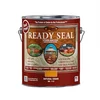
Ready Seal 112 Stain and Sealer, Natural Cedar
A combined oil-based stain and sealer matched to cedar’s natural tone, applied in one coat with no back-brushing.
- Best for: Fence owners who want UV and moisture protection without a multi-step stain-then-seal process
- Why we picked it: Matches cedar’s natural color, and the no-lap-marks formula is forgiving for a first-time DIY application on a full fence line
- Main drawback: Oil-based formula has a stronger odor during application than water-based alternatives
Compare more cedar fence sealer options
 Option 1 Thompson’s WaterSeal Semi-Transparent, Natural Cedar
|
 Option 2 Olympic WaterGuard Woodland Cedar Stain & Sealer
|
 Option 3 SaverSystems Premium Deck & Fence Stain, Cedar
|
As an Amazon Associate we earn from qualifying purchases.
Four things decide whether a cedar fence hits 15 years or 40: the grade of cedar used, how the posts were set, the maintenance schedule, and how much sun and moisture the fence takes on. Compared to a pressure-treated pine fence, cedar starts with a real advantage — its heartwood contains natural oils (thujaplicins) that resist rot and insects without chemical treatment — but that advantage only holds up if the build and the upkeep are right.
- Cedar grade: Construction-heart and clear grades have fewer knots and more heartwood, which is where the rot-resistant oils actually live. Lower grades with more sapwood decay faster.
- Post installation: How deep the posts are set, whether there’s a gravel base under the concrete, and how the concrete is shaped all matter more than the quality of the boards above ground — see the footing section below.
- Maintenance schedule: Cedar’s natural oils fade over 1–3 years of UV and weather exposure. After that, the wood needs a stain or sealer to keep doing the job the oils used to do.
- Climate and exposure: Humid, high-rainfall regions and fence lines with poor drainage age cedar faster than dry climates. A fence in full sun with no ground moisture problems will consistently outlast one in a low, shaded, damp yard.
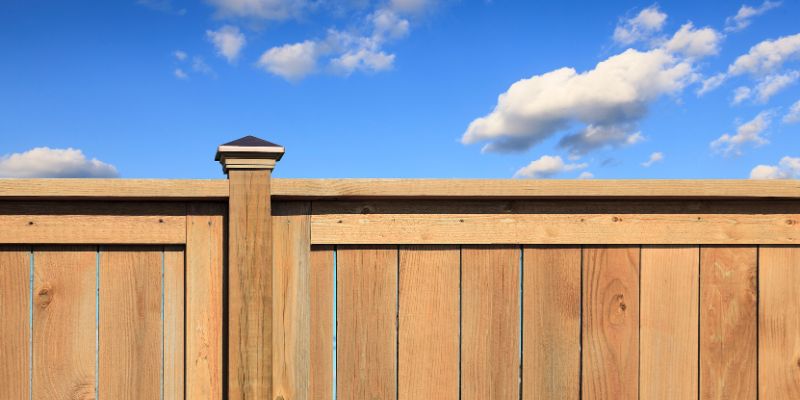
Untreated vs. Stained Cedar Fence Lifespan
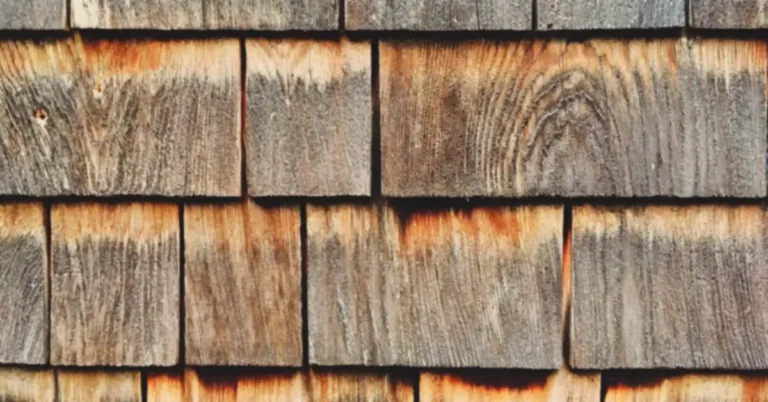
An untreated cedar fence is a fence left to weather naturally with no stain or sealer applied. It typically lasts 15 to 20 years before boards and rails need replacing, fading to a silver-gray patina within the first year or two as the surface oils break down under UV exposure. It’s a legitimate choice — cedar doesn’t need a finish to function — but it ages faster than a maintained fence and shows checking and surface cracking sooner.
Staining or sealing a cedar fence every 2 to 3 years extends its working life to 25 to 40 years by blocking the UV and moisture that break down the wood’s surface once its natural oils fade. The gap between 25 and 40 years mostly comes down to post-footing quality (below) and climate — a stained fence in a dry climate with well-drained posts sits at the high end; a stained fence with pooled water at the post base sits at the low end regardless of how well the boards are maintained.
In our shop, the fences we’ve seen fail earliest are almost never the pickets — it’s a post set in a flat-bottomed concrete footing with no gravel underneath. Once water starts pooling at the wood-to-concrete line, the rot works from the inside where you can’t see it until the post is already failing.
How to Extend Your Cedar Fence’s Lifespan
None of these steps are complicated, but skipping any one of them is how a 35-year fence turns into a 15-year fence:
- Reseal every 2 to 3 years: Don’t wait for the wood to gray. Water beading off the surface means the finish is still working; once water soaks in instead of beading, it’s time to reapply.
- Clean before you reseal: Rinse or pressure-wash on a low setting to remove mildew and dirt before staining — sealing over grime traps moisture instead of blocking it.
- Keep mulch and soil off the bottom rail: Landscaping piled against cedar boards holds moisture against the wood and is one of the most common causes of rot at the bottom rail, separate from the post issue below.
- Test posts annually with a screwdriver: Press a screwdriver or knife tip into the post 6 to 12 inches above and below the ground line. Soft, spongy wood means rot has already started (see the section below).
- Grade soil away from posts: Water that pools around a post base at the surface eventually finds its way down to the footing. A slight slope away from the fence line keeps it moving.
Cedar Fence Post Depth and Footing: Why Fences Really Fail Early
Most articles on cedar fence lifespan talk about staining schedules and skip the part that actually determines whether a fence hits 40 years or 12: how the posts were set. The boards can be replaced individually for decades — a rotted post takes the whole section down with it.
- Depth rule: Bury roughly one-third of the total post length, plus about 6 inches of gravel below the post base for drainage. For a 6-foot fence on a 9-foot post, that’s around 36 inches below grade.
- Frost line matters more than most installers admit: The concrete footing needs to sit at least 6 inches below the local frost line, or freeze-thaw cycles will heave the post out of alignment over a few winters. In warm climates (Texas, Florida) the frost line can be as shallow as 6–12 inches; in cold northern states (Minnesota, Wisconsin) it can run 48–60 inches, meaning posts there need to be set dramatically deeper than a fence in the Gulf states.
- Gravel base, not bare dirt: A few inches of gravel under the concrete lets water drain away from the post bottom instead of pooling directly against the end grain, which is the most rot-prone part of the whole post.
- Slope the concrete cap: A flat or recessed concrete top around the post holds water right at the wood-to-concrete interface — exactly the rot pocket described above. Sloping the concrete cap 15–30 degrees away from the post lets water shed instead of sitting there.
Signs Your Cedar Fence Needs Replacing (Not Just Repair)
A cedar fence rarely fails all at once. It’s usually one post, then two, and by the time several sections are leaning, repair stops making financial sense. If you’re already dealing with a rotted post, see our guide to fixing a rotted fence post without replacing the whole section — it covers the repair path this section leads into.
- One leaning post: Usually fixable — it typically means the footing cracked or the base rotted through on that post alone. Repair or replace that single post.
- Multiple leaning posts: This means the foundation problem isn’t isolated. When several posts along a run are loose or leaning, it’s a sign to plan a full replacement rather than chase repairs post by post.
- Soft wood at the ground line: Push a screwdriver into the post 6 to 12 inches above and below grade. If it sinks in easily or the wood crumbles, rot has already compromised the post’s structural strength.
- Gray, hollow wood with peeling finish: A protective coating that’s peeling combined with wood that looks gray and feels hollow when tapped means moisture has already done internal damage, not just surface fading.
- Rot covering more than about 30% of a post: At that point, a patch or splice rarely holds long-term — full post replacement is more cost-effective than repeated repairs.
Cedar Fence Lifespan vs. Other Fence Materials
Upfront cost per linear foot doesn’t tell the whole story — a cheaper fence that needs replacing twice as often can cost more over time than a pricier one that lasts. Dividing typical material cost by typical lifespan gives a rough cost-per-year figure that’s a better way to compare options (this is a simple mid-range estimate for material cost only, not an installed-price quote):
| Material | Cost per Linear Ft | Typical Lifespan | Est. Cost/Year* |
|---|---|---|---|
| Cedar (stained & sealed) | $25–$45 | 25–40 years | ~$1.08 |
| Cedar (left untreated) | $20–$35 | 15–20 years | ~$1.57 |
| Pressure-treated pine | $10–$25 | 10–15 years | ~$1.40 |
| Vinyl | $25–$50 | 25–30 years | ~$1.36 |
| Composite | $30–$55 | 25–30 years | ~$1.55 |
*Estimated by dividing the midpoint of each material’s typical cost range by the midpoint of its typical lifespan range — a rough per-foot, per-year comparison, not a quote.
By this math, a well-maintained stained cedar fence is actually the best long-term value of the group, despite costing more upfront than pine and roughly the same as vinyl — it’s the untreated cedar option that falls behind. For a deeper look at cedar against a specific alternative, see our comparisons of cedar vs. pressure-treated fencing and cedar vs. redwood. If you’re still deciding on a fence style rather than just the material, our wood fence design comparison breaks down cost and privacy by style.
Frequently Asked Questions
How long does an untreated cedar fence last?
An untreated cedar fence typically lasts 15 to 20 years. Cedar’s natural oils resist rot and insects without a finish, but those oils break down under UV exposure within the first 1–3 years, after which the wood weathers to a gray patina and ages faster than a stained or sealed fence.
Does staining a cedar fence actually make it last longer?
Yes. Staining or sealing every 2 to 3 years can extend a cedar fence’s working life from the 15–20 year untreated range to 25–40 years, because the finish blocks the UV and moisture damage that cedar’s own oils only handle for the first few years.
How deep should cedar fence posts be set?
Bury about one-third of the total post length, plus roughly 6 inches of gravel below the post for drainage. The concrete footing should also sit at least 6 inches below your local frost line — as shallow as 6–12 inches in warm climates, but 48–60 inches in cold northern states.
Is cedar or pressure-treated pine better for a fence?
Cedar generally lasts longer (15–40 years depending on treatment) than pressure-treated pine (10–15 years) and doesn’t require chemical treatment to resist rot. Pine costs less upfront, but by estimated cost-per-year, maintained cedar is usually the better long-term value. See our full cedar vs. pressure-treated fence comparison for the complete breakdown.
When should you repair vs. replace a cedar fence?
Repair a single leaning or rotted post if it’s isolated — that’s usually a same-day fix. Plan a full replacement once several posts along a run are leaning, or when rot covers more than about 30% of a post, since patches rarely hold at that point.
Conclusion
A cedar fence’s lifespan comes down to three things: the grade of wood, how the posts were set below ground, and whether it gets stained or sealed every 2 to 3 years. Get all three right and 25 to 40 years is realistic. Skip the footing details or the maintenance schedule, and even good cedar can fail at the post well before the boards ever show real wear. For cedar’s durability across other uses beyond fencing — furniture, siding, and decking — see our guide to how long cedar wood lasts.
Sponsored / affiliate links. As an Amazon Associate I earn from qualifying purchases. I may earn additional commission from eligible campaigns.