How Long Does It Take to Stain a Deck? Full Timeline by Stain Type
Staining a deck takes 1 to 3 hours of actual hands-on work for an average-size deck, but the full project runs 2 to 4 days from first wash to first cookout. The gap between those two numbers is almost entirely drying and curing time, and how long that takes depends on which type of stain you use – a water-based stain can be dry to the touch in an hour, while an oil-based or solid-color stain can need up to 72 hours before you put furniture back on it.
Most guides give you one vague number and stop there. Below is the breakdown by stain type, plus a realistic day-by-day schedule you can actually plan a weekend around.
Quick Answer: Deck Staining Timeline at a Glance
Here’s the whole project broken into stages. Treat this as the planning number – the stain-type table further down explains why your specific product might run faster or slower.
| Stage | Time Needed |
|---|---|
| Cleaning & prep | 2–4 hours |
| Deck drying before staining | 24–48 hours |
| Applying stain (average 300–400 sq ft deck) | 1–3 hours |
| Dry time between coats | 2–24 hours (stain-dependent) |
| Full cure before furniture/foot traffic | 24–72 hours |
| Total project, start to finish | 2–4 days |
Fastest Application, No Back-Brushing
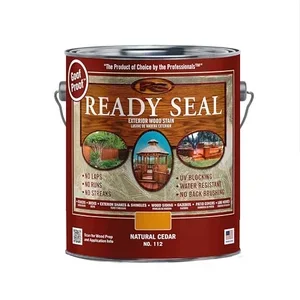 |
Ready Seal Exterior Wood Stain & Sealer, Natural Cedar – $39.99 A penetrating oil-based stain and sealer designed to shorten the timeline above – it’s applied wet-on-wet with no back-brushing, so a mid-size deck goes faster and there’s no lap-mark risk if you have to stop and restart.
|
Drying Time by Stain Type: Water-Based vs. Oil-Based vs. Solid
This is the number that actually changes your schedule. The base chemistry of the stain, not the size of your deck, is what decides whether you’re back on the deck tomorrow or waiting out the weekend.
| Stain Type | Dry to Touch | Ready for 2nd Coat | Safe for Furniture |
|---|---|---|---|
| Water-based (acrylic) | 1–4 hours | 2–4 hours | 24 hours |
| Oil-based, semi-transparent | 4–24 hours | 24 hours | 48–72 hours |
| Solid-color (acrylic or oil) | 2–6 hours | 2 hours | 24–48 hours |
Two things trip people up here. First, “dry to touch” isn’t “cured” – the stain can feel dry within a few hours and still be soft enough to scuff, track, or peel if you drag furniture across it early. Second, oil-based stains like Ready Seal or Olympic Maximum keep developing color for up to two weeks after application, so don’t judge the final shade on day one. If you want the full breakdown of when a stain counts as fully cured versus just dry, we cover that separately in our wood deck stain and sealer comparison.
Day-by-Day Project Timeline
This is how the numbers above actually play out over a weekend, using a mid-size deck (200–400 sq ft) and an oil-based semi-transparent stain as the example – the most common combination.
- Day 1 (morning): Sweep, clear furniture, and pressure wash or scrub with a deck cleaner. Repair any loose boards, popped nails, or splinters while the deck is bare.
- Day 1–2 (24–48 hours): Let the wood dry completely. This is the step people skip and regret – stain applied over damp wood won’t penetrate evenly and can peel within months. A moisture meter reading under 15% or a splash test (water beads instead of soaking in) means it’s ready.
- Day 2 or 3: Apply the stain in the shade or during the cooler part of the day, working with the grain in 3–4 board sections at a time. For a 300 sq ft deck, budget 2–3 hours.
- Same day, 2–24 hours later: Apply a second coat if the product calls for one (check the can – some penetrating stains are one-coat only and a second coat just sits on the surface and peels).
- Day 3–5: Full cure. Stay off with furniture and foot traffic for at least 24 hours, and ideally 48–72 hours for oil-based products, before resuming normal use.
What Actually Changes the Timeline
Beyond stain chemistry, three things move the schedule more than anything else:
| Deck Size | Application Time |
|---|---|
| Small (under 100 sq ft) | 30–60 minutes |
| Medium (100–300 sq ft) | 1–2 hours |
| Large (300–500 sq ft) | 2–4 hours |
| Extra-large (500+ sq ft) | 4+ hours, often split over two days |
Weather is the other big variable. Ideal conditions are 50–90°F, low humidity, and no rain in the forecast for at least 24 hours after you finish. Staining in direct afternoon sun makes the stain flash-dry before it penetrates, which causes lap marks and blotchy color – work in the shade or stain in the morning/evening instead. Humidity above roughly 85% slows drying enough to push your whole schedule back a day.
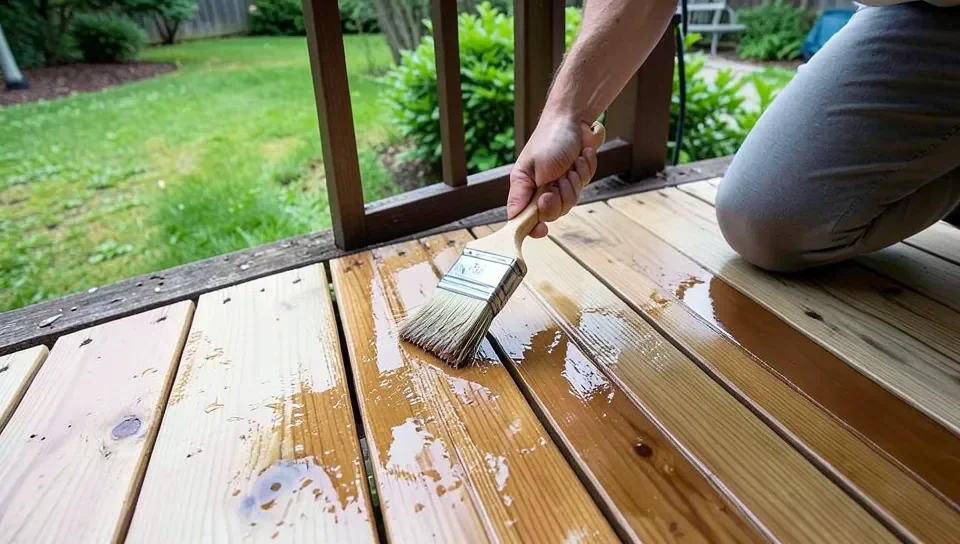
Application method matters too: a pump sprayer covers a large deck fastest but still needs back-brushing on some products to work the stain into the grain, while a brush or pad applicator is slower but gives more control on railings and stair balusters. Since stain penetrates instead of sitting on top like paint, uneven application shows up as blotching rather than peeling later, which is why working in consistent, small sections matters more for stain than for paint.
Wood species changes drying speed too, because it changes how much the wood absorbs. Dense, tight-grained woods like cedar and redwood soak up stain quickly and can feel dry to the touch faster than pressure-treated pine, which is often still carrying manufacturing moisture and needs the full 48-hour dry-before-staining window respected – rushing pressure-treated lumber is one of the most common reasons a stain job fails early. If your deck is older or was refinished before, also account for how much of the old finish is still in the wood; a deck being stained for the first time absorbs more evenly and can sometimes get away with a shorter dry window than one that’s been stripped of years of buildup.
How to Avoid Adding Days to the Job
Three mistakes are responsible for most of the “why is this taking so long” complaints:
- Staining before the wood is actually dry. A deck can look dry on the surface within a few hours of washing but still hold moisture inside the boards for a full two days, especially with pressure-treated lumber. Staining too early is the single biggest cause of early peeling.
- Ignoring the rain window. Rain within the first 24–48 hours after staining can wash out an oil-based stain before it’s cured, forcing a full redo. Check a multi-day forecast, not just the day you plan to stain.
- Recoating too early or too late. Recoating before the manufacturer’s window means the second coat doesn’t bond and peels in sheets. Waiting too long past the window (usually over 24 hours for oil-based products) means the first coat has already flashed over and the second coat won’t penetrate either – check your specific product’s label rather than assuming.
Frequently Asked Questions
Can I stain a deck in one day?
Yes, if the wood is already dry and prepped. Application itself only takes 1–3 hours for most decks. What usually pushes the project past one day is the 24–48 hours the wood needs to dry after washing – if you clean the deck a few days ahead and it’s already bone-dry, staining is a genuine one-day job.
Does a deck need two coats of stain?
It depends on the product. Solid-color stains and many water-based stains are designed for two coats for full opacity and durability. Penetrating oil-based sealers like Ready Seal are formulated as one-coat products – adding a second coat on top of a fully-absorbed first coat just sits on the surface and peels. Always check the can’s specific instructions instead of assuming two coats is universal.
What happens if it rains 12 hours after staining a deck?
Rain that soon after staining can wash out an oil-based stain before it has cured, leaving streaky, patchy color that may need a touch-up coat once the deck dries out again. Water-based stains are somewhat more rain-resistant sooner (some are rated rain-safe after about an hour), but checking a multi-day forecast before you start is cheaper than redoing the job.
How long after staining a deck can I put furniture on it?
Wait at least 24 hours for water-based stains and 48–72 hours for oil-based stains before putting furniture or rugs back down. Furniture legs and rug backing trap moisture against the surface, so putting weight on the deck before it’s fully cured is a common cause of dull spots and peeling within the first month.
Bottom Line
Budget one day for cleaning and drying, one day for the actual staining, and one to three more days of cure time before the deck sees furniture or heavy foot traffic again – call it a 3-to-4-day window from start to finish. The single biggest lever you control is stain choice: a fast-drying water-based product can shave a full day or two off that timeline compared to a traditional oil-based stain, at the cost of somewhat shorter durability between reapplications.
Sponsored / affiliate links. As an Amazon Associate I earn from qualifying purchases. I may earn additional commission from eligible campaigns.