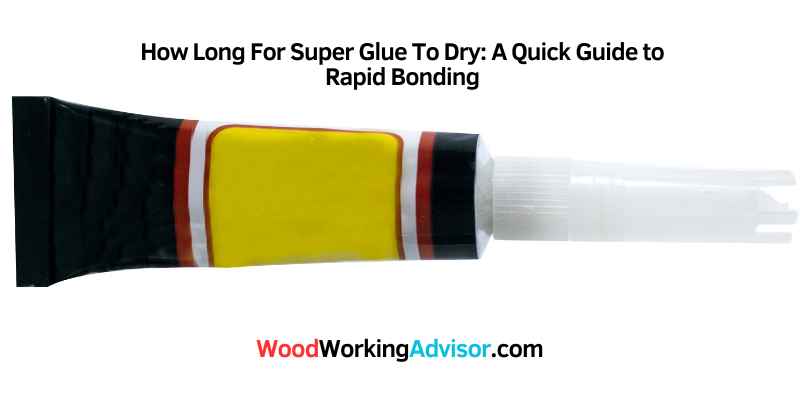
How Long For Super Glue To Dry: A Quick Guide to Rapid Bonding
Super glue, also known as cyanoacrylate adhesive, is a fast-drying adhesive that is commonly used for various household fixes and craft projects. Knowing how long super glue takes to dry is essential to ensure that your DIY project is successful.
Factors Affecting Drying Time
The drying time of super glue can vary depending on several factors:
| Factor | Description |
|---|---|
| Humidity | Higher humidity can slow down the drying process, while low humidity speeds it up. |
| Temperature | Warmer temperatures accelerate the drying time, while colder temperatures slow it down. |
| Surface type | The type of surface being bonded affects drying time. Porous materials may take longer to dry compared to non-porous ones. |
| Amount of glue applied | The more glue you apply, the longer it may take to dry. |
General Drying Time
Typically, super glue dries within a few seconds to a few minutes under normal conditions. However, it is important to note that while the glue may appear dry on the surface, it may still take longer to achieve its full strength.
For most applications, you can expect the glue to be fully cured and provide maximum bond strength within 24 hours. However, it’s always a good idea to refer to the specific product instructions for accurate drying times.
Tips for Faster Drying
If you’re working on a project and need the super glue to dry quickly, here are a few tips:
- Ensure the surfaces are clean and free from any dirt or debris.
- Apply a thin layer of super glue. Excess glue can increase drying time.
- Keep the humidity low by using a dehumidifier or air conditioning.
- Use a fan or blow dryer on low setting to direct air towards the bonded area.
Following these tips can help expedite the drying process and ensure a strong bond in a shorter amount of time.
Handling and Safety Precautions
While super glue is a versatile adhesive, it’s important to handle it with care. Here are a few safety precautions to keep in mind:
- Wear protective gloves to avoid direct contact with the adhesive.
- Work in a well-ventilated area to prevent inhaling the fumes.
- If accidentally applied to skin, use an acetone-based nail polish remover to separate the bonded surfaces.
- Keep super glue out of reach of children and pets.
By following these precautions, you can ensure a safe and successful experience when using super glue.
Drying Time by Super Glue Formula
Not all cyanoacrylate adhesives dry at the same speed. The formula and viscosity make a real difference:
| Formula | Set Time | Full Cure | Best For |
|---|---|---|---|
| Thin/water-thin CA | 5–10 seconds | 12–24 hours | Tight-fitting joints, porous wood, wicking into cracks |
| Medium/standard CA | 15–30 seconds | 24 hours | General-purpose bonding, most household repairs |
| Thick/gel CA | 30–60 seconds | 24–48 hours | Vertical surfaces, gap-filling, uneven joints |
| Accelerator-activated CA | 2–5 seconds | Near-instant full strength | Production work, situations needing immediate handling strength |
Super Glue on Wood vs Other Materials
Drying and bonding behavior also depends heavily on what you’re gluing:
- Wood: Being porous, wood absorbs some of the glue, which can speed surface drying but also means thin CA glue may need a second application for a fully strong bond on rough-sawn or end-grain surfaces.
- Metal and glass: Non-porous surfaces don’t absorb glue at all, so cure relies entirely on ambient humidity triggering the cyanoacrylate reaction — drying can actually take slightly longer in very dry environments.
- Plastic: Some plastics (like polyethylene and polypropylene) resist CA glue almost entirely regardless of dry time, because the glue can’t chemically bond to them without a specialized primer.
- Skin: Bonds almost instantly due to natural moisture, which is why accidental finger-to-finger bonds happen in seconds rather than minutes.
Super Glue vs Wood Glue for Woodworking Projects
For actual woodworking joints, standard PVA wood glue is usually the better choice over super glue, despite super glue’s speed:
| Factor | Super Glue (CA) | Wood Glue (PVA) |
|---|---|---|
| Set time | Seconds | 20–30 minutes |
| Full cure | Up to 24 hours | 18–24 hours |
| Gap-filling | Poor (except gel formulas) | Poor to moderate |
| Flexibility once cured | Brittle, can crack under stress | Slight flex, absorbs vibration better |
| Best use in woodworking | Quick tack-ups, small repairs, joining odd materials to wood | Structural joints, glue-ups, edge gluing |
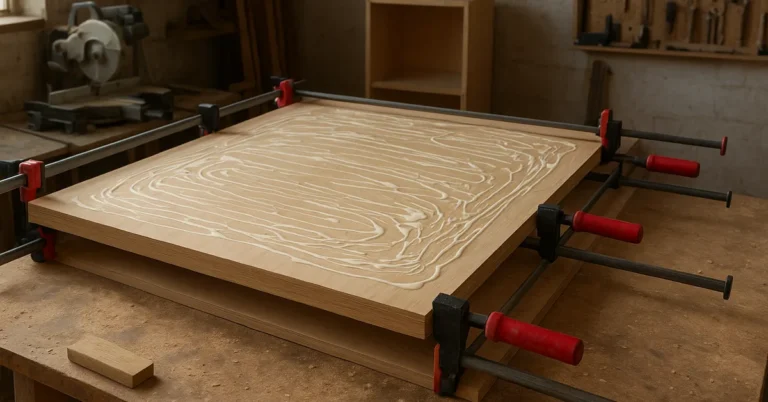
Many woodworkers actually use both together — a dot of super glue to tack a joint in position instantly, followed by wood glue for the actual long-term structural bond, getting fast alignment without sacrificing joint strength.
Common Mistakes That Slow Down Super Glue Drying
- Applying too much glue. A thick pool takes far longer to cure fully than a thin, even layer, since the reaction depends on ambient moisture penetrating the glue from the surface inward.
- Gluing in very dry conditions. Cyanoacrylate cures via a reaction with airborne moisture, so very low humidity (common in winter with indoor heating) can noticeably slow drying. A slightly humid environment, or a dedicated CA accelerator spray, speeds things up.
- Moving the joint before it sets. Even a few seconds of movement during the initial set can weaken the bond permanently, since the developing polymer chains are disrupted before they lock into place.
- Ignoring surface contamination. Dust, oil, or old finish residue on wood interferes with adhesion and can extend effective cure time well beyond the label’s estimate.
How to Speed Up a Slow-Curing Bond
If a joint has been glued but still feels weak after the expected set time, a few things can help without redoing the repair: gently increase local humidity (a slightly damp cloth held near, not on, the joint), warm the area slightly with a hairdryer on low heat from a safe distance, or apply a small amount of CA accelerator around the joint’s edge to trigger a faster full cure. Avoid flexing or testing the joint’s strength until you’ve given it the extra time, since a bond that seems solid at the surface can still be curing internally for several more hours.
In Conclusion
Super glue is a quick-drying adhesive commonly used for various projects. Factors such as humidity, temperature, surface type, and the amount of glue applied can influence drying time. While it typically dries within seconds to minutes, full curing may take up to 24 hours. By following the tips mentioned and taking necessary safety precautions, you can make the most of your super glue and achieve strong, long-lasting bonds for your DIY projects.
Sponsored / affiliate links. As an Amazon Associate I earn from qualifying purchases. I may earn additional commission from eligible campaigns.