How to Get Glitter Off Wood Floors (Skip the Vinegar Trick)
Glitter comes off a wood floor fastest with a vacuum’s hose or crevice attachment, beater bar switched off, followed by a barely damp microfiber cloth — the spinning brush roller scratches finish and flings particles instead of collecting them. Skip that mistake and most glitter lifts in under ten minutes. This guide covers the safe removal steps, why vinegar isn’t the fix most sites claim, and how to stop glitter from clinging again.
What You’ll Need
- Vacuum with a hose or crevice attachment (beater bar turned off)
- Microfiber cloth or soft sponge
- Warm water and a few drops of mild dish soap
- Lint roller or packing tape
- A used dryer sheet
- Plastic putty knife (for glitter dried into glue or polish)
- A pH-neutral wood floor cleaner — not vinegar (see below)
How to Get Glitter Off a Wood Floor (5 Steps)
Work in this order — dry methods first, moisture last — so loose glitter never gets pushed into the wood’s seams before it’s picked up.
- Vacuum with the beater bar off: Use the hose or crevice attachment only. The spinning brush roller can scratch a finished floor and flings loose glitter instead of collecting it.
- Lift the rest with tape or a lint roller: Press the adhesive firmly into corners and along baseboards where the vacuum nozzle can’t reach.
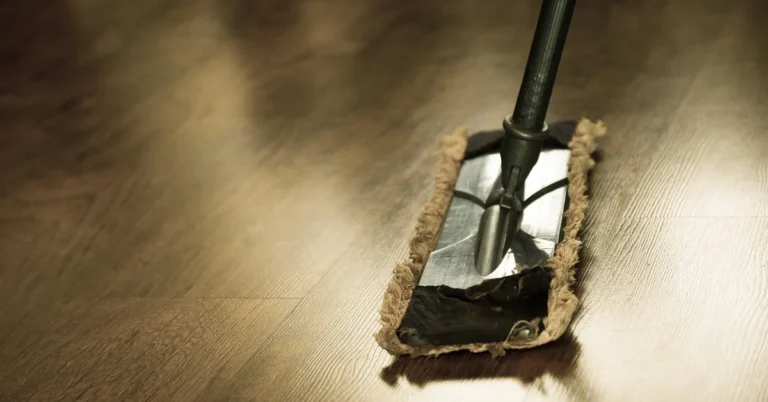
- Wipe with a barely damp microfiber cloth: Dampen with warm water only and wring it out well — standing water can seep into board seams and cause warping.
- Neutralize static with a used dryer sheet: Glitter clings mainly through static charge, so a quick wipe with a dryer sheet lifts stragglers the vacuum and cloth missed.
- Spot-clean leftover residue with a wood-safe cleaner: For glitter mixed with glue or paint, use a pH-neutral hardwood floor cleaner rather than vinegar, then buff dry with a clean cloth.
Best Glitter Cleanup Pick
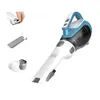
Black+Decker Dustbuster AdvancedClean Handheld Vacuum – $49.99
The pull-out crevice tool matches Step 1 above — no beater bar to scratch the finish or scatter glitter across the room.
- Best for: corners, baseboards, and stairs a stick vacuum can’t reach
- Why we picked it: cordless, brush-free crevice tool built for exactly this job
- Main drawback: small dirt bowl needs emptying often on a big mess
Compare more glitter cleanup tools
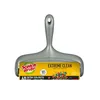 Option 1 Scotch-Brite Extreme Clean Lint Roller – $12.65
|
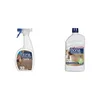 Option 2 Bona Hardwood Floor Cleaner + Polish – $24.27
|
 Option 3 Amazon Basics Microfiber Cloths (24-Pack) – $10.40
|
As an Amazon Associate we earn from qualifying purchases.
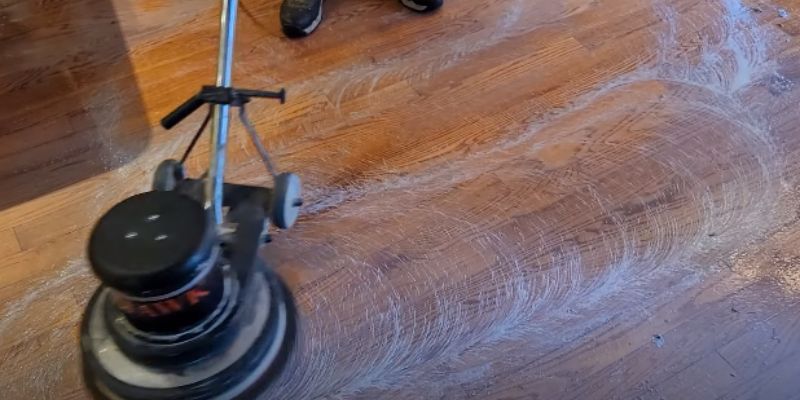
Getting Dried-On Glitter Off Wood
Craft glitter mixed with glue, paint, or nail polish dries into a hard shell that a vacuum and cloth won’t touch. Slide a plastic putty knife — never a metal scraper — under the edge at a low angle to lift the dried patch without gouging the finish. Soften stubborn spots first with a warm, damp cloth held in place for a minute or two, then scrape again.
For glitter glue specifically, a small amount of rubbing alcohol on a cloth breaks down the adhesive without soaking the wood the way water alone would. Wipe the alcohol residue away with a barely damp cloth immediately after.
Why Glitter Is So Hard to Remove From Wood Floors
Glitter is a collection of tiny plastic, glass, or metallic flakes that carry a static electric charge from friction during manufacturing and handling. That charge is why sweeping or vacuuming with a spinning brush scatters it instead of collecting it, and why it keeps reappearing on a floor days after the first cleanup — remaining flakes cling to dust and shoes until every charged particle is neutralized, not just swept aside.
📊 Glitter was the third most common particle type, making up 24% of waste sludge tested at an Australian wastewater treatment plant — Source: Raju et al., ecotoxicological review, NCBI/PMC. It’s one more reason to lift glitter with a vacuum and cloth rather than rinsing it down a mop bucket or sink.
“Vinegar and other acidic cleaners will damage a wood floor’s finish over time — use a cleaning product made specifically for wood floors instead.”
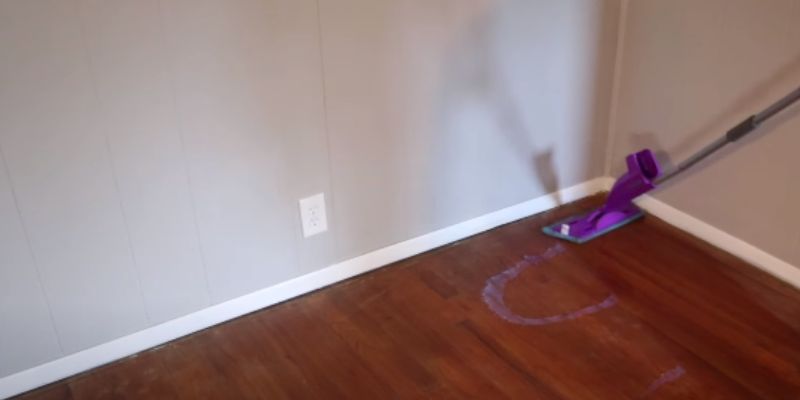
Common Mistakes That Make Glitter Cleanup Worse
- Vacuuming with the beater bar on: the spinning brush roller scratches finish and flings glitter instead of collecting it — switch to the hose or crevice attachment.
- Wet-mopping first: mopping before vacuuming pushes loose glitter into board seams and grout lines, where it’s far harder to reach.
- Using vinegar as a regular cleaner: per the National Wood Flooring Association, vinegar’s acidity wears down polyurethane finish over repeated use — fine as an occasional last resort on dried glue residue, not a routine cleaner.
- Scrubbing with steel wool or abrasive pads: these leave micro-scratches that trap glitter and dirt even more stubbornly next time.
- Over-saturating the floor with water: standing water seeps into seams and can cause warping or discoloration.
These same dry-first, moisture-last principles apply to most wood floor messes — see our full wood flooring care hub for cleaning and maintenance guides beyond glitter.
Frequently Asked Questions
How Do You Remove Glitter From Hardwood Floors?
Vacuum with the hose or crevice attachment, not the beater bar, then wipe with a barely damp microfiber cloth. Finish with a used dryer sheet to lift any remaining flakes clinging by static charge.
How Do You Remove Glitter From Wood Surfaces?
Gently wipe with a damp cloth or sponge. If glitter persists, use a few drops of mild dish soap in warm water. Avoid abrasive cleaners or hard scrubbing, which can scratch the wood.
Why Is Glitter So Hard To Clean Up?
Glitter carries a static electric charge from manufacturing and handling, which is why sweeping or vacuuming with a spinning brush scatters it instead of picking it up. A dryer sheet neutralizes that charge and lifts stragglers a vacuum alone misses.
How Do You Get Glitter Off Of A Tile Floor?
Vacuum or sweep to gather loose glitter, then wipe with a damp cloth using a small amount of dish soap. Tile can handle more moisture than wood flooring next to it, but keep water away from any adjoining wood boards or grout seams.
Is Vinegar Safe To Use On Wood Floors?
No, not as a regular cleaner. The National Wood Flooring Association warns that vinegar’s acidity wears down polyurethane finish over repeated use. Use a pH-neutral wood floor cleaner instead, and save vinegar for rare, heavily diluted spot use only.
Why Does Glitter Keep Coming Back After You Clean It Up?
Static charge holds tiny leftover flakes to dust, shoes, and fabric until every particle is neutralized, not just swept. Wiping the area with a used dryer sheet after vacuuming and mopping removes the static cling that causes glitter to keep reappearing.
Conclusion
Most glitter comes off a wood floor with a vacuum’s hose attachment, a barely damp microfiber cloth, and a dryer sheet to neutralize the static holding stray flakes in place — no vinegar required. Save the plastic putty knife and rubbing alcohol for glitter that’s dried into glue or paint, and stick with a pH-neutral wood floor cleaner for routine spot cleaning.