Where to Throw Away Furniture ($0-$700+ Disposal Options)
Furniture goes out through free municipal bulk pickup, a landfill drop-off, or paid junk removal costing $75 to $700 — donation only works if a piece is clean, dry, and structurally sound. Skip local rules and risk a missed pickup or a fine, since about 80% of discarded U.S. furniture is landfilled instead of reused. This guide covers pickup scheduling, real removal costs, per-item rules, and how to tell if furniture is trash.
Furniture Disposal Costs at a Glance
Best Furniture Moving Straps Pick

Forearm Forklift 2-Person Lifting & Moving Straps
Shoulder-height straps that let two people carry a couch, dresser, or mattress up to 800 lbs without gripping awkward edges.
- Best for: Loading a sofa or dresser into a truck for a landfill or donation run
- Why we picked it: Widely used, simple adjustable design, no batteries or setup
- Main drawback: Needs two people — not much help for a solo move
Compare more furniture moving strap options
 Option 1 Shoulder Dolly Moving Straps (Set of 3)
|
 Option 2 Ready Lifter Shoulder Moving Straps
|
 Option 3 GRENTOOL Moving Straps with Back Support
|
As an Amazon Associate we earn from qualifying purchases.
Before picking a method, it helps to see the real cost range side by side — municipal programs and donation pickups are usually free, while paid junk removal for a full load can run into the hundreds of dollars.
| Disposal Method | Typical Cost | Best For |
|---|---|---|
| Municipal bulk pickup | Free–$30 (varies by city) | Any large item, on your scheduled collection day |
| Donation pickup | Free | Clean, working furniture in good condition |
| Landfill drop-off (self-haul) | $10–$50 per load | DIYers with a truck or trailer |
| Junk removal service | $75–$700+ (by volume/truck load) | Damaged pieces, tight timelines, multiple items at once |
📊 The U.S. discarded about 12.1 million tons of furniture and furnishings in 2018, and roughly 80% of it (about 9.7 million tons) went straight to a landfill instead of being reused or recycled. — Source: U.S. EPA, Durable Goods Product-Specific Data
Assessing Furniture Disposal Options
When it’s time to bid farewell to an old piece of furniture, it’s crucial to assess your disposal options. Whether you’re dealing with a worn-out couch, a broken coffee table, or any other unwanted furniture, finding the most suitable method of disposal requires careful consideration. Before making a decision, it’s important to weigh the environmental impact, local regulations, and available resources. By assessing furniture disposal options thoroughly, you can make an informed choice that benefits both your immediate surroundings and the environment at large.
Considerations For Throwing Away Furniture
- Condition of the furniture: Determine whether the furniture is in good enough condition to be donated or repurposed — see our guide to caring for wood furniture if a piece just needs cleaning or a minor fix instead of replacement.
- Local regulations: Research local laws and guidelines regarding the disposal of furniture.
- Available resources: Consider the availability of recycling centers, donation centers, and waste management services in your area.
- Cost and convenience: Assess the financial and logistical aspects of different disposal methods.
Environmental Impact Of Furniture Disposal
When it comes to getting rid of furniture, it’s important to consider the environmental implications of your chosen disposal method. The volume of furniture waste that ends up in landfills can have detrimental effects on the environment, including soil and water contamination. By opting for environmentally-friendly disposal options such as recycling or donation, you can help reduce the ecological footprint of furniture disposal and contribute to sustainable waste management practices.
How Do You Know If Furniture Is Trash?
Furniture is trash, not donatable, once it has mold, a pest infestation, or structural damage that can’t be safely repaired. Water-warped wood, a cracked or wobbly frame, and torn upholstery with exposed foam all fall into this category — donation centers routinely turn these pieces away.
Bed bugs, termites, or visible mold mean the piece needs to be bagged in plastic sheeting or wrapped before it goes anywhere — many municipal pickup programs require this by law so the infestation doesn’t spread during transport. If the only problem is cosmetic (scuffed finish, loose joint, faded stain), it’s usually cheaper to repair than replace.
When To Haul It Yourself Vs. Hire Professional Removal
Criteria For Hiring Removal Services
There are certain criteria to consider when deciding whether to opt for professional furniture removal services. If the furniture is large and cumbersome, such as a sofa or wardrobe, or if you are unable to transport it yourself due to logistical constraints, then hiring professional removal services is a good choice. Moreover, if you do not have the necessary equipment, such as a vehicle suitable for moving furniture, then it would be advisable to enlist the help of professionals. Professional removal services can also be a good option if you are short on time and need to dispose of the furniture quickly and efficiently.
Costs Associated With Professional Disposal
Junk removal companies typically charge a minimum flat fee, then price by volume — a single sofa often runs $75–$150, while a quarter, half, or full truckload can range from roughly $200 to $1,000 depending on the company and region. It’s advisable to obtain quotes from multiple removal companies to compare costs and services offered before making a decision.
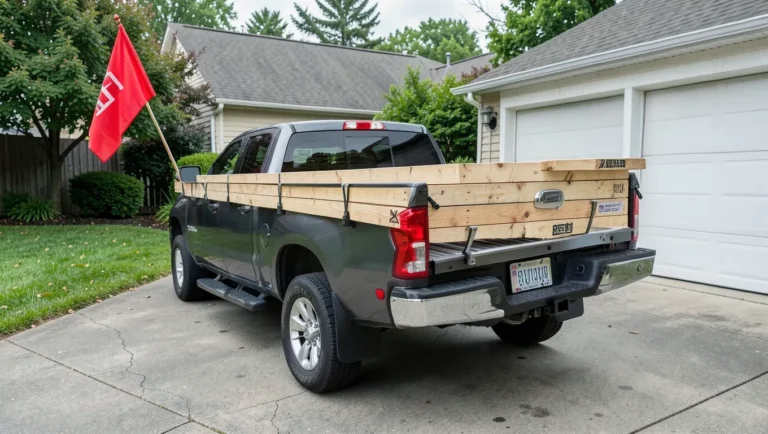
If you’d rather skip the fee and haul furniture to the landfill or transfer station yourself, a two-person lifting strap system takes most of the strain out of carrying a couch or dresser down stairs and into a truck bed — it’s the DIY option below worth considering before you book a paid pickup.
Sustainable Choices Before Disposal
Sustainable choices before disposal are crucial for reducing waste and giving old furniture a second life. Before throwing away furniture, consider environmentally friendly alternatives like donating, selling, or recycling. These options not only help the planet but also benefit those in need and promote a circular economy.
Donating To Charities And Thrift Stores
Donating furniture to charities and thrift stores is a great way to give back to the community while ensuring your unwanted items find new homes. Many local charities accept furniture donations and use the proceeds to support their causes. Thrift stores provide an avenue for community members to purchase second-hand furniture at affordable prices, reducing the demand for new items and minimizing waste.
Selling Through Online Marketplaces
Selling furniture through online marketplaces is a convenient and sustainable option. Platforms like Facebook Marketplace, Craigslist, and local Buy/Sell/Trade groups offer a marketplace for preloved furniture. By selling your furniture online, you can extend its lifespan and prevent it from ending up in a landfill. It also provides an opportunity for others to enjoy your furniture at a reduced cost.
Recycling Options For Furniture
Recycling furniture is an eco-friendly alternative to disposal. Certain materials in furniture, such as wood, metal, and upholstery, can be recycled to create new products or materials. Look for local recycling centers or contact waste management companies to explore furniture recycling options in your area. By recycling old furniture, you can contribute to the conservation of natural resources and reduce the environmental impact of waste. If you’re also clearing out other wood waste from the same project, our guide on disposing of old deck wood responsibly covers the same recycling-vs-landfill decision for treated lumber.
Practical Tips For Disposal
Disposing of old furniture can be a daunting task, but with the right information, you can ensure that it’s done in an eco-friendly and responsible manner. Understanding local waste management regulations and sorting furniture for disposal or donation are crucial steps in the process.
Understanding Local Waste Management Regulations
Before disposing of any furniture, it’s important to familiarize yourself with the local waste management regulations. Check with your city or municipality to understand the guidelines for proper disposal of large items such as furniture. Some areas have designated drop-off locations or scheduled collection services for bulky items, while others may require you to arrange for special pickups or use specific disposal facilities. Being aware of these regulations can help you avoid potential fines and ensure that your furniture is disposed of properly.
Sorting Furniture For Disposal Or Donation
When deciding how to dispose of your furniture, consider whether it’s suitable for donation. Evaluate the condition of the items to determine if they can be repurposed by someone else. If the furniture is in good condition, consider donating it to local charities, shelters, or thrift stores. Many organizations offer pick-up services, making the process convenient for you. If the furniture is beyond repair, you can start the process of safely disposing of those items. If possible, dismantle large pieces to make them easier to handle and transport.
When it’s time to part ways with old furniture, navigating municipal furniture pickup can be a convenient and sustainable solution. Many cities offer curbside pickup services for large items, making it easier for residents to dispose of old furniture responsibly. However, there are certain guidelines and restrictions to consider when utilizing this service.
Scheduling A Curbside Pickup
To schedule a curbside pickup for your furniture, follow these steps:
- Contact your local waste department: Call your city’s sanitation or public works department, or submit a request through their website, to find your area’s scheduled bulk-pickup day.
- Confirm what’s accepted: Ask specifically about restricted items — mattresses, sofa beds, and appliances are commonly excluded from standard bulk pickup.
- Prepare the furniture: Disassemble large pieces where possible and bag any item with mold, mildew, or pest damage before setting it at the curb.
Restrictions On Types Of Furniture
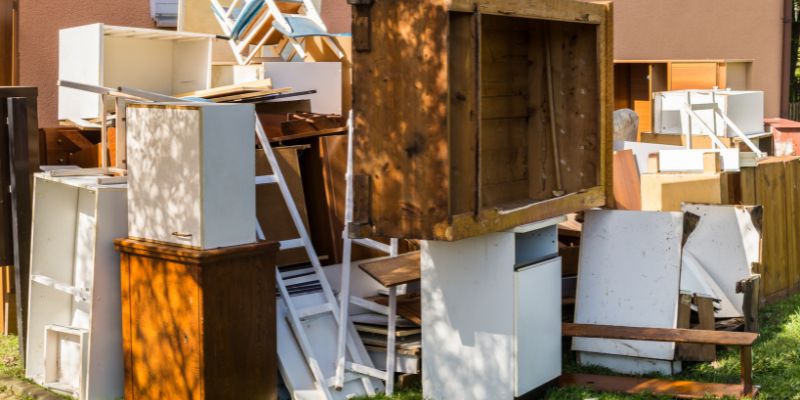
Before placing your furniture on the curb for pickup, be aware of any restrictions on acceptable items. Municipalities often have guidelines regarding the types of furniture they will collect. This may include restrictions on items such as mattresses, sofas with built-in beds, large appliances, and hazardous materials. Familiarize yourself with the specific regulations in your area to avoid any issues with the pickup process. Note that TVs and other electronics are handled through a separate e-waste recycling stream, not bulk furniture pickup — most municipalities fine residents for setting electronics at the curb with furniture, so check your city’s e-waste drop-off schedule separately. If certain items are not accepted for curbside pickup, consider alternative disposal options such as donation centers or specialized recycling facilities.
DIY Disposal Solutions
Disposing of old furniture can be challenging, especially if you’re looking for eco-friendly and cost-effective options. Here are some DIY disposal solutions to help make the process easier and more sustainable.
Break Down Furniture For Easier Disposal
Breaking down furniture into smaller pieces can make it easier to transport and dispose of. Remove any screws, bolts, or hardware and use a saw or hammer to disassemble the larger components. This not only saves space but also allows for more efficient recycling or repurposing of materials.
Quick Disposal Notes By Item
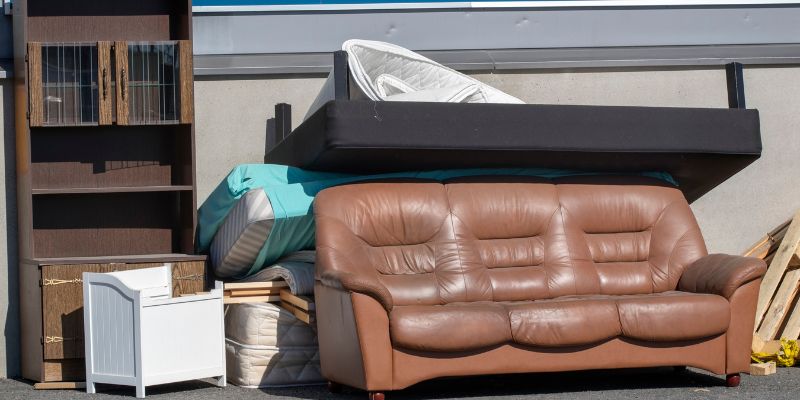
- Couch: Most bulk-pickup programs accept sofas, but sofa beds with a metal frame are sometimes excluded — confirm before setting it out, or list it free on a marketplace if it’s still usable.
- Chair: Small chairs usually go with regular bulk pickup or can ride along in a single landfill run; wooden chairs in good shape are easy donation-center accepts.
- Dresser: Empty every drawer first, remove the drawers if the frame is heavy, and check with your city whether it needs to be broken down before collection.
- Mattress: Many cities require mattresses to be wrapped in plastic before curbside pickup, and some charge an extra fee separate from other furniture — check before moving day.
Creative Repurposing Of Old Furniture
Instead of throwing away old furniture, consider repurposing it creatively. Convert an old dresser into a unique planter for your garden, or transform a wooden table into a stylish bench. By thinking outside the box, you can give new life to old furniture and reduce waste.
Frequently Asked Questions
Can furniture go in a regular trash can or dumpster?
No, most regular trash and curbside dumpster service is not built for furniture-sized items. You need a bulk-pickup request, a landfill drop-off, a junk removal service, or a rented dumpster to legally dispose of furniture — setting it beside a shared dumpster without authorization can trigger a fine in many cities.
Is it free to throw away furniture?
Yes, it can be free through municipal bulk-pickup programs or donation pickups, though some cities charge a small per-item fee for bulk collection. Paid junk removal instead runs $75 to $700 or more depending on volume, and self-hauling to the landfill usually costs $10 to $50 per load.
What if my furniture has mold, bed bugs, or termites?
Bag or wrap it in plastic sheeting before moving it, since many municipalities legally require this to stop an infestation from spreading during pickup. Furniture in this condition should not be donated — it should go straight to bulk trash or a junk removal service that knows how to handle contaminated items.
How do I get rid of a couch, chair, or dresser I can’t donate?
Schedule a municipal bulk pickup if the item qualifies, haul it to the landfill yourself with lifting straps, or book a junk removal service for same-day pickup. Breaking large pieces like a dresser or bed frame into smaller sections first makes any of these three options faster and cheaper.
Can I recycle furniture instead of throwing it away?
Yes, wood, metal frames, and some upholstery materials can be recycled through local recycling centers or specialty furniture-recycling programs. Call ahead, since not every facility accepts every material, and upholstered pieces often need to be separated into fabric and frame before they’re accepted.
Conclusion
When it’s time to part with old furniture, finding the right disposal method is crucial. Recycling, donating, or hiring a professional removal service are all viable options to consider, alongside free municipal bulk pickup for the largest immediate cost savings. Make sure to adhere to local regulations and check whether a piece truly belongs in the trash before ruling out donation.
By choosing the right method, you can minimize environmental impact and even help those in need.
Sponsored / affiliate links. As an Amazon Associate I earn from qualifying purchases. I may earn additional commission from eligible campaigns.