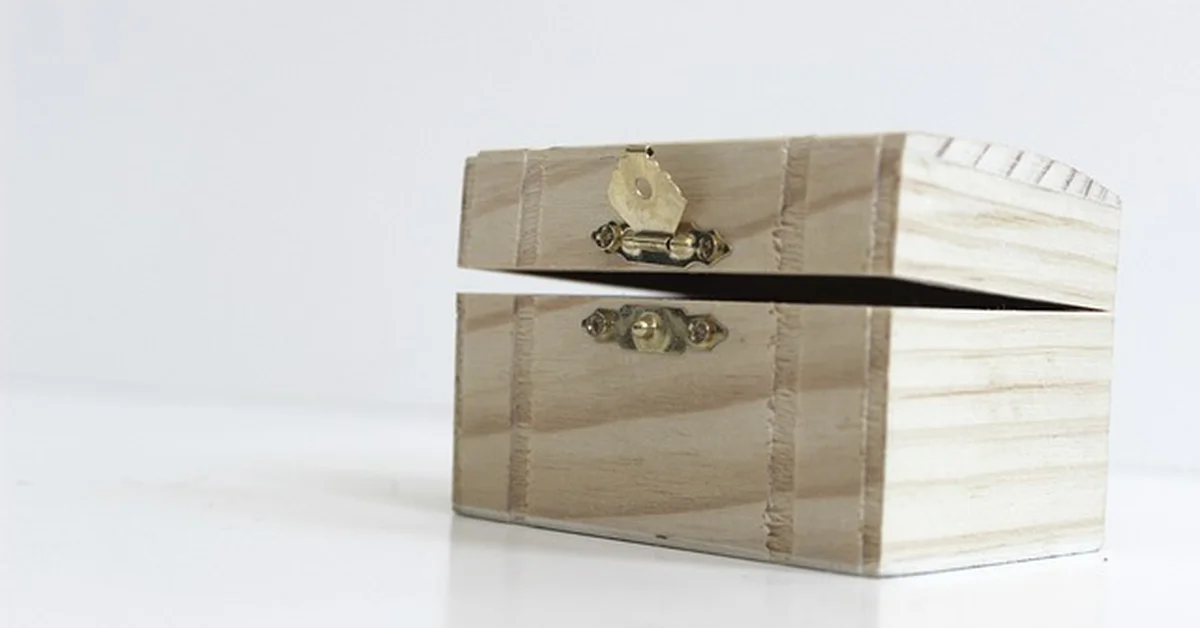
How to Put a Lock on a Wooden Box: Secure It Easily!
To put a lock on a wooden box, mark the hasp or padlock position about half an inch below the lid seam, drill pilot holes so the wood doesn’t split, then screw the hasp and staple into place. Skipping the pilot holes on a thin box lid is the most common reason the wood cracks during installation. This guide covers choosing the right lock type, drilling and fitting it correctly, and fixing a stuck or misaligned lock afterward.
Introduction To Wooden Box Security
Best Wooden Box Lock Pick
Retro Mini Padlock Set for Wooden Boxes – $9.29
A zinc-alloy padlock sized for the drilling and fitting steps this guide walks through – no separate strike plate needed like a hasp lock requires.
- Best for: a small keepsake or jewelry box that needs a real key-and-lock, not just a latch
- Why we picked it: matches the padlock option in this guide’s lock-type comparison and installs with the same drill-and-screw steps covered above
- Main drawback: zinc-alloy construction is decorative-grade, not a high-security lock
Compare more wooden box lock options
 Option 1 Mini Antique Padlocks With Keys (2-Pack) – $6.99
|
 Option 2 Brass Hasp Clasp Latch Lock – $4.90
|
 Option 3 Mini Hasp Latch With Screws (2-Pack) – $6.69
|
As an Amazon Associate we earn from qualifying purchases.
Secure your wooden box by adding a lock for enhanced protection. By installing a sturdy lock mechanism, you can safeguard your belongings effectively. Follow these steps to ensure your wooden box security.
As wooden boxes are often used for storing valuable items, it’s important to take proper precautions to ensure their security. One way to do so is by installing a lock. In this article, we’ll discuss the different types of locks suitable for wooden boxes and the reasons why you should secure your box in the first place.
Why Secure Your Wooden Box
There are several reasons why you might want to secure your wooden box. Firstly, it provides peace of mind knowing that your valuables are safe and secure. Secondly, it can deter potential thieves from attempting to steal your items. Lastly, it can prevent accidental access to your box by children or pets. By securing your wooden box, you’re taking an important step towards protecting your belongings.
Types Of Locks Suitable For Wooden Boxes
There are several types of locks suitable for wooden boxes. Here are a few options to consider:
| Lock Type | Description |
|---|---|
| Padlocks | Padlocks are a common choice for wooden boxes. They come in various sizes and can be easily attached to the box using screws or bolts. |
| Combination Locks | Combination locks are another popular option. They require a unique code to unlock, making them difficult to pick. |
| Hasp and Staple Locks | Hasp and staple locks are a simple and effective way to secure your wooden box. They consist of a hinged metal plate and a staple, which are attached to the box using screws. A padlock can be added for extra security. This is the same hardware style used on most DIY wooden storage boxes, since it mounts flat without any recess cut into the lid. |
When choosing a lock for your wooden box, consider the level of security you require, the size of the box, and the type of items you’ll be storing inside. It’s also important to ensure that the lock you choose is compatible with your wooden box.
By taking the time to install a lock on your wooden box, you can protect your valuables and have peace of mind knowing that they’re secure. Consider the different types of locks available and choose one that best suits your needs.
Tools And Materials Needed
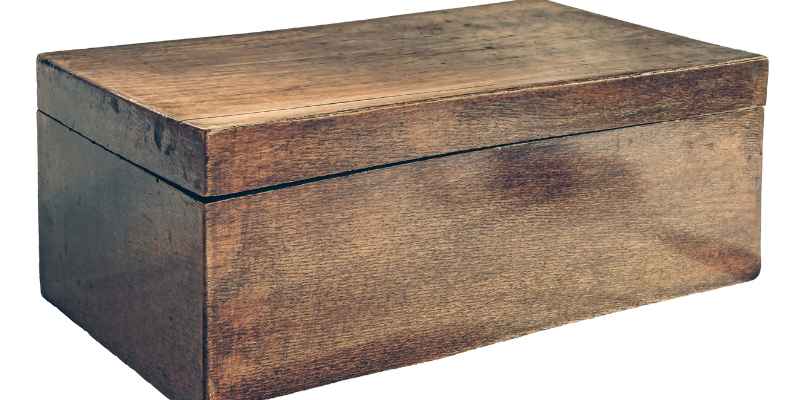
When it comes to putting a lock on a wooden box, having the right tools and materials is essential — the list below is the same whether the box is solid wood or a plywood box you built yourself. Here’s a breakdown of the tools and materials you’ll need to secure your wooden box with a lock.
Essential Tools
Essential tools for putting a lock on a wooden box include:
- Drill
- Screwdriver
- Measuring tape
- Pencil
- Wood chisel
- Clamps
Choosing The Right Lock
When choosing a lock for your wooden box, consider the following factors:
- Type of lock: padlock, hasp lock, or cam lock
- Size and security level
- Installation method
- Keyed alike or keyed different options
Additional Materials
In addition to the lock and essential tools, you’ll also need the following materials:
- Lock of your choice
- Wood screws
- Wood glue
- Sandpaper
- Protective finish (varnish, lacquer, or paint)
- Optional: decorative hardware
Preparing The Wooden Box
When it comes to securing a wooden box, adding a lock is a practical and effective solution. Before installing the lock, it’s important to properly prepare the wooden box — especially if you built the box yourself — to ensure a secure and seamless fit. This involves cleaning and inspecting the box, measuring for the lock, and marking the lock position.
Cleaning And Inspection
Before beginning the process of adding a lock, it’s essential to ensure that the wooden box is clean and free from any debris or dust. Inspect the box for any existing damage or imperfections that may affect the installation of the lock.
Measuring For The Lock
Accurate measurements are crucial for a successful lock installation. Begin by determining the ideal placement of the lock on the box. Measure the dimensions of the lock and the box to ensure a precise fit.
Marking The Lock Position
Once the measurements are complete, carefully mark the position where the lock will be installed. Use a pencil or masking tape to clearly indicate the precise location for the lock on the wooden box.
Installing The Lock
To put a lock on a wooden box, start by selecting a suitable lock and marking the placement. Then, carefully drill holes for the lock and screws. Next, attach the lock securely with the provided hardware, ensuring it functions properly before locking the box.
When it comes to securing your wooden box, installing a lock is an essential step. A lock provides an extra layer of protection and ensures that your belongings remain safe and secure. In this section, we will guide you through the process of installing a lock on your wooden box, step by step.
Drilling Holes
To begin with, you will need to drill holes in the appropriate locations on your wooden box for the lock. Follow these simple steps:
- Choose the ideal position for your lock, ensuring it is easily accessible but hidden from view.
- Measure the lock dimensions and mark the spot where the lock will be installed.
- Secure the wooden box to prevent any movement while drilling.
- Using a drill with the appropriate size bit, carefully create the holes where the lock will be fitted.
- Make sure the holes are deep enough to accommodate the lock mechanism.
Fitting The Lock
Now that you have drilled the necessary holes, it’s time to fit the lock into place. Follow these steps:
- Insert the lock mechanism into the hole on the front of the box, ensuring it fits snugly.
- Secure the lock mechanism in place using the provided screws or bolts.
- Double-check that the lock is aligned properly and functions smoothly.
Securing The Lock Mechanism
Once the lock is fitted, it’s important to secure the lock mechanism to prevent any tampering or unauthorized access. Here’s what you need to do:
- Attach the lock strike plate onto the lid or the corresponding part of the box.
- Ensure that the lock strike plate is aligned with the lock mechanism for a perfect fit.
- Secure the strike plate using screws or bolts, making sure it is tightly fastened.
- Test the lock to ensure it is functioning correctly and securely locks the box.
By following these simple steps, you can successfully install a lock on your wooden box, providing peace of mind knowing that your belongings are protected. Remember to take your time and be cautious during the installation process to achieve the best results.
Finishing Touches
When it comes to adding the finishing touches to your wooden box, ensuring the lock is secure and functional is essential. This final step matters even more on a delicate build like a wooden jewelry box, where the lock hardware is often the focal point of the lid. This final step will provide peace of mind and a polished look to your project. Let’s dive into the last details and ensure your lock is installed correctly and functioning smoothly.
Checking The Lock Fit
Before finalizing the installation, check the lock’s fit within the wooden box. Ensure it sits flush against the surface without any gaps or misalignment. A well-fitted lock not only enhances security but also adds to the overall aesthetic appeal of the box.
Making Adjustments
If the lock doesn’t fit perfectly, consider making adjustments to the box or the lock itself. This may involve sanding down any uneven surfaces or adjusting the lock’s positioning for a seamless fit. Taking the time to make these adjustments will guarantee a professional and secure end result.
Final Inspection
Perform a thorough final inspection to guarantee the lock is functioning as intended. Test the locking mechanism multiple times to ensure it engages smoothly and securely. Additionally, check for any visible imperfections or areas that may require further refinement.
Maintenance Tips
Regular Cleaning
Wipe the lock with a clean cloth. Remove dust and debris.
Lubricating The Lock
Apply light oil to the lock. Use a small brush.
Checking For Wear And Tear
Inspect lock for loose parts. Ensure proper alignment.
Alternatives To Traditional Locks
Electronic Locks
Electronic locks use a keypad or key card for access.
Combination Locks
Combination locks require a specific sequence of numbers to unlock.
Hidden Locks
Hidden locks are concealed within the box’s design.
Troubleshooting Common Issues
Easily troubleshoot common issues when trying to put a lock on a wooden box. Discover simple solutions for securing your box without any hassle.
Stuck Locks
If the lock is stuck, try applying lubricant to loosen it.
Consider tapping gently on the lock with a hammer.
Misaligned Lock And Latch
Check if the lock and latch line up properly.
Tighten screws holding the lock in place.
Lost Keys
Contact a locksmith for key replacement services.
Consider installing a new lock for added security.
Frequently Asked Questions
How Do I Choose The Right Lock For My Wooden Box?
When choosing a lock for your wooden box, consider the size and thickness of the wood, the level of security you need, and the purpose of the box. A padlock or combination lock are popular choices for wooden boxes.
How Do I Install A Lock On My Wooden Box?
To install a lock on your wooden box, you’ll need a drill, screws, and the lock itself. Measure and mark where you want to place the lock, drill the holes, and attach the lock with screws. Make sure the lock is secure and functioning properly.
Can I Use Any Type Of Lock For My Wooden Box?
No, not all locks are suitable for wooden boxes. Choose a lock that is designed for wood and is the appropriate size for your box. Avoid using locks that are too large or too small as they may not provide adequate security or may damage the box.
How Do I Maintain The Lock On My Wooden Box?
Regularly clean and lubricate your lock to ensure it functions properly. Use a soft, dry cloth to wipe away dirt and debris, and apply a small amount of lubricant to the keyhole and moving parts. Avoid using harsh chemicals or water on the lock.
Conclusion
Securing a wooden box with a lock is a simple yet effective way to protect your belongings. By following the steps outlined in this blog post, you can ensure the safety and security of your valuables. Remember to choose the right lock, consider the box’s construction, and install the lock properly.
With these tips, you can enjoy peace of mind knowing that your wooden box is secure.
Sponsored / affiliate links. As an Amazon Associate I earn from qualifying purchases. I may earn additional commission from eligible campaigns.