Is Cypress Wood Good for Furniture? Old-Growth vs New Explained
Yes, cypress wood is good for furniture – but the honest answer has a catch most guides skip: how rot-resistant your piece actually is depends on whether the board came from old-growth or second-growth timber. Old-growth bald cypress heartwood is naturally durable to very durable against decay and insects. Second-growth cypress, which is what fills most lumberyards today, only rates as moderately durable. Both are real cypress; only one earns the reputation the species is known for.
Quick Answer: Cypress at a Glance
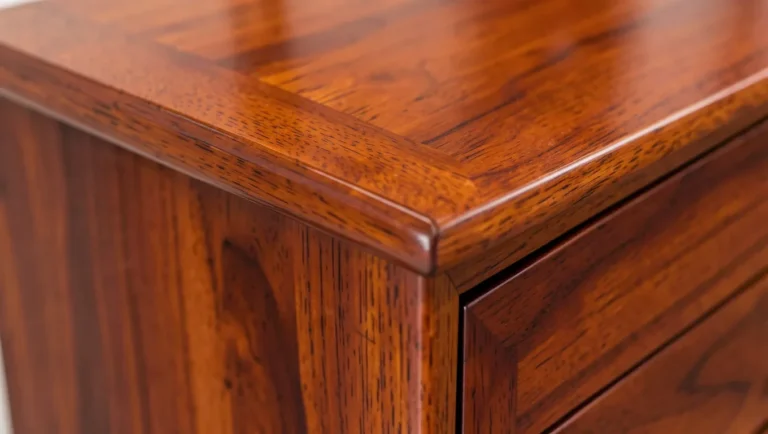
Cypress is a lightweight softwood – about 32 lbs per cubic foot, with a Janka hardness around 510 lbf – that works easily with hand or power tools and holds a warm, reddish-brown grain without much fuss. It’s a solid pick for outdoor tables, benches, and cabinets, and it works indoors too. The tradeoff: it dents more easily than a hardwood like oak, and its famous rot resistance is really a heartwood property, not a guarantee that applies to every board labeled “cypress” at the store.
Best Oil for Cypress Furniture Care
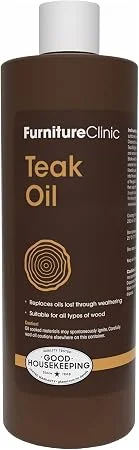 |
Furniture Clinic Teak Oil – $17.95 Cypress’s natural oils fade with UV exposure over time; this oil replenishes them and re-seals the grain on outdoor and indoor pieces alike.
|
Old-Growth vs. Second-Growth: The Difference That Actually Matters
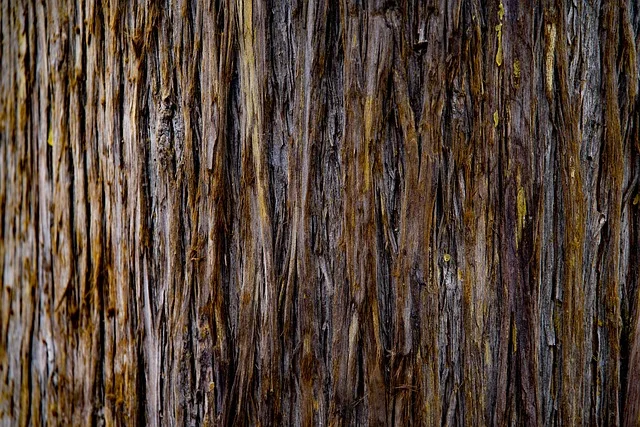
Most articles about cypress repeat the same line: it’s naturally rot-resistant. That’s true of old-growth heartwood, which built up decades of cypressene – the oily, fungicidal compound that gives cypress its reputation – before it was ever milled. Old-growth cypress forests were logged heavily through the early 1900s, and what’s sold now is overwhelmingly second-growth: trees that reached harvest age in a few decades rather than a century or more. Second-growth wood simply hasn’t had time to build up the same concentration of cypressene in its heartwood, which is why lumber grading guides rate it only moderately durable.
In practice, this means two boards sold under the same “cypress” label can perform very differently outdoors. If a supplier can tell you the lumber is reclaimed or old-growth heartwood (sometimes marketed as “sinker cypress,” pulled from old log-drive riverbeds), it’s worth the premium for anything that will sit outside uncovered. For furniture that lives indoors or under a roof, second-growth cypress is perfectly adequate – the extra decay resistance of old-growth mostly matters when the wood is exposed to standing moisture or ground contact.
Rot and Insect Resistance
Cypressene is concentrated in the heartwood – the older, denser core of the tree – not in the lighter sapwood around the outside. That’s why the same log can yield both highly rot-resistant boards and boards that need a protective finish to last outdoors. The oil also makes cypress naturally unappealing to termites and other wood-boring insects, which is part of why it’s been a traditional choice for docks, siding, and outdoor structures in the Gulf Coast and Southeast, where humidity and insect pressure are both high.
None of this makes cypress waterproof. Left in standing water or buried in wet soil, even old-growth heartwood will eventually break down – it’s decay-resistant, not decay-proof. For furniture, that distinction rarely matters: a cypress bench or table that gets rained on and dries out is exactly the use case cypress is good at.
Workability: What It’s Like to Build With
At a Janka hardness of roughly 510 lbf, cypress sits well below oak (around 1,290 lbf) and closer to soft pines – it’s easy to cut, drill, and sand, and it takes screws and nails without pre-drilling in most cases. It glues, stains, and paints well. The one workability quirk worth knowing: cypress can tear out along the grain if you push a dull blade or take an aggressive pass, so sharp cutters and lighter cuts give a cleaner edge, especially on curved cuts and mitered joints.
Because it’s soft and lightweight, cypress furniture is also easier to move than a comparable hardwood piece – a real advantage for outdoor furniture that gets rearranged by season or brought in for storms.
Cypress vs. Pine vs. Oak for Furniture
Pine is cheaper and even easier to work with than cypress, but it dents easily, darkens with age, and has little natural resistance to moisture or insects – outdoor pine furniture needs a protective finish and regular upkeep that cypress can skip. Oak is the opposite tradeoff: a genuine hardwood with much higher dent resistance and a fine, stainable grain, but it’s heavier, harder on tools, and costs more. Cypress lands in between – not as tough as oak, not as fragile as pine, and uniquely suited to outdoor use because of the rot resistance neither of the others offers naturally.
Where Cypress Furniture Works Best
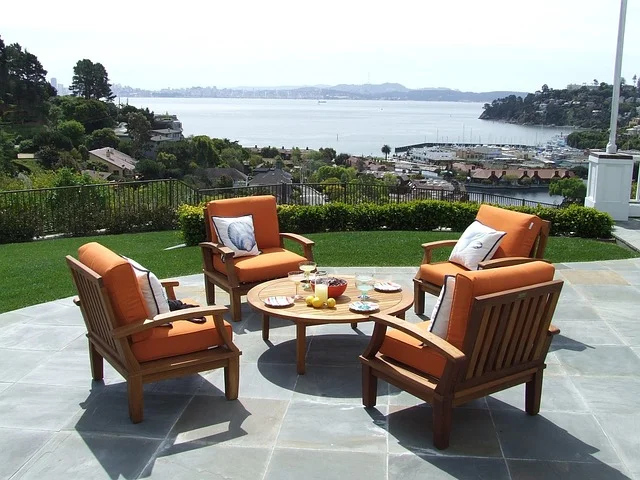
Outdoors, cypress is a natural fit for garden benches, patio tables, planter boxes, and pergola-adjacent furniture that will see rain and sun without a covered porch to protect it. Indoors, it makes attractive cabinets, dining tables, and accent furniture where its warm grain and rustic knots stand out – it’s a common choice for rustic and farmhouse-style pieces specifically because the grain pattern is more pronounced than a tighter-grained hardwood like maple.
Which “Cypress” Are You Actually Buying?
One more wrinkle worth knowing before you buy: “cypress” isn’t one tree. The furniture and construction lumber this guide is about comes from bald cypress (Taxodium distichum), a native North American species that grows in wetlands across the Southeast. Garden centers also sell Leyland cypress and Italian cypress – fast-growing ornamental trees planted as privacy hedges – and neither is harvested as furniture-grade lumber; their wood is softer, less durable, and essentially never shows up at a lumberyard. If a listing just says “cypress wood” without specifying bald cypress, it’s worth asking the supplier which species and growth type you’re actually getting, since the name alone doesn’t guarantee the rot resistance this article describes.
Maintenance and Care
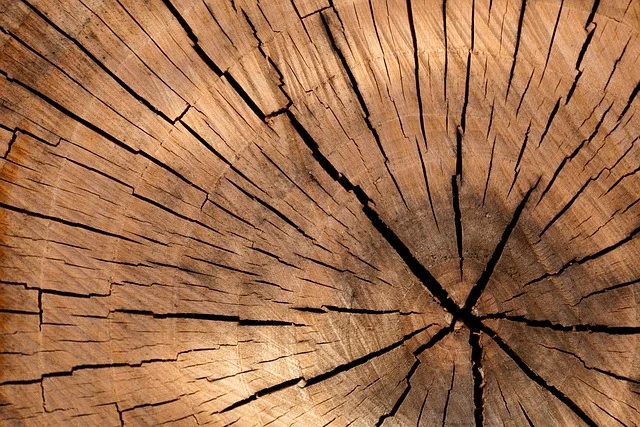
Cypress furniture doesn’t need much, but it isn’t maintenance-free. For everyday care:
- Dust with a soft cloth and wipe up spills before they soak into the grain.
- Avoid harsh or abrasive cleaners, which can strip the wood’s natural oils along with the finish.
- For outdoor pieces, re-oil once or twice a year – UV exposure breaks down cypressene faster than time alone, so a penetrating oil replaces what sunlight strips away.
- Keep indoor furniture out of direct sun where possible to slow color fading.
- Use pads or coasters under items that could scratch the surface, since cypress is soft enough to mark more easily than a hardwood.
Cost Considerations
Cypress typically prices mid-range among domestic woods – more than construction-grade pine, less than white oak or walnut. Clear, knot-free boards cost more than construction-grade lumber, and reclaimed old-growth (“sinker”) cypress commands a real premium because supply is limited to salvaged logs pulled from old riverbeds and log ponds rather than current harvests. For most furniture projects, standard second-growth cypress is the practical choice; save the reclaimed heartwood for pieces that will actually sit outdoors unprotected.
If budget is the deciding factor, buying second-growth cypress and applying a quality penetrating oil or sealer yourself closes most of the durability gap with old-growth heartwood for a fraction of the cost – it just means committing to the yearly re-oiling this guide covers below, rather than relying on the wood alone.
Frequently Asked Questions
Is cypress wood durable for furniture?
Old-growth cypress heartwood is rated durable to very durable against decay, thanks to a natural preservative oil called cypressene. Wood cut from younger, second-growth trees – most of what’s sold today – is only moderately durable, so the specific board matters more than the species name.
What makes cypress wood suitable for furniture?
Cypress combines natural rot and insect resistance with a Janka hardness of about 510 lbf, a straight grain that’s easy to cut and sand, and a warm reddish-brown color that doesn’t need staining to look finished.
How do you maintain cypress wood furniture?
Dust regularly, wipe up spills before they soak in, and re-oil outdoor pieces once or twice a year with a penetrating oil to replace the natural oils that UV exposure breaks down. Keep indoor pieces out of direct sun to prevent color fading.
Conclusion
Cypress wood is good for furniture, and the reasons are real: natural rot and insect resistance, an easy-to-work softwood hardness, and a distinctive grain that needs little dressing up. Just don’t assume every board sold as “cypress” carries the same durability – old-growth heartwood earns the reputation, second-growth wood only partly inherits it. Treating and sealing either grade extends its life, and for outdoor pieces exposed to full weather, that extra step is worth doing every year.
Sponsored / affiliate links. As an Amazon Associate I earn from qualifying purchases. I may earn additional commission from eligible campaigns.