Is Douglas Fir Good for Outdoor Use? (Moderately Resistant, Needs Treatment)
Douglas fir heartwood is only moderately resistant to decay per USDA Forest Products Laboratory ratings — not naturally excellent or highly resistant. Untreated sapwood has little to no decay resistance at all. With a quality sealant or treatment and protection from direct ground contact, it becomes a solid, workable choice for decks, siding, and outdoor furniture.
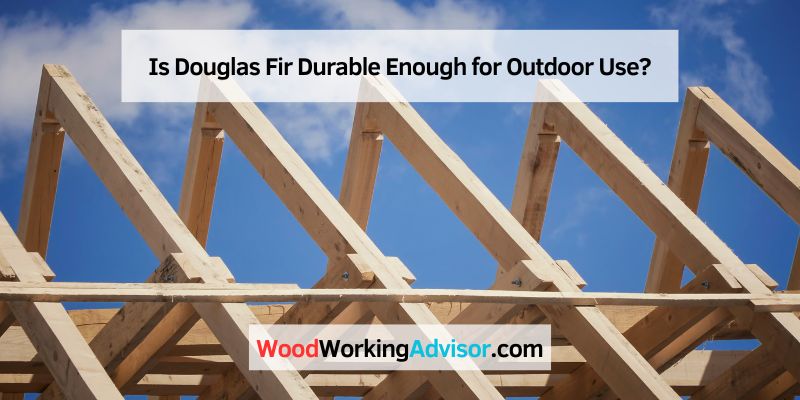
Douglas fir is a popular choice for outdoor use, but its real durability depends heavily on treatment and exposure — it isn’t naturally rot-proof the way cedar or redwood heartwood can be. Its versatility still makes it a solid pick for decks, siding, and outdoor furniture once properly sealed or treated. Whether you are planning to build a deck to enjoy summer evenings or want to enhance the beauty of your home with new siding, Douglas Fir can be a reliable option when treated correctly.
Its ability to withstand outdoor elements makes it a go-to choice for many builders and homeowners. In addition to its durability, Douglas Fir also offers an appealing aesthetic, with its warm reddish-brown color and straight grain. With proper maintenance and regular finishing, Douglas Fir can last for years, making it a trusted and reliable choice for outdoor use.
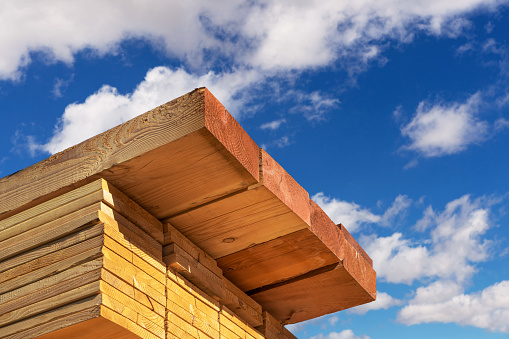
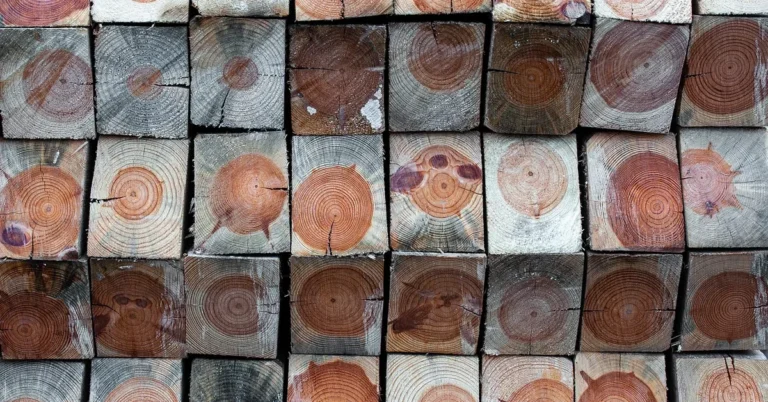
Credit: www.longhousecedar.com
Durability Of Douglas Fir
Douglas Fir is an excellent choice for outdoor use due to its exceptional durability. It withstands harsh weather conditions and maintains its strength, making it a reliable option for outdoor structures and furniture.
Natural Durability
Douglas Fir is known for its natural durability, making it an excellent choice for outdoor use. The heartwood of this tree species is resistant to decay and insect damage, making it highly suitable for various exterior applications. This natural durability stems from the tree’s protective resin content, which acts as a deterrent against harmful elements and extends its lifespan.
When used in outdoor projects such as decks, fences, or garden furniture, Douglas Fir can withstand exposure to the elements, including rain, snow, and UV rays without significantly deteriorating. Its ability to resist decay and rot ensures that your outdoor structures remain sturdy and reliable for years to come.
Treatment Options
In addition to its natural durability, Douglas Fir can be further enhanced through various treatment options. These options include surface treatments and preservative treatments, both of which can help improve the wood’s resistance to moisture, decay, and insects.
Surface treatments involve applying a protective layer or finish to the wood, creating a barrier against moisture while enhancing its visual appeal. This layer can include paint, stain, or sealers, each with its own unique advantages and aesthetics. Care should be taken to select a treatment that is suitable for outdoor use and designed to withstand the specific environmental conditions of your location.
Preservative treatments, on the other hand, involve impregnating the wood with specialized chemicals that penetrate deep into the fibers. These treatments protect against wood-boring insects, fungi, and decay, further enhancing the wood’s natural durability. It is important to opt for preservatives that are specifically formulated for outdoor applications to ensure maximum effectiveness and longevity.
By combining the natural durability of Douglas Fir with appropriate treatment options, you can significantly enhance its resistance to the elements, prolonging its lifespan and maintaining its visual appeal. Proper maintenance and regular inspections are key in ensuring the ongoing durability of any outdoor structure made from Douglas Fir.
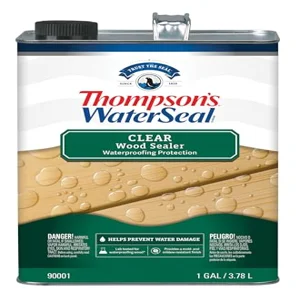
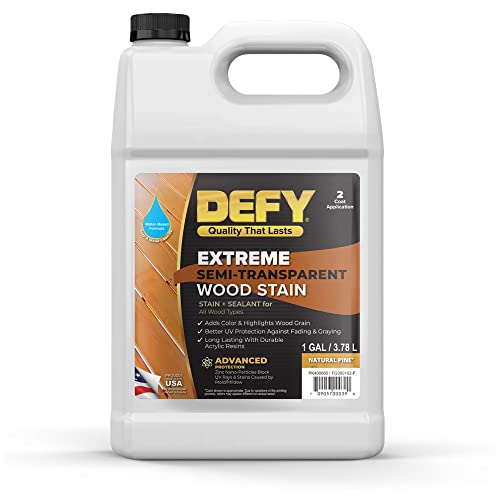
- Best for: Extending Douglas fir’s outdoor lifespan from years to decades
- Why we picked it: Clear formula preserves natural wood color while repelling water
- Main drawback: Needs reapplication every 1-2 years
As an Amazon Associate, we earn from qualifying purchases.
Best Uses For Douglas Fir
Douglas Fir is an excellent choice for outdoor use due to its durability and natural resistance to pests and decay. It is commonly used for decking, fencing, and exterior trim, making it a versatile and long-lasting option for outdoor projects.
Outdoor Construction
When it comes to outdoor construction, Douglas Fir is an excellent choice due to its natural strength and durability. Its high strength-to-weight ratio makes it a popular material for various outdoor projects. From decks and fences to pergolas and outdoor furniture, Douglas Fir can withstand the elements and provide long-lasting beauty.
One of the primary reasons why Douglas Fir is ideal for outdoor construction is its natural resistance to decay and insect damage. This makes it less prone to rot and infestation, ensuring that your outdoor structures stay strong and sturdy for years to come. Additionally, Douglas Fir’s dense grain structure helps it handle moisture well, reducing the risk of swelling or warping.
In addition to its durability, Douglas Fir is also visually appealing, with a warm reddish-brown hue that adds a touch of natural beauty to any outdoor space. Its straight, fine-grained pattern gives it a sleek and sophisticated look that complements both modern and traditional designs.
Indoor Vs. Outdoor Use
While Douglas Fir is exceptionally well-suited for outdoor construction, it is also a versatile material that can be used indoors. Its strength and durability make it suitable for indoor projects such as flooring, trim work, and even cabinetry. However, when using Douglas Fir indoors, it is important to consider the potential for expansion and contraction due to changes in humidity levels. Proper sealing and finishing can help mitigate any potential issues.
When it comes to outdoor use, the natural properties of Douglas Fir truly shine. Its ability to withstand the elements and resist decay and insect damage makes it a top choice for outdoor construction projects. Whether you’re building a deck, installing fencing, or creating outdoor furniture, Douglas Fir provides the strength, durability, and beauty needed to transform your outdoor space into a functional and inviting oasis.
Maintenance And Longevity
When it comes to selecting the right wood for outdoor use, it’s essential to consider maintenance requirements and the expected longevity of the material. In this section, we’ll explore the maintenance tips for Douglas fir as well as its expected longevity when used in outdoor applications.
Maintenance Tips
Regularly inspect the Douglas fir for any signs of moisture damage or rot. Keep the surface clean by sweeping off debris and washing with a mild soap solution. Apply a protective wood sealer to prevent moisture penetration and extend the wood’s lifespan.
Expected Longevity
Expected lifespan depends heavily on treatment and exposure: untreated Douglas fir in direct ground contact typically lasts only 5-7 years before significant decay sets in, while sealed/treated Douglas fir kept off the ground (like siding, elevated decking, or furniture with a roof overhang) can last decades with regular maintenance. There is no single number that applies to every use case — the treatment and exposure scenario is what actually determines longevity.
Frequently Asked Questions On Is Douglas Fir Good For Outdoor Use
How Long Will Doug Fir Last Outside?
It depends on treatment and exposure: untreated Douglas fir in ground contact typically lasts 5-7 years, while sealed/treated wood kept off the ground can last decades with regular maintenance and resealing.
Is Douglas Fir Wood Weather Resistant?
Yes, Douglas fir wood is weather resistant due to its natural oils which protect it from moisture. It can withstand rain, sunlight, and other weather elements, making it suitable for outdoor use.
How Do I Protect My Douglas Fir Outside?
Protecting your Douglas fir outside is essential. To do so, ensure proper watering, mulching around the tree, applying a protective herbicide, pruning for airflow and removing diseased branches. Additionally, be mindful of pest control measures.
What Are The Disadvantages Of Douglas Fir Wood?
The disadvantages of Douglas fir wood are its susceptibility to insect damage and rot. It can also have knots and may be less durable in humid environments. Additionally, it tends to shrink and warp.
Conclusion
Douglas fir is a versatile and durable wood choice for outdoor use. Its natural resistance to decay and ability to withstand weather conditions make it a top choice for outdoor projects. Whether for decking, siding, or outdoor furniture, Douglas fir offers both beauty and functionality, making it an excellent option for your outdoor construction needs.
Sponsored / affiliate links. As an Amazon Associate I earn from qualifying purchases. I may earn additional commission from eligible campaigns.