The Ultimate Guide to Peel and Stick Vinyl Flooring Roll: My Journey and Tips for You
Hey there! If you’re looking to give your home a fresh, budget-friendly makeover, peel and stick vinyl flooring rolls might just be your new best friend. I’ve spent countless hours exploring this flooring option for my own home projects, and let me tell you, it’s a game-changer. It’s affordable, easy to install, and can transform any space in a snap. Whether you’re sprucing up a rental, revamping a kitchen, or just want a quick flooring fix, this guide is packed with everything I’ve learned about peel and stick vinyl flooring rolls. Let’s dive in and see why this option is so popular and how you can make it work for your home.
What Is Peel and Stick Vinyl Flooring Roll?
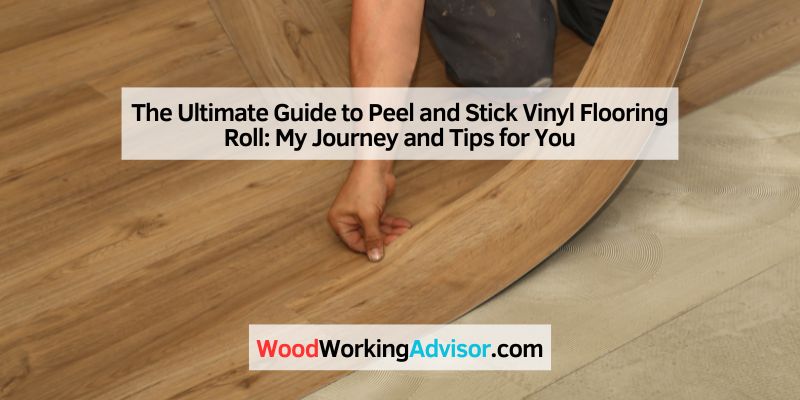
So, what exactly is a peel and stick vinyl flooring roll? Picture this: a long, continuous sheet of vinyl with a sticky backing that you can just peel off and press onto your floor. It’s like a giant sticker for your floor, but way more durable. Unlike traditional vinyl tiles that come in small squares, rolls give you a seamless look because they cover larger areas without as many seams. I love how this makes rooms feel bigger and cleaner, especially in spaces like kitchens or bathrooms.
These rolls are made of multiple layers. There’s a tough top layer that resists scratches and stains, a printed design layer that mimics wood, stone, or tile, and a sticky backing that makes installation a breeze. The best part? You don’t need fancy tools or a pro to install it. I’ve done it myself in my laundry room, and it was surprisingly simple.
Why Choose Peel and Stick Vinyl Flooring Rolls?
You might be wondering why I’m so excited about this flooring. Let me break it down for you. When I was renovating my mudroom, I needed something affordable, durable, and easy to work with. Peel and stick vinyl rolls checked all the boxes. Here’s why they might be perfect for you too:
- Affordable: These rolls typically cost $1 to $5 per square foot, making them a fraction of the price of hardwood or ceramic tiles. For my 200-square-foot mudroom, I spent less than $400, and it looked amazing.
- Easy to Install: No glue, no mess, no stress. Just peel, stick, and roll. I finished my mudroom in an afternoon with just a utility knife and a roller.
- Versatile Designs: Whether you want a wood-grain look, sleek stone, or a funky pattern, there’s a design for every style. I went with a rustic oak look, and it fooled everyone into thinking it was real wood.
- Low Maintenance: A quick sweep and mop keep it looking fresh. I’ve got kids and pets, and this flooring handles their messes like a champ.
- Removable: Perfect for renters like my sister, who used it in her apartment. When she moved out, it came up easily without damaging the original floor.
The Pros and Cons: What I’ve Learned
Every flooring option has its ups and downs, and peel and stick vinyl rolls are no exception. I’ve laid this flooring in a few rooms now, and here’s the real scoop based on my experience.
Pros
- Budget-Friendly: As I mentioned, the cost is hard to beat. It’s perfect for big spaces or when you’re watching your wallet.
- DIY-Friendly: I’m no pro, but I found the installation straightforward. You just need a clean, flat surface and some patience.
- Durability: In my low-traffic guest room, the flooring still looks brand new after three years. It’s surprisingly tough for something so thin.
- Water Resistance: I used it in my bathroom, and it holds up well against splashes. Just clean up spills quickly to avoid seepage.
Cons
- Not for High-Traffic Areas: In my busy kitchen, I noticed some edges lifting after a year. It’s better suited for quieter spaces like bedrooms or closets.
- Subfloor Prep Is Key: If your floor isn’t smooth, every bump shows through. I learned this the hard way when I skipped sanding in one spot.
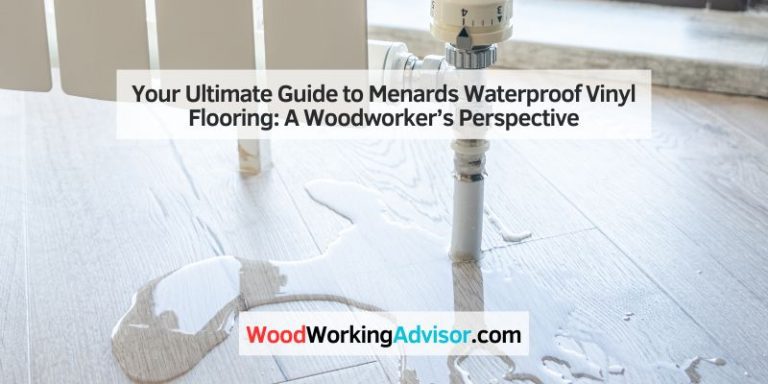
- Not Waterproof: While it’s water-resistant, it’s not fully waterproof. I had a small leak in my laundry room, and water got under the seams, causing some peeling.
- Temporary Solution: It’s not as long-lasting as hardwood or tile. Mine lasted about five years in a high-traffic area before I needed to replace some sections.
Here’s a quick table to sum it up:
| Aspect | Pros | Cons |
|---|---|---|
| Cost | $1–$5 per sq. ft., budget-friendly | May need replacing sooner |
| Installation | Easy, DIY-friendly | Requires smooth, clean subfloor |
| Durability | Good for low-traffic areas | Edges may lift in high-traffic areas |
| Maintenance | Easy to clean | Not fully waterproof |
| Design Options | Wide variety of styles | May look less premium than real materials |
How to Choose the Right Peel and Stick Vinyl Flooring Roll
Picking the right roll can feel overwhelming with so many options out there. When I was shopping, I spent hours comparing styles and brands. Here’s what I learned to help you choose:
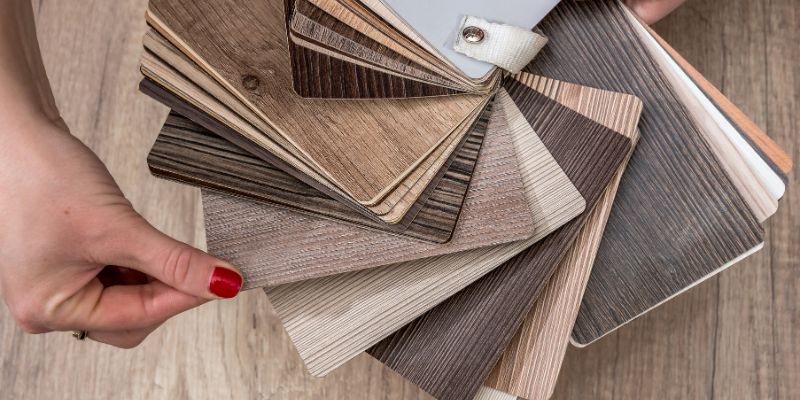
- Consider Your Space: Think about where you’re installing it. For my bathroom, I chose a water-resistant option with a stone look. For my guest room, I went with a wood-grain design for warmth.
- Check Thickness: Thicker rolls (0.3–0.5 mm) are more durable and feel better underfoot. I made the mistake of buying a super thin roll for my hallway, and it didn’t hold up as well.
- Look at Adhesive Quality: Not all adhesives are created equal. I learned to check reviews for brands with strong, long-lasting stick. DuraDecor and FloorPops were my go-to brands after some trial and error.
- Match Your Style: Pick a design that fits your home. I love how my oak-look roll blends with my farmhouse decor, but there are modern, colorful patterns for bolder tastes.
- Read Product Specs: Some rolls can go over existing vinyl or tile, while others need a specific subfloor. I always double-check the manufacturer’s guidelines to avoid surprises.
Preparing Your Space: My Step-by-Step Process
Before I laid my first roll, I underestimated how important prep work is. Trust me, a little effort here makes a huge difference. Here’s how I get my floors ready:
- Clean the Subfloor: I sweep, vacuum, and mop to remove all dust and debris. Once, I missed a tiny speck of dirt, and it created a bump under the vinyl that drove me nuts.
- Check for Level: I use a straightedge to find dips or bumps. If I find any, I fill them with a leveling compound. Plywood subfloors need to be sanded smooth.
- Remove Baseboards: Taking off quarter-round molding makes the edges look cleaner. I did this in my mudroom, and it gave the floor a polished finish.
- Acclimate the Vinyl: I let the rolls sit in the room for 48 hours to adjust to the temperature. This prevents shrinking or expanding later.
- Test the Layout: I do a dry run by laying out the roll without peeling the backing. This helps me plan cuts and avoid wasting material.
How to Install Peel and Stick Vinyl Flooring Roll Like a Pro
Installing peel and stick vinyl rolls is easier than you might think, but there are tricks to make it look flawless. Here’s how I did it in my laundry room:
- Start in the Center: I find the room’s center with chalk lines to keep the pattern straight. This is crucial for large spaces to avoid wonky alignments.
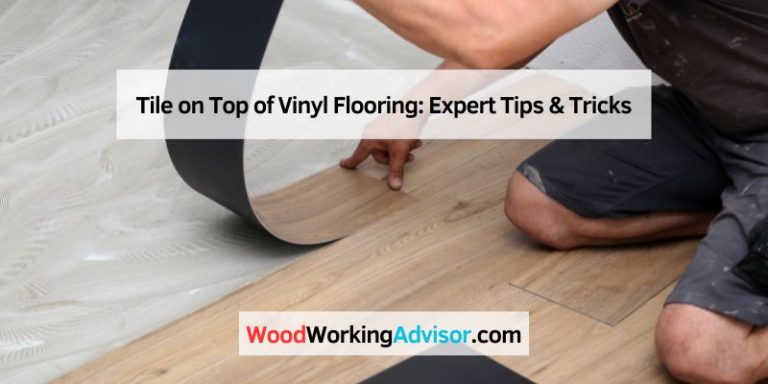
- Peel and Stick: I peel off the backing and carefully press the vinyl onto the floor, starting at one edge and smoothing it out to avoid bubbles.
- Cut to Fit: Using a utility knife and a straightedge, I trim the edges to fit around corners and obstacles. A sharp blade is key for clean cuts.
- Roll for Adhesion: After laying a section, I use a floor roller to press it down firmly. This activates the adhesive and ensures it sticks.
- Leave an Expansion Gap: I leave a tiny 1/32-inch gap around the edges to allow for temperature changes. This saved me from buckling in my bathroom.
- Reinstall Baseboards: Once the floor is down, I put the baseboards back for a finished look.
It took me about four hours to do my 150-square-foot laundry room, and I was thrilled with the result. If I can do it, you can too!
Maintenance Tips to Keep Your Flooring Looking Great
One reason I love peel and stick vinyl is how easy it is to maintain. Here’s what I do to keep my floors looking fresh:
- Sweep Regularly: I sweep daily to keep dirt from scratching the surface. A soft-bristle broom works best.
- Mop with Care: I use a damp mop with a mild cleaner. Too much water can seep into seams, so I avoid soaking the floor.
- Wipe Spills Quickly: In my kitchen, I clean up spills right away to prevent water damage.
- Use Furniture Pads: I put felt pads under furniture legs to avoid scratches. This saved my guest room floor from a heavy dresser.
- Avoid Direct Sunlight: I use curtains in sunny rooms to prevent the adhesive from weakening over time.
Where to Use Peel and Stick Vinyl Flooring Rolls
I’ve used these rolls in different rooms, and they shine in certain spaces. Here’s where they work best:
- Kitchens: They’re water-resistant and easy to clean, but I’d avoid them in super busy kitchens due to wear.
- Bathrooms: Perfect for small bathrooms like mine, where splashes are common but not constant.
- Laundry Rooms: My laundry room floor looks great and handles occasional spills well.
- Guest Rooms or Closets: These low-traffic areas are ideal for long-lasting results.
- Rentals: My sister used them in her apartment because they’re removable without damaging the original floor.
I wouldn’t recommend them for high-traffic areas like living rooms or entryways unless you’re okay with replacing them every few years.
Common Mistakes to Avoid
I’ve made my share of mistakes, so let me save you some trouble. Here’s what to watch out for:
- Skipping Subfloor Prep: I once laid vinyl over a slightly uneven floor, and every imperfection showed through. Take time to level and clean.
- Not Acclimating the Vinyl: I rushed one project and didn’t let the rolls sit, leading to slight shrinking later.
- Misaligning the First Piece: If your first section is off, the whole floor will be crooked. I learned to double-check with a level.
- Using Dull Blades: A dull utility knife made my cuts jagged. Always use a sharp blade for clean edges.
- Ignoring Expansion Gaps: I forgot this once, and the floor buckled slightly in summer heat.
Comparing Peel and Stick Vinyl Rolls to Other Flooring Options
When I was choosing flooring, I compared peel and stick vinyl rolls to other options. Here’s how they stack up:
- Hardwood: Beautiful and long-lasting but expensive and high-maintenance. I chose vinyl for my budget and ease.
- Ceramic Tile: Durable and waterproof but tricky to install. Vinyl was faster and cheaper for my mudroom.
- Laminate: Looks great but needs underlayment and isn’t as water-resistant. Vinyl was simpler for my bathroom.
- Sheet Vinyl: Similar to rolls but often requires glue and professional installation. Peel and stick was more DIY-friendly.
For me, the balance of cost, ease, and style made vinyl rolls the winner for most projects.
My Favorite Brands and Where to Buy
After trying a few brands, I have some favorites. DuraDecor and FloorPops stood out for their adhesive quality and design variety. I also liked options from Home Depot and Lowe’s for their affordability and in-store pickup. Online, Amazon has a huge selection, but I always check reviews to avoid low-quality rolls. Prices typically range from $1 to $5 per square foot, so shop around for deals.

Environmental Considerations
I care about sustainability, so I looked into the eco-friendliness of peel and stick vinyl. Some brands use recycled materials or low-VOC adhesives, which I prefer. However, vinyl isn’t as eco-friendly as hardwood or cork. If this matters to you, look for brands like LX Hausys that prioritize environmental safety. Also, since it’s not easily recyclable, plan to use it in spaces where it’ll last to reduce waste.
How Long Will It Last?
In my experience, peel and stick vinyl rolls last 5 to 20 years, depending on the room and care. My guest room floor is still perfect after three years, but my kitchen needed touch-ups after two. Quality installation, low traffic, and good maintenance make a big difference. If a section gets damaged, you can replace just that part, which I’ve done in my laundry room.
Conclusion
After using peel and stick vinyl flooring rolls in multiple rooms, I’m hooked. They’re affordable, easy to install, and look fantastic without the hassle of traditional flooring. Whether you’re a renter, a DIY newbie, or just want a quick refresh, these rolls deliver. I’ve transformed my mudroom, laundry room, and guest room on a budget, and every time, I’m amazed at the results. Sure, they’re not perfect for every space, but with proper prep and care, they can work wonders. So, grab a roll, a utility knife, and some enthusiasm—you’ll be amazed at how easy it is to give your home a fresh new look. Let me know how it goes for you!
FAQs
Can I Install Peel and Stick Vinyl Flooring Roll Over Existing Vinyl?
Yes, you can, as long as the existing vinyl is flat, clean, and well-adhered. I did this in my kitchen, but I made sure to clean it thoroughly with a degreaser first. If the old vinyl is peeling or damaged, remove it to avoid issues.
Is Peel and Stick Vinyl Flooring Roll Waterproof?
It’s water-resistant, not fully waterproof. I’ve used it in my bathroom, and it handles splashes fine, but standing water can seep into seams. Clean up spills quickly to prevent damage.
How Do I Remove Peel and Stick Vinyl Flooring?
It’s pretty simple! I helped my sister remove hers from her rental. Just lift a corner with a putty knife, peel slowly, and clean any adhesive residue with a solvent like Goo Gone. It came up without damaging the original floor.
Can I Use Peel and Stick Vinyl Rolls in a High-Traffic Area?
I wouldn’t recommend it. In my busy kitchen, the edges started lifting after a year. It’s better for low-traffic spots like bedrooms or closets where it can last longer.
Do I Need an Underlayment for Peel and Stick Vinyl Flooring Roll?
Usually, no. I’ve never used one, as the rolls stick directly to a clean, flat subfloor. But if your subfloor is uneven, a thin plywood underlayment can help create a smooth surface.