PVC Fence vs Wood Fence Cost: Which Pays Off Faster? (2026)
Wood fences cost less upfront — $18 to $50 per linear foot installed — while PVC (vinyl) runs $28 to $60, but wood’s restaining every 2 to 3 years at $4 to $14 per foot erases that gap by around year five. Skipping a stain cycle can cut 5 to 10 years off a wood fence’s life. This guide breaks down installation cost, 20-year maintenance totals, durability, and which material actually saves more over time.
Cost Comparison: PVC vs Wood Per Linear Foot (2026)
Best Wood Fence Stain Pick
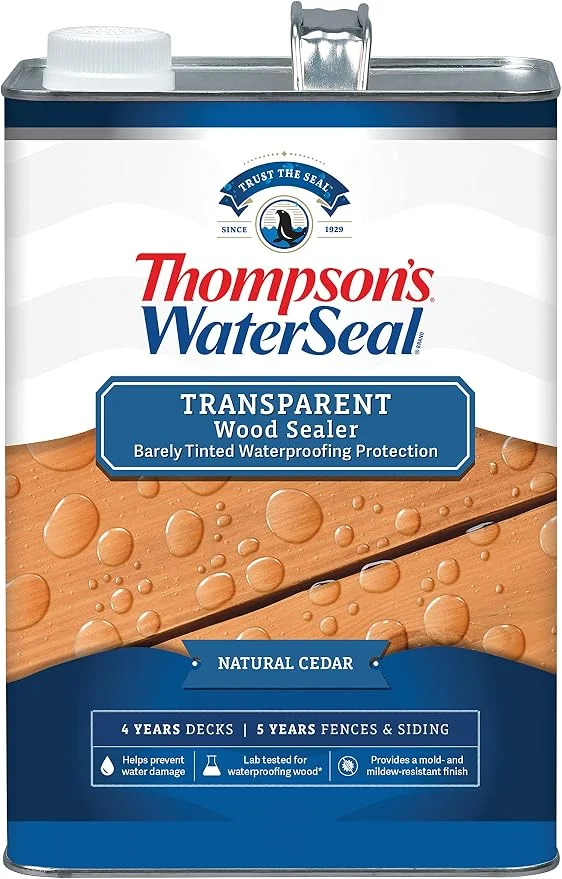 |
Thompson’s WaterSeal Transparent Wood Stain & Sealer, Natural Cedar – $29.94 Waterproofs and tints in one coat for the 2-3 year restain cycle wood fences need to hit the lifespan numbers above — one gallon covers roughly 150-175 sq ft.
|
Installed pricing varies by wood species and vinyl panel style, but national 2026 averages put PVC fencing above wood on day one:
| Fence Type | Installed Cost / Linear Ft | 6-Ft Privacy, 150 Ft Run |
|---|---|---|
| Pressure-treated pine | $18 – $38 | $2,700 – $5,700 |
| Cedar | $25 – $55 | $3,750 – $8,250 |
| PVC / vinyl privacy | $28 – $60 (up to $85 for premium panels) | $4,200 – $9,000 |
Pressure-treated pine is the cheapest fence you can install; cedar and vinyl overlap in price more than most buyers expect. The real cost gap between wood and PVC isn’t the install — it’s what happens over the next 15 to 20 years. Whichever material you pick, budget for upkeep separately from the install quote: if you go with wood, the stain you choose is the single item that decides whether your 15-20 year total stays close to vinyl’s or blows past it.
The Break-Even Point: When Does Wood Stop Saving You Money?
Take a mid-range 150-foot cedar fence: roughly $6,000 installed versus $6,600 for a comparable vinyl fence — only a $600 premium for PVC in this example. Cedar needs restaining every 2 to 3 years at $4 to $14 per foot, or $600 to $2,100 per cycle. One restain alone can already exceed the entire PVC premium.
Even at the low end of staining cost, two cycles over 5 years ($1,200+) outpaces what you saved by choosing wood in the first place. Skip a cycle to save money short-term and you risk shaving 5 to 10 years off the fence’s life — which then forces a full replacement sooner, wiping out any remaining savings.
📊 Wood fence staining costs $4–$14 per linear foot and is recommended every 2–3 years — Source: Ergeon 2026 Fence Staining Cost Guide
Durability and Lifespan
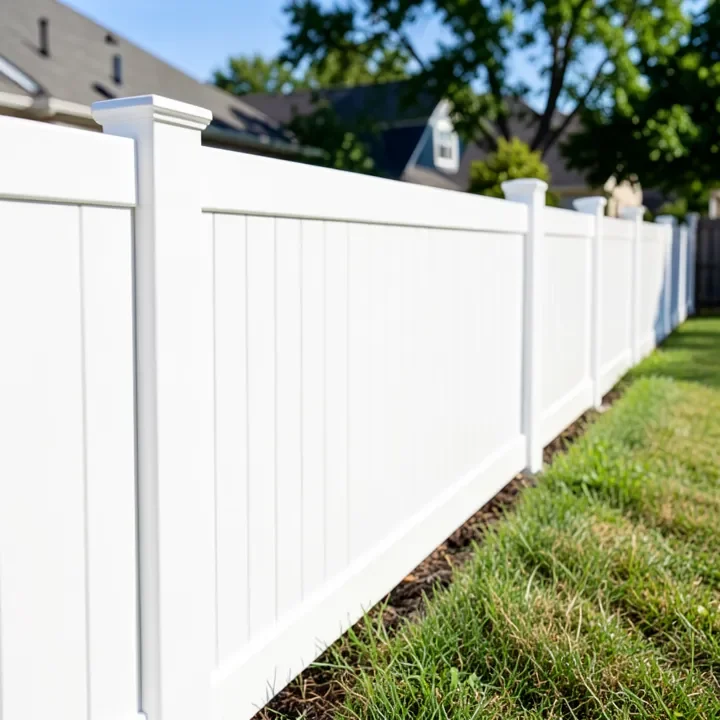
PVC fencing is a synthetic polyvinyl chloride panel system that resists moisture, rot, and insect damage without any coating. It typically lasts 20 to 30 years and won’t warp, twist, or need refinishing — only occasional soap-and-water cleaning.
Wood fences, especially cedar or redwood, resist decay naturally better than pine but still lose structural integrity without upkeep. A maintained cedar fence typically lasts 15 to 20 years; an unmaintained one can fail in under 10. That gap — not the material itself — is what usually decides whether wood or PVC ends up cheaper over the fence’s full life.
Aesthetic Appeal
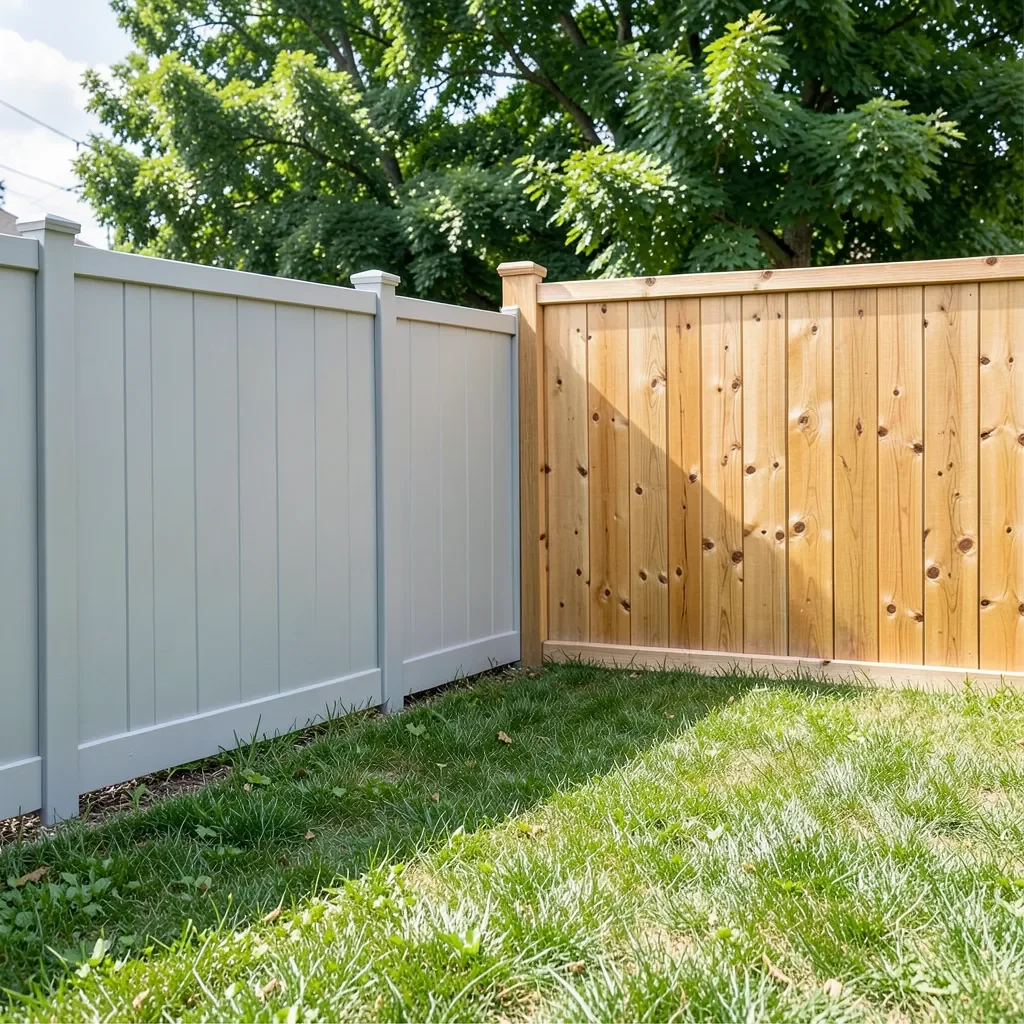
PVC fencing gives a clean, uniform look in white, tan, or gray, with a smooth finish that reads more modern. It won’t take a custom stain color. Wood fencing takes any stain or paint color, develops a natural grain texture, and fits rustic or traditional exteriors that vinyl generally can’t match — a real factor for resale appeal in some neighborhoods.
Maintenance Requirements
PVC needs a hose-down or soap-and-water wash a couple of times a year and nothing else. Wood needs a fresh coat of stain or sealer every 2 to 3 years (3 to 4 years for cedar) to keep water from getting into the grain and starting rot.
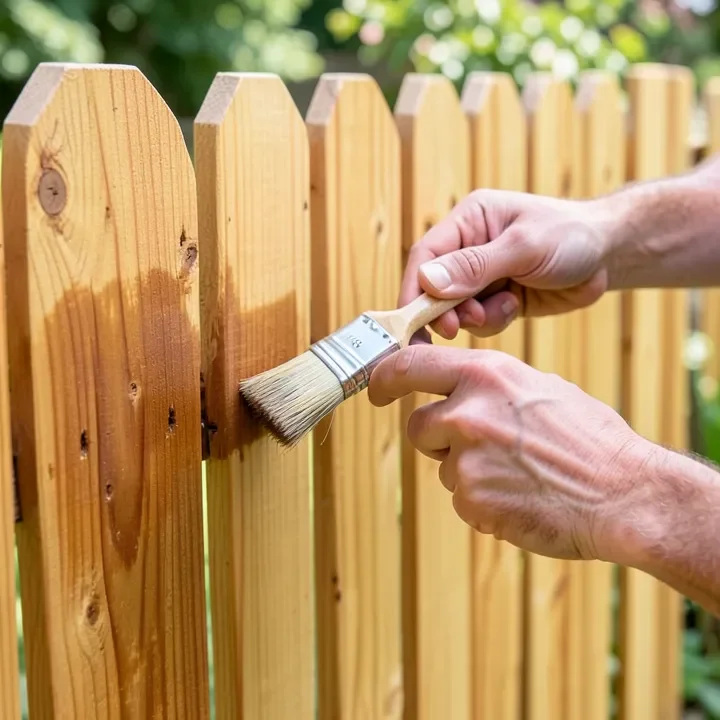
Going with wood doesn’t have to mean high maintenance cost if you budget for it: a single gallon of a quality waterproofing stain like the one above covers roughly 150–175 sq ft and runs about $30, which is well below professional staining rates if you’re willing to apply it yourself on a weekend.
“If a homeowner isn’t going to reliably restain a wood fence every 2 to 3 years, we’d steer them toward PVC every time — the math only favors wood when the maintenance schedule is actually kept.”
Environmental Impact
Wood is a renewable, biodegradable resource; when sourced from a certified sustainable forest, it has a lower lifecycle carbon footprint than PVC. PVC fencing is made from petroleum-based synthetic material, isn’t biodegradable, and can release harmful compounds if burned, though it also doesn’t require the herbicides, stains, or sealants used to maintain wood over time.
| Fence Type | Environmental Impact |
|---|---|
| PVC Fence | Higher production carbon footprint, non-renewable feedstock, not biodegradable |
| Wood Fence | Lower carbon footprint if sustainably sourced, biodegradable, but needs periodic chemical stain/sealant |
Installation Considerations
PVC panels are lightweight and largely interlocking, so a crew typically installs a PVC fence faster with less labor than the cut-and-fasten process wood requires board by board. That labor difference is part of why installed PVC pricing sometimes lands closer to cedar than buyers expect — material savings on wood get offset by labor.
For a deeper look at picket sizing, spacing, and grade options if you go with wood, see our guide to wood fence pickets, and check spacing requirements with our fence post spacing calculator before ordering material.
Frequently Asked Questions
Is PVC fencing cheaper than wood?
Not upfront. PVC/vinyl typically costs $28 to $60 per linear foot installed versus $18 to $50 for wood. PVC becomes cheaper over time because it needs no staining, while wood’s restaining cost of $4 to $14 per foot every 2 to 3 years usually erases the initial savings by around year five.
What are the disadvantages of PVC fencing?
PVC fencing can become brittle and crack in very cold weather, can discolor or chalk over decades of UV exposure, costs more upfront than wood, and isn’t biodegradable, which some buyers weigh as an environmental drawback.
Should I buy a wood or vinyl fence?
Buy wood if you want a natural look, a custom stain color, and you’ll commit to restaining every 2 to 3 years. Buy vinyl if you want the lowest long-term maintenance and don’t mind the higher upfront cost or limited color options.
How long does a PVC fence last compared to a wood fence?
PVC fencing typically lasts 20 to 30 years with only occasional cleaning. A well-maintained cedar wood fence lasts 15 to 20 years, but an unmaintained one can fail in under 10 years once rot or insect damage sets in.
Conclusion
Wood wins on upfront price and natural look; PVC wins on total cost once you factor in 15-20 years of restaining. If you want the lowest lifetime cost and are fine with vinyl’s limited colors, choose PVC. If you want a customizable, natural-look fence and will actually keep up with staining every 2 to 3 years, wood remains a solid, budget-friendly choice.
Sponsored / affiliate links. As an Amazon Associate I earn from qualifying purchases. I may earn additional commission from eligible campaigns.