Types of Wood for Cabinet Making: Best Species for Doors, Boxes & Budget (2026)
Not every wood on this list belongs on every part of a cabinet. The doors and face frames you see and touch every day are almost always solid hardwood – oak, maple, cherry, walnut – chosen for grain, color, and how well it takes a finish. The boxes hiding behind those doors are usually a different material altogether: most working cabinet shops build the box out of plywood or MDF, not solid lumber, because a sheet good stays flat across a wide panel in a way solid wood doesn’t.
This guide covers the real species used for cabinet doors and face frames – what each one costs, how hard it is, and how it wears over time – plus one detail most “types of wood for cabinets” articles skip entirely: cherry doesn’t just look different when it’s new. It visibly darkens over the following months as it’s exposed to light, which catches a lot of homeowners off guard after they’ve already committed to a color.
Hardwood vs. Softwood for Cabinets
Best UV-Protective Cabinet Topcoat
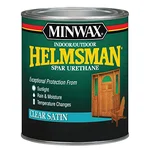 |
Minwax Helmsman Indoor/Outdoor Spar Urethane, Quart, Satin – $27.41 A spar urethane is formulated with UV-blocking additives that regular interior polyurethane doesn’t have – the same additives that slow the natural color-shift in cherry and other light-sensitive hardwoods discussed below.
|
Hardwood comes from broadleaf, deciduous trees like oak and maple; softwood comes from coniferous trees like pine and fir. The names are about the tree, not always the actual density of the wood – some softwoods are surprisingly hard and some hardwoods are fairly soft – but for cabinet-grade lumber the general pattern holds: hardwoods run denser and more wear-resistant, softwoods run lighter, cheaper, and easier to mill.
Characteristics of Hardwood
- Density: Measured on the Janka hardness scale, hard maple (roughly 1,450 lbf) and red oak (roughly 1,290 lbf) both resist dents from everyday kitchen use far better than a softwood door would.
- Durability: A solid hardwood door or face frame can be sanded and refinished multiple times over decades, which is the main reason it’s still the default for anything you touch and see, even in kitchens built mostly from plywood boxes.
- Appearance: Real grain, real color variation board to board – the exact thing paint-grade MDF doors are built to avoid.
- Stability: Properly kiln-dried hardwood moves less with humidity swings than a cheap, wet softwood board, which matters on a face frame that has to stay flush against cabinet boxes for years.
Characteristics of Softwood
- Availability and cost: Pine and fir are grown and harvested faster than hardwoods, which keeps board prices meaningfully lower.
- Workability: Softer fibers cut and rout faster and put less strain on blades, which is part of why softwood shows up more in shop cabinetry and utility builds than in kitchens.
- Weight: A pine face frame is noticeably lighter than the same dimensions in oak – a real factor on tall pantry cabinet doors and their hinges.
- Finish flexibility: Most softwoods take paint well, which is why they show up in cottage-style or painted cabinetry more than in stain-grade work, where the plainer, more resin-streaked grain doesn’t compete with hardwood’s figure.
Popular Hardwoods for Cabinet Doors and Face Frames
These four hardwoods cover the large majority of cabinet doors and face frames actually being built today, from budget builder-grade kitchens to custom shop work.
Oak
Oak has been the default cabinet hardwood for decades because it’s strong, widely available, and takes stain unevenly in a way that reads as “real wood grain” rather than a flaw. There are two common types used in cabinet making: red oak, which has a reddish-brown cast and a coarse, prominent grain, and white oak, which runs lighter and more golden with a tighter grain pattern and better natural water resistance. Both stain or paint well, though oak’s open grain means it needs a grain filler for a truly smooth painted finish.
Maple
Maple is the most cost-effective premium hardwood for cabinets, and it’s the wood behind most builder-grade “wood cabinet” kitchens that aren’t oak. Its tight, closed grain paints to a smoother finish than oak without filler, and its pale, uniform color makes it forgiving under both light stains and solid paint colors. Hard maple runs harder than red oak on the Janka scale (around 1,450 lbf versus roughly 1,290 lbf), which is part of why it holds up so well as a paint-grade door material in busy kitchens.
Cherry
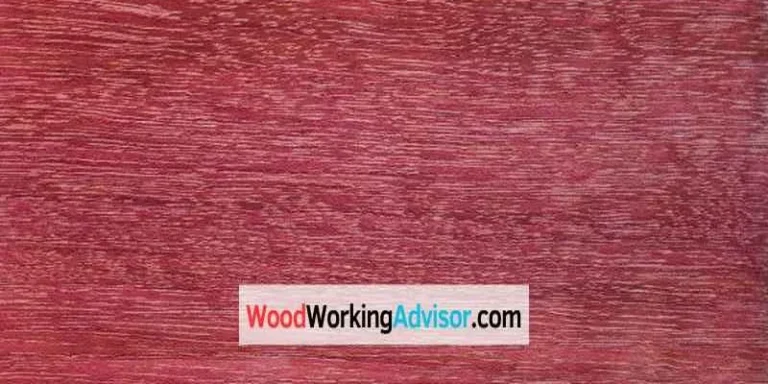
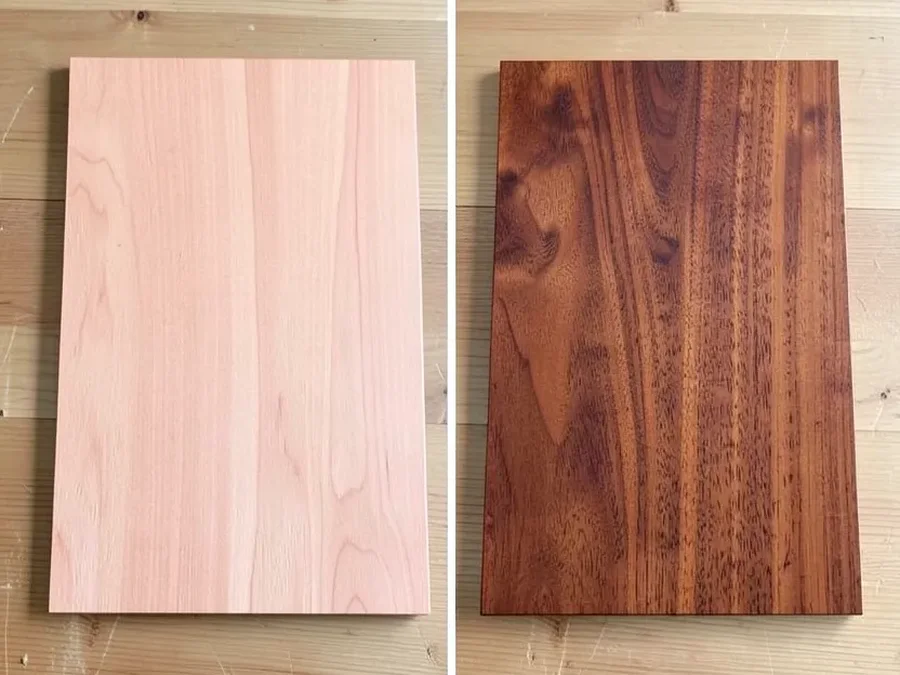
Cherry is the classic premium choice for a warm, reddish-brown cabinet, and it’s genuinely softer than oak or maple (roughly 950 lbf on the Janka scale), which is a real tradeoff for the color. The detail most buying guides leave out: cherry is photosensitive. Fresh-cut cherry starts out a pale pinkish-tan, and it darkens and deepens toward that familiar reddish-brown color over the following months of exposure to ordinary daylight and indoor lighting – not from wear or dirt, just light itself. That’s why a cherry cabinet door tucked behind a cutting board, spice rack, or wall calendar for a few months will visibly not match the surrounding doors once you move the object – a real surprise for homeowners who picked cherry for a specific shade and didn’t expect it to keep shifting after installation.
Birch
Solid birch is a budget-friendly alternative to maple with a similarly tight, closed grain, which is why it’s a common substitute on lower-cost cabinet lines that still want a paintable, grain-free look. It’s slightly softer than hard maple but still holds up well as a door or face-frame material; birch plywood, a different product entirely, is the more common way birch actually shows up in a cabinet box rather than a door.
Popular Softwoods for Cabinets
Softwoods are a much smaller share of cabinet work, mainly because their softer surface dents more easily under daily kitchen use. They still have a real place, especially outside the kitchen or under paint.
Pine
Pine is light-colored with a visible, straight grain and knots that read as rustic rather than a flaw in cottage or farmhouse-style cabinetry. It’s one of the softest common cabinet woods, so it dents and dings more easily than oak or maple – a real consideration for lower cabinets that take daily abuse from vacuum cleaners and dropped cans.
Cedar
Cedar is a fragrant softwood that is naturally resistant to rot and insects, which makes it a better fit for outdoor cabinetry, mudroom benches, or linen closets than for a kitchen, where its softness and strong scent are less welcome around food.
Fir
Douglas fir runs harder than pine (roughly 660 lbf versus pine’s 380-420 lbf range) with a straighter, more uniform grain, which is why it shows up more often in shop cabinetry, workbenches, and utility builds where some real durability matters but a hardwood price tag doesn’t make sense.
Exotic and Premium Woods for Luxury Cabinets
Beyond the standard hardwoods, a handful of denser, richer-colored species show up in high-end custom cabinetry, usually as a statement piece – a kitchen island, a bar, or a study – rather than a whole-kitchen material, largely because of cost.
Mahogany
Mahogany has a rich, reddish-brown color and fine, mostly straight grain, and it’s often compared directly to cherry since both land in a similar warm color family – mahogany is generally the more stable and more expensive of the two, with less of cherry’s dramatic light-driven color shift.
Walnut
Black walnut brings a deep chocolate-brown color with a straight to slightly wavy grain, and it’s genuinely one of the more expensive domestic hardwoods – the tradeoff is a color and grain that most other species can only approximate with stain. Unlike cherry, walnut’s color is fairly stable over time, though it can lighten very slightly with prolonged sun exposure rather than darken.
Rosewood
Rosewood is prized for its dark, swirling grain patterns, but most rosewood species have been listed under CITES (the international convention on trade in endangered species) since 2017, which restricts cross-border sale and shipment of the raw lumber. In practice, that means genuine rosewood cabinetry today is rare, expensive, and usually built from reclaimed stock or pre-restriction inventory rather than newly harvested lumber – worth knowing before specifying it on a real project.
Solid Wood Doors, Plywood or MDF Boxes: The Hybrid Approach Most Shops Use
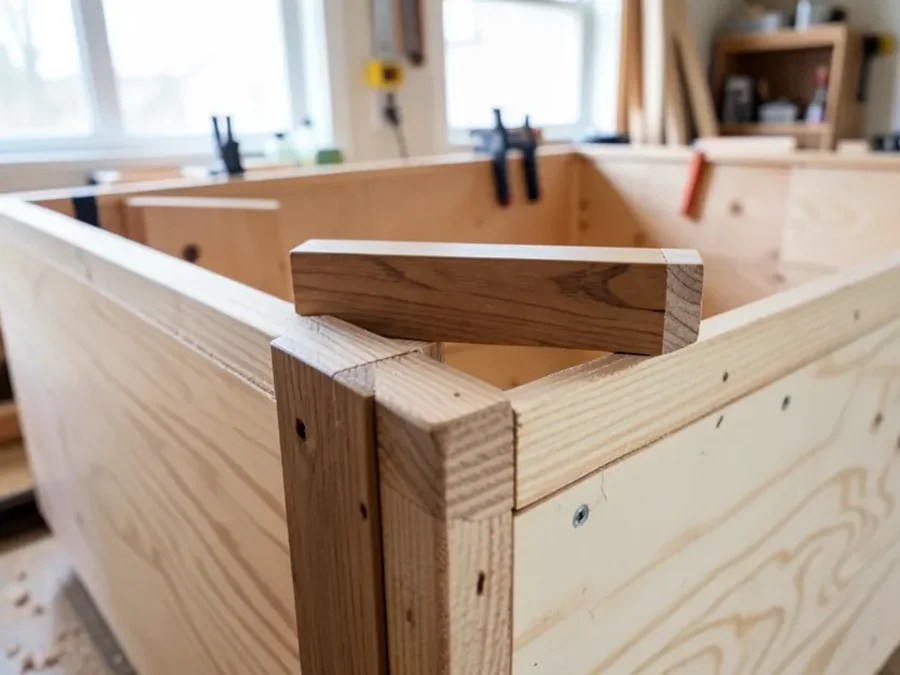
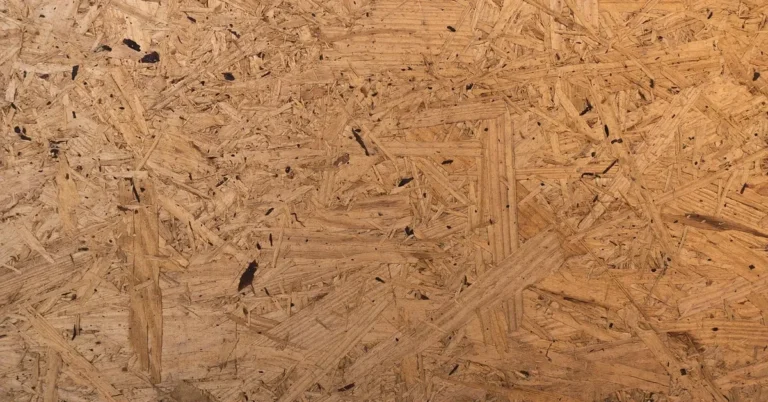
Everything above covers species selection, but it’s worth being direct about where solid wood actually goes in a real cabinet: almost never the box. A cabinet box (the carcass behind the doors) is nearly always built from plywood or MDF today, not solid lumber, because sheet goods stay flat across a wide panel and resist the seasonal expansion and contraction that would eventually rack a solid-wood box out of square. Solid hardwood earns its cost on the parts you actually see and touch – doors, face frames, drawer fronts – where grain, color, and refinishing potential matter more than dimensional stability across a large panel.
We cover that box-material decision in full – plywood versus MDF for the cabinet box itself, including moisture risk near a sink or dishwasher and why most shops still reach for MDF on painted doors – in a separate guide, so we won’t repeat the full case here. If you already know your box will be plywood, our guide to calculating how many sheets you need for a full kitchen run is the next practical step.
Frequently Asked Questions on Types of Wood for Cabinet Making
What type of wood is best for cabinets?
There’s no single best wood – it depends on the part of the cabinet and your budget. Oak and maple are the two most common hardwoods for doors and face frames because of their strength and stain versatility, cherry and walnut cost more but offer a distinct premium color, and the box itself is almost always plywood or MDF rather than solid wood at all.
What’s the difference between using wood for cabinet doors versus cabinet boxes?
Doors and face frames are almost always solid hardwood because you see and touch them, and they can be refinished over time. Boxes are almost always plywood or MDF because sheet goods stay flat and stable across a wide panel in a way solid lumber doesn’t, which matters more for structure than for looks.
Why does cherry wood darken over time?
Cherry is genuinely photosensitive – ordinary light exposure triggers a chemical change in the wood’s surface that deepens its color from a pale pinkish-tan toward the familiar reddish-brown most people associate with cherry cabinets. It’s a real, gradual shift that continues for months after installation, not a defect or a sign of aging damage.
Is maple or oak better for kitchen cabinets?
Both hold up well; the choice usually comes down to look and finish. Maple’s tight, closed grain paints to a smoother finish and suits a modern, uniform look, while oak’s more open, prominent grain reads as a classic, traditional wood-grain cabinet under stain.
What wood is used for high-end or luxury cabinets?
High-end cabinets typically use walnut, cherry, or mahogany for their rich, premium color, or occasionally rosewood for a rare, high-contrast grain – though genuine rosewood is now scarce and expensive due to international trade restrictions on the species.
Conclusion
Pick the species for your doors and face frames based on color, hardness, and budget – oak and maple for value and versatility, cherry and walnut for a premium look, and go in knowing cherry will keep darkening for months after installation. For the box itself, don’t fight the material choice: plywood or MDF, not solid wood, is what actually holds a cabinet together for the long run.
Sponsored / affiliate links. As an Amazon Associate I earn from qualifying purchases. I may earn additional commission from eligible campaigns.