What Color Is Alder Wood? (Raw vs. Stained Color Guide)
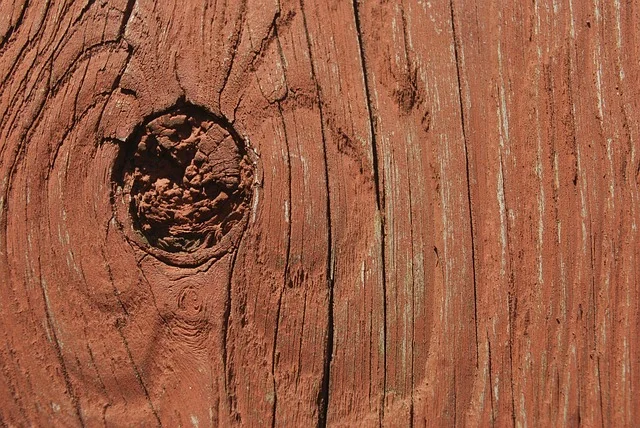
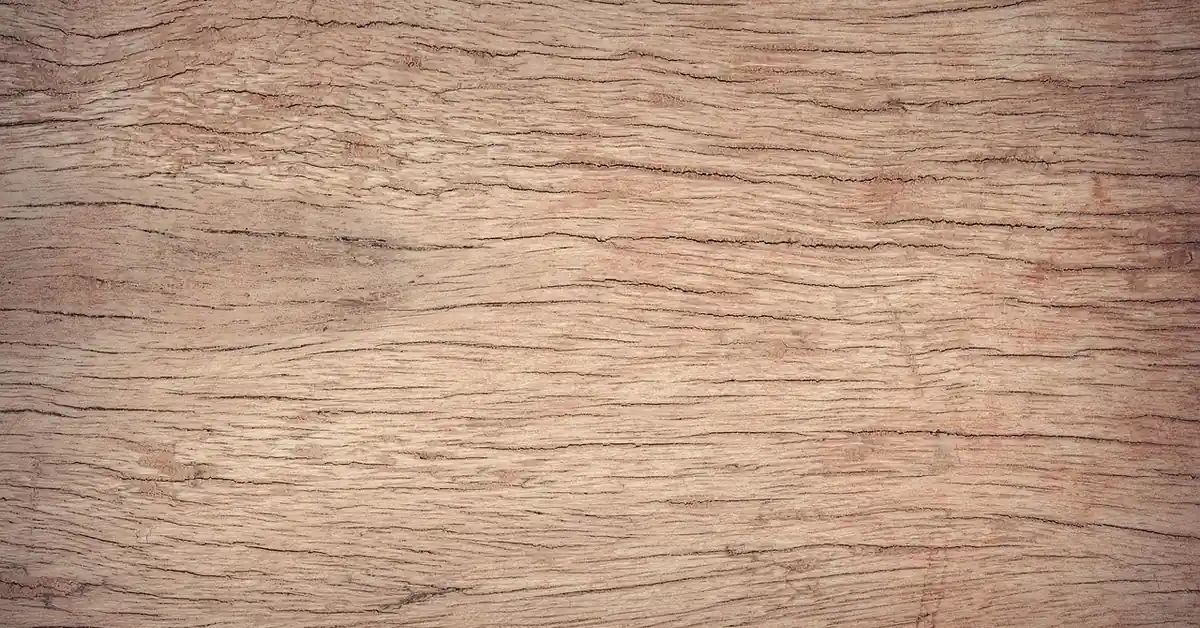
Alder wood is light tan to reddish-brown, and its heartwood and sapwood blend with no visible line between them, unlike cherry. It darkens and reddens as light and air reach it, and its porous, diffuse grain (Janka 590) absorbs stain unevenly unless conditioned first. This guide covers alder’s raw color range, how it ages, and how it looks under a pre-stain conditioner and two common stain tones.
What Color Is Alder Wood?
Best Alder Stain-Prep Pick
Furniture Clinic Pre-Stain Wood Conditioner – $11.95
Alder is a porous, diffuse-grain hardwood, exactly the kind of wood this conditioner’s label calls out by name for uneven-absorption problems — apply it before any stain to avoid the blotchy patches raw alder is prone to.
- Best for: Prepping alder before staining to prevent blotching
- Why we picked it: Its own label names alder specifically as a porous wood it evens out
- Main drawback: Small 8.5 oz bottle covers only a few small projects
Compare more alder stain-prep options
 Option 1 General Finishes Pre-Stain Wood Conditioner – $19.99
|
 Option 2 Varathane Pre-Stain Wood Conditioner – $18.29
|
 Option 3 Varathane Dark Walnut Gel Stain – $10.59
|
As an Amazon Associate we earn from qualifying purchases.
Alder wood is light tan to reddish-brown, with a fine, mostly straight grain and no visible line between heartwood and sapwood — the two blend into one continuous color, unlike cherry or walnut where they contrast. Large aggregate rays sometimes show up as small streaks across the face grain, which can look like a defect but is a normal part of alder’s structure.
According to the Wood Database, this color range comes from red alder specifically — the species that supplies most of the alder lumber sold for cabinetry and furniture in North America.
📊 Alder rates 590 lbf on the Janka hardness scale — roughly half of red oak’s 1,290, which is why it dents more easily but also why it takes a conditioner and stain so readily. Source: Wood Database, Red Alder
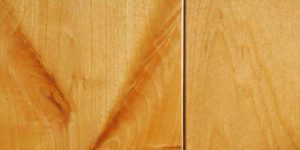
How Alder Wood Looks: Raw vs. Stained
Raw alder starts pale tan and looks fine left natural or under a clear topcoat. The catch is its diffuse, porous grain: applied straight, liquid stain soaks in unevenly and leaves blotchy dark patches, the same problem pine and cherry have. A pre-stain conditioner seals the grain first so color goes on even.
| Finish | What It Looks Like on Alder | Best For |
|---|---|---|
| Raw / clear coat only | Pale tan, darkening slightly over months | Modern, natural-wood cabinets |
| Conditioner + light stain | Warm honey-tan, grain still visible | Matching existing maple or birch trim |
| Conditioner + walnut gel stain | Deep reddish-brown, close to aged cherry | Traditional furniture and cabinet doors |
Does Alder Wood Darken With Age?
Yes. Freshly milled alder is nearly pale blonde, and it deepens into its familiar tan-to-reddish-brown tone over weeks to months as light and air reach the surface — the same oxidation process that darkens cherry, just less dramatic. A film finish (varnish, lacquer) slows this shift; leaving wood fully exposed to direct sunlight speeds it up.
“light tan to reddish brown”
That’s the Wood Database’s own description of red alder’s base color, and unlike cherry, it notes there’s no visible boundary between alder’s heartwood and sapwood — the color shift with age is uniform across the whole board rather than concentrated in one part.
Alder Wood Grain Pattern
Standard alder has a subtle, relatively straight grain that reads as smooth and uniform once finished, which is part of why its color looks so even compared to a busier-grained wood like oak. Knotty alder is the same species left with its natural knots intact, and those knots show up as darker, more reddish-brown spots against the lighter background — a rustic look some buyers pay a premium for specifically.
Alder Wood Color vs. Similar Woods
Alder’s closest color match is cherry wood — both start pale and deepen to a warm reddish-brown with age. It’s a common, budget-friendly substitute in cabinetry for exactly that reason. Against maple, the difference is more obvious: maple stays much paler for longer and takes on far less red, while alder’s tone warms up noticeably within the first year.
| Wood | Typical Color | Janka Hardness |
|---|---|---|
| Alder | Light tan to reddish-brown | 590 lbf |
| Cherry | Pale pink deepening to red-brown | 950 lbf |
| Soft Maple | Pale cream to light tan | 950 lbf |
| Red Oak | Medium reddish-tan | 1,290 lbf |
See Alder vs. Maple and Alder vs. Birch for a full breakdown beyond just color.
Common Uses Where Alder’s Color Shines
Alder’s warm, even tone and modest price make it a favorite for cabinet doors and drawer fronts, where a uniform color across many pieces matters more than raw hardness. It’s also common in indoor furniture — tables, chairs, dressers — where its softness (590 lbf) is a fair trade for its good looks and easy machining. It belongs in the same general types of wood family as cherry and soft maple for these reasons.
Frequently Asked Questions
What colors are alderwood?
Alderwood is a light tan to reddish brown wood color. The color darkens and reddens with age. It has a subtle, relatively straight grain pattern and a reddish hue similar to cherry. Alderwood is a fine-grained hardwood similar in color to birch, maple, and cherry.
Is alder wood dark?
Not naturally — freshly milled alder starts light tan and only deepens into a darker reddish-brown after months of light and air exposure. It never gets as dark as walnut or espresso-stained oak without help from a stain.
What wood is similar in color to alder?
Cherry is the closest match, since both start pale and deepen to a warm reddish-brown with age. Birch and soft maple are also close, though maple stays paler for longer and takes on less red.
How can you tell if wood is alder?
Alder is light tan to reddish brown, with the color darkening and reddening as it ages. It has a subtle, straight grain pattern, and the heartwood and sapwood blend seamlessly — unlike cherry, where the two are easier to tell apart. Alder is often used for cabinet doors.
Does alder wood darken with age?
Yes. Freshly cut alder is pale, almost blonde, and deepens into a warmer tan-to-reddish-brown tone over weeks to months of exposure to light and air — the same natural oxidation process that darkens cherry.
What stain color looks best on alder wood?
A pre-stain conditioner first, then a medium-to-dark gel stain (walnut or espresso), gives the most even, professional-looking result. Gel stain sits on the porous grain instead of soaking in unevenly, which is what causes the blotchy patches raw alder is known for under liquid stains.
Conclusion
Alder wood is light tan to reddish-brown, deepening with age into a tone close to cherry, and its porous grain means a pre-stain conditioner is worth the extra step before any liquid or gel stain. Left raw or clear-coated, it ages gracefully on its own; conditioned and gel-stained, it can pass for a much pricier hardwood.
Sponsored / affiliate links. As an Amazon Associate I earn from qualifying purchases. I may earn additional commission from eligible campaigns.