What Color is Java Wood? Here’s What You Need To Know
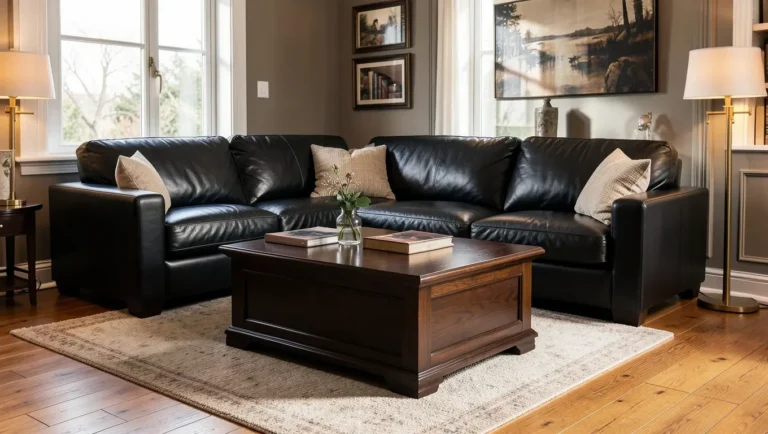
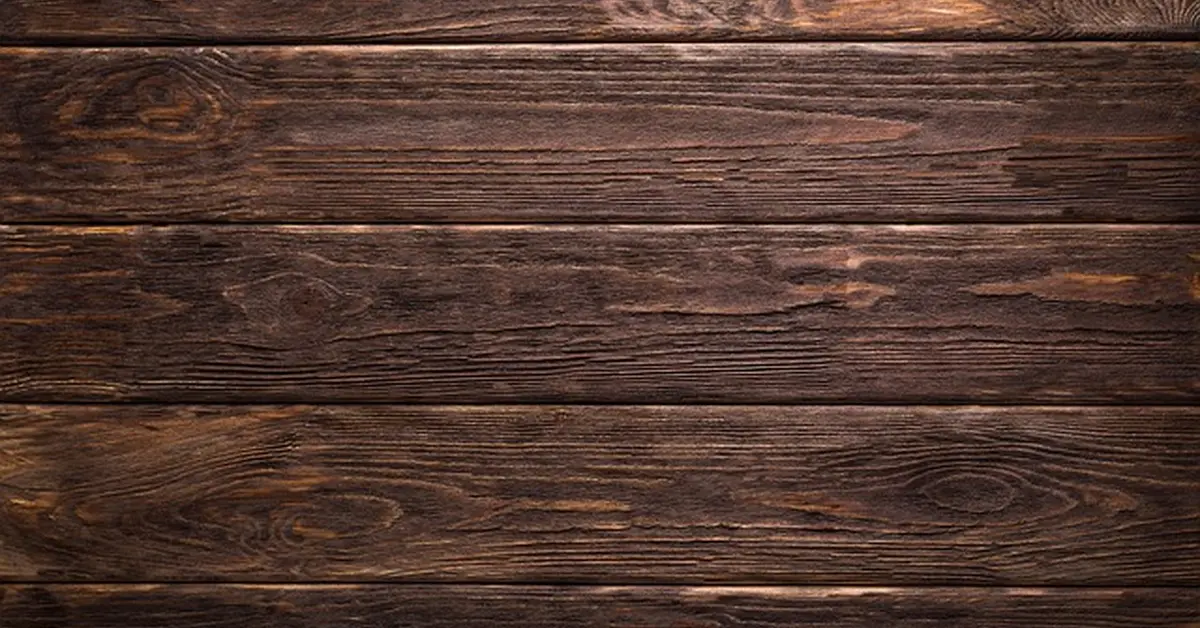
“Java” isn’t a wood species – it’s a stain and furniture-finish color name, used by manufacturers like General Finishes, Ashley, and Sherwin-Williams for a warm, medium-to-dark chocolate brown with a reddish undertone. You’ll see it applied over oak, maple, walnut, birch, and manufactured wood alike, which is why “Java wood” furniture can look noticeably different piece to piece – the color comes from the finish, not from a specific tree.
Java wood is a beautiful, rich brown color that resembles the color of coffee. This wood is perfect for creating stunning pieces of furniture or for use in woodworking projects. The grain pattern is also very unique and adds character to any project.
Is Java Wood Black Or Brown?
Brown, not black. Java is a warm, medium-to-dark chocolate brown with a reddish-brown undertone – closer to strong brewed coffee than to true black. The wood grain is usually still visible through it, which is one of the easiest ways to tell a genuine Java finish apart from a near-black Ebony one.
Is Java Darker Than Espresso Stain?
No – Espresso is the darker, more neutral-toned finish of the two. Java sits a shade lighter with a noticeable reddish-brown warmth and more visible grain, while Espresso mutes the grain more and edges toward near-black in low light. See the full side-by-side comparison further down this page for how Java stacks up against Espresso, Ebony, Dark Walnut, and Mahogany.
What Color is Java Oak?
Java Oak is a beautiful, rich brown color. It is perfect for creating an elegant and sophisticated look in your home. Java Oak is also a very versatile color that can be used in various design styles.
How Long Do You Leave Gel Stain on before Wiping Off?
When it comes to gel staining, the general rule of thumb is to leave the stain on for at least six hours before wiping it off. However, if you’re looking for a deeper and more even color, you may want to leave the gel stain overnight. Just be sure to apply a generous amount of paint and use a soft cloth to wipe it off in the morning.
Java Wood Stain
Are you looking to add a touch of elegance to your home with some java wood stain? This type of stain can give any room in your house a regal look that will impress your guests. Here is everything you need to know about java wood stain to make the best decision for your home.
Java wood stain is a type of pigmented oil that is used to darken and protect wood surfaces. It is made from natural ingredients like linseed oil, resin, and pigment, so it is safe for use in your home. This type of stain is ideal for hardwood floors, furniture, and trim work.
A brush, roller, or cloth can apply Java wood stain. Once applied, it will take approximately eight hours to dry completely. You should avoid walking on or touching the stained surface during this time, so you do not smudge the finish.
Once the java wood stain has dried, you will notice a beautiful rich color that brings out the wood’s natural grain. This type of stain does not provide UV protection, so it is essential to apply a topcoat if you are using it outdoors. If you are looking for an easy way to add beauty and value to your home, consider java wood stain!
Where To Find A Java Stain Or Java-Finished Furniture
General Finishes is one of the best-known makers of a dedicated Java Gel Stain, and it’s a common reference point when someone asks what color “Java” actually is. Furniture and flooring brands including Ashley, Sauder, and Sherwin-Williams also sell pieces or stains labeled Java, and the color reads consistently across brands even though the underlying wood species varies – check the product’s own stain swatch on the wood species you’re using rather than assuming every “Java” listing will look identical.
Gel Stain Java Vs. Espresso
If you’re considering using gel stain to refinish a piece of furniture, you may wonder what the difference is between Java and Espresso gel stains. Both are dark, rich colors that can give your furniture a new lease on life. Here’s a quick rundown of the differences between these two popular gel stains:
Java Gel Stain:
– A bit lighter in color than Espresso
– Great for achieving a distressed look
– Can be difficult to work with if you’re not experienced with gel staining
Espresso Gel Stain:
– A bit darker and more neutral-toned than Java
– Better for an even, uniform look rather than a distressed one, since it mutes the grain more
– More forgiving for beginners because the darker, flatter color hides minor application unevenness
Dark Gel Stain for Wood
As a woodworker, one of the products I use most frequently is gel stain. It’s great for giving new life to old furniture and cabinets and can also create a unique finish on new pieces. I’ve found that dark gel stains are perfect for creating a rich, deep color on wood.
They can be applied quickly and evenly, and they provide excellent coverage. Plus, they don’t require any sanding or prep work before application. If you’re looking for a dark gel stain that will give your woodwork a beautiful finish, I highly recommend trying one of these products.
Java Vs. Other Dark Stain Colors: Espresso, Ebony, Dark Walnut, and Mahogany
Java is one of several dark furniture and stain colors that get confused with one another in showrooms and online listings, so it helps to see them side by side. All of these colors are “dark brown” in casual conversation, but the undertone and depth vary enough that swapping one for another can throw off a room.
- Java: A warm, medium-to-dark chocolate brown with a slight reddish-brown undertone. It reads as rich and inviting rather than cold, and the wood grain is usually still visible through the finish.
- Espresso: Darker and more neutral than Java, often edging toward near-black in low light. Espresso tends to mute the grain more than Java does, giving a flatter, more uniform look.
- Ebony: The darkest of the group, essentially a true black or black-brown with almost no visible undertone. Ebony hides grain almost completely and reads as very formal and high-contrast.
- Dark Walnut: A cooler, grayer brown compared to Java. Dark Walnut leans toward gray-brown rather than red-brown, which is why it pairs so well with gray and cool-toned decor.
- Mahogany: The outlier of the group because it leans reddish rather than brown. Mahogany has a distinct red-orange cast that Java does not share, even though both are considered “warm” dark finishes.
Lighting changes how dramatically these colors differ. Under warm incandescent or soft LED light, Java and Espresso can look nearly identical because warm light amplifies brown undertones and suppresses the subtle differences between them. Under cool white LED or daylight-balanced bulbs, the gap widens: Java’s reddish-brown warmth becomes more obvious, Espresso looks flatter and more neutral, and Dark Walnut’s gray undertone becomes noticeably cooler. If you are trying to match an existing piece of Java-finished furniture, always compare stain chips or samples under the same lighting the finished piece will actually live in, not under store fluorescents or a phone flashlight.
How To Achieve A Java Finish On A Woodworking Project
Getting an even, professional-looking Java finish comes down to preparation and patience more than any single product. Here is the general process most finishers follow:
- Sand progressively. Start around 120-grit and work up to 220-grit. Skipping grits or stopping too coarse leaves scratches that a dark stain like Java will make more visible, not less, since dark pigment settles into every scratch line.
- Raise the grain and re-sand. Wipe the wood with a damp cloth, let it dry fully, then lightly sand again with 220-grit. This knocks down the fuzzy fibers that would otherwise absorb stain unevenly and create blotchy patches.
- Apply a pre-stain conditioner on blotch-prone woods. Pine, birch, maple, and cherry all take stain unevenly without conditioning. Skip this step and a Java stain will come out patchy rather than uniform.
- Apply the stain with the grain. Whether you use a liquid oil-based stain or a gel stain, work in the direction of the grain using a brush, foam applicator, or lint-free cloth, and only cover an area you can wipe off within a few minutes.
- Wipe off excess before it skins over. For most liquid Java stains this is within 5-15 minutes of application; gel stains are more forgiving and can sit longer, sometimes several hours, before wiping, which is part of why gel stains give a more consistent color on tricky woods.
- Apply a second coat if you want more depth. One coat of Java stain gives a lighter, more transparent brown; a second coat (applied only after the first is fully dry, typically 24 hours) deepens the color and adds more richness and coverage.
- Seal with a clear topcoat. Polyurethane, lacquer, or a wipe-on oil/poly blend protects the color and adds durability. Two to three thin coats, lightly sanded with 320-grit between coats, gives the smoothest, most furniture-grade result. Stain alone offers no real protection from moisture, UV fading, or daily wear.
Best Wood Species For A Java Stain
Java stain looks different depending on the wood underneath it, because stain is translucent and the wood’s own grain pattern and natural color still show through.
- Oak (red or white): One of the most popular choices for Java stain because oak’s open, prominent grain really pops under a dark finish, giving a rustic, textured look that’s common in Java-finished dining tables and cabinets.
- Walnut: Already a naturally dark brown wood, so a Java stain deepens and evens out the color rather than dramatically changing it. This is a common way to make less expensive walnut-veneer pieces look more uniform.
- Maple: Very light and tight-grained in its natural state, maple takes Java stain well only with a pre-stain conditioner; without one, maple is notorious for blotching under any dark stain.
- Pine: A budget-friendly softwood that can take Java stain, but it needs conditioning first. Pine’s uneven density between early wood and late wood grain rings causes serious blotching without it.
- Birch and poplar: Both are common on manufactured and semi-custom furniture. Like maple, they need conditioning or a gel stain (which sits on the surface rather than soaking in unevenly) to avoid a splotchy Java finish.
How To Match And Coordinate Java-Finished Furniture
Because Java leans warm and reddish-brown rather than neutral, it coordinates most naturally with other warm tones in a room. A few practical guidelines:
- Flooring: Java furniture generally looks best against mid-tone to dark warm-toned floors (hickory, oak, or walnut flooring). Placing Java furniture on a very cool gray-toned floor can make both surfaces look slightly mismatched, since the undertones fight each other.
- Wall colors: Warm neutrals like cream, warm gray, soft tan, or deep green and navy accent walls tend to complement Java furniture better than stark cool white or icy gray walls.
- Metal hardware and fixtures: Warm metals such as brushed brass, bronze, or copper generally read better against Java’s warm brown than cool chrome or brushed nickel, though matte black hardware works with almost any dark stain, including Java.
- Mixing wood tones: You don’t need every wood piece in a room to match exactly, but mixing Java with another dark, warm-toned wood (rather than a cool-toned one like gray-washed oak) keeps the room feeling intentional rather than mismatched.
Java Wood Color: Quick FAQ
Is Java the same as dark walnut?
No. Java and Dark Walnut are both dark brown finishes, but Java carries a warmer, reddish-brown undertone while Dark Walnut leans cooler and grayer. Side by side in daylight, Dark Walnut will look slightly more gray and Java will look slightly more red.
Will a Java stain look the same on every wood?
No. Because stain is translucent, the same Java stain will look noticeably different on open-grained oak than it will on tight-grained maple or naturally dark walnut. Always test the stain on a scrap piece of the same wood species you’re finishing before committing to the whole project.
Can I lighten a Java finish that came out too dark?
Once a stain has fully cured, the only reliable way to lighten it is to sand back down to bare wood and re-stain with a lighter color or fewer coats. Wiping with mineral spirits can remove excess wet stain before it dries, but it will not lighten stain that has already cured and been sealed.
Conclusion
“Java wood color” comes down to a warm, medium-to-dark chocolate brown with a reddish undertone – a stain and finish shade, not a wood species. It reads richer and warmer than Espresso, far lighter than Ebony, and more red than the grayer Dark Walnut. Because it’s translucent, the exact look still depends on what’s underneath: open-grained oak makes Java look bold and textured, while tight-grained maple or already-dark walnut gives a smoother, more even result. Test on a scrap of your actual wood species before committing to the whole project.
Sponsored / affiliate links. As an Amazon Associate I earn from qualifying purchases. I may earn additional commission from eligible campaigns.