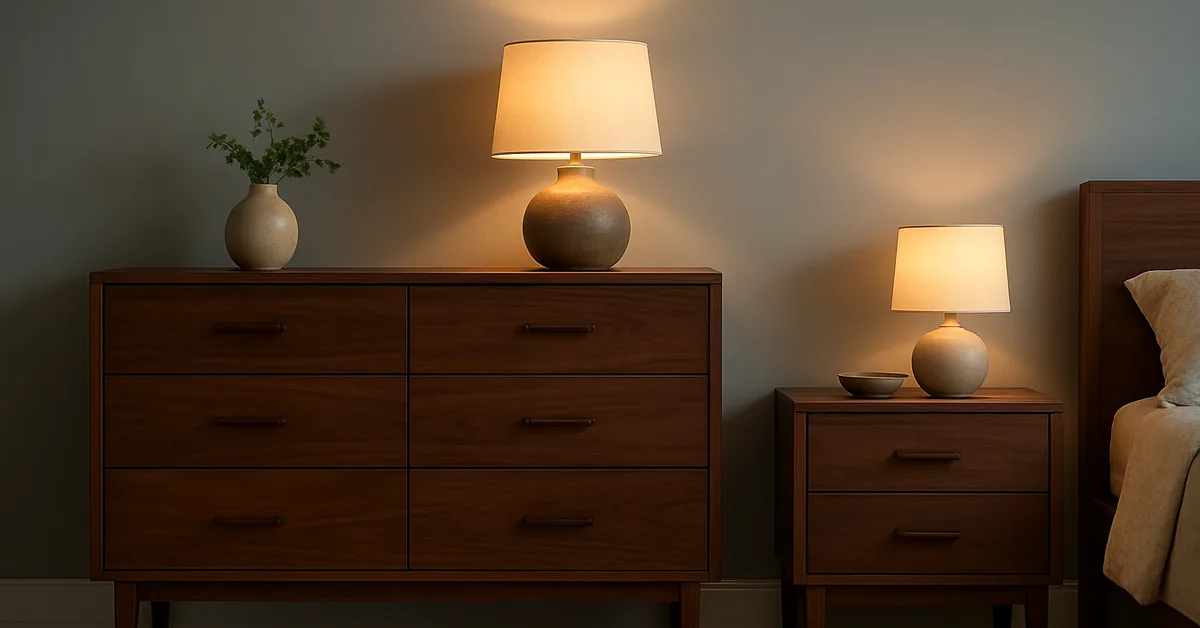
What Colors Go With Dark Wood? (By Warm/Cool Undertone)
Dark wood pairs best with colors chosen by its undertone, not by trend — walnut and ebony lean cool-gray, while mahogany and cherry lean warm-red, and matching the wrong undertone is why a "correct" color can still look off. Getting this wrong is the most common reason a repainted wall clashes with existing dark wood furniture or floors. This guide covers how to identify your wood’s undertone, real paint picks for each, and which colors to avoid.
Quick Answer
For cool-undertone dark wood (walnut, ebony, wenge): soft gray, sage green, pale blue. For warm-undertone dark wood (mahogany, cherry, dark oak): warm white, terracotta, mustard. Greige and off-white work as a safe neutral with either undertone.
How Do You Tell If Your Dark Wood Has a Warm or Cool Undertone?
Hold a plain white sheet of paper against the wood in daylight: a pinkish or reddish cast means a warm undertone, a grayish or purplish cast means cool. Checking an unfinished edge, the underside, or inside a drawer also works, since the raw wood color is closer to the species’ true undertone than a stained, aged surface.
By species: walnut, ebony, and wenge run cool-neutral to cool-gray. Mahogany, cherry, and most dark-stained oak run warm-red to warm-amber. This matters because pairing a warm color with cool-undertone wood (or the reverse) is what makes an otherwise "correct" shade look subtly wrong in the room, even when it looks fine on a paint chip.
Quick Reference: Common Dark Wood Species by Undertone
If you know the species but haven’t done the white-paper test yet, this table is a fast starting point — though the paper test is still the more reliable check on a specific, aged, or heavily stained piece.
| Species | Typical Undertone | Typical Color Family |
|---|---|---|
| Walnut | Cool | Gray-brown, sometimes with a purplish cast |
| Wenge | Cool | Near-black with fine cool gray striping |
| Ebony | Cool | Deep black-brown, cool cast |
| Mahogany | Warm | Reddish-brown, deepens with age |
| Cherry | Warm | Warm reddish-amber, darkens noticeably over years |
| Dark-stained oak | Usually warm | Amber-brown, but varies with the stain used |
| Teak | Warm-neutral | Golden-brown indoors; grays outdoors with weathering |
| Rosewood | Mixed | Purplish-brown with dark streaking, reads cool-warm |
What Colors Go With Cool-Undertone Dark Wood?
Cool-undertone woods like walnut and wenge pair best with colors that share their gray base rather than fighting it with warmth.
| Color | Named paint pick | Best for |
|---|---|---|
| Soft gray | Benjamin Moore Gray Owl | Walls behind walnut furniture |
| Cool greige | Sherwin Williams Agreeable Gray | Versatile neutral base |
| Sage green | Sherwin Williams Haven | Calming contrast with wenge |
| Pale blue | Sherwin Williams Respite | Bedrooms with dark walnut headboards |
What Colors Go With Warm-Undertone Dark Wood?
Warm-undertone woods like mahogany and cherry pair best with colors that echo their red-amber base instead of a stark cool gray, which can make warm wood look muddy by contrast.
| Color | Named paint pick | Best for |
|---|---|---|
| Warm greige | Benjamin Moore Revere Pewter | Living rooms with mahogany furniture |
| Warm beige | Sherwin Williams Accessible Beige | Versatile neutral for cherry wood |
| Terracotta | — | Accent walls with dark oak trim |
| Mustard/ochre | — | Accent pieces, not full walls |
If you’re matching wall color specifically to dark wood floors rather than furniture, undertone matters even more since the floor covers a much larger area than a single piece.
What Neutral Colors Are Safe With Any Dark Wood?
A handful of near-neutral whites read as undertone-safe with almost any dark wood: Benjamin Moore Simply White and Chantilly Lace, or Sherwin Williams Pure White, all lean close enough to neutral that they don’t clash with either warm or cool wood. These are the reliable fallback when you’re not sure which undertone category your piece falls into, or when a room mixes multiple dark wood tones.
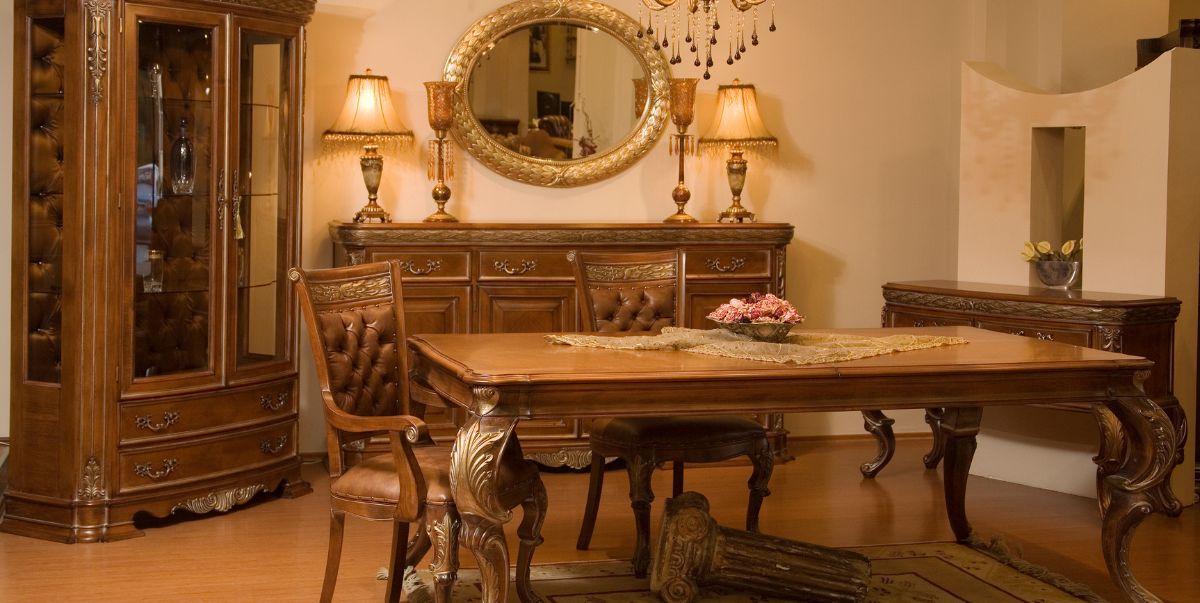
A warm greige wall keeps mahogany-toned furniture from looking muddy against a stark cool gray.
What Bold Colors Work With Dark Wood?
Jewel tones — emerald green, sapphire blue, and deep burgundy — work as accent walls or textiles against dark wood because their saturation matches the wood’s own visual weight instead of getting overpowered by it. Pick the jewel tone’s own undertone the same way: emerald and sapphire read cool, burgundy and deep gold read warm, so match them to the wood the same way as the neutrals above.
Does Lighting Change How a Color Looks Against Dark Wood?
Yes, and it’s the reason a paint chip that looked right in the store can look wrong at home. Warm LED bulbs (2700K–3000K) exaggerate warm undertones and can push a cool gray toward beige, muddying the exact contrast you were trying to create with cool-undertone wood. Cool or daylight LED bulbs (4000K–5000K) do the opposite — they can make warm mahogany or cherry look duller and less rich than it actually is.
Natural light shifts the same way by exposure: north-facing rooms get cooler, bluer daylight, while south-facing rooms get warmer light most of the day. Always test a paint swatch on the actual wall, at the time of day the room gets used most, and under the bulbs that are actually installed — not just under a showroom’s lighting.
What Colors Should You Avoid With Dark Wood?
Avoid pairing a warm color (orange, gold, warm red) directly against cool-undertone wood like walnut or wenge — the clash reads as muddiness rather than contrast. The reverse also fails: a stark, cool blue-gray against warm mahogany or cherry can make the wood look dull instead of rich. Pure black paired with very dark wood also tends to flatten the room, removing the contrast that makes dark wood pieces stand out in the first place.
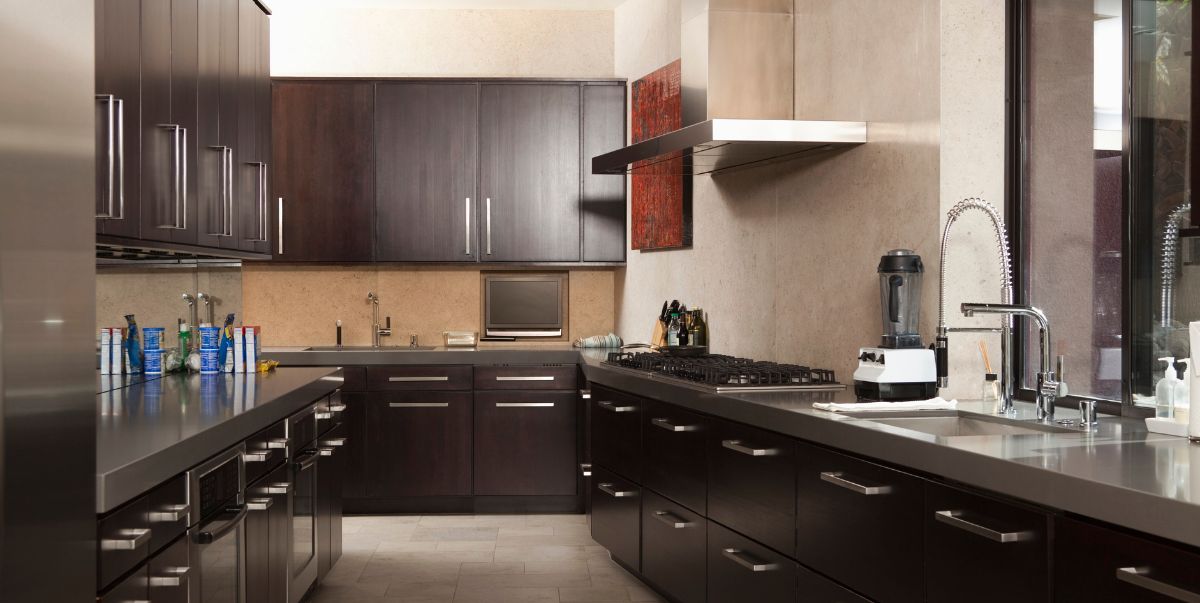
Brass and gold accents work with either warm or cool undertone wood, unlike wall paint, which needs a closer undertone match.
Common Mistakes When Pairing Colors With Dark Wood
- Matching darkness instead of undertone: Two colors can be the same value (lightness) and still clash badly if their undertones fight each other.
- Trusting the paint chip alone: A chip under fluorescent store lighting can look completely different once it’s on a wall under your own bulbs and natural light.
- Painting a large wall in a bold jewel tone without testing it first: Jewel tones read very differently at full-wall scale than they do as a small swatch or a piece of furniture.
- Ignoring the floor when choosing wall color: Dark wood floors cover far more visual area than furniture, so their undertone should usually take priority over a single accent piece.
- Mixing warm and cool dark woods with no neutral to bridge them: It’s fine to mix a walnut table with cherry shelving in the same room, but only if a neutral wall, rug, or trim color sits between them instead of forcing one wood’s undertone onto the whole space.
Frequently Asked Questions
What colors go well with dark wood?
It depends on the wood’s undertone: cool-undertone wood (walnut, wenge) pairs with soft gray, sage green, or pale blue; warm-undertone wood (mahogany, cherry) pairs with warm greige, terracotta, or mustard. Near-neutral whites like Benjamin Moore Simply White work safely with either.
What materials go well with dark wood?
Brass and gold metal accents complement dark wood regardless of undertone, along with natural materials like stone or marble. Textiles should follow the same undertone-matching rule as wall paint — warm textiles for warm-undertone wood, cool for cool-undertone wood.
What color walls go best with dark wood floors?
Match the wall color to the floor’s undertone, not just its darkness — light, undertone-matched shades create contrast without clashing. See our full breakdown of wall and cabinet colors for dark wood floors for floor-specific picks.
What paint color looks good with dark wood cabinets?
Identify the cabinet wood’s undertone first using the white-paper test, then choose from the matching color table above. A mismatched undertone is the most common reason a light neutral still looks slightly off against dark cabinets.
Can you mix warm and cool dark woods in the same room?
Yes, but bridge them with a neutral — a greige wall, a jute or wool rug, or metal trim in brass or black — rather than letting one wood’s undertone fight the other directly. Without a neutral connector, mismatched dark woods in the same sightline tend to read as an unplanned clash rather than an intentional mix.
Identify your wood’s undertone before picking a color, not after — it’s the one step that separates a paint choice that looks right on a chip from one that actually works in the room. For furniture-specific pairing, see our guide to what furniture colors go with dark wood flooring.
Sponsored / affiliate links. As an Amazon Associate I earn from qualifying purchases. I may earn additional commission from eligible campaigns.