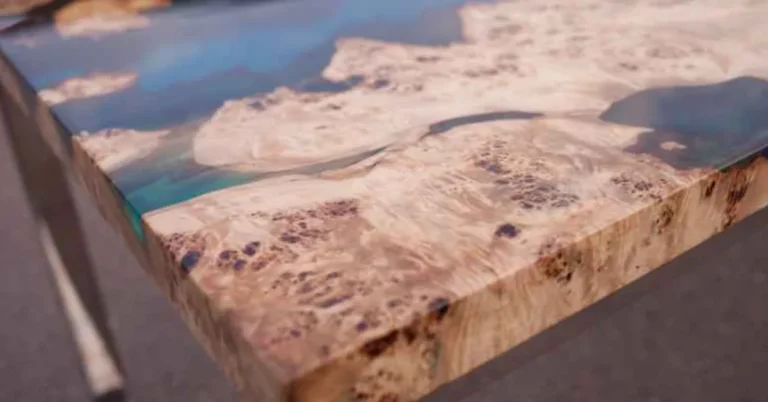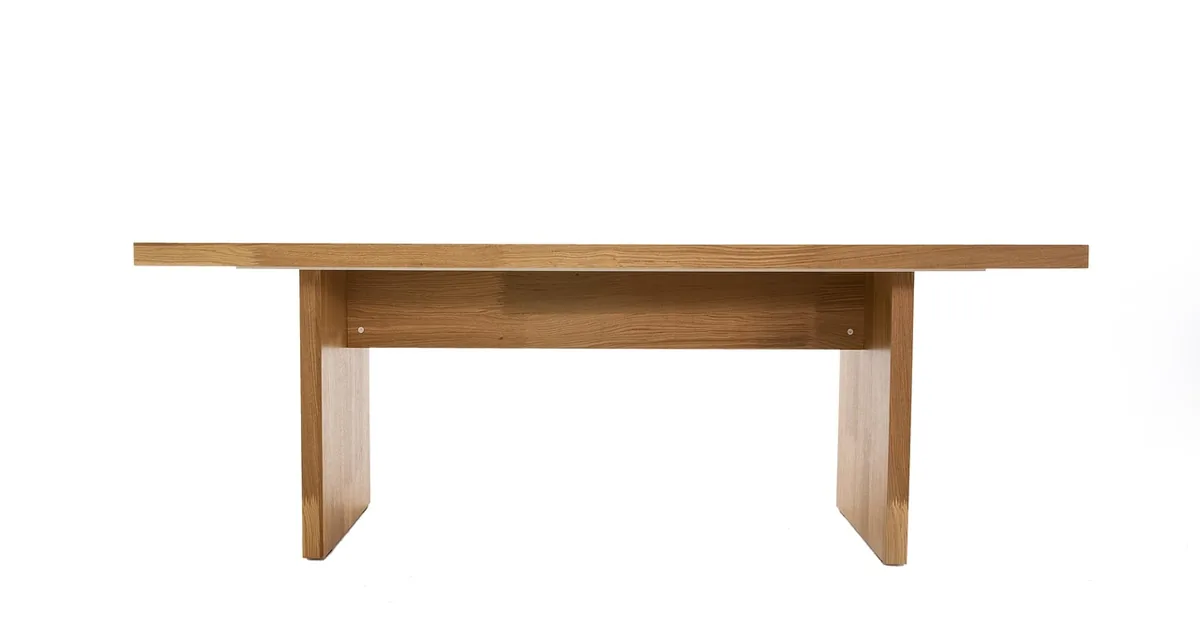
How to Burnish Wood Furniture (Without Ruining the Finish)
Burnishing wood furniture means compressing wood fibers or an existing wax layer into a smooth, glossy sheen with 0000 steel wool, a denim pad, or carnauba wax — but a coarser pad on a finished piece can scratch through the topcoat instead of shining it. One wrong grit choice on an antique tabletop can mean a full refinish. This guide covers bare-vs-finished technique, wax vs. steel wool vs. burnishing cream, and antique-safe methods.
Quick Answer
Burnish wood furniture by rubbing a folded denim pad, 0000 steel wool, or a hard smooth tool over the surface in 6-inch circular sections until it feels warm and reflects light evenly, then buff with carnauba or beeswax. On furniture with an existing lacquer, poly, or shellac finish, always use 0000 steel wool (never coarser) and test an inconspicuous spot first.
What You Need to Burnish Wood Furniture
Best Furniture Wax Pick
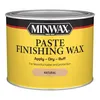
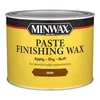
Minwax Paste Finishing Wax, Natural, 1 lb – $13.33
A widely available paste wax formulated to buff over an existing lacquer or varnish finish — matches the wax-and-buff step in this guide.
- Best for: General-purpose burnishing wax for finished furniture and tabletops
- Why we picked it: Trusted brand formulated specifically for buffing over an existing finish, which is the technique this guide’s “existing finish” section covers
- Main drawback: Needs full buffing by hand — no spray or quick-wipe option
Compare more furniture wax options
 Option 1 Howard Citrus Shield Paste Wax, 11 oz – $12.98
|
 Option 2 Minwax Special Dark Paste Wax, 1 lb – $15.19
|
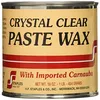 Option 3 Staples Carnauba Paste Wax, 1 lb, Clear – $26.35
|
As an Amazon Associate we earn from qualifying purchases.
Gather these before you start: a mild soap-and-water solution or wood cleaner, a lint-free cloth, 0000-grade steel wool or a folded denim/leather burnishing pad, and carnauba or beeswax paste (or a burnishing cream). For bare, unfinished wood you can go coarser — up to 1200-grit sandpaper — but for furniture with an existing finish, stay at 0000 steel wool or finer. For broader repair and care basics beyond burnishing, see our wood care and repair hub.
How to Burnish Wood Furniture: Step-by-Step
This guide focuses on furniture specifically — for the general wood-burnishing process on bare stock, see how to burnish wood. Work in small sections and check your progress under raking light: burnishing is finished when the wood reflects light evenly rather than in dull patches.
- Clean the surface: Wipe the piece with a mild soap-and-water solution or wood cleaner and let it dry fully — trapped moisture under a burnished finish can cloud over time.
- Sand only if the wood is bare: On unfinished wood, sand up to 1200 grit along the grain. Skip this step entirely on furniture that already has a lacquer, poly, or shellac finish.
- Choose your burnishing pad: Fold a piece of denim or soft leather into a pad, or use 0000 steel wool for finished pieces.
- Work in 6-inch sections: Rub firmly along the grain in circular motions for 2 to 3 rounds per direction, overlapping each pass into the last.
- Check for even reflection: Tilt the piece toward a light source — a properly burnished area reflects light evenly across the whole section, without dull or cloudy patches.
- Apply wax and buff: Rub a thin, even coat of carnauba or beeswax paste into the grain, let it sit about 30 minutes, then buff with a clean, dry cloth until it shines.
📊 Sanding to a 1200-grit finish before burnishing produces a surface smooth enough that, once waxed, it can look almost like polished marble. — Source: WoodWeb Knowledge Base
Wax vs. Steel Wool vs. Burnishing Cream: Which Should You Use on Furniture?
All three burnish and protect wood, but they behave differently on furniture that already has a finish. Carnauba wax is harder and more durable than beeswax but has a shorter working window before it sets up, and takes 3 to 4 days to fully cure; beeswax stays workable longer, and some blended formulations dry to the touch in as little as 3 hours. Steel wool burnishes and thins an old wax layer at the same time, which makes it the right choice before a re-wax, but it can also strip a soft finish if you press too hard.
| Method | Cure / Dry Time | Best For |
|---|---|---|
| Carnauba wax | 3–4 days full cure | Harder, more water-resistant shine on tabletops |
| Beeswax | As little as 3 hrs (blend-dependent) | Softer, low-wear surfaces and antiques |
| 0000 steel wool | N/A — mechanical, not a coating | Thinning old wax buildup before a re-wax |
| Burnishing cream | Dries quickly — work in small sections | Quick touch-ups on modern lacquer finishes |
Burnishing Over an Existing Finish (Lacquer, Poly, or Shellac)
Burnishing an already-finished piece of furniture is a maintenance technique that revives an existing topcoat rather than a step in building a new finish from bare wood. The key difference from burnishing raw wood: you’re compressing and polishing a thin cured film, not the wood fibers themselves, so anything coarser than 0000 steel wool risks cutting through it.
Before you start on any piece with an unknown finish history — especially furniture you didn’t finish yourself — test on the underside of a leg or the back panel first. Repair any scratches or water rings before burnishing; rubbing a burnishing pad over damaged film just polishes the edges of the damage instead of fixing it.
“On previously finished furniture, we always test burnishing on the underside of a leg or the back panel first — a finish that looks even on top can be thinner at the edges from decades of cleaning, and going straight to steel wool there can cut through the topcoat in seconds.”
For upkeep beyond burnishing — cleaning schedules, humidity control, and everyday protection — see our full guide to caring for wood furniture.
Can You Burnish Antique Wood Furniture?
Yes, but with a lighter touch than modern furniture. Antique finishes — especially shellac, common on pre-1950s pieces — are softer and more soluble than modern lacquer or polyurethane, so use beeswax over carnauba and a soft cloth or leather pad instead of steel wool where possible. Aggressive burnishing can also polish away the original patina collectors value, so check whether the piece has collectible value before you touch it with anything abrasive.
Common Mistakes When Burnishing Furniture
- Confusing burnishing with wood burning: Burnishing uses friction and pressure to compress wood fibers or a wax layer — it does not involve a heated tool. That’s pyrography, a completely different technique for creating dark, burned designs in wood.
- Using coarse steel wool on a finished piece: Anything coarser than 0000 grade can scratch through lacquer, poly, or shellac instead of polishing it.
- Skipping the cleaning step: Burnishing over dust or old wax buildup traps grit against the surface and creates fine scratches.
- Working against the grain: Cross-grain burnishing shows up as visible scratch patterns once the piece catches light at an angle.
- Not testing an inconspicuous spot first: Especially important on furniture with an unknown or antique finish.
Frequently Asked Questions
Can you burnish painted or stained wood furniture?
No, avoid burnishing painted or stained surfaces — the friction and pressure that smooths bare or clear-finished wood can scuff, polish through, or unevenly shine painted and stained films instead of protecting them. Dust and wax those surfaces instead.
Does burnishing wood remove scratches?
Not deep ones. Burnishing can blend very fine surface scuffs into the surrounding finish, but it won’t fill or remove a scratch that has broken through the topcoat. Repair those first, then burnish once the repair has cured.
How long does a burnished wax finish last on furniture?
A burnished carnauba or beeswax finish typically holds its shine for several months on furniture with light daily handling, though carnauba’s extra hardness makes it more durable on high-touch surfaces like tabletops. Re-wax and re-burnish whenever the surface starts to look dull instead of on a fixed schedule.
Is burnishing the same as polishing wood?
No. Polishing typically means applying and buffing a liquid or spray product for shine, while burnishing physically compresses the wood fibers or an existing wax layer through friction and pressure. Many furniture-care routines use both — burnish first, then polish.
What grit sandpaper should you use before burnishing furniture?
On bare wood, sand up to 1200 grit for the smoothest burnished result. On furniture that already has a finish, skip sanding altogether — sanding a topcoat you intend to burnish just removes the very layer you’re trying to shine.
Conclusion
Burnishing wood furniture is quick, inexpensive, and reversible when you match the method to the piece: 0000 steel wool and carnauba wax for a durable shine on modern finishes, a softer beeswax and denim pad for antiques, and a clean, dry, well-lit workspace either way. Test an inconspicuous spot first, work in small sections, and you’ll get the polished, near-marble look burnishing is known for without risking the finish underneath.
Sponsored / affiliate links. As an Amazon Associate I earn from qualifying purchases. I may earn additional commission from eligible campaigns.