What Is the Significance of Ash Trees?
Ash trees have held deep significance across cultures for centuries — the Norse World Tree, Yggdrasil, was an ash, and its wood built everything from Viking spears to modern baseball bats. But the emerald ash borer has killed more than 50 million U.S. ash trees since 2002, threatening both the species and its wood supply. This guide covers ash’s ecological role, its properties as a woodworking material, and what its decline means for the future.
Insert your Affiliate Disclosure reusable block here
Why Ash Trees Matter: Ecological, Economic, and Cultural Significance
Best Wood Finish for Ash Furniture Pick
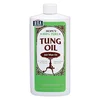
Hope’s 100% Pure Tung Oil
A food-safe, waterproof natural oil finish that soaks into ash’s open grain without the blotching risk of film finishes.
- Best for: tool handles, cutting boards, and furniture where you want the grain to stay visible
- Why we picked it: 100% pure tung oil penetrates rather than sitting on the surface, which suits ash’s open pores
- Main drawback: needs several thin coats and longer cure time than a wipe-on poly
Compare more ash wood finish options
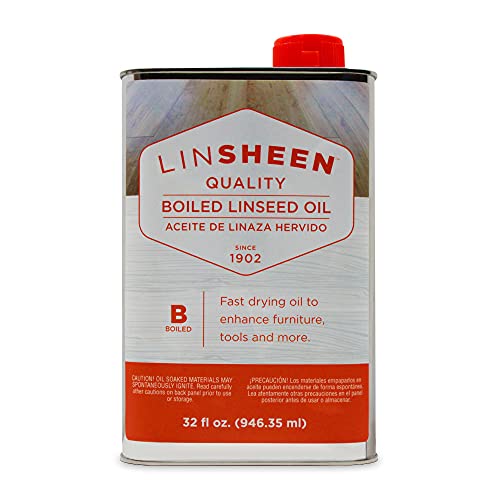
 Option 1 Furniture Clinic Boiled Linseed Oil
|
 Option 2 Howard Feed-N-Wax Beeswax Conditioner
|
 Option 3 Tried & True Original Wood Finish
|
As an Amazon Associate we earn from qualifying purchases.
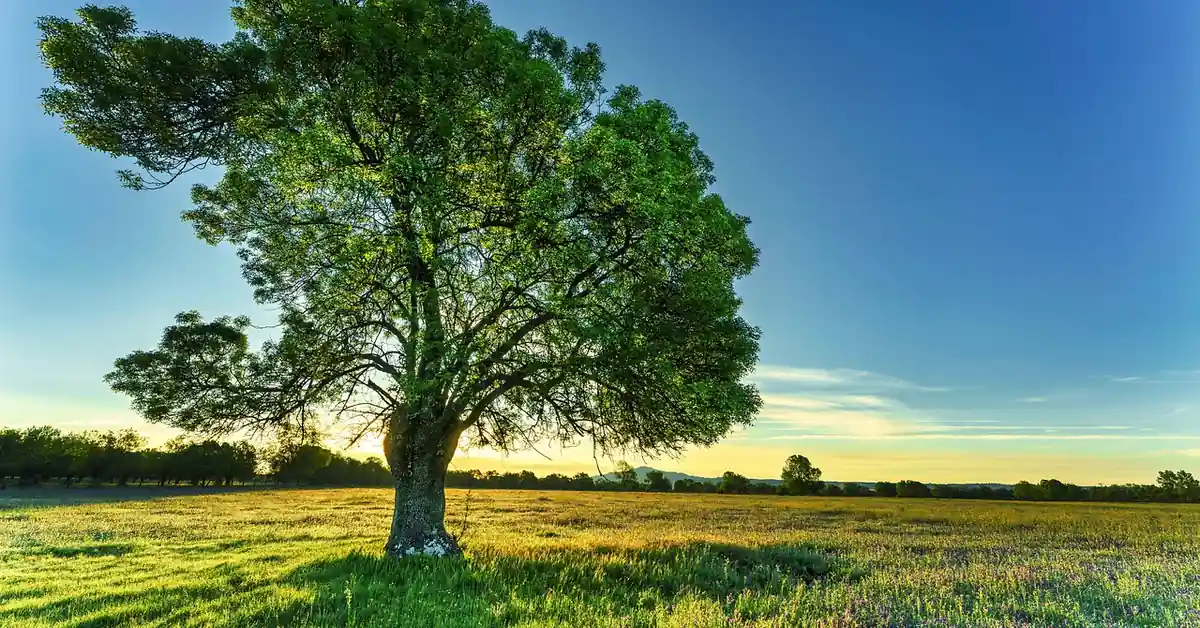
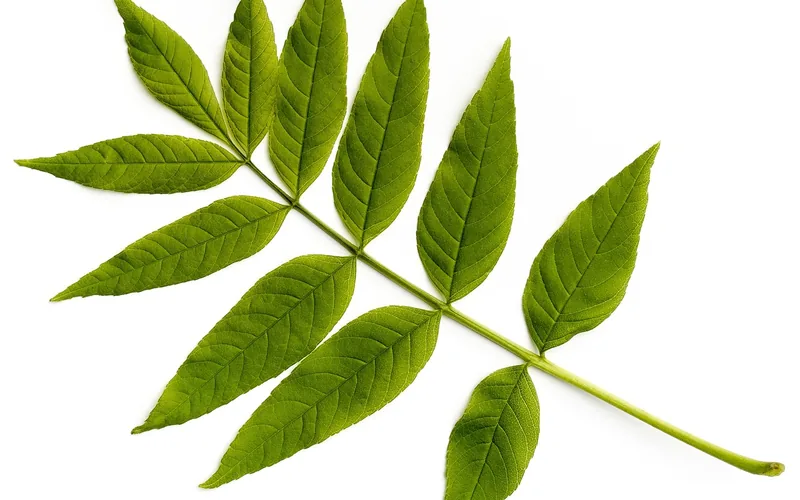
Ash trees are members of the Fraxinus genus — deciduous hardwoods that support entire forest food webs, supply one of the toughest domestic timbers available to woodworkers, and carry mythological weight in Norse, Celtic, and Native American tradition. Four species dominate North American and European woodlands: White Ash, Green Ash, Blue Ash, and European Ash. For everything else on this species — from hardness data to lookalike comparisons — see our full ash wood and ash tree hub.
| Species | Region |
|---|---|
| White Ash (Fraxinus americana) | Eastern & Central North America |
| Green Ash (Fraxinus pennsylvanica) | North America, widely planted as a street tree |
| Blue Ash (Fraxinus quadrangulata) | Central & Eastern USA, known for squared stems |
| European Ash (Fraxinus excelsior) | Europe |
Ecological Role of Ash Trees
Biodiversity and Wildlife Support
Ash trees host birds, insects, and mammals that depend on them for food and shelter. Their fast-decomposing leaf litter enriches surrounding soil, feeding the plant life beneath the canopy. In the eastern United States, more than 280 species of insects and mites are associated with ash trees alone — which is part of why the emerald ash borer’s spread has ripple effects far beyond the trees themselves.
Air Quality and Climate Regulation
Like most large deciduous trees, ash absorbs carbon dioxide, traps airborne dust and pollutants in its leaves, and provides shade that measurably cools the ground beneath it. Their extensive root systems also help stabilize soil and reduce erosion along riverbanks and slopes, which is why ash was historically favored for windbreaks and street plantings.
Ash Wood: Properties and Uses for Woodworkers
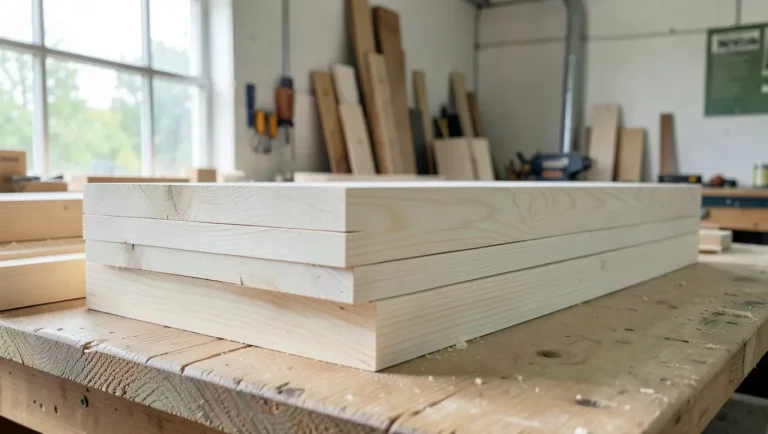
Ash wood is a domestic hardwood with a Janka hardness of 1,320 lbf — harder than red oak (1,290 lbf) and just below white oak (1,360 lbf). Its pale cream-to-tan color, straight open grain, and exceptional shock resistance make it the traditional choice for baseball bats, tool handles, and hockey sticks, alongside furniture and flooring. Unlike maple, ash won’t blotch under stain, which is why finishers reach for it often.
📊 Ash wood measures 1,320 lbf on the Janka hardness scale, roughly between red oak and white oak. — Source: Woodworking Advisor lumber comparison data
For the full breakdown of ash’s hardness, workability, and finishing tips, see our guide to ash as a hardwood, or compare it directly against another common shop staple in ash vs. white oak. If you’re weighing ash against species outside the hardwood family entirely, our types of wood guide breaks down hardwoods, softwoods, and engineered options side by side.
The Emerald Ash Borer: Why Ash Trees Are Disappearing
The emerald ash borer (EAB) is an invasive beetle from Asia, first identified in Michigan in 2002. Its larvae tunnel through the bark, cutting off the tree’s ability to move water and nutrients — and it has killed more than 50 million ash trees across the United States since it arrived, with virtually no natural resistance among North American ash species.
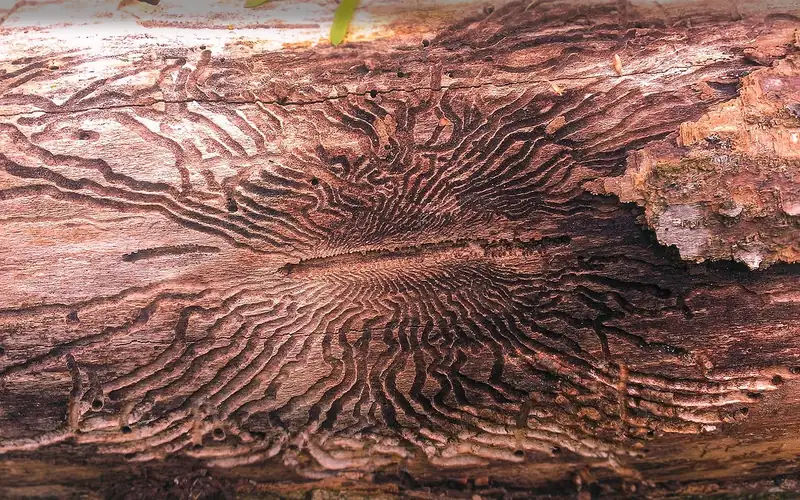
📊 The emerald ash borer has killed over 50 million ash trees in the U.S. since 2002, with an estimated replacement cost of $10–25 billion. — Source: USDA Forest Service infestation data
For woodworkers, the EAB crisis cuts both ways. Before the infestation spread, ash was one of the most affordable domestic hardwoods, prized for milling cleanly and finishing well. Sawmills salvaging dead and dying trees created a short-term glut of ash lumber — but once an infested tree sits too long after dying, the wood begins to crack, stain, and soften, so salvaged ash needs to be milled quickly to stay usable. Long term, expect ash lumber to become scarcer and pricier as standing supply keeps declining. See what is ash wood worth for real per-board-foot price ranges and how the salvage glut affects them by region. If you’re trying to identify whether a tree on your own property is already infected, our guide on how to tell if an ash tree is dying walks through the early warning signs.
Environmental groups track and report infestations regionally — see this ash tree identification guide from Vermont Invasives for a state-level example of how the response works on the ground.
Conservation Efforts Protecting Ash Trees
Protective legislation restricts moving firewood and untreated ash lumber across state lines, since transported firewood is one of the main ways EAB spreads to new areas. Beyond regulation, community reforestation projects and school tree-planting programs help offset losses, while researchers study genetic resistance in surviving trees to breed disease-tolerant ash for future planting.
Scientists are also using drones and sensors to monitor ash canopy health from above, catching early signs of infestation before visible dieback sets in — giving land managers a narrow window to treat or remove trees before the damage spreads to neighbors.
Ash Trees in Mythology and Culture
In Norse mythology, Yggdrasil, the World Tree connecting the nine realms, was an ash. Odin’s spear was said to be carved from ash wood, and the Vikings referred to themselves as the Aescling — “Men of Ash.” Celtic druids counted ash among their three sacred trees, alongside oak and thorn, believing its deep roots symbolized a person’s ability to draw strength from within. In Ireland, ash leaves were traditionally carried as protection, and folk remedies used them to treat warts and skin ailments.
Native American communities used ash wood for tools, baskets, and snowshoe frames, valuing its combination of flexibility and strength — the same properties that make it useful in a modern shop today.
Ash Trees in Modern Culture and Design
Ash still shows up as a symbol of resilience in literature and design, and its wood remains a favorite for furniture makers who want a straight, open grain that takes stain evenly. Interior designers reach for ash flooring and cabinetry for a look similar to oak with a lighter, more contemporary tone.
Frequently Asked Questions
Why are ash trees so important?
Ash trees support wildlife habitat for hundreds of dependent insect species, improve air quality by trapping pollutants, and prevent soil erosion with their extensive root systems. Their wood is also one of the toughest domestic hardwoods available, prized for tool handles, baseball bats, and furniture.
What is the ash tree sacred to?
The ash tree is sacred in Norse mythology as Yggdrasil, the World Tree, and was one of three sacred trees to Celtic druids, alongside oak and thorn. Vikings referred to themselves as descendants of ash.
What is the spiritual meaning of the ash tree?
The ash tree symbolizes strength, wisdom, and connection between worlds. Celtic tradition tied its deep roots to inner stability, while Norse mythology used it to represent the link between heaven, earth, and the underworld.
What is the biblical significance of the ash tree?
The Bible does not specifically name the ash tree, unlike the cedar or olive. In broader Christian symbolism, however, trees in general often represent protection, strength, and renewal — themes later applied to ash in European folk tradition.
Is ash wood good for woodworking?
Yes. Ash machines, saws, and glues well for a hardwood, sands to a smooth finish, and takes stain without the blotching that affects maple. Its 1,320 lbf Janka hardness and exceptional shock resistance make it a top choice for tool handles, sports equipment, and furniture.
Why are ash trees dying?
The emerald ash borer, an invasive beetle first found in Michigan in 2002, has killed more than 50 million U.S. ash trees. Its larvae tunnel beneath the bark and cut off the tree’s water and nutrient flow, usually killing an infested tree within two to four years.
Conclusion
Ash trees carry weight far beyond their branches — anchoring ecosystems, supplying one of woodworking’s toughest hardwoods, and standing at the center of Norse and Celtic myth. The emerald ash borer has already reshaped what that legacy looks like, cutting deep into both wild populations and the lumber supply woodworkers have relied on for generations. Understanding ash’s significance, ecologically and practically, is part of what it takes to protect what’s left of it.
Sponsored / affiliate links. As an Amazon Associate I earn from qualifying purchases. I may earn additional commission from eligible campaigns.