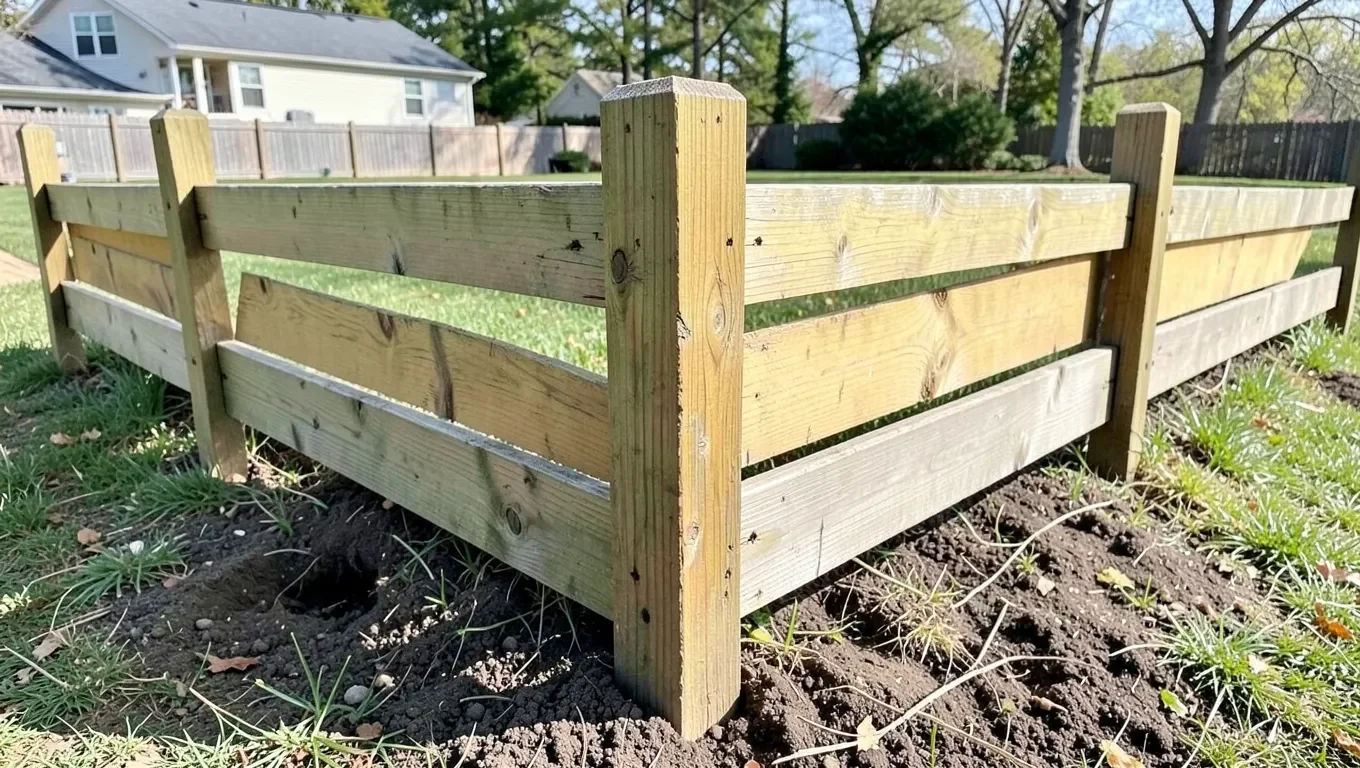
4×4 10 Ft Post: Actual Size, Depth & Treatment Rating Guide
A 4×4 10 ft post actually measures 3.5 by 3.5 inches, not a true 4 inches: lumber mills size posts by the rough-cut dimension before planing, the same way a “2×4” is really 1.5 by 3.5 inches. Buy one rated for above-ground use instead of ground contact and it can start rotting at the soil line within a few years, even though it looks identical on the rack. This guide covers the real dimensions, how much of the 10 feet to bury, which treatment rating each project needs, and what it should cost.
Quick Answer
A 4×4 10 ft post is 3.5×3.5 inches actual size (not a true 4 inches) and 120 inches long. For most 6-ft privacy fences, bury about 3 ft (30-33%) and leave roughly 7 ft exposed. Any post going into the ground needs a Ground Contact (UC4A or UC4B) treatment tag, not just “above ground” rated lumber.
4×4 10 Ft Post: Actual Size vs. Nominal Dimensions
A nominal 4×4 is the name given to the rough-sawn board before it’s planed smooth (surfaced) at the mill. Planing removes roughly a half-inch from each face, which is why the finished, “dressed” board you actually buy measures 3.5 inches by 3.5 inches, though some mills leave it at 3.56 inches, but 3.5 is the standard you’ll see on Home Depot and Lowe’s listings. A “10 ft” post is cut to a true 120 inches long, since length isn’t planed down the way width and thickness are.
This sizing mismatch matters most when a plan or a building inspector’s span table calls out an exact dimension: if you’re framing a ledger, bracket, or post base built for a true 4-inch post, it won’t fit a standard 3.5-inch treated post without shimming.
| Spec | Nominal (name on the tag) | Actual (what you measure) |
|---|---|---|
| Width | 4 in. | 3.5 in. (3.56 in. at some mills) |
| Thickness | 4 in. | 3.5 in. (3.56 in. at some mills) |
| Length | 10 ft | 120 in. (true length, not planed down) |
| Typical species/grade | – | #2 or better Southern Yellow Pine |
Best Post-Setting Tool Pick
 |
Irwin Tools 1794482 Magnetic Post Level – $5.99 Straps or clips magnetically to any face of a 4×4 post so you can check plumb on two sides at once while backfilling, no second person needed to hold it steady.
|
As an Amazon Associate we earn from qualifying purchases.
How Deep to Bury a 4×4 10 Ft Post
The standard rule of thumb is to bury one-third of the post’s total length below grade, with a minimum of 24 inches for anything supporting weight or wind load. In frost-prone regions, the hole also needs to go below the local frost line regardless of the one-third math, or seasonal heaving can push the post up over a few winters; check with your local building department for the frost depth in your area.
For a 10 ft (120 in.) post, here’s what that split actually looks like by project:
| Project | Buried Below Grade | Height Left Above Grade |
|---|---|---|
| 6 ft privacy fence | ~3 ft (36 in., 30%) | ~7 ft |
| Split-rail / rural fence | 2.5-3 ft | ~7-7.5 ft |
| Pergola or arbor upright | 3-4 ft (deeper for wind/roof load) | ~6-7 ft |
| Mailbox or sign post | 2-2.5 ft | Cut remainder to finished height |
Use a fence post spacing calculator before you dig to confirm how many 10 ft posts a run actually needs: buying by eye is the most common reason people end up short a post (or three) partway through a fence line.
Which Pressure-Treatment Rating Do You Need?
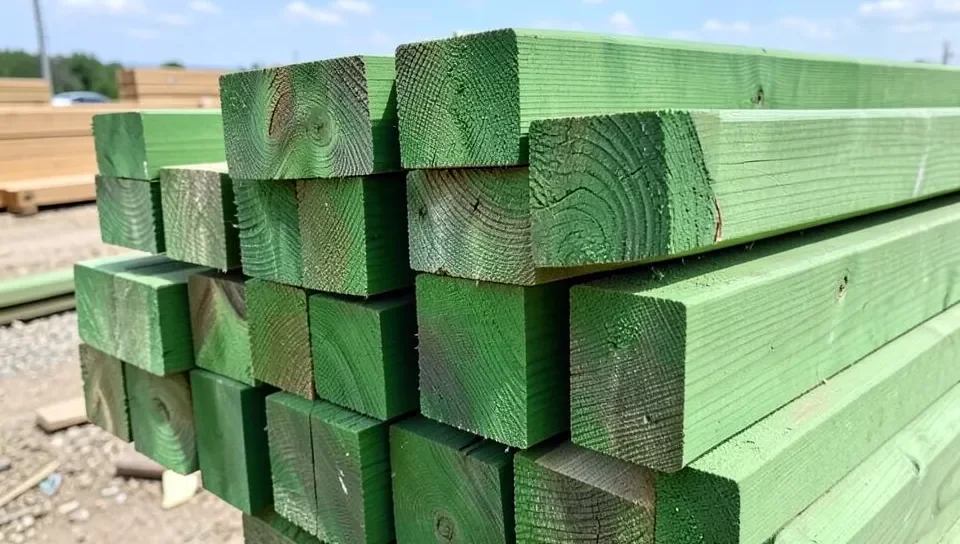
Pressure-treated lumber is wood that’s had a preservative, usually micronized copper azole (MCA) or alkaline copper quaternary (ACQ), forced into the fibers under pressure to resist rot, fungal decay, and termites. Not every treated 4×4 is rated for the same exposure, though, and the tag stapled to the end is what actually tells you.
The lumber industry uses the AWPA Use Category System to label how much decay exposure a piece is rated for. Any 4×4 going into soil (a fence post, a deck post, a pergola upright) needs at minimum a UC4A (Ground Contact, General Use) tag. A board only stamped UC3B (Above Ground) will decay far faster once buried, even though it looks the same as ground-contact stock on the shelf.
| Use Category | Where It’s Rated For | Use It For |
|---|---|---|
| UC3A | Above ground, protected from direct wetting | Fascia, covered deck framing |
| UC3B | Above ground, fully exposed to weather | Deck boards, rails, fence pickets |
| UC4A | Ground contact, general use, normal-decay soil | Standard fence and deck posts |
| UC4B | Ground contact, heavy duty / critical structural | Load-bearing posts, high-decay-risk sites |
Our full pressure-treated wood posts guide breaks down sizing and treatment options beyond just the 4x4x10; worth a read if you’re also comparing 4×6 or 6×6 stock for a heavier structure.
“Sight down all four faces before you buy, not just one. A 10-ft 4×4 that looks straight from the end of the rack can still have a slight bow you won’t catch until you rotate it, and that bow shows up as a visible lean in the finished fence a season later.”
Best Uses for a 4×4 10 Ft Post
A 10 ft length is popular specifically because it leaves enough post to bury a proper footing while still clearing a 6-7 ft fence, gate, or pergola beam. Common uses include:
- Privacy fence corner and gate posts: the extra length over a standard 8 ft post gives you a deeper, more stable footing for the posts that take the most stress (gate swing, corners).
- Pergola and arbor uprights: enough length to bury 3-4 ft for wind resistance and still clear a 7 ft beam height.
- Deck railing posts: can be notched or through-bolted to the rim joist for taller guard-rail applications, though check your local code’s span and height tables first.
- Freestanding signage or mailbox posts: buy the 10 ft length and trim to the exact height you need rather than under-buying a shorter post.
How to Install a 4×4 10 Ft Post
Once you’ve confirmed the depth (previous section) and treatment rating (UC4A or better), installation follows the same basic sequence for a fence, pergola, or sign post:
- Mark and dig the hole: dig roughly 3x the post’s width in diameter and to your target depth from the table above, using a post-hole digger or auger.
- Add a gravel base: pour 4-6 inches of gravel into the bottom of the hole so water drains away from the post’s end grain instead of pooling under it.
- Set the post and check plumb: stand the post in the hole, brace it, and check all four faces with a post level before you add any concrete.
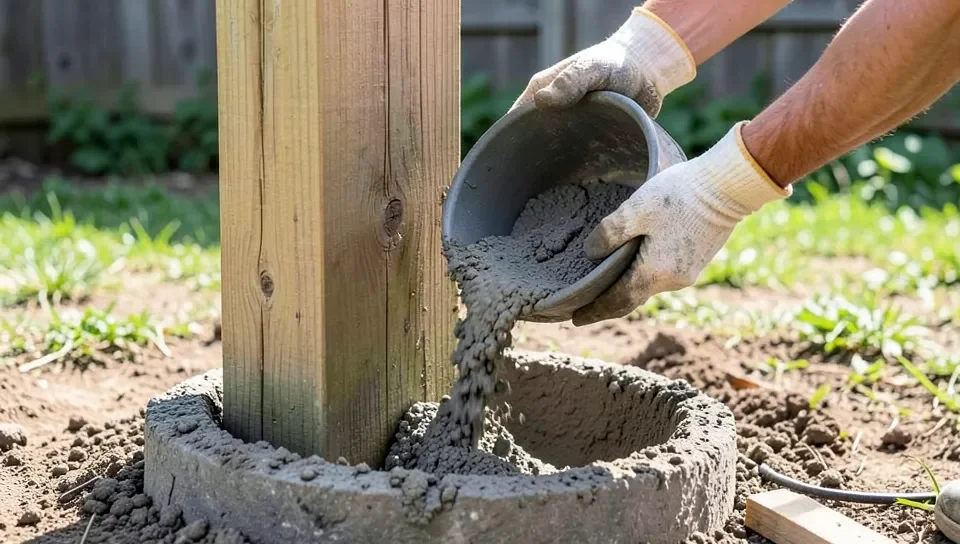
- Pour and crown the concrete: fill around the post with concrete, sloping the top away from the post so water sheds off instead of collecting at the base.
- Recheck plumb while it sets: concrete shifts a post more than people expect in the first 10-15 minutes; recheck and adjust before it firms up.
- Let it cure before loading: give the concrete the manufacturer’s full cure time (often 24-48 hours for fast-setting mixes) before hanging a gate or attaching rails.
Maintaining a 4×4 10 Ft Post Over Time
Even a properly rated ground-contact post benefits from a little upkeep. Reapply a water-repellent sealant every 1-2 years, especially on the exposed top end grain, which soaks up moisture faster than the sides. Check the soil line yearly for the earliest signs of trouble: discoloration, softness when probed with a screwdriver, or a slight lean, since that’s where a buried post fails first.
If a post has already started rotting at the base, you don’t always need to dig out the whole footing and start over. Our guide on fixing a rotted fence post with a repair spur covers the bolt-on metal bracket method that can save the post above the rot line.
Frequently Asked Questions
What is the actual size of a 4×4 10 ft post?
A 4×4 10 ft post measures 3.5 inches by 3.5 inches (3.56 inches at some mills) and a true 120 inches long. The “4×4” name refers to the rough-cut size before the mill planes it smooth, which removes about a half-inch from each face.
How deep should you bury a 4×4 10 ft post?
Bury about one-third of the post’s length, roughly 3 feet for a 10 ft post used in a 6 ft fence, with a 24-inch minimum for anything load-bearing. In cold climates, the hole also needs to reach below the local frost line, which can require more depth than the one-third rule alone.
Is a 4×4 10 ft post rated for ground contact?
Only if the end tag says so. Look for a “Ground Contact” label or a UC4A/UC4B rating under the AWPA Use Category System. A post stamped UC3B (Above Ground only) will decay much faster once buried, so check the tag before you buy rather than assuming every treated 4×4 is safe underground.
Can a 4×4 10 ft post be used for a deck?
Yes, for railing posts or short support posts, but check your local building code’s span and height tables first. Taller or heavier load-bearing deck posts often require a thicker 6×6 rather than a 4×4, especially for beam support at longer spans.
How much does a 4×4 10 ft pressure-treated post cost?
Typically $15-$30 as of 2026, depending on species, grade, and retailer. Ground-contact rated (UC4A/UC4B) posts and higher grades (#1 vs. #2) generally cost more than a basic above-ground-rated board of the same size.
Conclusion
A 4×4 10 ft post is 3.5×3.5 inches actual size and a true 120 inches long: plan your hardware and post bases around that real dimension, not the nominal name on the tag. Bury roughly a third of its length (deeper below the frost line where that applies), confirm it’s stamped for ground contact before it goes in the hole, and it will outlast an above-ground-rated board by years in the same spot.
Sponsored / affiliate links. As an Amazon Associate I earn from qualifying purchases. I may earn additional commission from eligible campaigns.