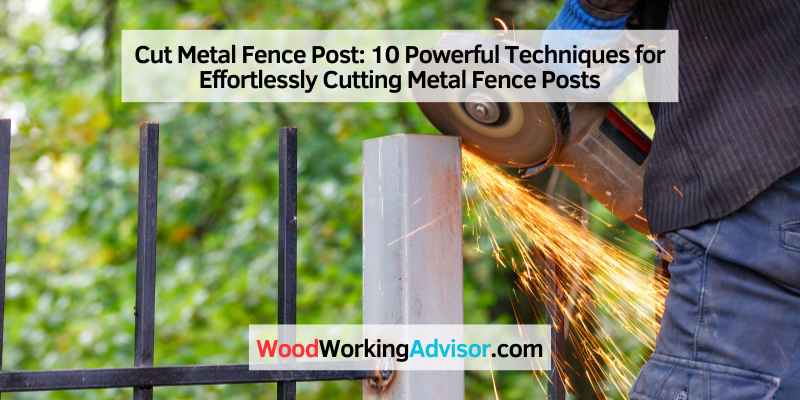
How to Cut a Metal Fence Post (Angle Grinder, Saw & Leveling Cuts)
To cut a metal fence post, use a reciprocating saw or angle grinder with a metal-cutting blade. When cutting, ensure proper safety gear and caution are taken.
See our full guide to woodworking calculators & measurements.
Metal fence posts can be challenging to cut due to their sturdy construction, requiring the use of specialized tools for a precise and clean cut. The process involves selecting the right cutting tool, marking the post at the desired length, and then making the cut with steady and controlled movements.
Safety precautions such as wearing protective gear and securing the post are essential to prevent injuries and ensure a successful outcome. In this guide, we will discuss the step-by-step process of cutting a metal fence post effectively and safely for your DIY project or repair needs.

Choosing The Right Tools
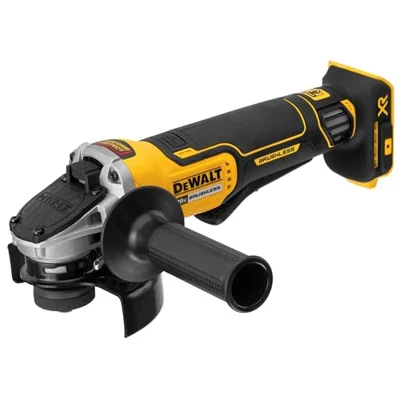
DEWALT 20V MAX Cordless Angle Grinder
Cordless means no extension cord to run out to a fence line, and a 4-1/2″ cutting wheel goes through most metal fence post tubing in a single pass.
Best for: cutting new posts to length or trimming installed post tops
Why we picked it: the paddle switch and kickback brake make it safer to use one-handed while marking around a post
Main drawback: sold bare-tool in this listing — needs a compatible 20V battery
View Our Pick on Amazon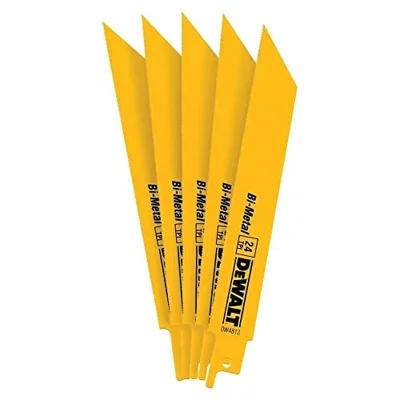
DEWALT Bi-Metal Reciprocating Blades
Best for: trimming T-posts or posts too close to a wall for a grinder
Why we picked it: bi-metal construction holds up to repeated metal cuts without snapping like a wood blade would
Main drawback: slower than an angle grinder for a straight, clean cut
Check on Amazon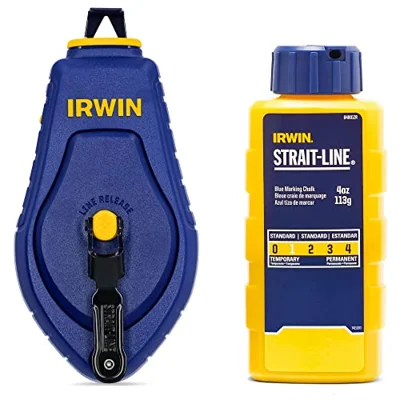
IRWIN Chalk Reel
Best for: marking a level cut line across a whole run of fence posts
Why we picked it: a taut chalk line gives a straighter reference than eyeballing each post individually
Main drawback: chalk washes off in rain, so mark and cut the same day
Check on AmazonAs an Amazon Associate we earn from qualifying purchases.
Choosing the right tools is crucial when it comes to cutting metal fence posts effectively. Two primary tools you can use for this task are the
Angle Grinder
- An angle grinder is versatile and can make quick work of cutting metal fence posts.
- Ensure you have a cutting wheel suitable for metal to achieve a clean and precise cut.
- Always wear protective gear like gloves and safety goggles when using an angle grinder.
- Secure the metal post in place before cutting to ensure stability and safety.
- Take breaks during prolonged use to prevent overheating of the tool.
Metal Cutting Saw
- A metal cutting saw is ideal for more precise and controlled cuts on metal fence posts.
- Choose a saw blade specifically designed for cutting metal to avoid damage to the tool or material.
- Follow the manufacturer’s instructions for setting up and operating the metal cutting saw.
- Ensure a stable work surface and clamp the metal post securely before cutting.
- Periodically check the blade for wear and replace it as needed to maintain optimal cutting performance.
Preparation And Safety Measures
Cutting metal fence posts can be a rewarding DIY project, but it is essential to prioritize safety and proper preparation. Before jumping into the cutting process, take the necessary precautions to ensure a safe and successful outcome.
Gathering Safety Gear
- Wear gloves and safety glasses to protect your hands and eyes.
- Use ear protection to safeguard against loud noise during cutting.
- Ensure you have a work apron and closed-toe shoes for added protection.
Marking The Cut Line
- Measure and mark the exact point where you intend to cut the metal fence post.
- Use a metal ruler or measuring tape for precision in marking the cut line.
- Consider using a metal scribe or permanent marker to make the marking clearly visible.
Techniques For Cutting
When it comes to installing a fence, cutting metal fence posts to the correct length is an essential part of the process. Using the right techniques for cutting metal posts will ensure a clean and precise result, making the installation process smoother and more efficient. In this section, we will explore two effective techniques for cutting metal fence posts: using an angle grinder and using a metal cutting saw.
Using An Angle Grinder
An angle grinder is a versatile tool that can be used to cut metal fence posts with ease. Follow these simple steps to achieve accurate cuts:
- Secure the metal post in a vice grip to stabilize it during cutting.
- Mark the cutting line on the post using a marker or a piece of chalk.
- Put on protective gear including safety goggles and gloves before starting the angle grinder.
- Start the angle grinder and carefully guide the cutting wheel along the marked line, applying gentle pressure to the post.
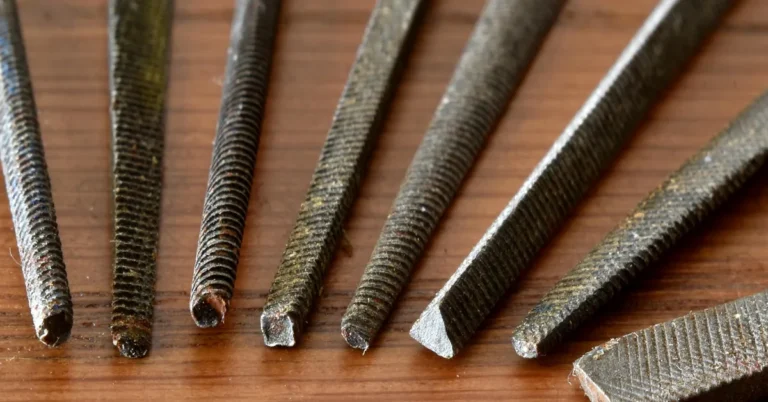
- Once the cut is complete, remove any burrs or sharp edges using a metal file or sandpaper.
Using A Metal Cutting Saw
A metal cutting saw provides a precise and efficient method for cutting metal fence posts. Here’s how to use it effectively:
- Place the metal post securely in a vice or clamp to prevent movement during cutting.
- Select the appropriate blade for cutting metal and ensure it is securely attached to the saw.
- Measure and mark the cutting line on the post using a straight edge and a marker.
- Switch on the metal cutting saw and carefully guide the blade along the marked cutting line, maintaining a steady and controlled motion.
- After the cut is complete, inspect the edge for any roughness and remove it using a deburring tool or file.
How To Cut The Top Of An Already-Installed Fence Post
Trimming the tops of posts that are already set in the ground or in concrete is a different job from cutting a new post to length on a workbench — you can’t clamp it in a vice, and every post needs to end up level with its neighbors so the fence line looks straight.
- Set a level string line: Drive a screw or nail into the end posts at the height you want the fence line, then stretch a mason’s string or chalk line tightly between them.
- Mark each post: At every post in between, hold the string against the post and mark a line straight across the front, then continue the mark around the back and one side with a level or square so the cut line wraps the whole post.
- Cut with the post still standing: Use an angle grinder with a metal cutting wheel for a fast cut, or a reciprocating saw fitted with a bi-metal blade if you need more control on a T-post or a post close to a wall.
- Cut in from multiple sides on thicker posts: On round or square tubing too wide to cut through in one pass, cut in from the front along your mark, then rotate around the post and finish from the back and sides until the top separates cleanly.
- Deburr and cap: File off the sharp cut edge, then add a cap or angle the cut about 10 degrees so rainwater sheds off the top instead of pooling inside a hollow post.
Alternative Methods
When it comes to working with cut metal fence posts, there are a few alternative methods that you can consider. These methods, such as plasma cutting or using an oxy-acetylene torch, offer different options for cutting and shaping metal fence posts according to your preference and needs.
Plasma Cutter
If you’re looking for a precise and efficient method for cutting metal fence posts, then a plasma cutter is the way to go. This tool uses high-velocity jets of ionized gas to melt and cut through metal, providing clean and accurate cuts.
With a plasma cutter, you have the flexibility to cut through various metals, including stainless steel and aluminum. It is also capable of cutting through thicker materials, making it a versatile option for your metal fence post cutting needs. Additionally, plasma cutting creates minimal heat-affected zones, resulting in less warping or distortion of the metal.
When using a plasma cutter, safety precautions should be followed. Make sure to wear appropriate protective gear, such as gloves and eye protection, to ensure your safety while operating this powerful tool.
Oxy-acetylene Torch
If you prefer a more traditional approach to cutting metal fence posts, an oxy-acetylene torch can be a suitable alternative. This torch uses a mix of oxygen and acetylene gas to create a high-temperature flame, allowing you to cut through metal with ease.
An oxy-acetylene torch offers flexibility in terms of portability, making it suitable for on-site cutting. This method is particularly useful for cutting through thick and heavy-duty metal fence posts.
| Plasma Cutter | Oxy-Acetylene Torch |
|---|---|
| Ability to cut various metals | Portability for on-site cutting |
| Precise and efficient cuts | Ability to cut through thick materials |
| Minimal heat-affected zones |
When using an oxy-acetylene torch, it is crucial to take necessary safety precautions. Ensure proper ventilation, use flame-resistant clothing, and make sure you have a fire extinguisher nearby.
Before choosing a method for cutting metal fence posts, consider your specific requirements, the type of metal you’re working with, and the desired level of precision. With the right alternative method, you can achieve the perfect cut for your metal fence posts.
Finishing Touches
Once you have installed your cut metal fence posts, it is important to take the necessary steps to ensure they are properly finished. This will not only enhance the look of your fence but also protect it from rust and prevent any injuries caused by sharp edges. In this section, we will cover two essential finishing touches that should be applied to your cut metal fence posts: smoothing edges and applying rust protection.
Smoothing Edges
When working with cut metal fence posts, it is common for sharp edges to be left behind. These edges not only create an unattractive appearance but can also pose a safety hazard. Smoothing edges is a straightforward process that can be achieved with the use of a metal file or grinder. By running the tool along the edges of the cut metal, you will be able to remove any protruding or jagged edges, creating a smooth and safe surface.
Applying Rust Protection
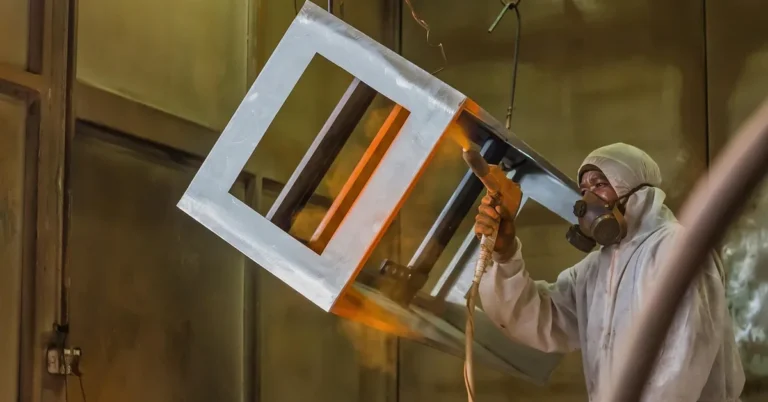
To ensure the longevity of your cut metal fence posts, it is crucial to protect them from rust. Rust not only deteriorates the appearance of the posts but can also weaken their structural integrity over time. There are several rust protection options available, including primers, paints, and protective coatings. Before applying any rust protection, make sure to clean the surface of the metal thoroughly, removing any dirt or debris. Then, apply the chosen rust protection product in accordance with the manufacturer’s instructions. This will create a barrier between the metal and the elements, preventing rust from forming and keeping your fence posts looking their best for years to come.
Frequently Asked Questions On Cut Metal Fence Post
How Do You Cut Metal Fence Posts?
To cut metal fence posts, use a reciprocating saw with a metal cutting blade. Mark the desired cut line, wear protective gear including safety goggles and gloves, and slowly cut through the post using the saw. Ensure a stable work surface and take precautionary measures to prevent injuries or damage.
Can I Cut Metal Fence Posts With A Hacksaw?
Yes, you can cut metal fence posts with a hacksaw. However, it may take more time and effort compared to using a reciprocating saw or an angle grinder with a metal cutting disc. Ensure the hacksaw blade is suitable for cutting metal and follow the same safety precautions as with other cutting tools.
What Is The Best Tool To Cut Metal Fence Posts?
The best tool to cut metal fence posts is a reciprocating saw with a metal cutting blade. It offers versatility and ease of use, allowing you to make precise cuts in various angles. If you have limited access or require a fine cut, an angle grinder with a metal cutting disc can be a good alternative.
How Long Does It Take To Cut A Metal Fence Post?
The time it takes to cut a metal fence post depends on various factors, including the thickness of the post, the tool you use, and your experience. Generally, it can take anywhere from a few minutes to half an hour to cut a single post.
Factors such as preparation time, setup, and clean-up should also be considered.
Conclusion
To sum up, cutting metal fence posts doesn’t have to be a daunting task. With the right tools and techniques, you can achieve a clean and precise cut while ensuring safety and accuracy. By following the steps outlined in this guide, you can easily tackle your metal fence post cutting project with confidence and efficiency.
Sponsored / affiliate links. As an Amazon Associate I earn from qualifying purchases. I may earn additional commission from eligible campaigns.