Is AdvanTech Plywood or OSB? Real Specs & Warranty
AdvanTech is oriented strand board (OSB), not plywood — Huber Engineered Woods builds it from compressed wood strands coated in moisture-resistant resin, not thin veneers. Calling it “plywood” matters because AdvanTech’s 10-year squeak-free warranty and ICC-ES code approval apply only when it’s installed exactly to Huber’s specs, not generic subfloor rules. This guide covers what AdvanTech actually is, its real panel specs, and when to use it over plain OSB or plywood.
What Is AdvanTech, Really?
AdvanTech is a proprietary oriented strand board (OSB) subfloor and sheathing panel that Huber Engineered Woods manufactures from compressed wood strands sealed with a moisture-resistant resin coating on every strand — not thin wood veneers glued face-to-face the way plywood is built. Huber itself says it plainly: AdvanTech is technically a form of OSB, marketed under its own brand name.
The confusion exists because many builders and homeowners use “plywood” as shorthand for any structural wood panel on a job site. AdvanTech, standard OSB, and plywood all do similar jobs — subflooring, roof sheathing, wall sheathing — but they are manufactured in fundamentally different ways, and that difference affects moisture performance, warranty terms, and even which fasteners and adhesives are approved for use with each.
AdvanTech vs Plywood vs Standard OSB: The Construction Difference
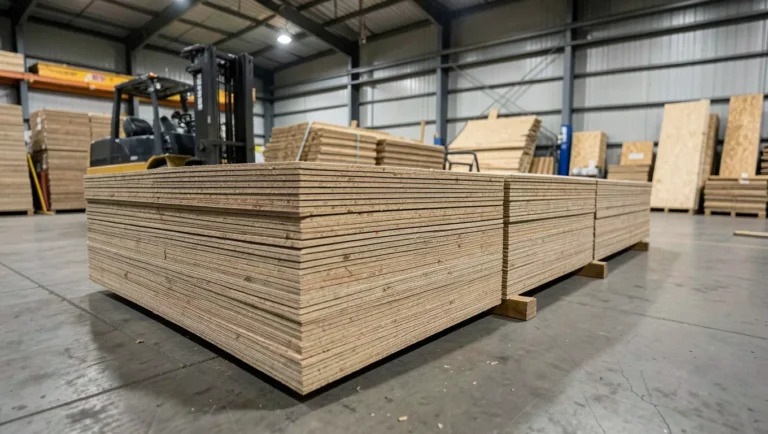
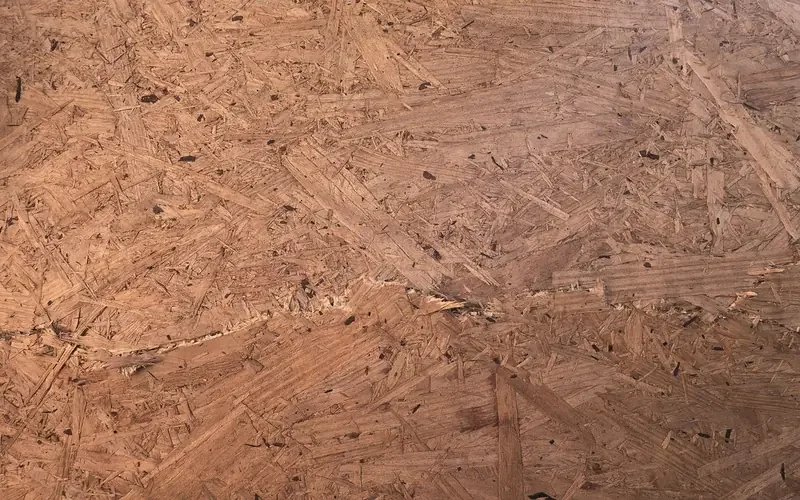
Plywood is built from thin wood veneers, cross-laminated at alternating grain angles and glued into a solid panel — that’s why a plywood edge shows clean, even layers. OSB and AdvanTech are both built from wood strands (not veneers) compressed and bonded with resin under heat and pressure, which is why their edges show a chipped, layered strand pattern instead.
| Feature | Plywood | Standard OSB | AdvanTech |
|---|---|---|---|
| Made from | Thin wood veneers, cross-laminated | Wood strands + resin | Wood strands + Huber’s resin-treated coating |
| Edge profile | Square edge (typically) | Square edge (typically) | Tongue-and-groove on all 4 sides |
| Squeak-free warranty | Varies by brand | Varies by brand | 10-year, with AdvanTech adhesive |
| Best for | Furniture, cabinets, visible edges | Budget sheathing/subfloor | Subfloor and sheathing where moisture exposure is a risk |
AdvanTech isn’t just OSB with a different label, though. Huber treats every strand with a moisture-resistant resin during manufacturing, rather than only coating the finished panel surface, and adds a tongue-and-groove edge on all four sides so panels lock together without gapping. Understanding the plywood vs sheathing distinction more broadly is worth a look if you’re specifying panels for a project — see our plywood vs sheathing breakdown for how these products are categorized on a job site.
AdvanTech Panel Specs: Thicknesses, Sizes & Edge Design
AdvanTech subflooring ships in four thicknesses, all as 4-foot by 8-foot sheets with a tongue-and-groove edge profile designed to lock adjoining panels together at the joints.
- 19/32 inch — lighter-duty subfloor applications over closer joist spacing
- 23/32 inch — the most common subfloor thickness, covered by ICC-ES ESR-1785
- 7/8 inch — wider joist spacing or added stiffness underfoot
- 1-1/8 inch — heavy-duty subfloor, often used with wider joist spans
The tongue-and-groove edge is a real functional difference from most plywood and generic OSB sheets sold with a plain square edge — it’s what lets AdvanTech panels support each other at the seam instead of relying entirely on the joist underneath, which is part of why the product resists squeaking better over time.
Moisture Resistance and the Squeak-Free Warranty
Every strand in an AdvanTech panel is coated with a moisture-resistant resin during manufacturing, not just the panel’s outer face. Huber backs this with a 500-day guarantee against swelling, cupping, or delamination from normal weather exposure during construction, plus a separate 10-Year Squeak-Free Limited Warranty that applies specifically when AdvanTech panels are installed with AdvanTech’s own subfloor adhesive at the joists.
That adhesive requirement is easy to miss. Skipping construction adhesive at the joist line, or substituting a generic adhesive that isn’t rated for subfloor assemblies, can void the squeak-free warranty even though the panel itself is still under its lifetime material warranty. If you’re installing AdvanTech (or any OSB or plywood subfloor) and want the adhesive bond the warranty depends on, a polyurethane construction adhesive rated for OSB and subfloor use is the detail worth getting right.
Best Subfloor Adhesive Pick
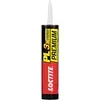 |
Loctite PL Premium Polyurethane Construction Adhesive, 10 fl oz – $6.48 Rated for bonding OSB, plywood, and most subfloor materials to joists — the kind of adhesive bond AdvanTech’s 10-year squeak-free warranty (covered above) requires at the joist line.
|
As an Amazon Associate we earn from qualifying purchases.
Where AdvanTech Is Actually Code-Approved
AdvanTech panels are covered under ICC-ES Evaluation Report ESR-1785, issued to Huber Engineered Woods for its AdvanTech and AdvanTech X-Factor engineered panels. That report specifically covers the 23/32-inch subflooring thickness (along with the 1/2-inch and 5/8-inch sheathing panels) — it’s worth checking the actual report, not just the brand name, if a permit or inspector needs the specific thickness and application called out on paper.
Common Myths About AdvanTech
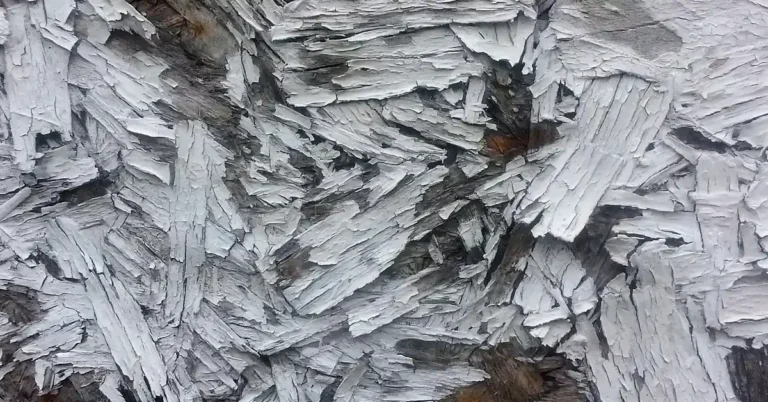
Myth: AdvanTech has veneers like plywood. It doesn’t. AdvanTech is built from wood strands compressed and bonded with resin, the same basic process as OSB — there is no cross-laminated veneer layer anywhere in the panel. If you look at a cut edge and see a chip pattern rather than clean layers, you’re looking at OSB, not plywood, regardless of brand name.
Myth: “AdvanTech plywood” is a real product name. It isn’t — Huber Engineered Woods sells AdvanTech as subflooring, sheathing, and siding panels, never as plywood. The nickname stuck because installers use “plywood” loosely for any structural panel, but using the term in a spec sheet or permit application can cause confusion about which ICC-ES report actually applies.
Myth: thicker automatically means stronger. Thickness affects stiffness, but AdvanTech’s advantage over commodity OSB at the same thickness comes from its resin treatment and tongue-and-groove edge, not raw thickness alone — a thinner AdvanTech panel can still outperform a thicker commodity OSB sheet in moisture resistance and edge support.
When to Choose AdvanTech Over Plain OSB or Plywood
AdvanTech earns its price premium on subfloor jobs where moisture exposure during construction is a real risk, where long-term squeak prevention matters (rental properties, resale homes), or where the tongue-and-groove edge simplifies installation over irregular joist spacing. For dry, budget-driven builds where a basic OSB or plywood subfloor already meets code, the extra cost may not be worth it.
For a full side-by-side on pricing, warranty terms, and long-term cost comparisons between AdvanTech and standard plywood, see our dedicated AdvanTech Subfloor vs Plywood: Pros, Cons, Cost and Warranty comparison. If you’re pricing out plywood specifically for the project, our 3/4-inch plywood pricing guide and how plywood is actually made breakdown are both useful next reads.
“After framing subfloors with AdvanTech on jobsite after jobsite, I can usually tell it’s OSB just from the cut edge — no real plywood I’ve ever cut shows a chip pattern like that, only a clean veneer edge. The brand name throws people off more than the material itself ever does.”
Frequently Asked Questions
Is AdvanTech the Same as Plywood?
No. AdvanTech is oriented strand board (OSB), built from compressed wood strands and resin. Plywood is made from thin wood veneers glued in cross-laminated layers. Both work as subflooring, but they’re manufactured completely differently — AdvanTech only resembles plywood in the loose sense that installers use “plywood” as a catch-all term for structural wood panels.
Is AdvanTech Worth the Extra Cost Over Standard OSB?
For most subfloor installs, yes. AdvanTech’s resin-treated strands resist swelling and moisture damage better than standard OSB, and its tongue-and-groove edges plus 10-year squeak-free warranty (with AdvanTech adhesive) reduce callbacks. If the subfloor will stay dry and budget is tight, standard OSB can still meet code — AdvanTech earns its premium where moisture exposure or long-term squeak prevention matters most.
Does AdvanTech Need to Be Sealed or Sanded Before Installing Flooring?
No sanding is required under Huber’s 500-day no-sand guarantee, as long as the panel hasn’t been exposed to standing water. AdvanTech doesn’t need a separate sealer for normal installs, but some flooring adhesive and underlayment manufacturers still recommend checking their own compatibility guidelines before installing directly over any OSB subfloor, including AdvanTech.
Can AdvanTech Get Rained on During Construction?
Briefly, yes — AdvanTech’s resin-treated strands resist water better than standard OSB, and it carries a 500-day guarantee against needing to sand due to normal weather exposure during construction. It isn’t waterproof, though: standing water or prolonged soaking can still damage the panel, so it should be allowed to dry completely before flooring goes down.
Conclusion
AdvanTech is OSB, not plywood — a resin-treated engineered wood panel from Huber Engineered Woods, built from wood strands rather than veneers. The brand name gets nicknamed “plywood” on job sites, but the real specs (tongue-and-groove edges, 23/32-inch ICC-ES approval under ESR-1785, and the 10-year squeak-free warranty tied to proper adhesive use) all describe an OSB product, not a plywood one. Get the material right before you spec fasteners, adhesive, or a permit around it.
Sponsored / affiliate links. As an Amazon Associate I earn from qualifying purchases. I may earn additional commission from eligible campaigns.